Introduction
Esports, short for electronic sports, has evolved from a niche hobby into a global phenomenon that rivals traditional sports in popularity, viewership, and revenue. Once limited to local tournaments and casual gaming communities, esports has become a structured industry with professional players, massive audiences, and multi-million-dollar sponsorships. It represents a convergence of technology, entertainment, and competitive spirit, appealing to millions worldwide who watch, play, or participate in some form of competitive gaming.
Esports is more than just playing video games. It is a professional ecosystem with teams, leagues, coaches, analysts, broadcasters, and global fans. It provides opportunities for individuals to develop careers, entertain audiences, and influence culture. The rise of esports reflects the changing landscape of sports and entertainment, where digital platforms and interactive experiences redefine what competition means in the modern era.
The Origins of Competitive Gaming
Competitive gaming has roots stretching back to the early days of video games. In the 1970s and 1980s, arcade games like Pong, Space Invaders, and Pac-Man drew competitive players who sought to achieve the highest scores. Local competitions and arcade tournaments laid the groundwork for organized gaming communities.
The 1990s introduced multiplayer games such as Doom, Quake, and StarCraft, which allowed players to compete against each other over local networks and eventually the internet. This era marked the beginning of online competitive gaming, connecting players from different regions and creating a shared culture of esports enthusiasts. Communities formed through forums, chat rooms, and early gaming networks, fostering collaboration and rivalry simultaneously.
The Birth of Modern Esports
The 2000s saw esports begin to take shape as an organized industry. Games like Counter-Strike, Warcraft III, and Halo created competitive ecosystems with leagues, tournaments, and international competitions. The formation of professional teams and sponsorship deals elevated gaming from a hobby to a career path.
The introduction of streaming platforms allowed audiences to watch competitions live, significantly increasing esports’ reach and popularity. The accessibility of live streaming brought a sense of immediacy and excitement similar to traditional sports broadcasts. Professional players gained fan followings, and gaming became a spectator experience, not just a participatory activity.
The Rise of Major Esports Titles
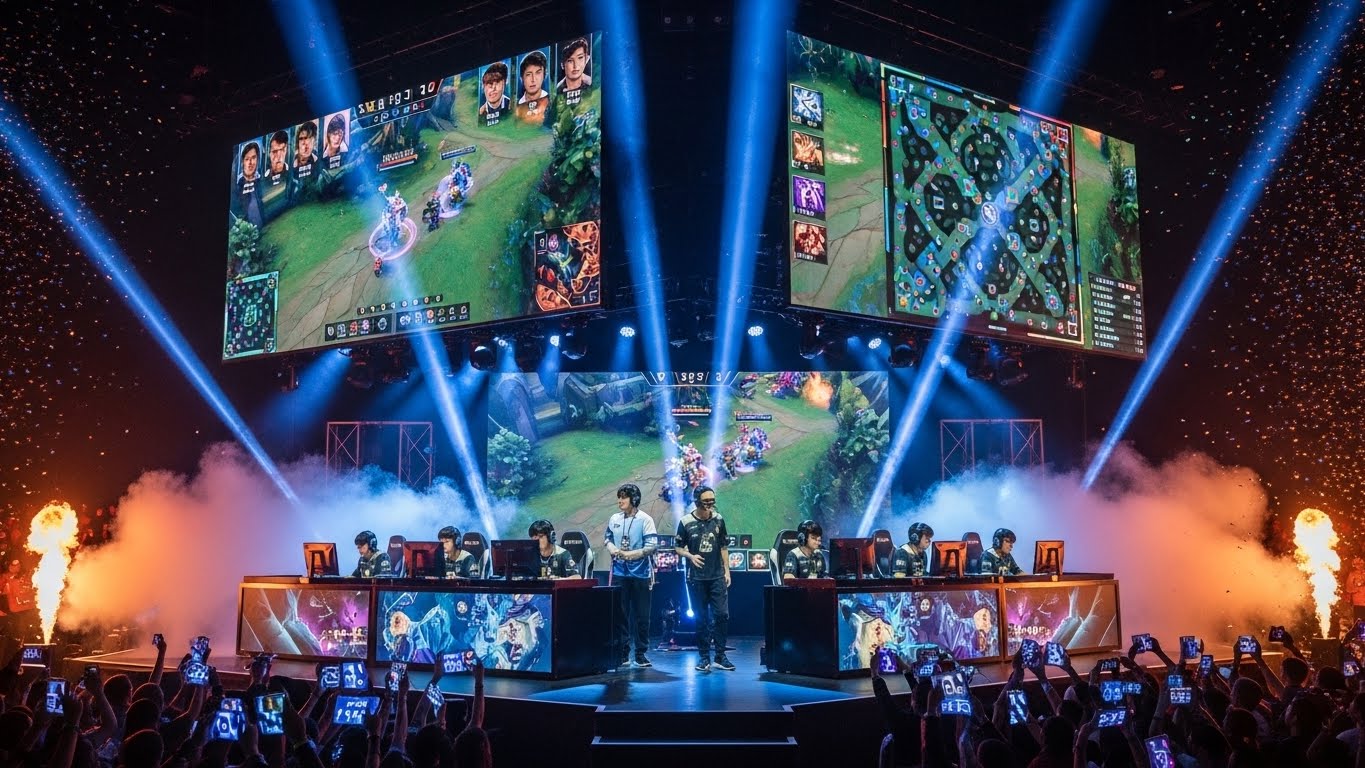
Certain games have been instrumental in shaping the esports industry. League of Legends, released in 2009, became one of the most influential esports titles with its professional leagues, World Championships, and dedicated fanbase. Dota 2 introduced massive prize pools and international tournaments, elevating the stakes and prestige of competitive gaming. First-person shooters like Counter-Strike: Global Offensive and Overwatch attracted audiences with fast-paced, team-based action.
Battle royale games such as Fortnite introduced a new generation of esports viewers, combining competitive gameplay with social interaction and streaming entertainment. Each game contributes to the diversity of esports, appealing to different skill sets, strategies, and audience preferences.
The Structure of Esports Leagues
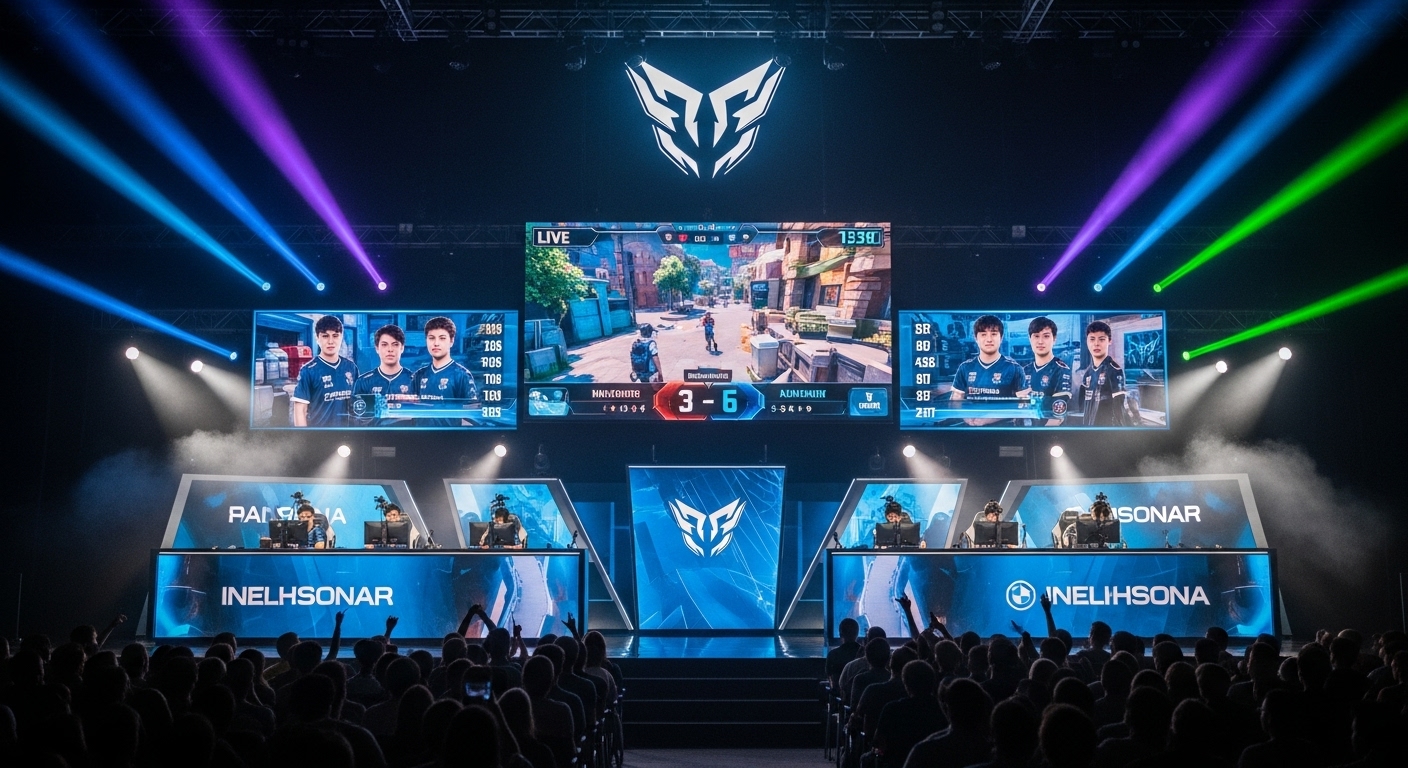
Professional esports operates through structured leagues and tournaments. Teams are often organized similarly to traditional sports, with owners, managers, coaches, and support staff. Leagues such as the Overwatch League and League of Legends Championship Series (LCS) feature seasonal competitions, regular schedules, and franchised teams.
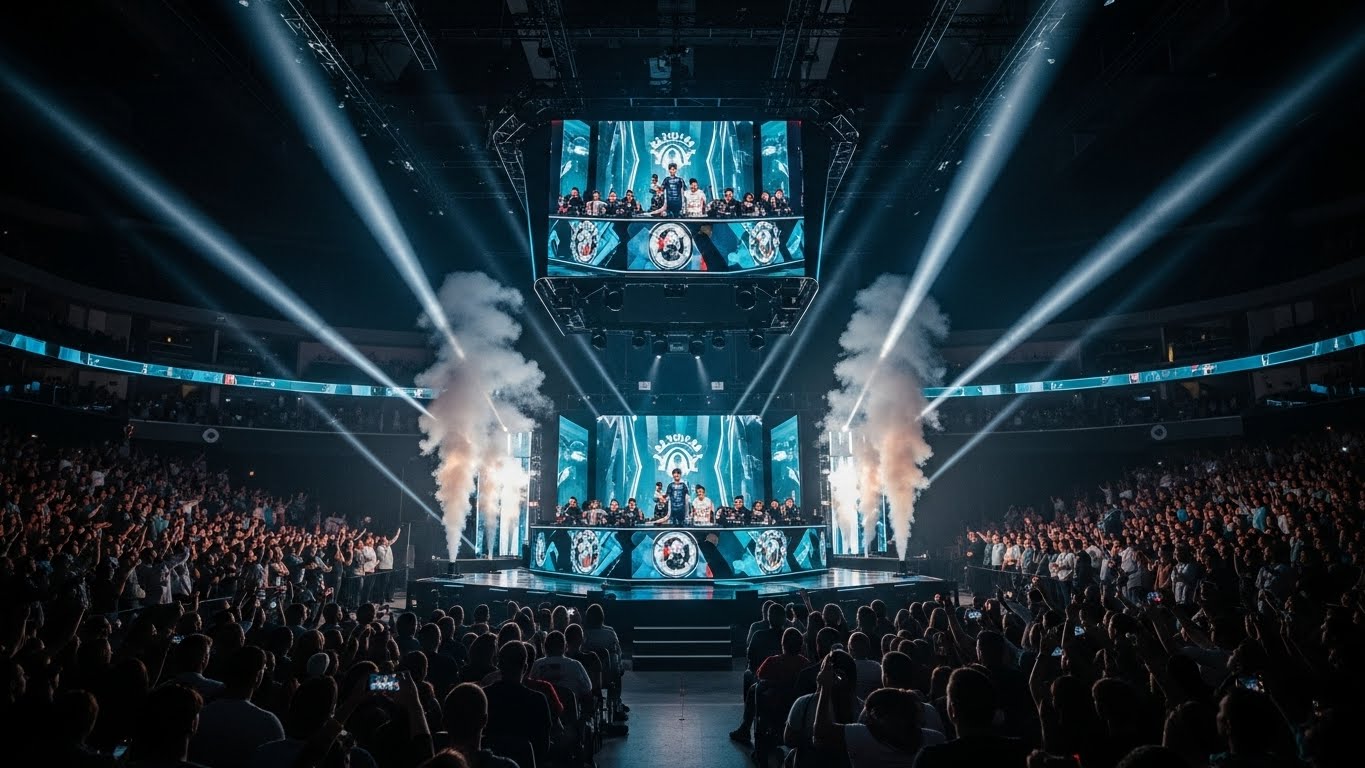
Tournaments vary from online qualifiers to large-scale international events hosted in arenas or stadiums. Prize pools can reach millions of dollars, attracting top talent and global attention. The structure of esports leagues creates a professional environment that mirrors traditional sports while leveraging the unique advantages of digital platforms.
The Role of Streaming Platforms
Streaming platforms like Twitch, YouTube Gaming, and other services are central to esports’ growth. They allow fans to watch competitions live, interact with players through chat, and participate in the community. Streamers themselves often become celebrities, building personal brands and influencing gaming culture.
The interactivity of streaming sets esports apart from traditional sports. Viewers can engage directly with players, vote on content, and even affect outcomes through interactive streams or community-driven events. This level of engagement strengthens fan loyalty and creates immersive entertainment experiences.
Careers in Esports
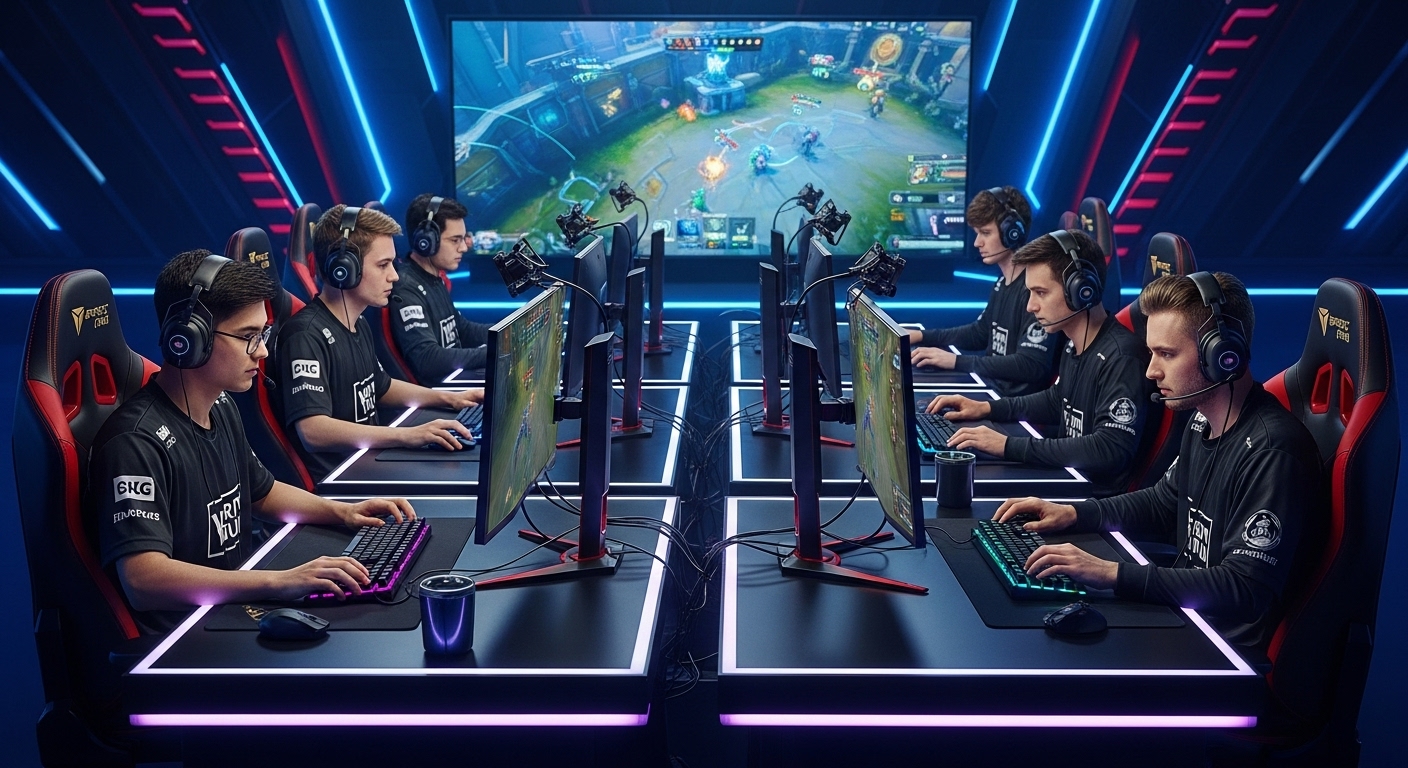
Esports offers a variety of career paths beyond being a professional player. Coaches analyze gameplay and strategies, managers handle logistics and sponsorships, and analysts study data to optimize team performance. Broadcasters, commentators, and content creators provide entertainment and coverage for audiences.
There are also roles in marketing, production, event management, and game development that are integral to the industry. The growth of esports has made it possible for talented individuals to build sustainable careers in a field once considered purely recreational.
The Economics of Esports
The financial impact of esports is immense. Revenue comes from multiple streams including sponsorships, advertising, ticket sales, merchandise, streaming subscriptions, and media rights. Brands recognize the value of reaching esports’ highly engaged and often younger demographic, leading to partnerships with technology companies, beverage brands, apparel lines, and more.
Prize money in esports has skyrocketed over the years. Events like The International for Dota 2 feature multi-million-dollar prize pools funded by both organizers and community contributions. The economic growth of esports demonstrates its legitimacy as a professional industry and its potential for further expansion.
Esports and Global Culture
Esports transcends geographic and cultural boundaries. Players and fans from all over the world connect online, creating global communities centered around shared passions. International competitions promote cross-cultural exchange and showcase diverse talent. Countries like South Korea, China, and the United States have become hubs of esports excellence, producing world-class players and teams.
The cultural influence of esports extends beyond gaming. It impacts fashion, music, social trends, and digital media. Professional players are celebrated as influencers, shaping youth culture and redefining what it means to be a sports star in the digital age.
The Impact on Traditional Sports
Esports has influenced traditional sports by introducing digital engagement strategies, live streaming, and interactive fan experiences. Sports organizations now invest in esports teams or leagues to reach younger audiences and expand their brand digitally. Virtual competitions complement physical sports, offering alternative avenues for engagement and entertainment.
Collaboration between esports and traditional sports has created crossover events, sponsorships, and tournaments that merge physical and digital athleticism. This synergy illustrates how esports is reshaping the broader sports and entertainment ecosystem.
Education and Esports
Esports is increasingly recognized in educational settings. Universities and high schools are establishing esports programs, scholarships, and competitive teams. Academic institutions see value in esports for developing teamwork, strategic thinking, leadership, and digital literacy skills.
Collegiate leagues provide students with opportunities to compete professionally while pursuing education. This legitimization of esports in academics underscores its growing cultural and economic significance.
Esports Technology
Technology drives esports performance and experience. High-speed internet, gaming peripherals, powerful computers, and broadcasting tools are essential for competitive play. Analytics software allows teams to study gameplay, optimize strategies, and improve performance. Virtual reality and augmented reality are beginning to create immersive esports experiences, offering new ways for players and audiences to interact.
Advancements in technology also enable real-time streaming, global tournaments, and fan engagement, ensuring that esports continues to evolve alongside digital innovation.
Challenges Facing Esports
Despite its growth, esports faces challenges. The industry must address issues of player health, including mental health, physical fitness, and burnout. Online harassment and toxicity in gaming communities also require proactive solutions. Regulatory concerns, contract disputes, and the need for standardized rules across leagues remain ongoing challenges.
Additionally, esports must continue to prove its legitimacy as a professional sport and maintain sustainable economic models. Balancing rapid growth with ethical practices and player welfare is critical to long-term success.
The Future of Esports
The future of esports is bright and multifaceted. Continued technological advancements, increasing mainstream recognition, and global connectivity will drive growth. Esports is likely to become further integrated with traditional sports, entertainment, and media platforms. Emerging technologies such as virtual reality, augmented reality, and artificial intelligence will enhance gameplay and viewer experiences, making esports even more immersive and interactive.
Esports is also expanding into new markets, reaching countries and demographics previously untapped. Sponsorships, media rights, and merchandise will continue to grow, solidifying the financial foundation of the industry. With more educational programs and professional opportunities, esports is positioned to become a cornerstone of both digital and physical culture.
Conclusion
Esports represents a revolution in entertainment, sports, and digital culture. From its humble beginnings in arcades to today’s global tournaments, it has evolved into a professional ecosystem with worldwide influence. Esports provides opportunities for careers, cultural engagement, and technological innovation. It challenges traditional notions of competition, spectatorship, and fandom while offering immersive, interactive experiences for players and audiences alike.
As esports continues to expand, it will shape the future of entertainment, redefine professional sports, and influence culture in profound ways. Its blend of technology, creativity, and competition ensures that it remains one of the most dynamic and exciting industries in the modern world. The story of esports is not just about games—it is about the convergence of innovation, human ambition, and the universal desire to play, compete, and connect.