Introduction: The Rise of a New Sporting World
Over the past decade, esports has transformed from a niche hobby enjoyed by small groups of gaming fans into a global entertainment powerhouse. What once took place in dimly lit basements and internet cafés is now happening in sold-out arenas, attracting millions of viewers, generating massive revenue, and shaping careers for gamers around the world. As digital technology continues to evolve, esports is becoming an influential part of mainstream culture, reshaping how we view sports, entertainment, and competition. This blog explores the growth, influence, challenges, and future of esports, diving deep into what makes it such a powerful force today.
A Brief History of Esports
To understand the impact of esports today, it’s important to look back at where it all began. The first competitive gaming events took place in the 1970s and 1980s, with players competing in arcade classics such as Space Invaders, Pac-Man, and Donkey Kong. These competitions were small and often not widely publicized, but they planted the seeds for the massive industry we see today.
In the 1990s, with the rise of PCs and the internet, competitive gaming took a significant leap forward. Games like Doom, Quake, and StarCraft introduced organized tournaments and online multiplayer modes, creating international communities of dedicated players. South Korea, in particular, became a global hub for competitive gaming, establishing professional leagues and televised esports matches long before the rest of the world caught on.
By the early 2000s, esports began gaining momentum globally. With popular titles like Counter-Strike, Warcraft III, and Halo, competitive gaming attracted sponsors, teams, and fans at an unprecedented pace. Today, esports is a full-fledged industry supported by professional organizations, streaming platforms, and a fan base that spans every continent.
The Games That Define the Esports Era
The esports landscape is diverse, featuring a wide range of game genres—from strategy and shooting games to sports simulations and battle arenas. Some of the most influential titles in modern esports include:
Multiplayer Online Battle Arenas (MOBA)
Games like League of Legends and Dota 2 dominate the esports scene due to their strategic depth, team-based gameplay, and massive global appeal. Their tournaments offer some of the largest prize pools in the industry.
First-Person Shooters (FPS)
Competitive shooters like Counter-Strike, Valorant, and Call of Duty maintain enormous fan bases. Their fast-paced, high-skill gameplay makes them perfect for competitive events.
Battle Royale Games
Titles such as Fortnite and Apex Legends introduced massive, dynamic arenas where dozens of players compete simultaneously. These games revolutionized competitive formats and attracted millions of viewers.
Sports and Racing Games
FIFA, NBA 2K, and sim-racing titles like Gran Turismo and iRacing have built their own dedicated esports communities, often collaborating with real sports organizations.
These games not only entertain but also demand high levels of strategy, teamwork, reflexes, and adaptability—the same qualities found in traditional athletes.
The Professional Player: A New Kind of Athlete
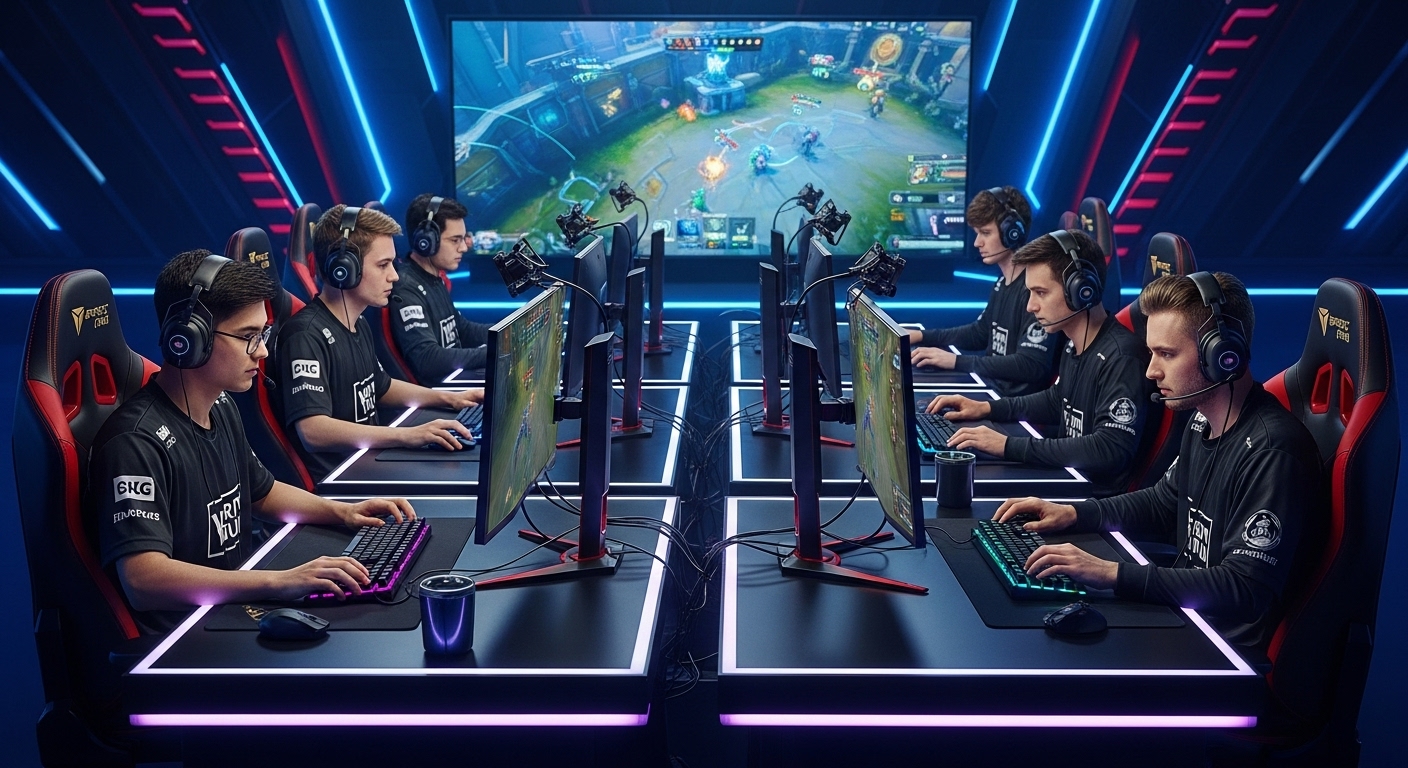
Esports athletes are often underestimated by those unfamiliar with gaming culture, but their training routines and skill sets rival those of traditional sports professionals. A typical professional gamer trains for hours each day, practicing mechanics, studying strategy, and reviewing past performances. Reflexes must be razor-sharp, mental stamina must be strong, and teamwork must be flawless.
Many players sign contracts with major organizations and receive salaries, sponsorship deals, performance bonuses, and streaming income. Teams provide coaches, analysts, nutritionists, and mental health experts to ensure that players maintain peak performance. Like any other competitive career, professional gaming is demanding, stressful, and highly intense—but for those with exceptional talent, it is a rewarding path.
The Spectator Experience: Why Fans Love Esports
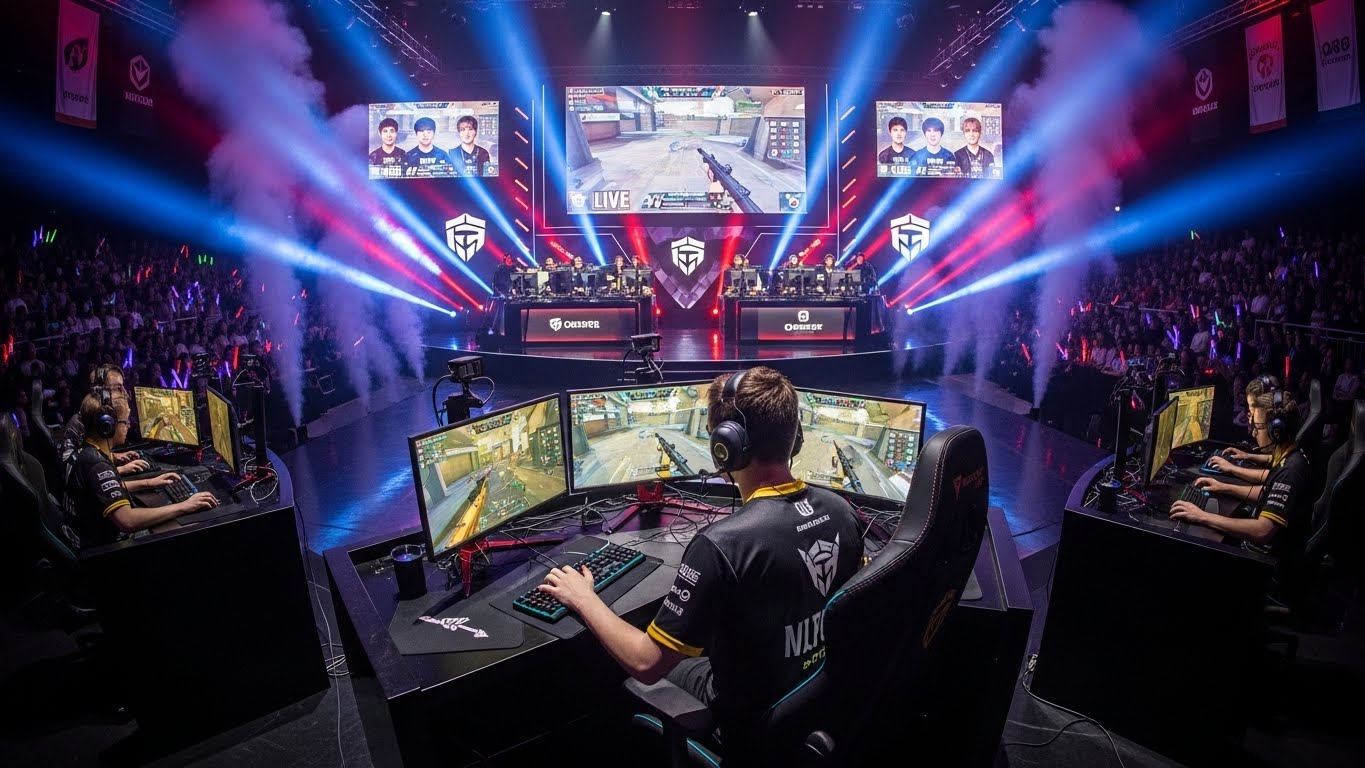
One of the most fascinating aspects of esports is how passionately fans engage with players and tournaments. Viewers tune in by the millions to watch live matches streamed online or broadcasted on television. Large-scale events often fill stadiums with fans cheering for their favorite teams, waving banners, and celebrating dramatic plays.
There are several reasons esports fans are so dedicated:
Accessibility
Anyone can watch esports online for free, allowing fans from all over the world to participate.
Relatability
Players often stream daily, giving fans an inside look into their personalities, routines, and struggles.
Fast-paced excitement
Esports matches combine strategy, skill, and unpredictability, creating thrilling moments similar to traditional sports.
Community
Gaming communities form strong bonds, connecting players and fans across cultures, languages, and continents.
This unique relationship between players and fans is one of the strongest driving forces behind esports’ rapid rise.
The Business of Esports: A Rapidly Growing Industry
Esports today is a multi-billion-dollar industry driven by sponsorships, advertising, merchandise, tournament revenue, media rights, and streaming platforms. Large corporations, tech companies, and even traditional sports teams invest heavily in esports organizations.
Several major factors contribute to the industry’s growth:
Global Reach
Esports events are watched by millions worldwide, making them attractive to marketers and advertisers.
Youth Appeal
A large portion of the esports audience is under 35, making it a highly valuable demographic for brands.
Cross-Industry Partnerships
Esports collaborates with fashion brands, music artists, hardware companies, and education institutions, expanding its presence into almost every sector.
As technology continues to advance, the business potential of esports only becomes stronger.
Challenges and Criticisms Within Esports
While esports continues to thrive, the industry also faces several challenges that require attention:
Player Health and Burnout
The intense training schedules and high pressure can lead to mental and physical fatigue. Awareness about maintaining a healthy lifestyle in esports is growing, but more work is needed.
Sustainability of Careers
Esports careers are often short, with many players retiring in their early twenties due to stress, injuries, or declining performance.
Toxicity and Online Behavior
Online gaming environments can sometimes be negative or hostile, and organizations must work to promote better community standards.
Regulation and Fair Play
Issues such as cheating, match-fixing, and inconsistent tournament rules require stronger governance and oversight.
These challenges highlight the need for continued development and professionalism within the industry.
The Future of Esports
The future of esports looks incredibly bright. Here are some trends shaping the next era:
Virtual Reality and Augmented Reality
Immersive technologies could create new competitive formats that blend physical and digital gameplay.
Esports in Education
Schools and universities across the world are introducing esports programs, offering scholarships and building dedicated training facilities.
Mainstream Integration
Esports is increasingly discussed alongside traditional sports, with broadcasters, analysts, and sponsors treating it as a legitimate athletic discipline.
Global Expansion
New regions, including Africa and the Middle East, are investing heavily in esports infrastructure, widening the global player and fan base.
As digital culture continues to evolve, esports is positioned to become one of the most influential entertainment industries of the future.
Conclusion: A Cultural Revolution in the Making
Esports is far more than gaming—it is a cultural revolution that blends technology, creativity, competition, and community. What started as a simple pastime has evolved into a global phenomenon that reshapes careers, entertainment, and society. With millions of passionate fans and continuous technological innovation, esports is only getting started. As we look ahead, it’s clear that the digital arena will continue to grow, thrive, and redefine the meaning of sports in our modern world.
If you’re interested in the future of entertainment, technology, or competitive sports, esports is a world worth exploring—and it’s only going to get bigger from here.