Introduction
eSports has rapidly transformed from a casual hobby into a global phenomenon that captivates millions of players and viewers. Competitive gaming is no longer just entertainment—it has become a profession, a culture, and a community. Combining skill, strategy, and teamwork, eSports creates experiences that are both thrilling and inspiring, bridging the gap between traditional sports and digital innovation.
The Rise of eSports
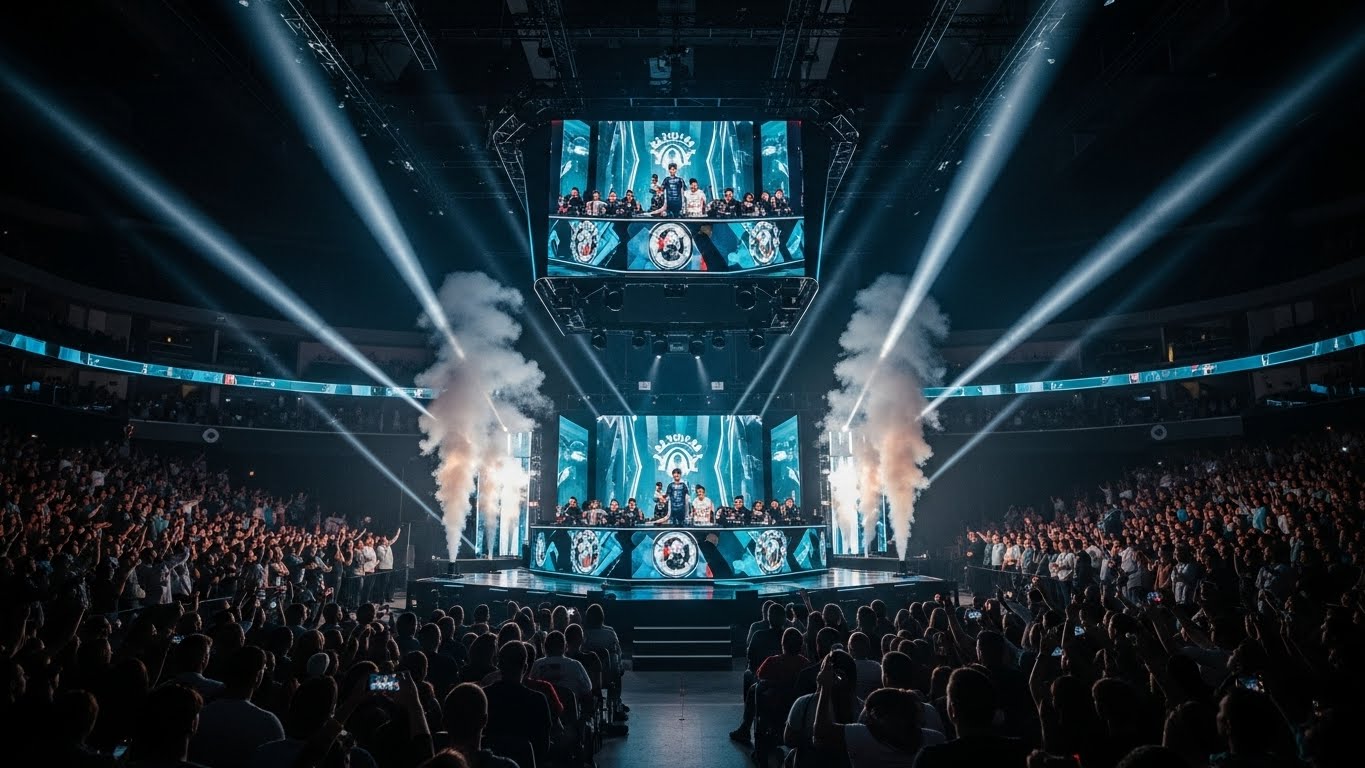
Over the past decade, eSports has experienced unprecedented growth. High-speed internet, streaming platforms, and professional gaming leagues have made competitive gaming accessible worldwide. Tournaments now attract audiences comparable to major sports events, offering substantial prizes and sponsorship opportunities. The rise of eSports reflects its increasing legitimacy and appeal in the entertainment industry.
Popular eSports Genres
eSports includes a variety of game genres, each with its unique challenges. Multiplayer Online Battle Arenas (MOBAs) such as League of Legends demand strategic thinking and teamwork. First-Person Shooter (FPS) games like Counter-Strike require precision, reflexes, and tactical skills. Battle Royale games, sports simulations, and strategy-based games further expand the competitive landscape, providing options for all types of players and viewers.
Life of a Professional Gamer
Professional eSports players dedicate immense time and effort to hone their skills. Training schedules, strategic planning, and physical and mental conditioning are essential to remain competitive. Players participate in national and international tournaments, representing teams or sponsors. Their dedication illustrates that eSports requires discipline, focus, and perseverance on par with traditional professional sports.
Community and Social Engagement
The social aspect of eSports is a major part of its success. Fans connect through live streams, online communities, and social media, discussing strategies and supporting players. Multiplayer games foster collaboration, communication, and teamwork, while tournaments unite players and viewers globally. eSports communities create a sense of belonging, bringing people together through a shared passion for competitive gaming.
Economic and Career Opportunities
The eSports industry offers diverse career paths beyond professional play. Content creators, event organizers, coaches, commentators, and marketers all play crucial roles in this expanding ecosystem. Sponsorship deals, merchandise, and streaming revenue have transformed eSports into a multi-million-dollar industry, creating financial and professional opportunities for those involved.
The Future of eSports
The future of eSports is full of innovation and growth. Virtual reality, augmented reality, and artificial intelligence are creating immersive and adaptive experiences. Educational institutions are recognizing eSports with programs and scholarships, further legitimizing competitive gaming as a career. As technology and interest continue to advance, eSports will remain a driving force in digital entertainment.
Conclusion
eSports is redefining the concept of competition in the digital age. It combines skill, strategy, community, and entertainment to create experiences that captivate millions worldwide. As the industry continues to grow, eSports will inspire new generations of players, provide exciting career opportunities, and continue to evolve as a central part of modern entertainment. Competitive gaming is no longer just play—it is a global movement shaping the future of sports and digital culture.