In the last two decades, the world of competitive gaming has transformed from a niche hobby into a global phenomenon. Esports, or electronic sports, has grown into a multi-billion-dollar industry that captivates millions of players and fans worldwide. What started as casual gaming in living rooms and internet cafés has evolved into professional leagues, stadium-filling tournaments, and a career path for talented gamers. But esports is more than just games—it’s a culture, an industry, and a movement that is reshaping entertainment, sports, and technology.
The Origins of Esports
The origins of esports can be traced back to the late 1970s and early 1980s, when early video games like Space Invaders and Pac-Man attracted competitive players. The first recorded video game competition took place in 1972 at Stanford University, featuring the game Spacewar. By the 1990s, with the rise of home consoles and personal computers, gaming competitions began to gain more structure, culminating in events like the Red Annihilation Quake tournament and the Cyberathlete Professional League.
These early competitions laid the foundation for esports as a recognized form of competition. Initially, esports faced skepticism, often dismissed as mere hobbyist activity or entertainment for children. However, the increasing sophistication of games, online connectivity, and organized tournaments gradually established esports as a legitimate competitive arena.
Understanding Esports: More Than Just Playing Games
Esports is a unique blend of entertainment, competition, and technology. Unlike traditional sports, which rely on physical performance, esports revolves around strategic thinking, reflexes, teamwork, and mental acuity. Popular esports titles include multiplayer online battle arenas like League of Legends, first-person shooters like Counter-Strike: Global Offensive, and real-time strategy games like StarCraft II. Each game demands distinct skills, ranging from tactical analysis and precise coordination to quick decision-making under pressure.
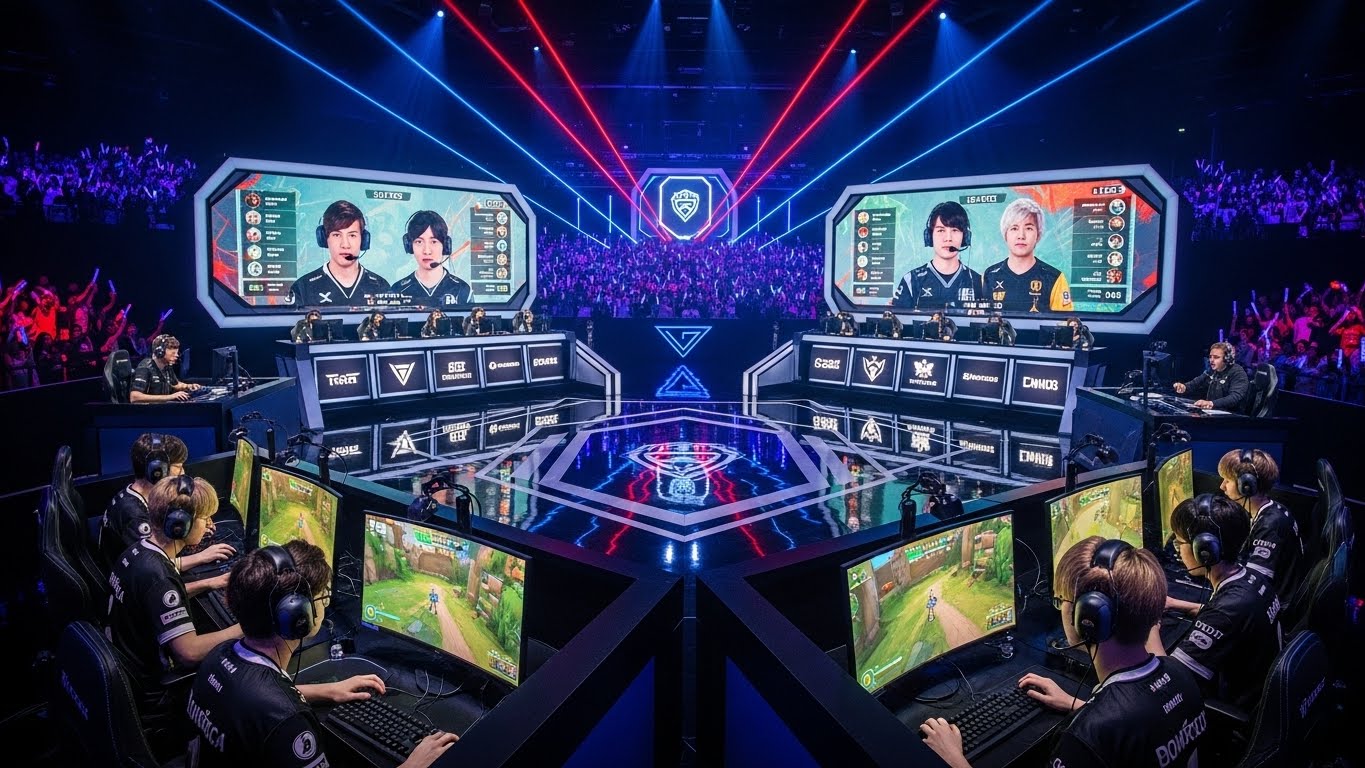
Professional esports players undergo rigorous training similar to traditional athletes. Daily practice sessions, strategy meetings, physical conditioning, and mental health management are all part of a professional gamer’s routine. This structured approach demonstrates that esports is not merely recreational but a highly demanding competitive field requiring dedication, focus, and discipline.
The Rise of Professional Esports
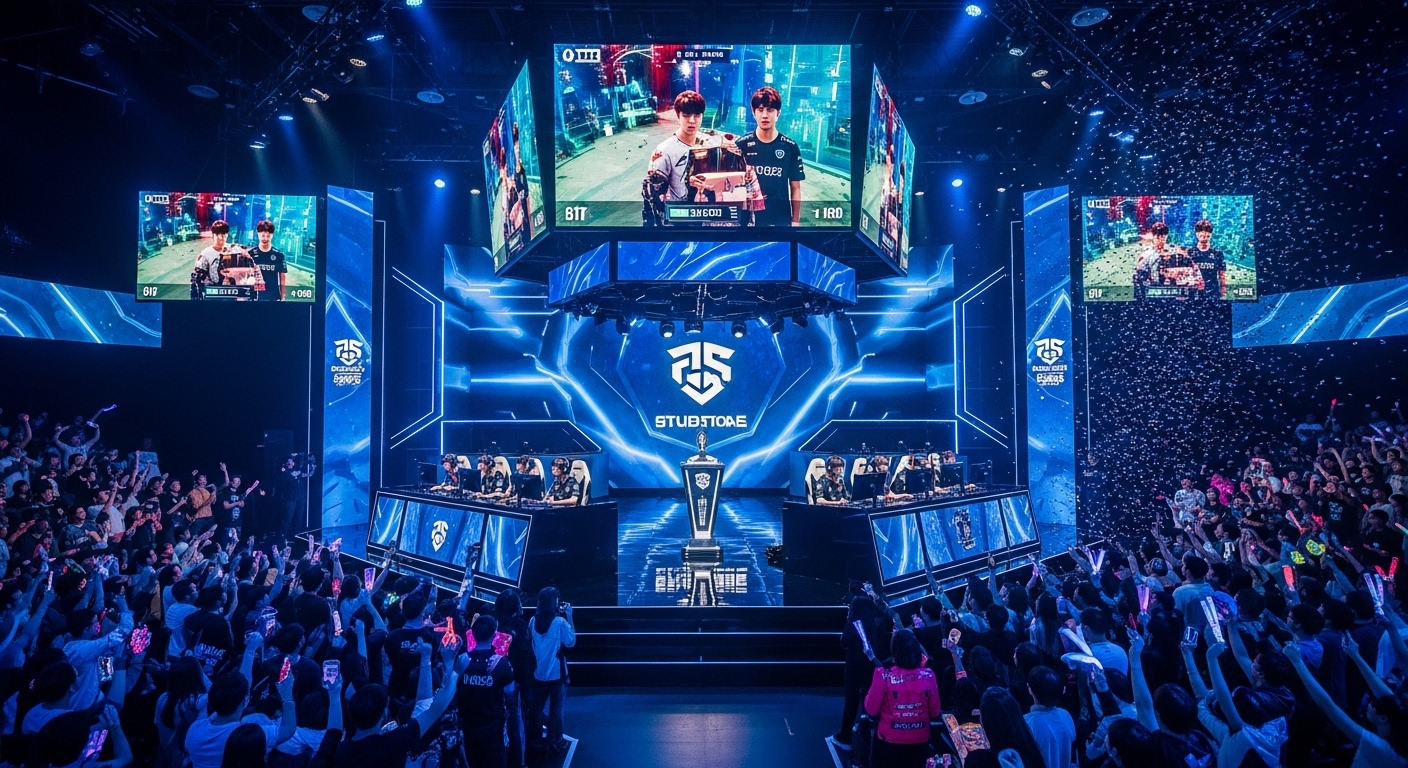
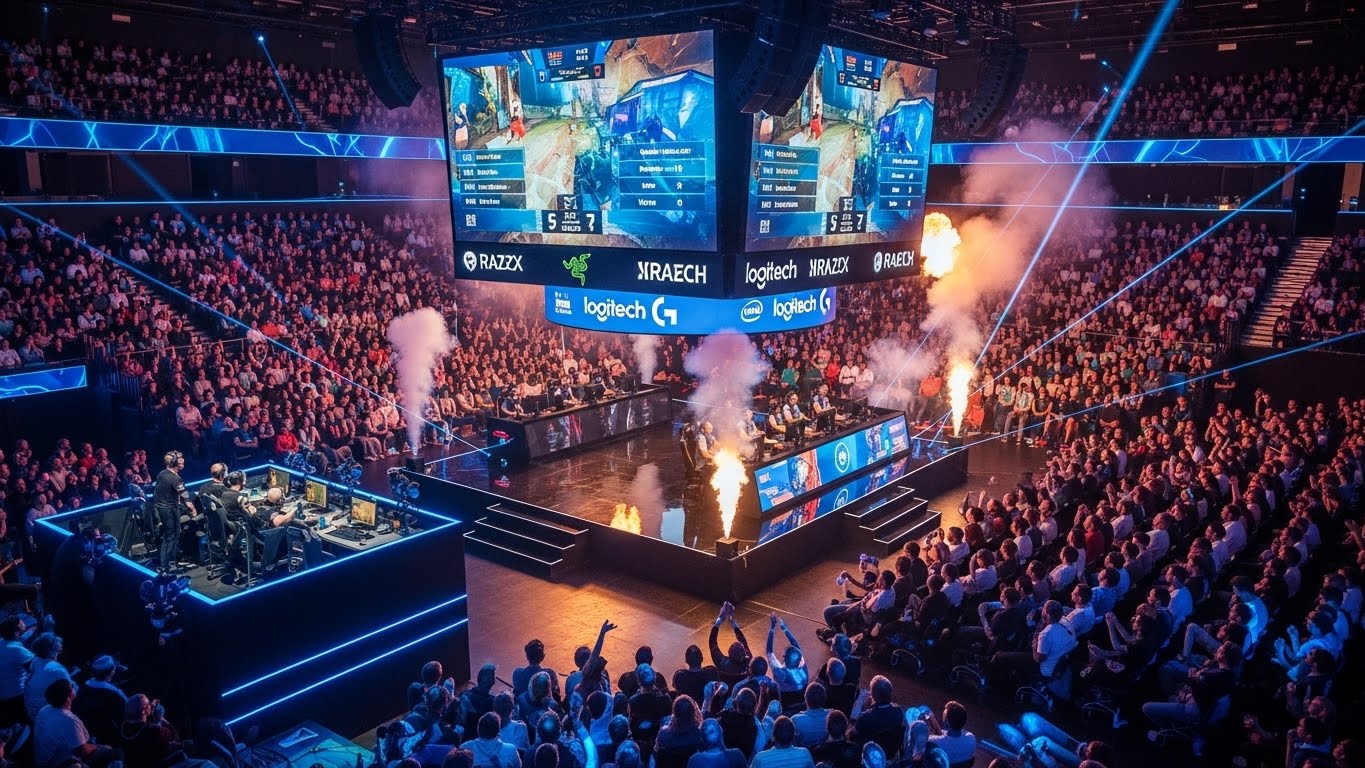
Professional esports has experienced exponential growth in recent years. Organizations such as T1, Cloud9, and FaZe Clan manage teams, coaches, and support staff just like conventional sports franchises. Esports tournaments, including the League of Legends World Championship, The International for Dota 2, and the Fortnite World Cup, attract audiences in the millions. Some events are held in massive arenas with live audiences, while millions more watch through live-streaming platforms.
The rise of professional esports has also created career opportunities beyond playing. Roles such as commentators, analysts, coaches, event organizers, and content creators contribute to the ecosystem. These roles highlight the multifaceted nature of esports as a dynamic industry that extends far beyond gameplay itself.
The Economics of Esports
Esports is now a billion-dollar industry with a complex economic structure. Revenue streams include sponsorships, merchandise sales, tournament prize pools, broadcasting rights, and online streaming. Major companies invest heavily in esports to reach younger audiences, offering advertising opportunities and brand visibility.
Prize money in esports tournaments can be staggering. For example, The International, one of the largest esports tournaments for Dota 2, features prize pools exceeding tens of millions of dollars. These financial incentives have elevated esports from a casual pastime into a viable professional career, attracting players from around the world to compete at the highest level.
The Role of Technology in Esports
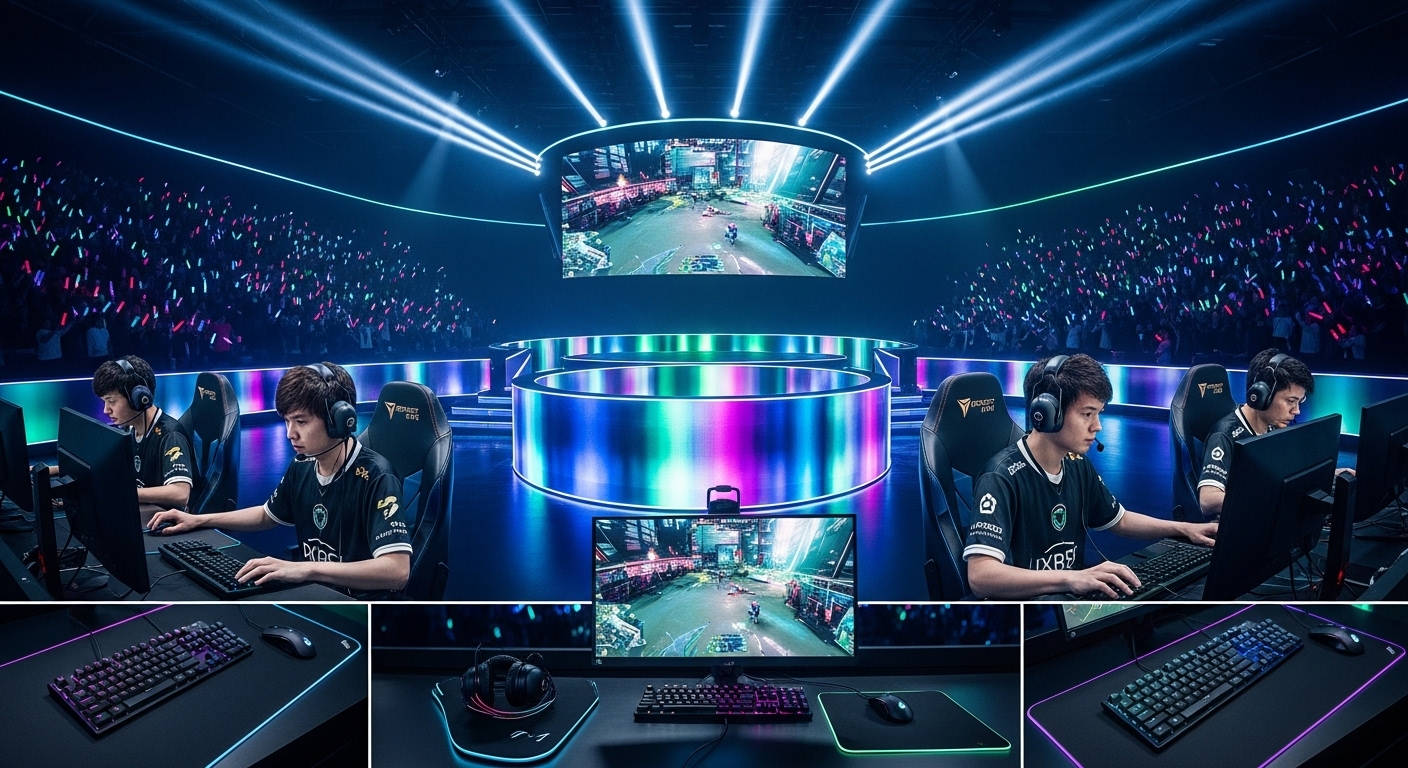
Technology is the backbone of esports. High-performance gaming computers, consoles, and peripherals enable players to perform at peak levels. Streaming platforms allow millions of fans to watch live events, creating a shared global experience. Advanced analytics tools help teams evaluate performance, devise strategies, and gain competitive advantages.
Virtual reality and augmented reality are beginning to influence esports as well, offering new ways to play and experience games. AI-driven coaching tools provide personalized training and analysis, further professionalizing the industry. In essence, esports and technology are inseparable, evolving together to push the limits of competitive gaming.
Mental and Physical Demands of Esports
Contrary to common misconceptions, esports is both mentally and physically demanding. High-level gaming requires intense concentration, quick reflexes, and complex strategic thinking. Players must maintain focus for hours at a time while making split-second decisions that could determine victory or defeat.
Physical health is also crucial. Long hours of practice can lead to repetitive strain injuries, eye strain, and posture-related issues. Professional teams increasingly prioritize physical fitness, nutrition, and mental health support to ensure players remain in optimal condition. This holistic approach demonstrates that esports requires both mind and body to perform at an elite level.
The Cultural Impact of Esports
Esports has created a vibrant global culture with its own identities, communities, and social norms. Fans participate in forums, live streams, and fan art, creating a sense of belonging and shared passion. Esports has also influenced mainstream entertainment, with professional players becoming celebrities and gaming references appearing in music, films, and fashion.
Moreover, esports promotes inclusivity. Unlike many traditional sports, esports allows participants of all genders, physical abilities, and backgrounds to compete on an equal playing field. Online connectivity has made it possible for communities from every corner of the world to interact, collaborate, and compete, fostering global unity through gaming.
Esports and Education
Esports is increasingly recognized as a valuable educational tool. Schools and universities have begun offering esports programs and scholarships, combining gaming with academic development. These programs teach teamwork, strategic thinking, communication skills, and digital literacy. Students gain experience in project management, leadership, and media production, preparing them for careers in gaming and technology.
Collegiate esports also provides pathways to professional careers. Talented players can transition from university teams to professional leagues, while other students can pursue roles in event management, game design, and broadcasting. Education and esports are intersecting in innovative ways that expand opportunities for young people.
Challenges in the Esports Industry
Despite its rapid growth, esports faces several challenges. The industry is still young, and regulatory standards are inconsistent across regions. Issues such as player burnout, mental health concerns, cheating, and gambling-related risks require ongoing attention. Additionally, gender disparities and the need for diversity remain significant challenges in certain esports communities.
Maintaining a sustainable ecosystem requires collaboration between organizations, players, and governing bodies. Establishing ethical standards, ensuring fair competition, and promoting inclusivity are essential for the long-term success of esports.
The Future of Esports
The future of esports is full of possibilities. As technology continues to advance, esports may expand into new forms of immersive competition, including virtual reality, augmented reality, and AI-driven games. Global viewership is likely to grow, and new tournaments and leagues will continue to attract audiences and sponsorships.
Esports is also likely to integrate further with traditional sports. Many sports organizations are investing in esports divisions, creating crossovers between physical and digital competitions. This convergence signals a future where gaming and traditional athletics coexist, offering fans more diverse ways to engage with competition.
Conclusion
Esports is more than a trend—it is a transformative cultural and economic force. From humble beginnings in arcades and home computers, it has grown into a global phenomenon that blends technology, competition, and entertainment. Professional players, teams, and organizations demonstrate discipline, skill, and resilience akin to traditional athletes, while fans create vibrant communities and cultural movements around their favorite games.
The impact of esports reaches far beyond the gaming screen. It offers educational opportunities, career pathways, and social engagement while challenging traditional notions of sports and competition. As technology continues to evolve and global interest grows, esports is poised to become an enduring pillar of modern entertainment and culture.
In every tournament, every strategy executed, and every fan cheered, esports continues to redefine the boundaries of what it means to compete, connect, and celebrate human potential in a digital age. The digital arena is no longer just a space for play—it is a stage for talent, innovation, and a global community united by the love of gaming.