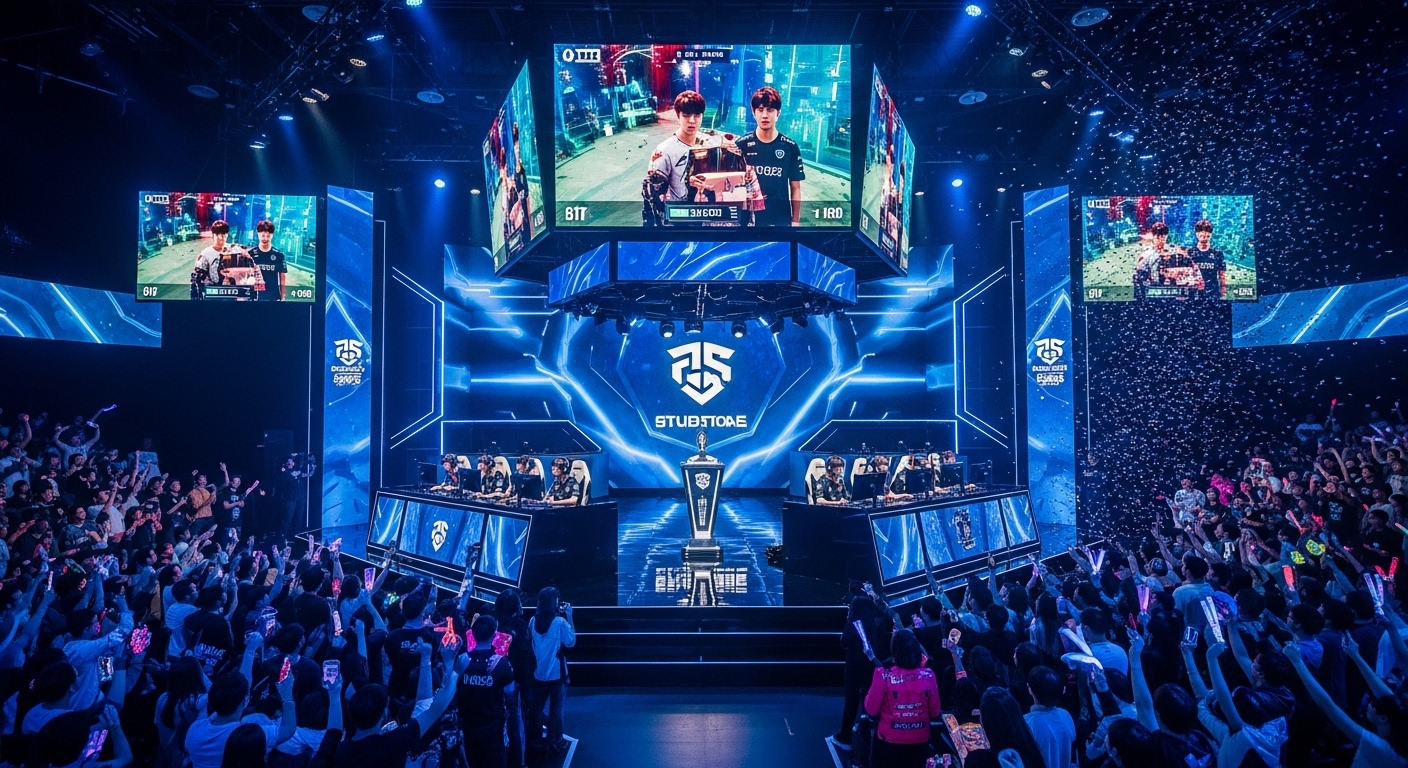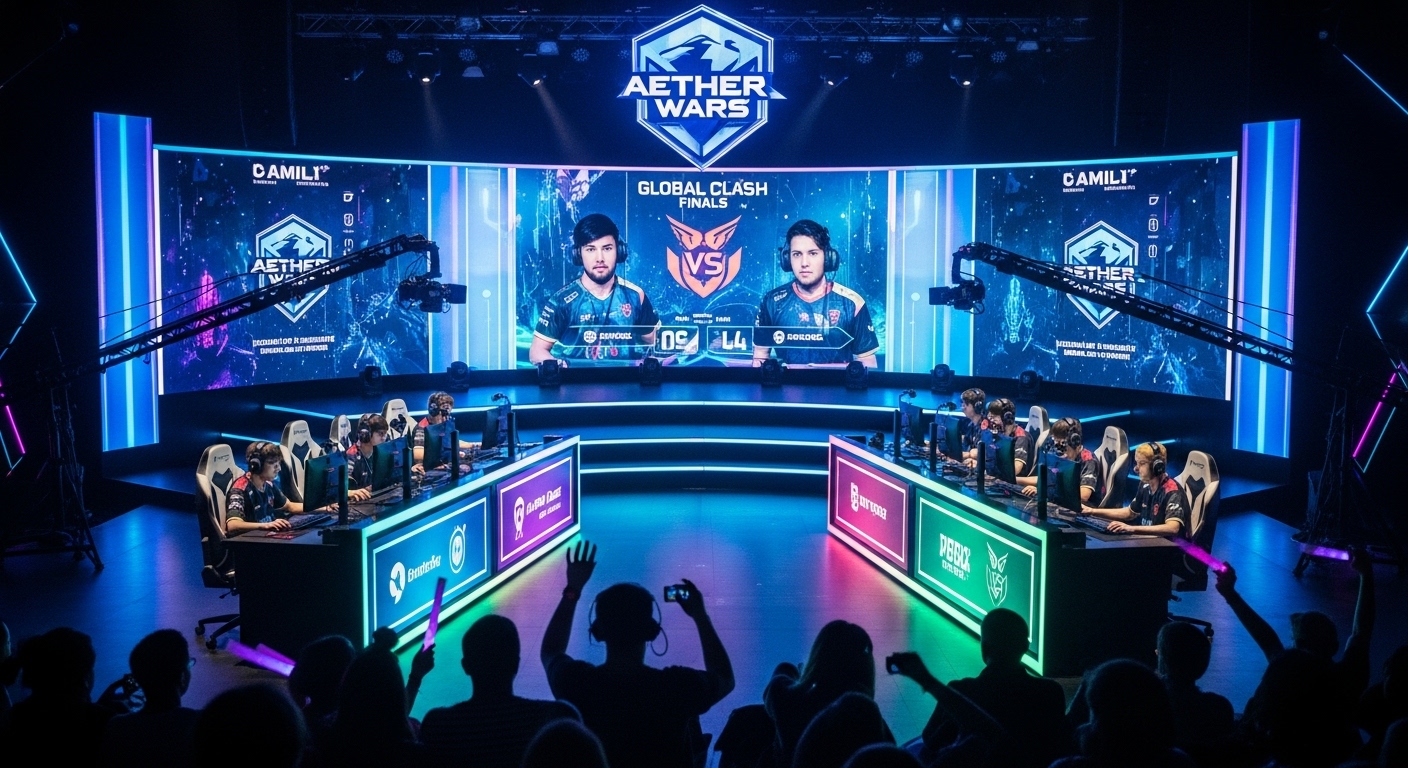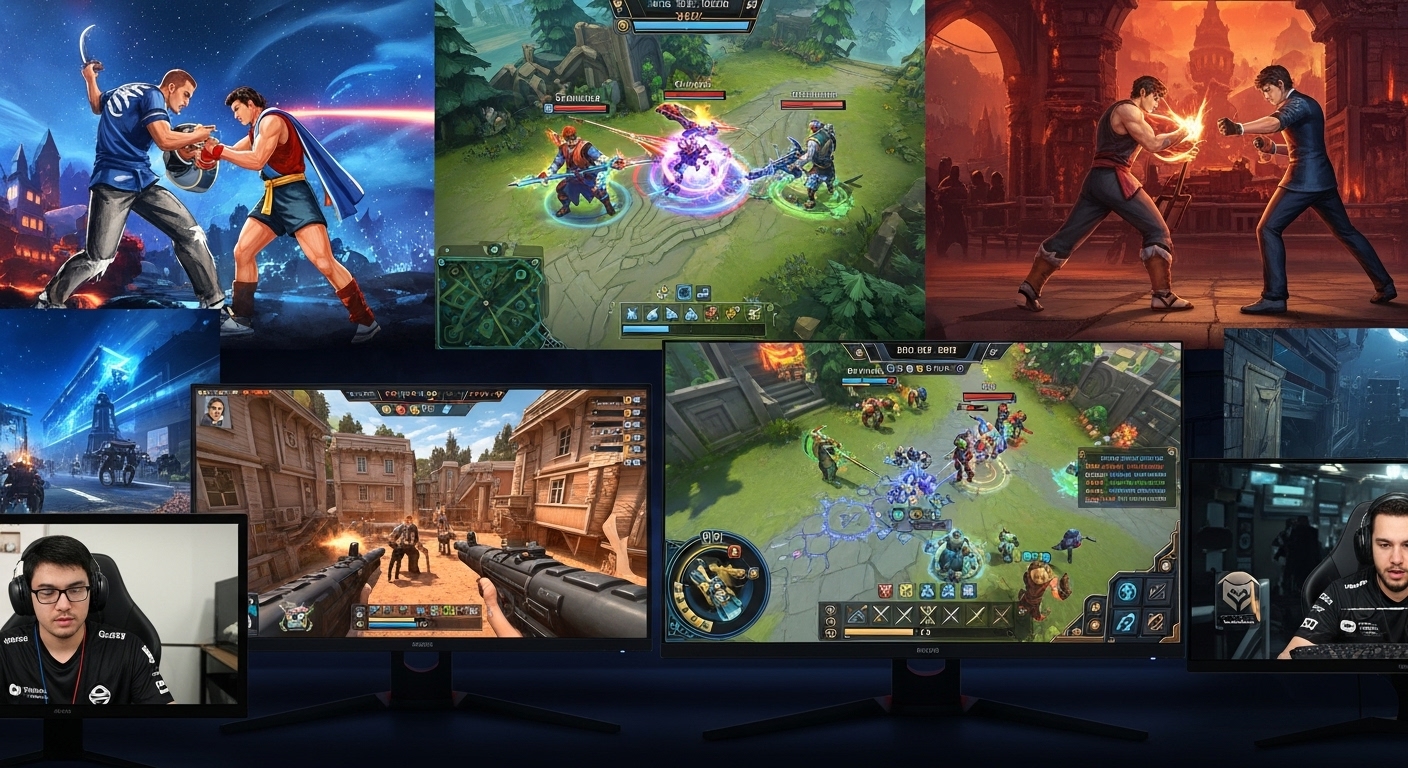
Esports, once considered a niche hobby, has transformed into a global phenomenon, attracting millions of fans and professional players worldwide. Competitive gaming now rivals traditional sports in viewership, sponsorship, and influence. This blog explores the world of esports, its growth, and why it has become a defining aspect of modern entertainment.
The Evolution of Esports
The concept of competitive gaming dates back decades, with arcade competitions and early video game tournaments. However, the rise of high-speed internet and streaming platforms in the 2000s accelerated esports into mainstream culture. Today, professional esports leagues host global tournaments with multi-million-dollar prize pools, drawing players and audiences from every corner of the world. The evolution of esports reflects both technological advancement and the increasing popularity of interactive entertainment.
Popular Esports Games
Esports spans a variety of game genres, each offering unique competitive experiences:
- Multiplayer Online Battle Arenas (MOBAs): Games like League of Legends and Dota 2 emphasize strategy, teamwork, and quick decision-making.
- First-Person Shooters (FPS): Titles such as Counter-Strike and Call of Duty test reflexes, accuracy, and tactical thinking.
- Battle Royale Games: Fortnite and PUBG offer high-stakes survival gameplay that combines skill and strategy.
- Sports Simulation Games: FIFA and NBA 2K bring real-world sports to the digital arena, allowing players to compete virtually.
Each game has its own competitive scene, rules, and dedicated fan base, creating a diverse and vibrant esports ecosystem.
The Social Impact of Esports
Esports is more than just competition; it is a social movement. Online communities, forums, and live streams connect players and fans, fostering collaboration and camaraderie. Professional tournaments often bring together global audiences, creating shared experiences and cultural events. Esports has also opened pathways for careers in streaming, coaching, event management, and game development, showing that gaming can be a legitimate profession.
Skills Developed Through Esports
Competitive gaming hones a wide range of skills beyond hand-eye coordination. Players develop strategic thinking, teamwork, and problem-solving abilities. Communication and leadership are essential in team-based games, while quick decision-making under pressure is vital across all genres. For many, esports also teaches perseverance, discipline, and the importance of practice, reflecting the mindset required in traditional sports.
The Future of Esports
The future of esports looks promising and dynamic. Technological advancements such as virtual reality and augmented reality may redefine gameplay and fan engagement. Mobile esports is rapidly expanding, making competitive gaming accessible to more people. Moreover, educational institutions and organizations are beginning to recognize esports as a legitimate field, offering scholarships, programs, and career pathways. The growing professionalism and global reach suggest that esports will continue to thrive as both entertainment and sport.
Conclusion
Esports has evolved from a niche hobby into a global cultural phenomenon, blending technology, entertainment, and competition. It offers opportunities for players, fans, and the industry alike, while also shaping new forms of social interaction and professional careers. As esports continues to grow, it will not only redefine gaming but also challenge traditional ideas of sport, competition, and entertainment.