Introduction: The Rise of a Digital Arena
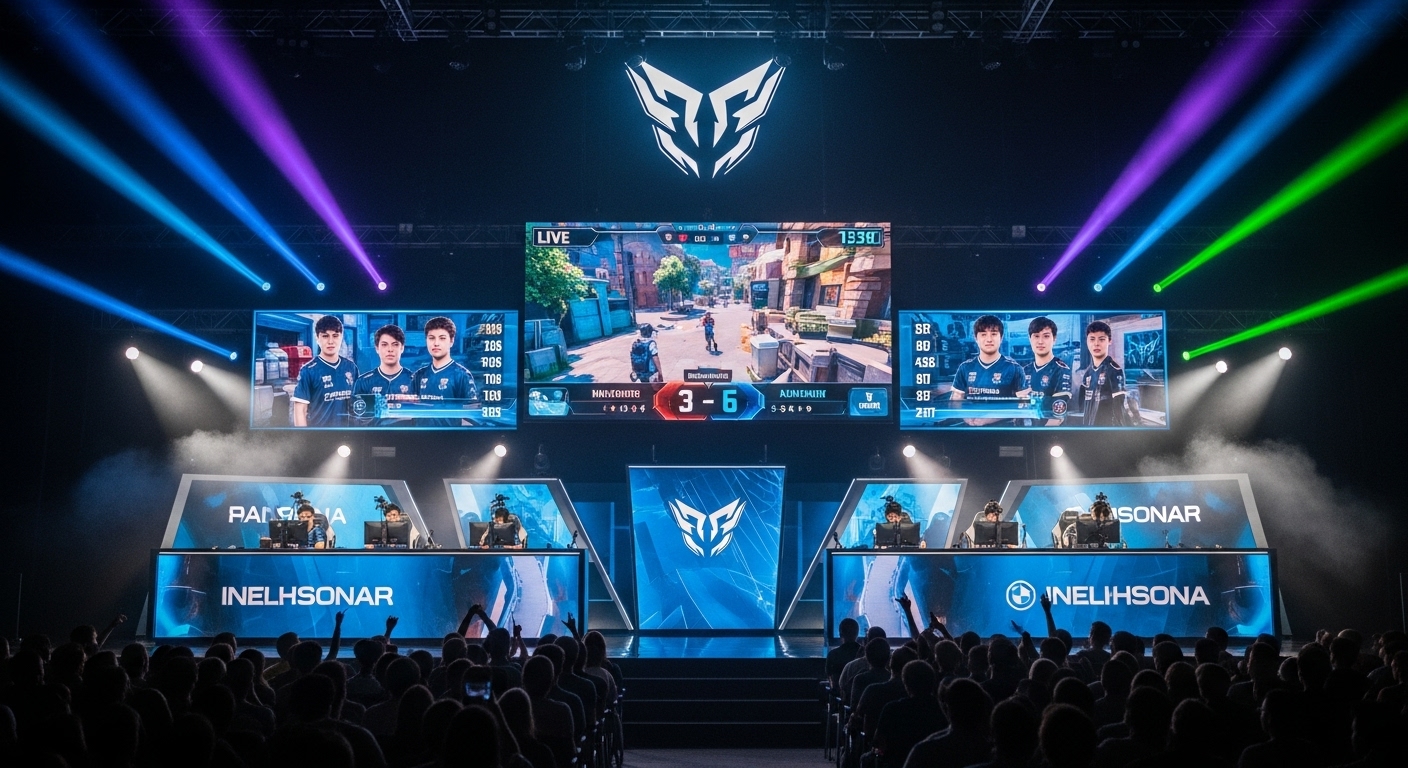
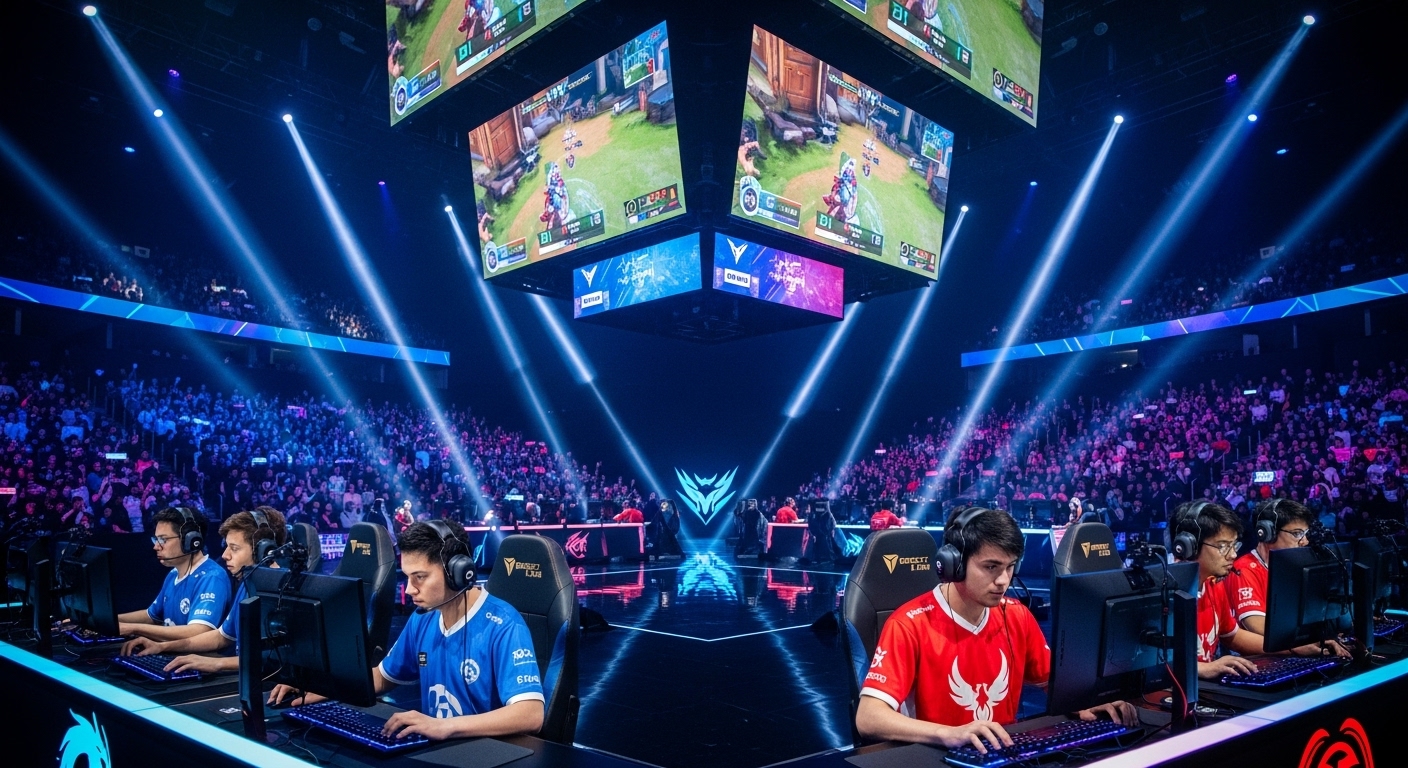
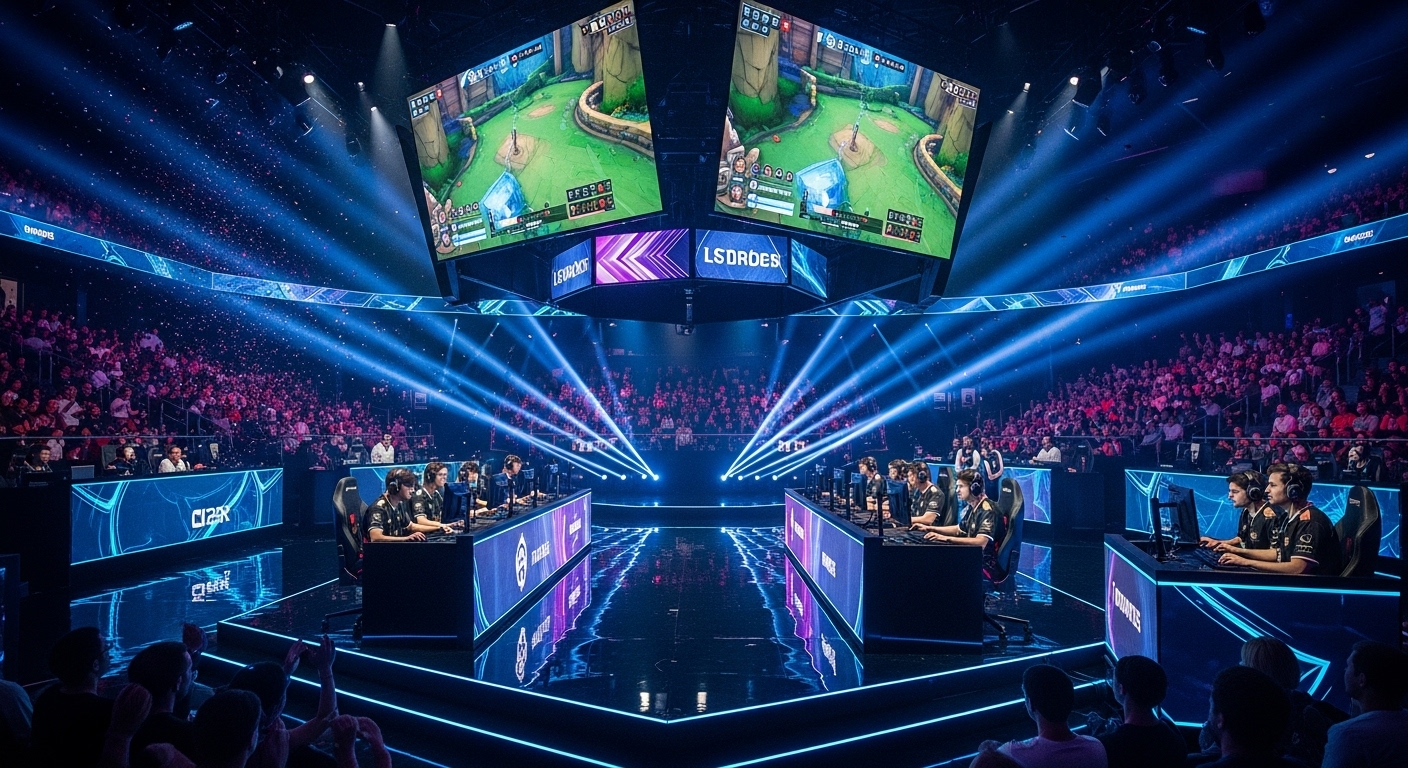
Once seen as just a niche hobby for gamers in dimly lit basements, esports has exploded into a global phenomenon. From massive tournaments filling arenas to college scholarships being offered for gaming prowess, competitive video gaming has firmly staked its claim as a legitimate and rapidly growing industry. But how did it happen, and why is esports more than just entertainment?
What is Esports?
Esports, short for electronic sports, refers to organized, competitive video gaming. These competitions span a wide range of games—first-person shooters, strategy games, sports simulations, and multiplayer online battle arenas. Players, often grouped into professional teams, train rigorously, just like athletes in traditional sports, to compete in tournaments watched by millions.
The Numbers Behind the Hype
The growth of esports is not just cultural—it’s economic. Global revenue from esports has reached billions, with projections continuing to rise. Sponsorship deals, media rights, merchandise, ticket sales, and advertising contribute to this surge. Popular events like world championships in League of Legends or Dota 2 boast prize pools that rival those of the biggest traditional sports events.
Why Esports Captures the Masses
What draws people to esports? First, it’s accessible. Anyone with an internet connection and a gaming device can watch or participate. Unlike traditional sports, there’s no need for a field or expensive gear. Esports also connects with younger audiences more naturally through streaming platforms where players and fans interact directly.
The Professional Esports Player Lifestyle
Being a pro gamer is more than just playing for fun. Top-tier players follow strict training routines, including hours of daily practice, reviewing past games, studying strategies, and even maintaining physical and mental health. Many teams hire coaches, analysts, nutritionists, and psychologists to keep players at peak performance.
Esports in Education and Careers
Schools and universities are embracing esports. Many now offer scholarships to top players and even have varsity teams. Esports also creates new career paths—not just for players, but for shoutcasters (esports commentators), event managers, content creators, coaches, marketers, and game developers.
Cultural Impact and Recognition
Esports has influenced pop culture, fashion, and even music. Top players have become celebrities, and major brands collaborate with teams for exclusive product lines. Traditional sports figures and celebrities have begun investing in esports organizations, further blurring the lines between digital and traditional entertainment.
Challenges and Controversies
Like any rapidly growing industry, esports faces challenges. Issues such as burnout, mental health, cheating, and lack of regulation in some regions raise concerns. There are also debates over inclusivity and representation, particularly the underrepresentation of women and marginalized communities in the professional scene.
The Future of Esports
Looking ahead, esports shows no signs of slowing down. With advancements in virtual reality, 5G technology, and cloud gaming, the experience will only become more immersive. As mainstream recognition grows, esports could one day be part of the Olympic Games or develop its own global league structure rivaling football or basketball.
Conclusion: More Than Just a Game
Esports has evolved from living rooms and internet cafés into a multi-billion dollar industry influencing global culture. It’s not just about playing games—it’s about passion, community, competition, and innovation. As technology advances and audiences grow, esports is set to redefine the boundaries of sport and entertainment in the 21st century.