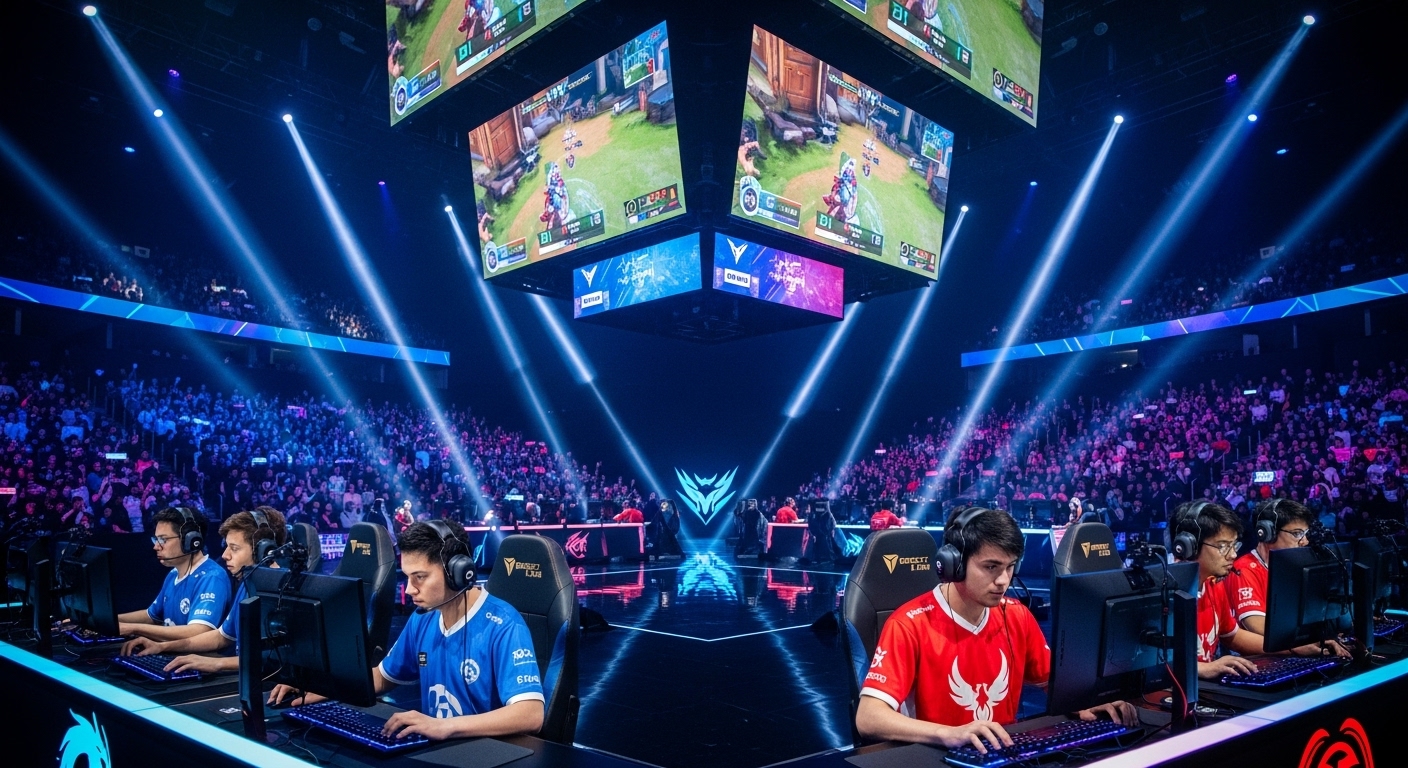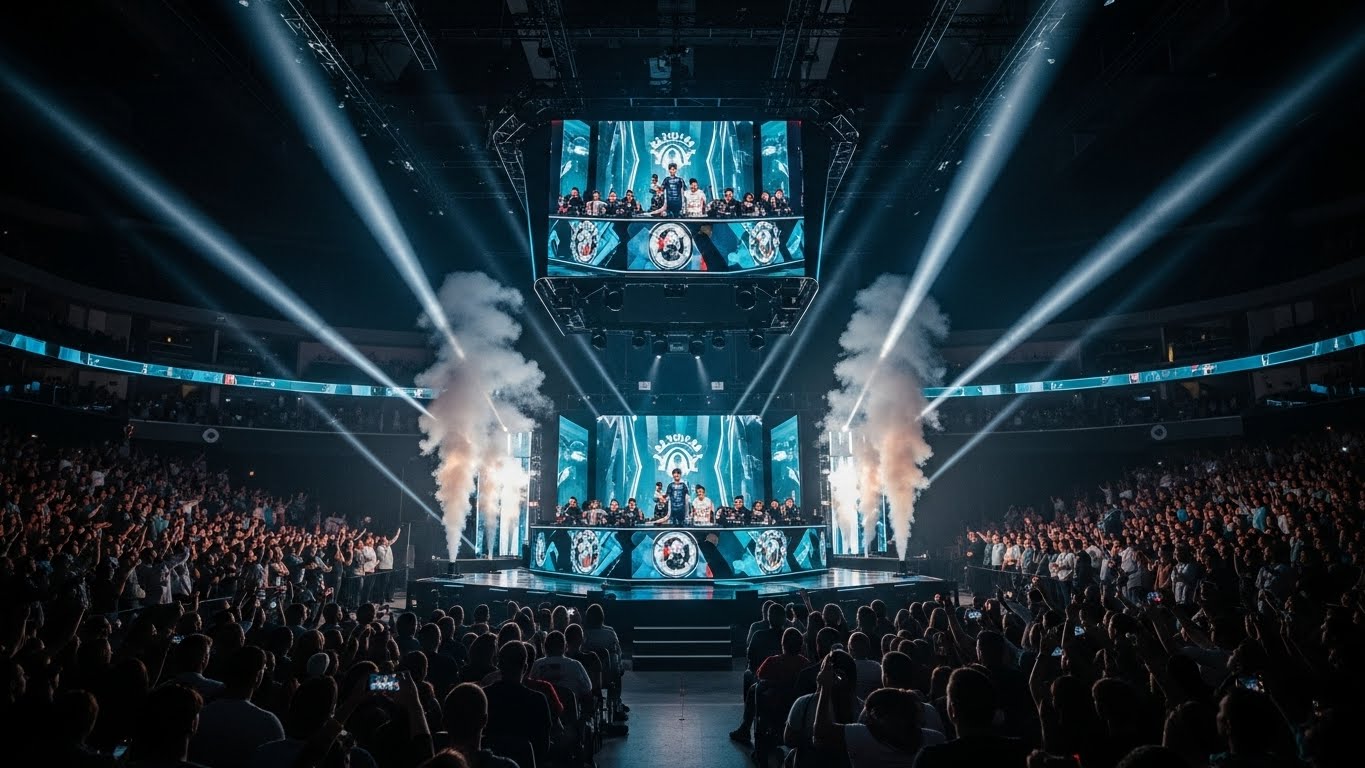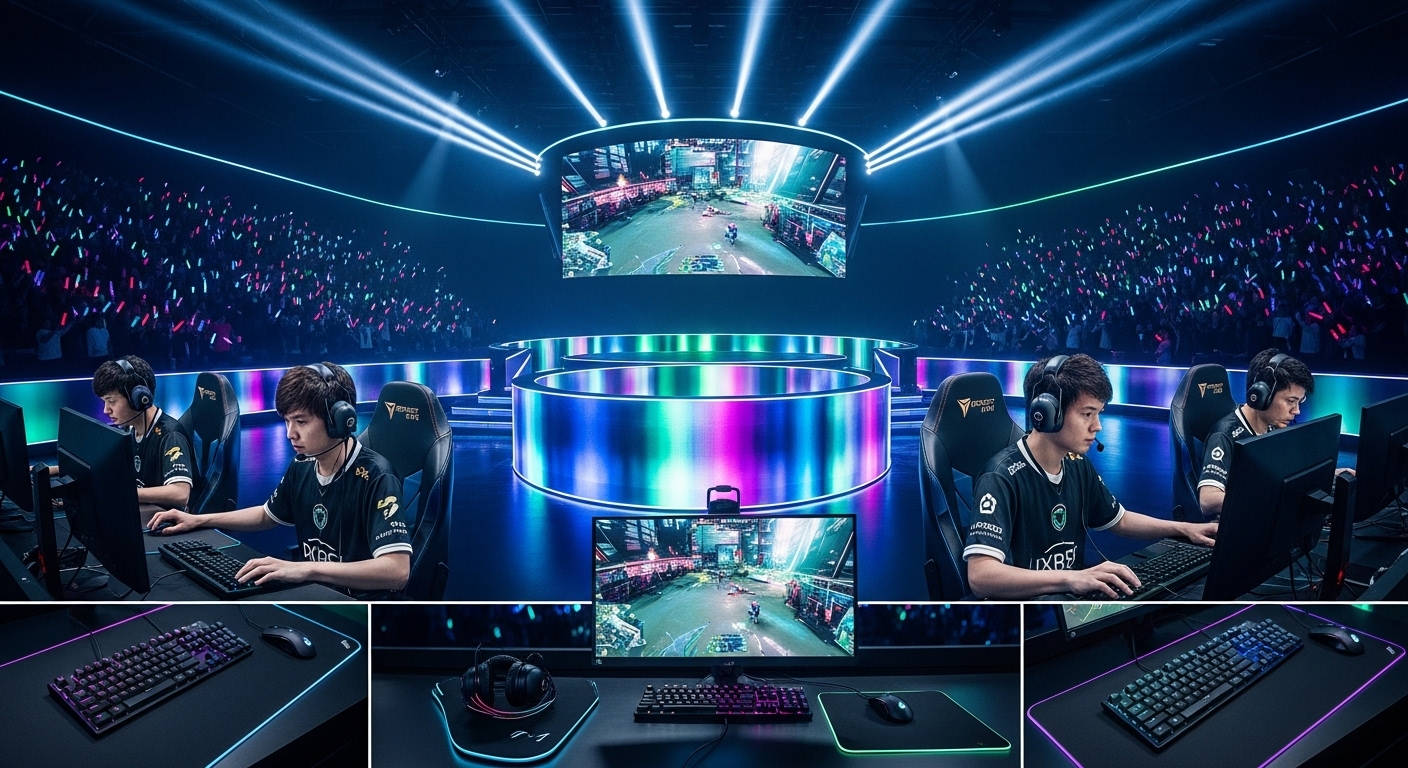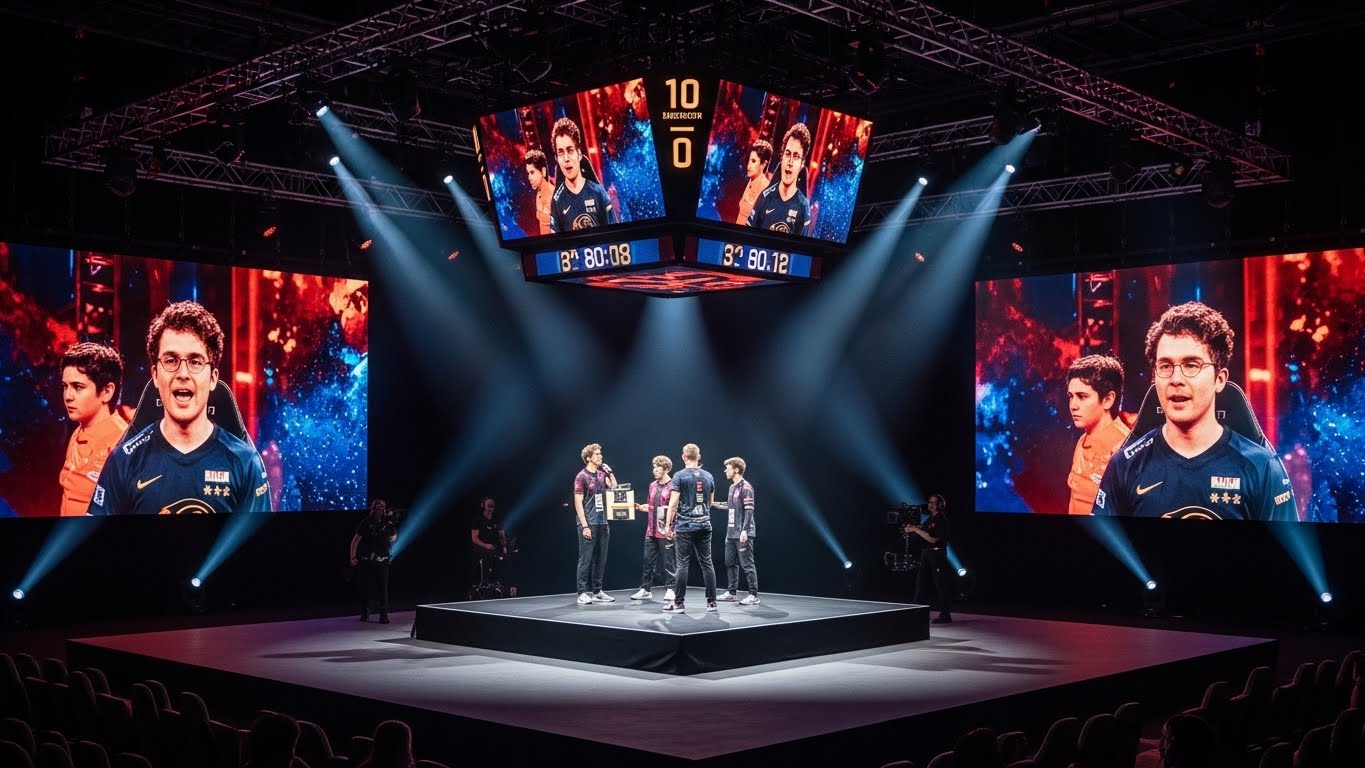
Esports has rapidly emerged as one of the most influential forms of entertainment in the modern world. What once began as casual gaming among friends has transformed into a global competitive industry with professional players, massive tournaments, dedicated fan bases, and cultural relevance that rivals traditional sports. Esports is not simply about video games; it represents a new era of competition driven by technology, strategy, and digital connectivity. As society becomes increasingly connected through screens and networks, esports continues to redefine how people play, watch, and understand competition.
The Early Foundations of Competitive Gaming
The concept of competitive gaming existed long before the term esports became popular. In the early days of video games, players competed for high scores in arcades, often drawing crowds eager to watch skilled gameplay. These informal competitions laid the groundwork for organized gaming events. As home consoles and personal computers became more accessible, multiplayer games introduced new possibilities for competition beyond physical locations.
The growth of the internet played a crucial role in shaping esports. Online multiplayer games allowed players from different regions to compete in real time, breaking geographical barriers. Gradually, organized tournaments, structured rules, and professional teams emerged, turning competitive gaming into a legitimate and organized pursuit. These early foundations paved the way for esports to grow into a global phenomenon.
Defining Esports in the Modern Era
Esports refers to organized, competitive video gaming where individuals or teams compete under standardized rules. Unlike traditional sports that rely primarily on physical strength, esports emphasizes mental agility, hand-eye coordination, strategic planning, and teamwork. Games vary widely in style, including strategy-based games, shooting games, sports simulations, and battle-focused team competitions.
What defines modern esports is its professionalism. Players train extensively, analyze gameplay footage, develop strategies, and work closely with coaches and analysts. Competitive integrity, structured leagues, and international tournaments have elevated esports from entertainment to a recognized form of competition that demands dedication and discipline.
The Professional Esports Ecosystem
The esports ecosystem is complex and multifaceted. Professional teams operate similarly to traditional sports organizations, employing players, coaches, analysts, psychologists, and support staff. These teams compete in leagues and tournaments across the world, often representing brands, cities, or organizations.
Tournaments are the centerpiece of esports, bringing together the best teams and players to compete for titles, recognition, and prize money. These events attract millions of viewers who follow matches live or watch recorded broadcasts. The structure of professional esports demonstrates that competitive gaming is not a casual activity but a highly organized industry built on performance and consistency.
Training, Skill, and Discipline
Becoming a professional esports player requires more than natural talent. Players dedicate countless hours to practice, refining their skills and understanding game mechanics at a deep level. Training often includes individual practice, team coordination sessions, and strategic planning meetings. Reaction time, accuracy, and decision-making under pressure are constantly tested and improved.
Discipline plays a major role in long-term success. Professional players must manage their schedules, maintain focus, and adapt to evolving game updates and strategies. This commitment mirrors the dedication seen in traditional athletes and highlights the seriousness of esports as a competitive discipline.
Mental and Physical Demands of Esports
Esports places intense demands on the mind. Players must remain focused for extended periods, process large amounts of information quickly, and make critical decisions in seconds. Mental fatigue, stress, and performance pressure are common challenges, particularly during high-stakes competitions.
Physical health is also an important consideration. Long hours of gameplay can strain the eyes, hands, and posture. To address this, many professional teams emphasize physical exercise, proper ergonomics, and healthy routines. Mental health support is increasingly recognized as essential, helping players cope with stress, burnout, and the emotional highs and lows of competition.
The Global Audience and Fan Culture
One of the most remarkable aspects of esports is its global audience. Fans from different countries, cultures, and backgrounds come together to support their favorite teams and players. Esports communities thrive through shared experiences, discussions, and celebrations of memorable moments.
Fan culture in esports is highly interactive. Viewers engage in real-time conversations, analyze strategies, and form strong connections with players. This level of interaction creates a sense of belonging and loyalty, making esports not just a spectator activity but a participatory experience that strengthens community bonds.
Economic Growth and Career Opportunities
The economic impact of esports continues to expand. Revenue is generated through sponsorships, advertising, merchandise, media rights, and event ticket sales. This growth has attracted investment from major brands and organizations seeking to connect with younger, digitally engaged audiences.
Esports has also created a wide range of career opportunities. Beyond professional players, the industry employs commentators, event managers, graphic designers, video editors, marketers, and software developers. These roles demonstrate that esports supports a diverse workforce and contributes significantly to the digital economy.
Esports and Education
Educational institutions are increasingly recognizing the value of esports. Schools and universities have introduced esports programs that combine gaming with learning outcomes such as teamwork, leadership, and strategic thinking. These programs encourage responsible gaming while developing transferable skills useful in many professional fields.
Esports in education also promotes inclusivity. Students who may not participate in traditional sports can still engage in competitive activities, fostering confidence and collaboration. By blending education with esports, institutions are preparing students for careers in technology, media, and digital industries.
Inclusivity and Accessibility in Esports
Esports has the potential to be one of the most inclusive forms of competition. Physical limitations that may restrict participation in traditional sports often do not apply in gaming. Players of different genders, abilities, and backgrounds can compete on equal footing based on skill and strategy.
However, challenges remain. Issues such as representation, online toxicity, and unequal opportunities still exist within the esports community. Addressing these challenges requires ongoing efforts to promote respect, diversity, and safe environments. When inclusivity is prioritized, esports can truly reflect its global and diverse audience.
Challenges Facing the Esports Industry
Despite its success, esports faces several challenges. Rapid growth has sometimes outpaced regulation, leading to inconsistencies in player contracts, tournament standards, and competitive rules. Player burnout and short career spans are also concerns, emphasizing the need for better support systems.
Maintaining competitive integrity is another challenge. Fair play, transparency, and ethical conduct are essential to preserving trust among players and fans. As the industry matures, addressing these issues will be critical to ensuring long-term stability and credibility.
The Future of Competitive Gaming
The future of esports is filled with opportunity and innovation. Advances in technology will continue to enhance gameplay, viewing experiences, and training methods. As digital infrastructure improves worldwide, esports will reach even broader audiences and foster new forms of competition.
Esports is also likely to continue blending with mainstream culture. Collaborations with entertainment, fashion, and traditional sports are becoming more common, signaling a future where esports stands as an equal pillar in the global sports and entertainment landscape.
Conclusion
Esports represents a powerful shift in how competition is defined and experienced. It combines technology, skill, and community in ways that reflect the digital age. From its humble beginnings to its current global presence, esports has proven that competitive gaming is not a trend but a lasting cultural force.
As esports continues to grow, it will shape new careers, inspire new generations, and redefine the boundaries of sport and entertainment. The digital arena has become a stage for excellence, creativity, and connection, demonstrating that competition is no longer limited to physical spaces. Esports stands as a testament to human adaptability and innovation, showing how passion and skill can thrive in a rapidly evolving world.