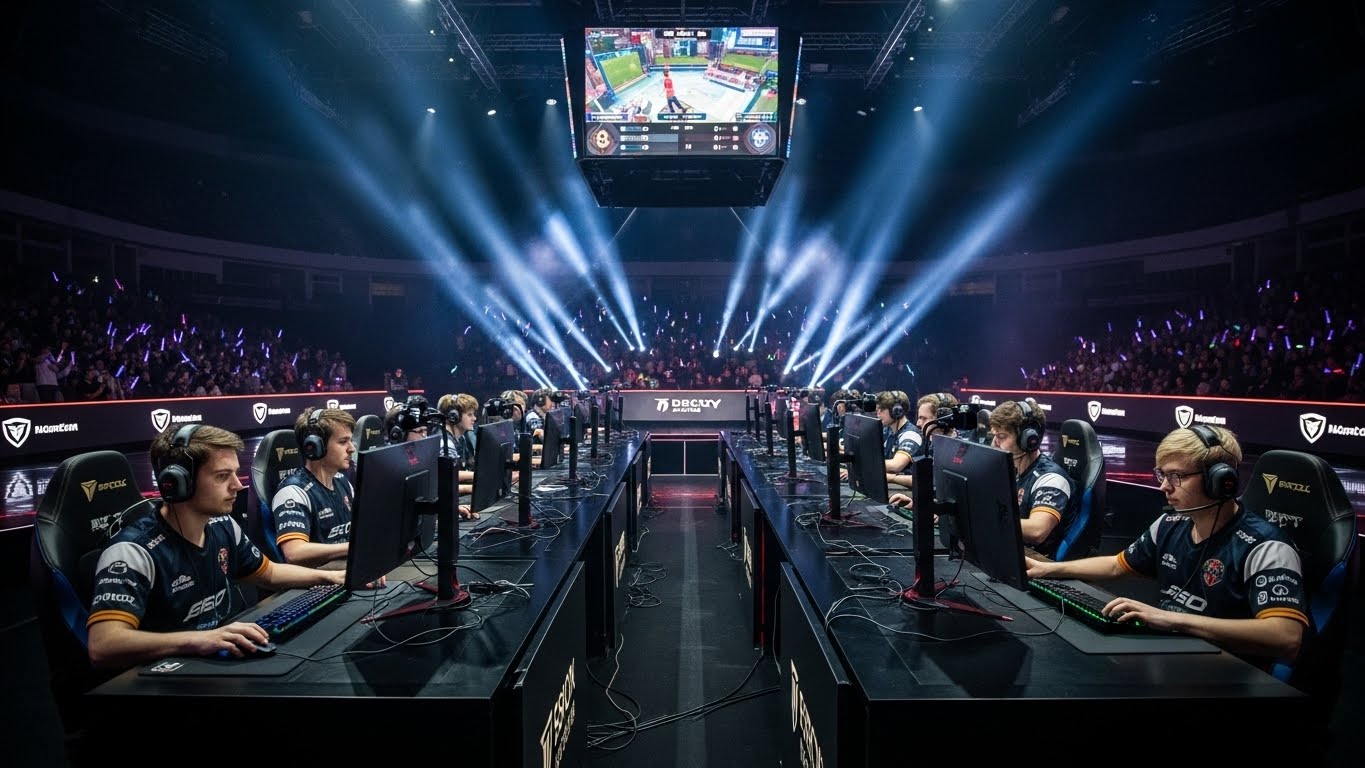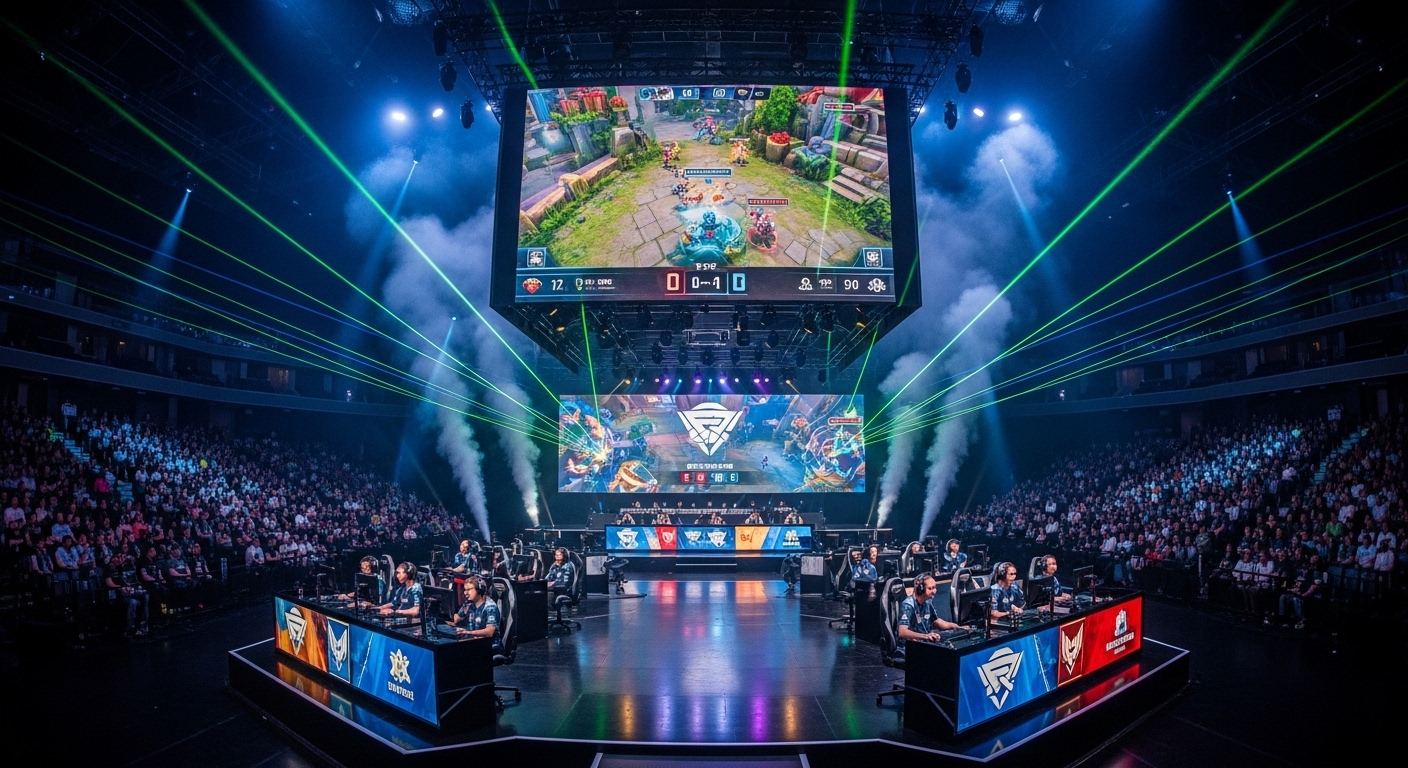
Introduction to the World of Sports
Sports are one of the most influential aspects of human life, shaping individuals, communities, and even nations. They provide entertainment, promote health, and foster values such as discipline, teamwork, and perseverance. From informal neighborhood games to professional leagues watched by millions worldwide, sports have a universal appeal that transcends age, culture, and geography.
The significance of sports is not limited to physical activity. They inspire passion, encourage social connections, and even influence global economies. In the modern era, sports have evolved into a multi-billion-dollar industry encompassing live events, media broadcasting, merchandise, and digital platforms. The universal nature of sports lies in their ability to bring people together, evoke emotions, and create a shared sense of identity.
The Historical Evolution of Sports
Sports have a rich and varied history. Ancient civilizations like Greece, Rome, and China hosted athletic competitions that celebrated strength, skill, and endurance. The Olympic Games, originating in ancient Greece, were among the earliest organized competitions where athletes represented cities and nations, establishing sports as a platform for cultural expression and excellence.
During the Middle Ages, various forms of physical contests emerged across regions, from jousting and archery in Europe to martial arts in Asia. With the Industrial Revolution and urbanization, organized team sports such as football, cricket, and rugby gained popularity, becoming integral parts of modern culture.
The 20th and 21st centuries brought technological advancements, including television and digital streaming, which transformed sports into a global spectacle. Athletes became celebrities, stadiums turned into arenas of excitement, and international tournaments connected millions of fans worldwide.
Types of Sports and Their Distinct Appeal
Sports are diverse, offering unique challenges and experiences for participants and spectators alike. They can be broadly categorized into several types:
Team Sports
Team sports like football, basketball, volleyball, and cricket focus on cooperation, strategy, and collective effort. These games teach players to work together toward a common objective, emphasizing communication, leadership, and mutual trust. The thrill of scoring goals or winning championships unites players and fans alike.
Individual Sports
Individual sports, including tennis, athletics, swimming, and gymnastics, highlight personal skill, discipline, and mental resilience. Athletes in these disciplines face challenges that test their endurance, strategy, and ability to overcome pressure independently.
Combat and Martial Arts
Combat sports such as boxing, wrestling, judo, and taekwondo require technical skill, physical strength, and strategic thinking. They also instill discipline, respect, and mental fortitude, making them both a test of character and physical ability.
Racing and Motorsports
Racing sports, whether track running, cycling, or car racing, emphasize speed, precision, and focus. Competitors must combine skill with mental acuity to navigate challenges and emerge victorious. The adrenaline and unpredictability make these sports particularly thrilling for spectators.
Adventure and Outdoor Sports
Adventure sports like mountaineering, surfing, skiing, and hiking blend physical challenge with exploration. Participants experience nature’s beauty while testing their limits. These sports appeal to those who seek thrill, endurance, and connection with the environment.
Physical Benefits of Sports
One of the most obvious benefits of sports is the positive impact on physical health. Regular participation improves cardiovascular fitness, strengthens muscles, enhances flexibility, and boosts endurance. Sports also help maintain healthy body weight and reduce the risk of chronic illnesses such as heart disease, diabetes, and obesity.
For children and adolescents, sports encourage active lifestyles and improve motor skills, coordination, and physical confidence. Adults benefit by maintaining overall fitness, improving posture, and enhancing daily energy levels. Even watching sports can inspire physical activity and healthier habits among audiences.
Mental and Emotional Benefits of Sports
Sports do more than strengthen the body—they cultivate the mind and spirit. Participation reduces stress, anxiety, and depression by releasing endorphins, the body’s natural mood elevators. Athletes develop mental resilience, focus, and problem-solving skills that extend beyond the playing field.
Sports teach individuals to handle pressure, adapt to challenges, and accept both success and failure gracefully. Emotional intelligence grows through teamwork, competition, and collaboration. For young people, these lessons foster confidence, self-discipline, and positive social interactions, while adults benefit from stress relief, emotional balance, and personal satisfaction.
Sports as a Cultural and Social Connector
Sports act as a powerful cultural and social connector. International tournaments, local leagues, and community matches bring people together regardless of nationality, language, or social background. Sporting events create a sense of identity and collective pride, often uniting entire nations during major competitions.
Sports also serve as a platform for cultural exchange. Fans and athletes experience diverse traditions, customs, and languages through international competitions. Iconic athletes often become cultural ambassadors, inspiring younger generations and representing their countries on a global stage.
Economic Impact of Sports
The sports industry significantly contributes to global and local economies. Professional leagues, live events, broadcasting rights, sponsorships, and merchandise generate billions in revenue annually. Sporting events drive tourism, create jobs for athletes, coaches, event managers, and media professionals, and stimulate growth in hospitality and retail sectors.
Grassroots sports programs further impact economies by fostering talent development, community engagement, and infrastructure investment. The economic footprint of sports demonstrates their importance beyond recreation—they are drivers of employment, innovation, and national prosperity.
Technology and Innovation in Sports
Technology has revolutionized how sports are played, analyzed, and consumed. Training methods now incorporate wearable devices, motion sensors, and performance analytics, helping athletes optimize physical output and minimize injury risks.
Broadcasting and streaming technologies have made sports accessible to global audiences in real time, breaking geographical barriers. Instant replays, goal-line technology, and digital officiating tools ensure fair play and enhance spectator experience.
Emerging innovations such as virtual reality, augmented reality, and simulation-based training are poised to redefine athletic preparation and fan engagement. Digital platforms and smart stadiums promise more immersive and interactive experiences for both players and audiences.
Challenges Facing the Sports Industry
Despite its widespread benefits, sports face several challenges that must be addressed:
Athlete Health and Wellbeing
High-performance sports can lead to injuries, burnout, and mental health struggles. Balancing training intensity with recovery and support systems is critical for long-term athlete development.
Ethical and Fair Play Issues
Corruption, doping, and match-fixing undermine trust in sports. Ethical governance, transparency, and strict regulations are necessary to maintain integrity and credibility.
Accessibility and Inclusivity
Not all communities have equal access to sports facilities, coaching, or competitive opportunities. Expanding inclusion for women, differently-abled athletes, and underrepresented groups is essential for fair participation.
Financial Disparities
While professional leagues and elite athletes generate massive revenue, grassroots and amateur sports often lack resources. Addressing funding inequalities ensures that talent can emerge from all backgrounds.
The Future of Sports
The future of sports is dynamic and promising. Global participation continues to rise, driven by technology, youth engagement, and international collaboration. Innovations in training, fan interaction, and broadcasting are shaping new experiences for athletes and audiences alike.
Sports are becoming more inclusive, with growing opportunities for women, para-athletes, and youth from diverse communities. Sustainable practices in facility management, energy use, and event planning are becoming central to sports organizations, ensuring the environmental responsibility of the industry.
International competitions, digital platforms, and cross-cultural exchanges will continue to make sports a unifying force worldwide. The integration of technology will enhance training, performance, and fan engagement, making sports more immersive and accessible than ever.
Conclusion
Sports are far more than games—they are a reflection of human potential, culture, and societal values. They build strength, character, and resilience while fostering unity, cultural identity, and global understanding. From local playgrounds to massive international tournaments, sports inspire, entertain, and teach lessons that transcend the playing field.
The impact of sports on physical health, mental wellbeing, social cohesion, culture, and economy is undeniable. They are an integral part of modern life, shaping individual lives and global communities alike. As technology advances, participation grows, and societies embrace inclusivity, sports will continue to inspire future generations.
Ultimately, sports remind us of the power of effort, teamwork, and perseverance. They celebrate human achievement, nurture passion, and connect people around the world in a universal language of motion, skill, and spirit. The journey of sports is endless, ever-evolving, and profoundly transformative, reflecting the best of what humanity can achieve when driven by dedication, competition, and unity.