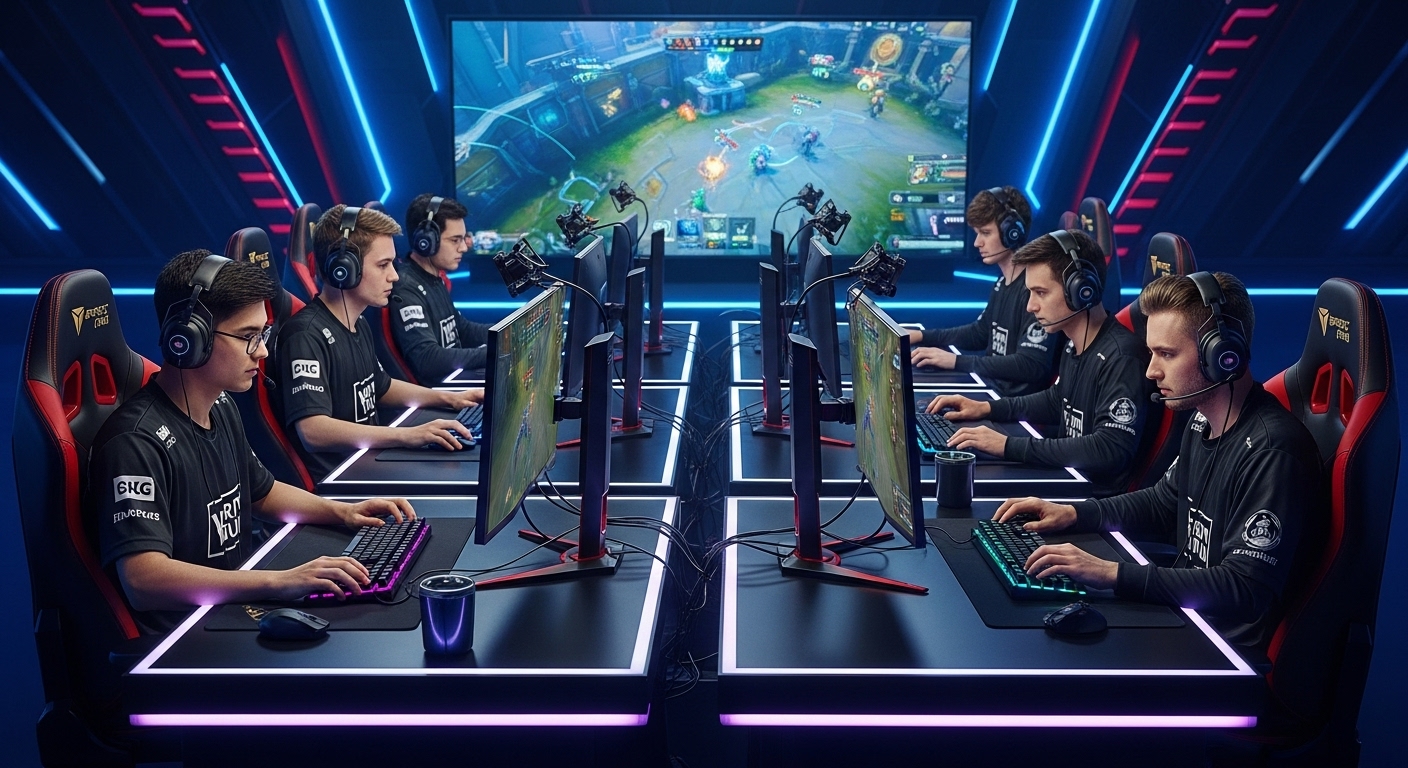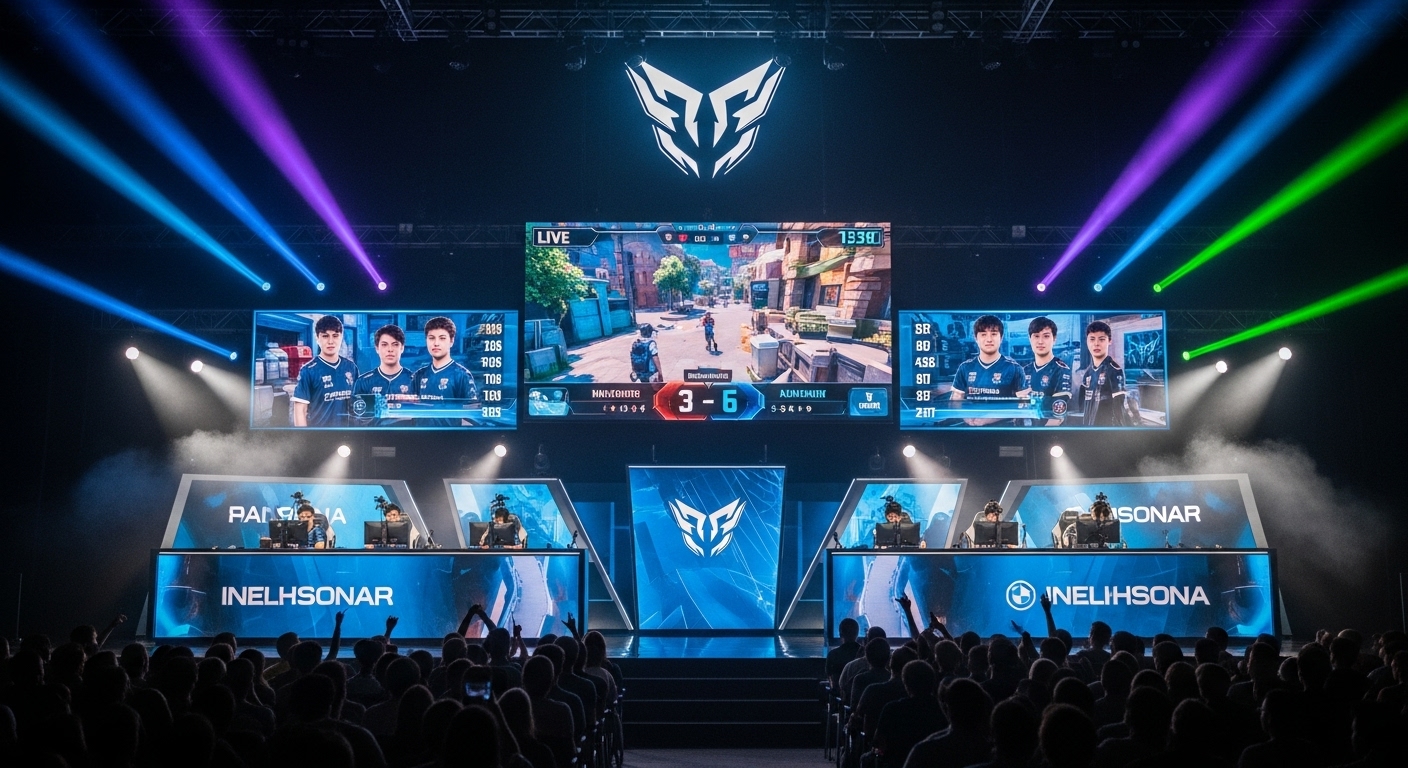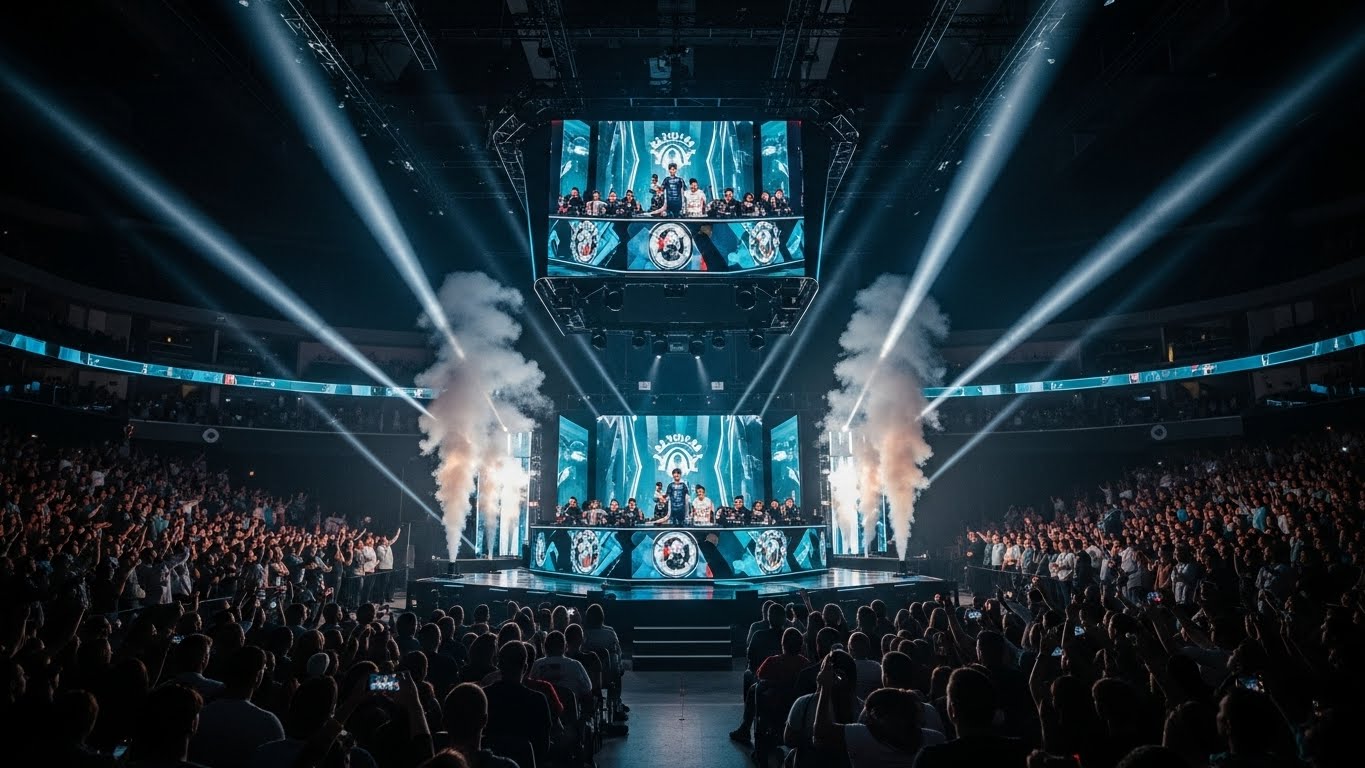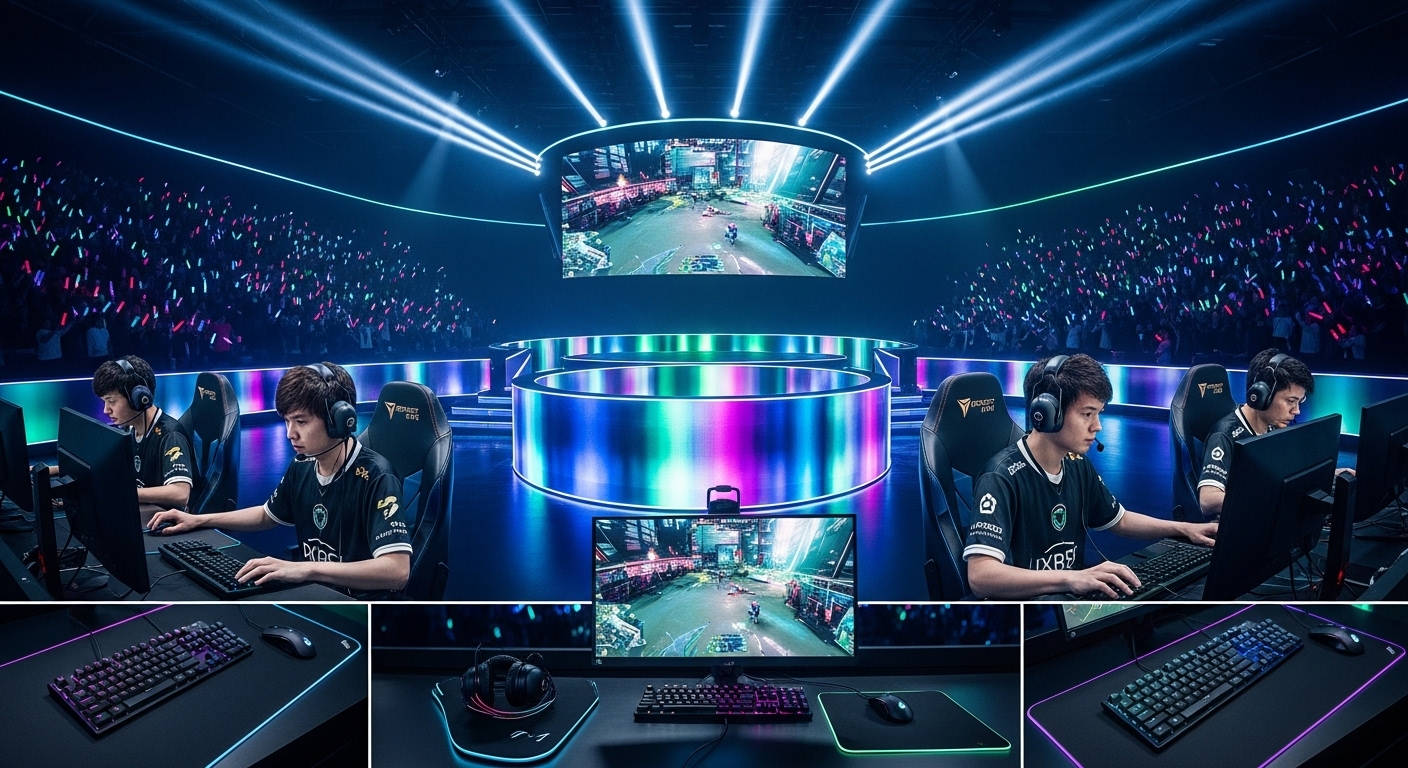
Esports, or electronic sports, has evolved from a niche pastime to one of the most significant and fast-growing industries in the world. From its humble beginnings as small, informal gaming tournaments to the massive, globally televised events we see today, esports has captivated millions of players, fans, and sponsors worldwide. In recent years, esports has achieved a level of recognition and legitimacy that rivals traditional sports, with professional players, leagues, and organizations, as well as multi-million-dollar prize pools and corporate sponsorships.
In this blog post, we will explore the rapid rise of esports, its impact on the gaming industry, the role of technology, the players and teams who define it, and what the future holds for this exciting and ever-expanding field.
The Origins of Esports: From Arcade Competitions to Global Tournaments
The history of esports dates back to the 1970s and 1980s, when video gaming first emerged as a form of competitive entertainment. The early days of competitive gaming were informal and localized, with players gathering in arcades to challenge each other for high scores. One of the earliest examples of competitive gaming was the Space Invaders Championship in 1980, which was organized by Atari and attracted thousands of participants.
The Rise of LAN Parties: In the 1990s, gaming began to shift from single-player experiences to multiplayer ones. This was made possible by the development of local area network (LAN) parties, where players would connect their computers together to compete in games like Quake, StarCraft, and Warcraft. These LAN parties allowed gamers to compete in real-time against others, providing the foundation for the larger esports events that would come later.
During this time, the concept of organized tournaments began to take shape. One of the first major esports events was the Red Annihilation tournament in 1997, which was held for the game Quake. The tournament, which was won by Dennis “Thresh” Fong, marked a significant moment in competitive gaming history, as it offered a cash prize and attracted significant attention.
The Explosion of Esports: Early 2000s and the Birth of Professional Leagues
The 2000s marked a turning point for esports, as the rise of high-speed internet, the proliferation of gaming consoles, and the increasing accessibility of personal computers allowed gaming to become more widespread and professionalized. Esports started to become a legitimate career path for skilled players, and organizations began to form around professional gaming.
The Role of Streaming Platforms: One of the key factors in the growth of esports was the rise of streaming platforms like Twitch. Launched in 2011, Twitch allowed players to broadcast their gameplay in real-time, enabling fans to watch tournaments and casual gaming sessions from anywhere in the world. This not only made esports more accessible to a global audience but also provided a platform for gamers to build personal brands, attract sponsorships, and make a living from their gaming skills.
Major Tournaments and the Emergence of Pro Teams: With the advent of streaming platforms, major esports tournaments began to gain more visibility. The World Cyber Games (WCG), DreamHack, and Major League Gaming (MLG) were some of the first large-scale competitive events that helped elevate esports into the mainstream. These events featured top players competing for significant cash prizes and sponsorships, and they attracted attention from both gamers and advertisers.
The rise of professional gaming teams also became a major milestone in the growth of esports. Organizations like Team Liquid, Fnatic, Cloud9, and SK Gaming began to form, providing players with the infrastructure and resources they needed to compete at the highest level. These teams not only competed in tournaments but also helped develop the culture around esports, creating fanbases and merchandising opportunities.
The Current Esports Landscape: A Multi-Billion-Dollar Industry
Today, esports is a multi-billion-dollar global industry. Esports events are watched by millions of viewers around the world, with some of the biggest tournaments attracting crowds that rival traditional sports leagues. Esports has even made its way into mainstream media, with broadcasts of major events on platforms like ESPN, YouTube, and traditional TV channels. But what makes esports such a cultural force, and what are the key factors behind its success?
Esports as a Spectator Sport: Unlike traditional sports, esports allows viewers to engage with the game from an entirely different perspective. The ability to watch live gameplay, interact with streamers and commentators, and even predict outcomes creates an immersive experience for fans. Major esports tournaments, such as The International (Dota 2), League of Legends World Championship, and Fortnite World Cup, now offer prize pools in the millions, attracting some of the best players and teams in the world.
The Role of Sponsors and Corporate Partnerships: One of the driving forces behind the massive growth of esports has been its appeal to corporate sponsors. Major brands like Coca-Cola, Intel, Nike, and Mercedes-Benz have all invested in esports, either by sponsoring events, teams, or players. Esports’ demographic — a young, tech-savvy audience — makes it an attractive marketing platform for brands looking to reach a highly engaged and loyal fanbase.
Corporate sponsorships and partnerships have allowed esports organizations to flourish, providing teams with the resources to train, travel, and compete at the highest level. In addition, these partnerships have led to more elaborate esports events, with high production values, professional broadcasting, and international media coverage. This level of investment has elevated esports to the level of a major global entertainment industry.
The Players Behind the Esports Revolution: Talent, Dedication, and Recognition
At the heart of esports are the players who dedicate themselves to mastering their craft. Professional esports players are among the most skilled gamers in the world, and their journey to success often requires years of practice, sacrifice, and unwavering focus.
The Path to Professionalism: For many aspiring esports athletes, the path to professionalism starts at a young age. Competitive gamers often spend hours each day honing their skills, participating in online tournaments, and studying the strategies of other top players. For players in games like League of Legends, Counter-Strike: Global Offensive, and Overwatch, success often depends not only on individual skill but also on teamwork, communication, and coordination.
Unlike traditional sports, where players may have years of physical training, esports players rely on mental agility, reflexes, and strategy. The best players are those who can make split-second decisions, react quickly to changing game scenarios, and remain calm under pressure. This level of skill and dedication has earned esports players respect in the gaming community and beyond, with many achieving celebrity status and attracting large followings on social media platforms.
Famous Players and Team Rivalries: Many esports players have become iconic figures in the gaming world. Players like Lee “Faker” Sang-hyeok (League of Legends), Johan “N0tail” Sundstein (Dota 2), and Kenny “kennyS” Schrub (Counter-Strike) have amassed legions of fans and have established themselves as legends in their respective games. These players are often regarded as the pinnacle of excellence in esports, and their rivalries on the international stage have captivated viewers and driven the narrative of competitive gaming.
Esports teams also play a crucial role in creating compelling storylines and rivalries. Organizations like Team SoloMid, G2 Esports, and Cloud9 have developed passionate fanbases, and their matches against rival teams are often highly anticipated events. These teams embody the spirit of competition, and their success or failure has a direct impact on the overall esports landscape.
The Global Impact of Esports: Cultural and Economic Influence
Esports is not just a form of entertainment — it has become a global cultural force that has shaped social behavior, economic trends, and even politics. The international appeal of esports transcends borders, with tournaments and teams attracting fans from all over the world. Esports has helped to establish a sense of community among players, regardless of nationality, and has played a key role in fostering the global gaming culture.
Esports as a Cultural Movement: The rise of esports has also contributed to the normalization of gaming as a mainstream form of entertainment. Once viewed as an activity for introverted or antisocial individuals, gaming has become a social experience, with multiplayer games and esports events bringing people together in ways that traditional sports cannot. Online communities and social media platforms like Reddit, Twitter, and Discord have allowed esports fans to interact with each other, share content, and build a sense of camaraderie with fellow enthusiasts.
In addition to its social impact, esports has also sparked a shift in the way we view sports in general. The traditional sports model, which has been around for centuries, has evolved to incorporate digital technologies, data analytics, and fan engagement strategies pioneered by esports organizations. This has led to new ways of thinking about sports entertainment and has even inspired traditional sports leagues to adopt elements of esports, such as live streaming and interactive fan experiences.
Economic Impact: Esports has become a major economic driver, generating billions of dollars in revenue through ticket sales, advertising, sponsorships, merchandising, and media rights. The esports ecosystem is vast, involving not just players and teams, but also broadcasters, event organizers, sponsors, and content creators. The industry has created thousands of jobs and new business opportunities, from game development and event management to streaming and media production.
The global nature of esports has also led to the creation of international leagues and tournaments, which bring together the best players from every corner of the world. These events attract millions of viewers, and the sponsorship deals surrounding them continue to grow, creating new avenues for monetization and investment.