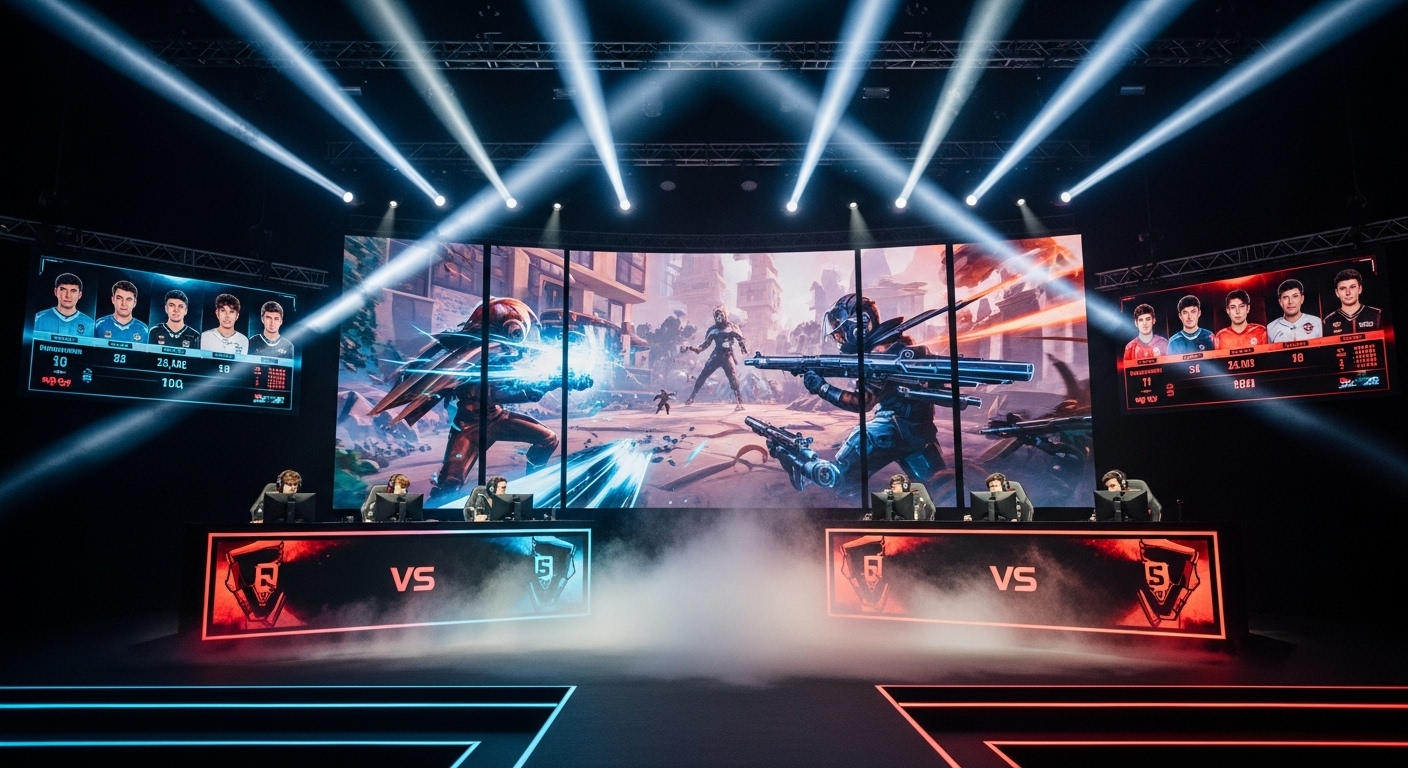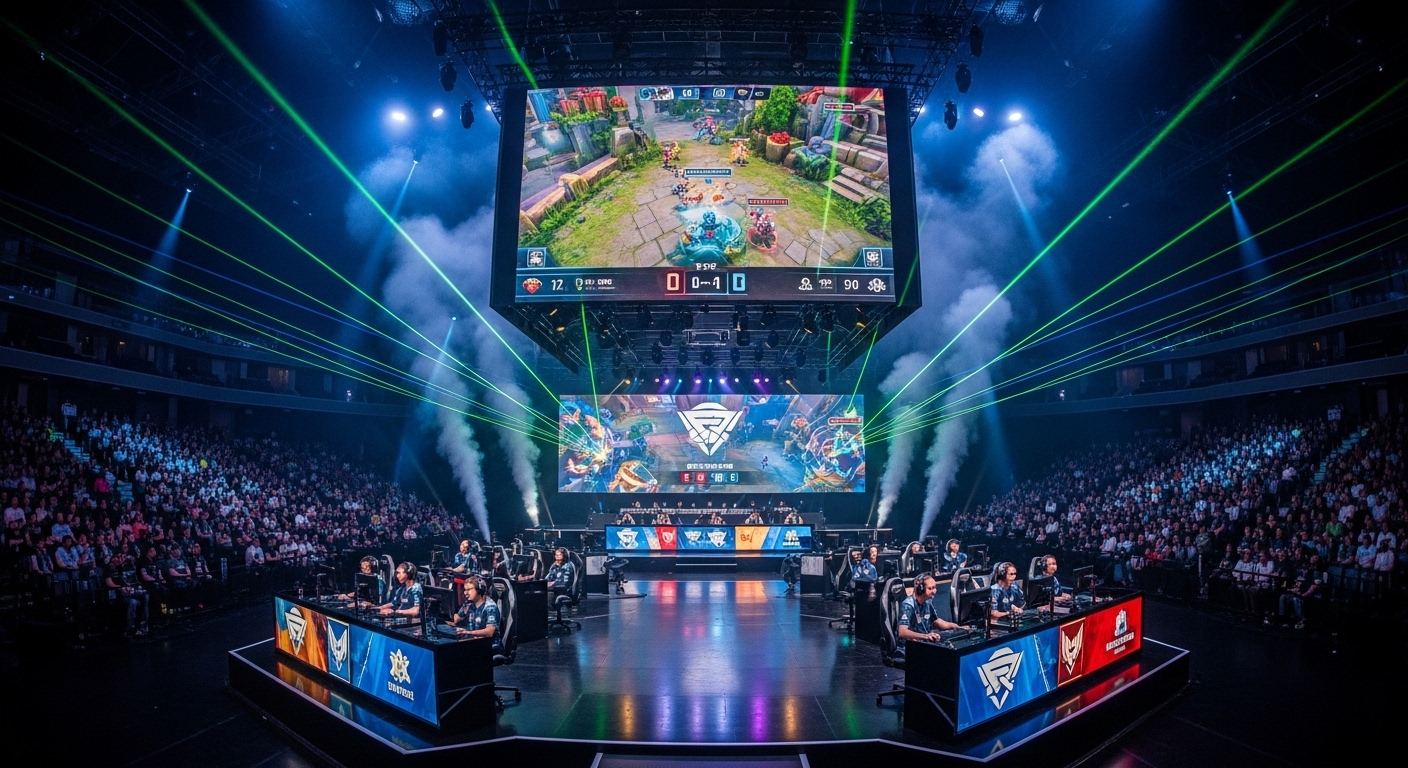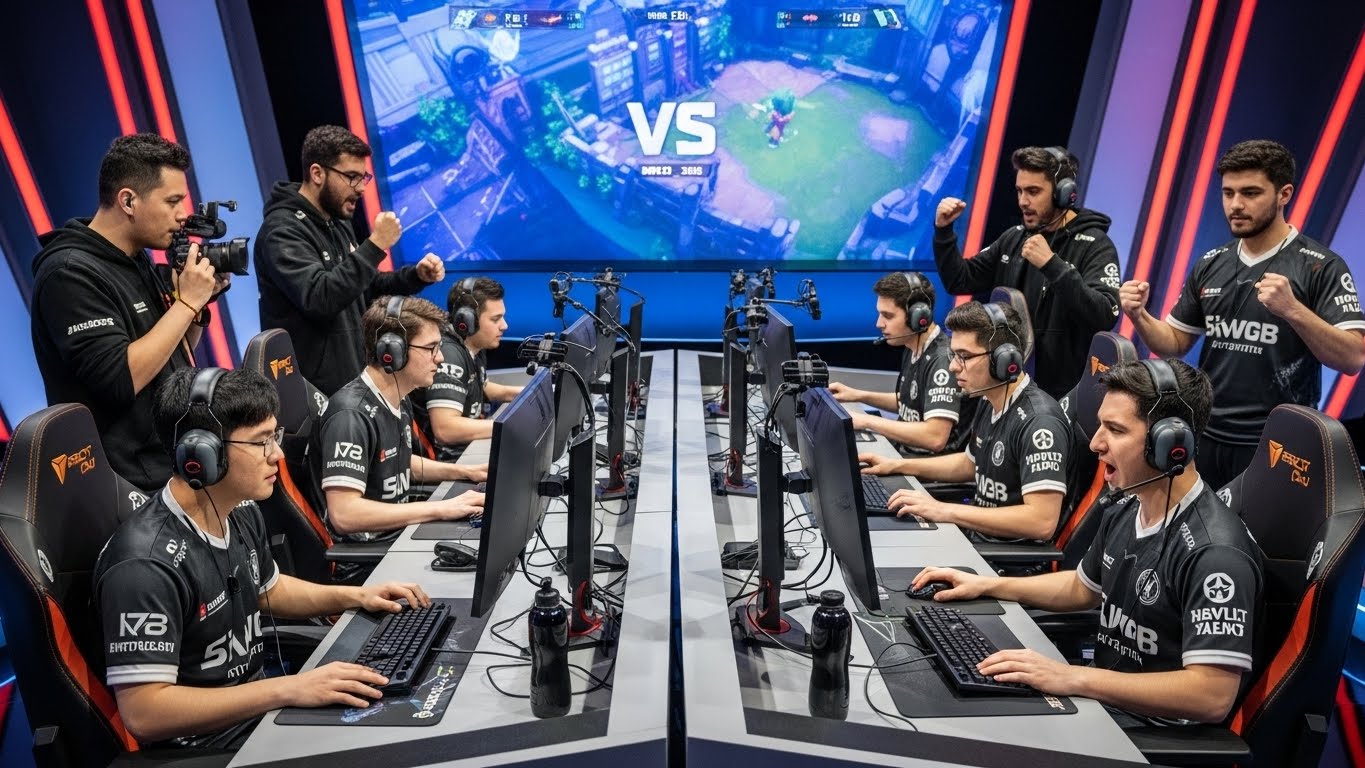
Esports—competitive video gaming at a professional level—has evolved from a niche hobby into a global multi-billion-dollar industry. What started with casual gatherings of gamers in local arcades and dorm rooms has exploded into massive, high-stakes tournaments, professional leagues, and a global fanbase that rivals traditional sports. Esports has grown so much that it is now a mainstay in entertainment, with millions of viewers watching tournaments live and sponsorships from major global brands flooding the scene.
In this blog post, we will explore the world of esports in depth, covering its origins, current state, and its potential future. We will delve into the culture that surrounds esports, the technology that fuels it, the economics that sustain it, and how it has become a legitimate career path for many. Whether you’re a seasoned gamer or just starting to dip your toes into the world of competitive gaming, this post will provide a comprehensive look at how esports has evolved and where it is headed.
The Origins of Esports: From Arcade to Arena
Esports has roots that go back much further than most people realize. While it may seem like a recent phenomenon, the competitive aspect of gaming dates back to the early days of video games themselves.
Early Beginnings: The Rise of Competitive Gaming
The first known competitive video game tournament took place in 1972 at Stanford University. The tournament was held for a game called Spacewar, and it was part of a broader event called the “Intergalactic Spacewar Olympics.” Although the event was small and somewhat informal, it marked the beginning of competitive gaming.
As gaming technology progressed, so did the competition. The early 1980s saw the rise of arcade gaming, and games like Pac-Man, Donkey Kong, and Asteroids became wildly popular. This laid the groundwork for competitive gaming to flourish. Arcade tournaments became common in the 1980s, and the competitive gaming scene began to grow, albeit on a small scale.
The Birth of the Internet and Online Play
The real turning point for esports came with the advent of the internet in the 1990s. Games that allowed players to connect online and compete against each other remotely marked the true birth of modern esports. Titles like Quake and Warcraft II were among the first to embrace online multiplayer modes, allowing players from all over the world to compete against one another.
By the late 1990s and early 2000s, gaming tournaments began to take on a more professional structure. Events like the Red Annihilation tournament in 1997 for Quake attracted significant attention and helped establish competitive gaming as a serious pursuit. This was the first instance of large-scale competitive tournaments with significant prizes, drawing in pro gamers and viewers alike.
Esports Today: A Global Industry
Fast forward to today, and esports has evolved into a global phenomenon. Major esports tournaments draw in millions of viewers, and professional players can make a living from competing in these tournaments, streaming their gameplay, and endorsing brands.
The Growth of Esports Leagues and Tournaments
One of the biggest changes in the world of esports has been the professionalization of competitive gaming. Just as traditional sports have professional leagues, esports now boasts major competitive leagues for a wide range of games. Titles like League of Legends, Dota 2, Counter-Strike: Global Offensive, Fortnite, and Overwatch have their own official leagues with seasons, playoffs, and championship events.
For instance, the League of Legends World Championship (also known as “Worlds”) is an annual event that attracts millions of viewers worldwide. The event is broadcasted in multiple languages and is watched by audiences from all corners of the globe. The prize pool for Worlds often exceeds $2 million, and the event has become a spectacle akin to the Super Bowl or the FIFA World Cup.
Similarly, Dota 2’s The International (TI) has become one of the most lucrative esports tournaments in the world. The prize pool for TI has regularly topped $30 million, making it one of the largest in the sports world.
Esports Organizations and Sponsorships
As the industry has grown, so too have the organizations that manage esports teams and tournaments. Major organizations like Cloud9, Team Liquid, Fnatic, and G2 Esports have emerged as the powerhouse teams of esports, each of which has multiple divisions competing in different games. These teams are often signed to multi-million-dollar sponsorship deals with big-name brands, including Nike, Coca-Cola, Intel, and Alienware, all of whom are keen to reach the young, tech-savvy audience that makes up the core of esports fans.
These sponsorships have not only increased the financial stability of esports but also legitimized the scene in the eyes of traditional sports fans and investors. The success of esports has also attracted the attention of major media outlets. Broadcasting platforms like Twitch and YouTube have dedicated entire sections of their websites to live-streaming esports events, while mainstream sports networks like ESPN have begun covering esports tournaments.
Professional Players and Career Paths
With the rise of professional esports leagues, the opportunity for gamers to make a career out of their passion has become a reality. Players like Faker (Lee Sang-hyeok) from League of Legends, s1mple (Oleksandr Kostyliev) from Counter-Strike: Global Offensive, and Ninja (Tyler Blevins) from Fortnite have become household names in the esports world. Many of these players have achieved global recognition, built large followings on social media, and earned significant amounts of money from tournament winnings, sponsorships, and personal streams.
The career path for an esports player typically starts with a deep passion for a specific game, followed by intense training, participation in online tournaments, and eventually making it into the professional circuit. Esports athletes often train for long hours—sometimes even more than traditional athletes—refining their skills, studying game strategies, and practicing coordination with their teammates.
Besides players, esports also offers opportunities for coaches, analysts, broadcasters, and streamers. The rise of live-streaming platforms like Twitch has allowed gamers to showcase their skills and personalities while making money through sponsorships, donations, and subscriptions. This has created a new form of celebrity within the gaming world, where individuals can make a full-time career from streaming, commentating, and creating content related to gaming.
The Technology Behind Esports
The technology that powers esports is one of the key factors behind its success. As competitive gaming has evolved, so too has the equipment and infrastructure needed to support it.
High-Performance Hardware
Esports players rely on cutting-edge technology to gain a competitive edge. High-performance gaming PCs, specialized peripherals (such as ultra-responsive keyboards, mice, and headsets), and fast internet connections are essential for professional play. Many esports athletes use equipment provided by major brands like Razer, Logitech, and Corsair to ensure they have the best tools at their disposal.
One of the most important aspects of competitive gaming is low latency, which means the time delay between a player’s action and the in-game response. Professional players need equipment that offers minimal input lag to perform at the highest level. This is why high-refresh-rate monitors (with refresh rates of 240Hz or more) and powerful graphics cards are so crucial for esports competitions.
Streaming and Broadcasting Technology
In addition to high-performance hardware, the technology behind broadcasting esports events has also seen massive advancements. Platforms like Twitch and YouTube use state-of-the-art streaming infrastructure to broadcast events to millions of viewers in real-time. Esports events are often broadcast in multiple languages, with professional commentators providing play-by-play analysis and color commentary to keep viewers engaged.
The rise of virtual reality (VR) and augmented reality (AR) also holds great potential for the future of esports. VR could allow viewers to experience esports events from a first-person perspective, while AR could enhance the viewing experience by overlaying additional information about players, teams, and statistics.
The Role of Analytics and Artificial Intelligence
As esports has become more competitive, the role of analytics and artificial intelligence (AI) has also grown. Teams now have access to detailed data on player performance, match statistics, and game trends. This data is analyzed to improve team strategies, help players refine their skills, and give coaches valuable insights into opponent strategies.
AI and machine learning algorithms are also being used to help develop training tools for players. These tools can simulate games or create scenarios that help players practice specific techniques, improving their reaction times and decision-making abilities. Some games even use AI to create more challenging and unpredictable environments, making training sessions more dynamic.
The Global Impact of Esports
Esports has not only reshaped the gaming landscape but has also had a significant impact on global culture, business, and society.
Esports as a Global Community
One of the most exciting aspects of esports is its ability to unite people from all over the world. Gamers from different countries, cultures, and backgrounds come together online to compete in international tournaments, build fan communities, and share their passion for gaming. Major esports tournaments often feature teams from multiple continents, with fans tuning in from around the globe.
This global appeal has led to the rise of esports as a cultural phenomenon that transcends borders. Esports events are watched in stadiums filled with thousands of fans, but they are also streamed to millions more online. The diversity of the esports community has made it one of the most inclusive forms of entertainment in the world.
Esports and Education
Esports has also begun to find its place in educational institutions. Many universities around the world now offer esports scholarships, and some even have varsity-level esports teams that compete in organized leagues. Esports programs at colleges and universities are designed to help students hone their gaming skills while also learning valuable skills in communication, teamwork, and strategy.