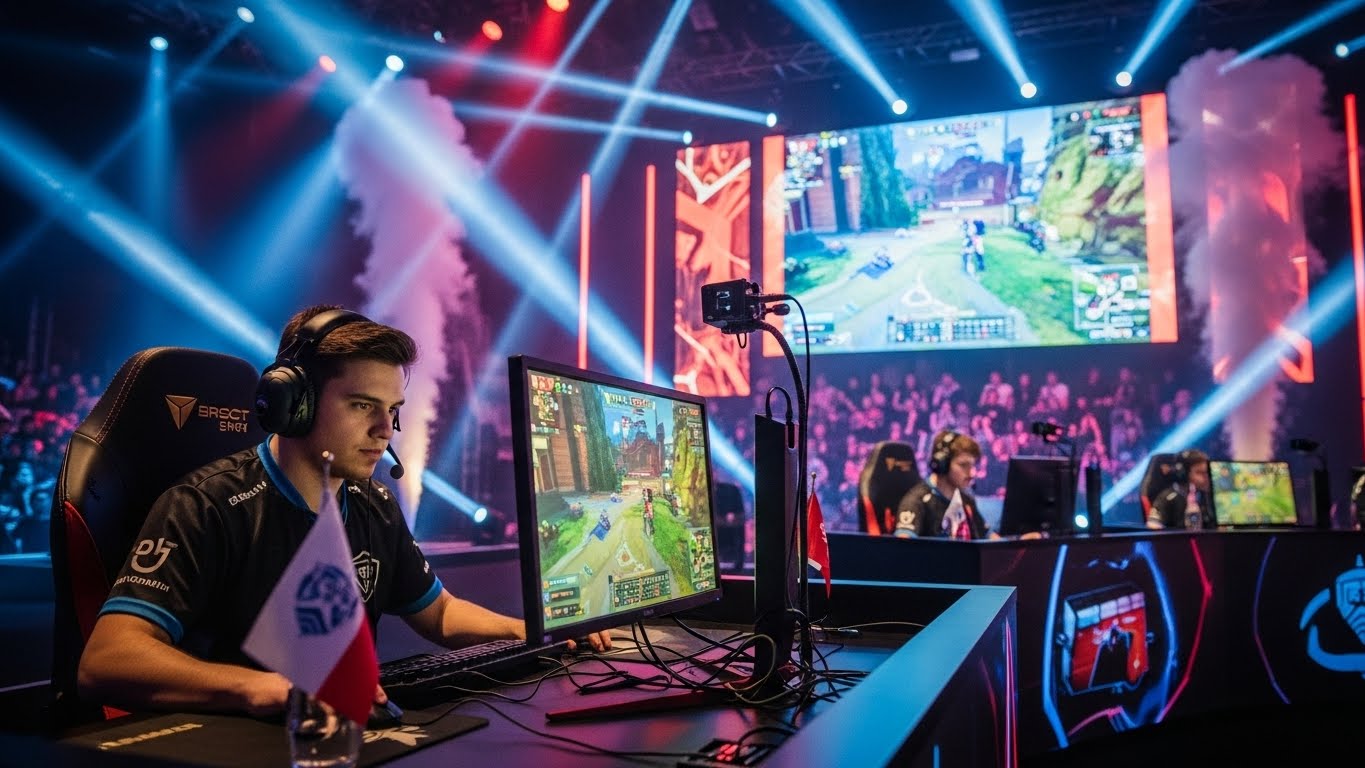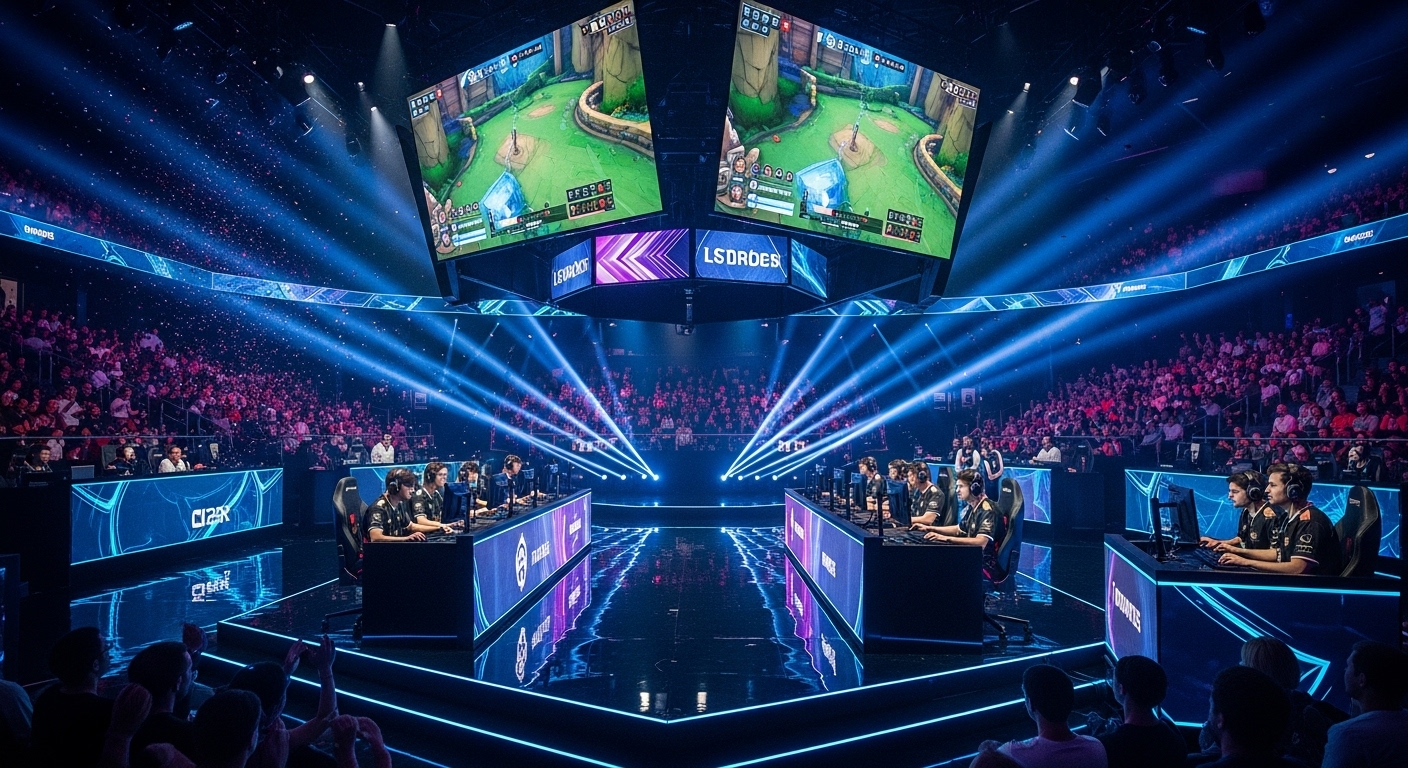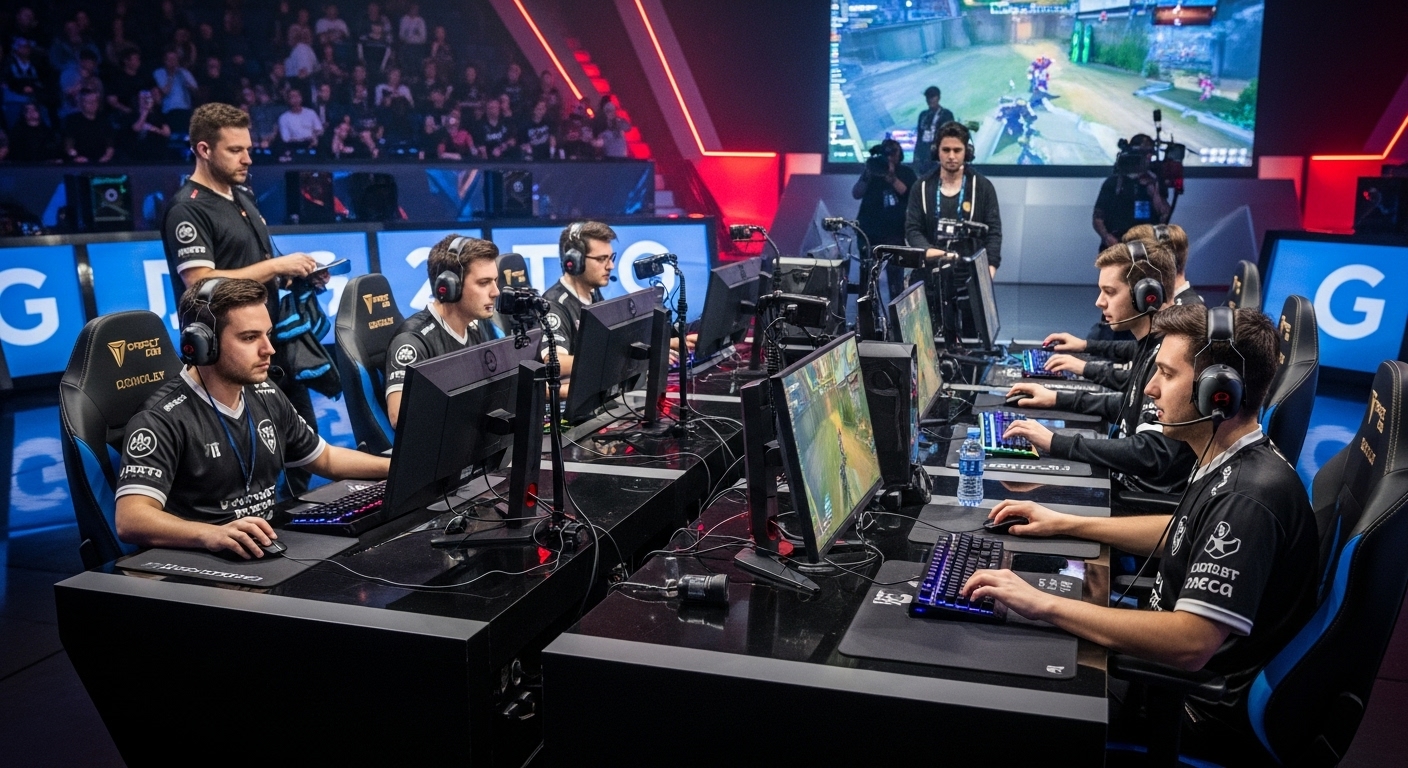
Esports, or competitive video gaming, has transitioned from a niche hobby to a global phenomenon over the past two decades. What began as small tournaments in local gaming arcades has now evolved into multi-million-dollar events watched by millions worldwide. The growth of esports has been fueled by advancements in technology, the proliferation of online streaming platforms, and the increasing social acceptance of gaming as a legitimate form of competition. This blog will explore the origins, evolution, cultural impact, economic significance, and future potential of esports in depth.
Origins of Esports
The roots of esports can be traced back to the early days of arcade gaming in the late 1970s and early 1980s. Video game competitions began as simple high-score contests, where players would compete to achieve the best scores on games like Space Invaders and Pac-Man. In 1980, the first widely recognized video game competition, the Space Invaders Championship, took place in the United States, attracting over ten thousand participants. This event set the stage for organized competitive gaming and highlighted the potential of video games as a spectator activity.
During the 1990s, with the rise of home computers and local area networks (LANs), competitive gaming began to move beyond arcade settings. Games like Doom, Quake, and StarCraft became popular in competitive circles, particularly in South Korea, where StarCraft became a cultural phenomenon. LAN tournaments allowed players to compete in real-time, fostering a sense of community and pushing the competitive scene into a more organized structure.
Growth and Globalization
The 2000s marked the true globalization of esports. With the advent of broadband internet, online multiplayer games became more accessible, allowing players from different countries to compete against each other. Games like Counter-Strike, World of Warcraft, and League of Legends played a pivotal role in bringing esports to a wider audience. Professional leagues began to emerge, and organizations started sponsoring players and teams, establishing esports as a viable career path.
Streaming platforms such as Twitch and YouTube Gaming further accelerated the growth of esports. These platforms allowed fans to watch live matches, learn strategies, and interact with players in real-time. As a result, esports transitioned from a niche community hobby into a mainstream entertainment industry. Major tournaments like The International for Dota 2, the League of Legends World Championship, and the Overwatch League Grand Finals now draw millions of viewers and offer prize pools that rival traditional sports championships.
Cultural Impact of Esports
Esports has had a significant cultural impact, reshaping perceptions of gaming and influencing popular culture. Traditionally, gaming was often stigmatized as a solitary or unproductive activity. However, competitive gaming has challenged these stereotypes by demonstrating skill, strategy, and teamwork on a professional level. Professional gamers are now seen as athletes, and their achievements are celebrated similarly to those in traditional sports.
The rise of esports has also influenced entertainment, fashion, and lifestyle. Esports stars often collaborate with brands, launch merchandise lines, and appear in mainstream media. Gaming conventions and esports events have become major social gatherings where fans can meet their favorite players, attend panels, and experience the culture firsthand. Cosplay, fan art, and online communities have flourished around esports titles, creating a vibrant subculture that transcends traditional gaming boundaries.
Economic Significance
Esports has evolved into a multi-billion-dollar industry, generating revenue from sponsorships, advertising, ticket sales, merchandise, and broadcasting rights. Major corporations recognize the marketing potential of esports, targeting younger demographics who are difficult to reach through traditional media channels. Sponsorship deals with hardware companies, energy drink brands, and apparel lines have become a staple of the esports economy, fueling growth and professionalization.
The rise of esports has also created a diverse range of career opportunities beyond playing professionally. Roles in coaching, content creation, event management, marketing, broadcasting, and game development have expanded, allowing individuals to contribute to the industry in multiple ways. Universities now offer esports programs, scholarships, and degrees, highlighting the legitimacy of esports as a career pathway and its growing influence on education and professional development.
The Competitive Landscape
Esports is diverse, encompassing various genres, each with unique competitive dynamics. Multiplayer online battle arena (MOBA) games like League of Legends and Dota 2 emphasize strategy, coordination, and adaptability. First-person shooters (FPS) like Counter-Strike: Global Offensive and Call of Duty focus on precision, reflexes, and teamwork. Fighting games, sports simulations, and real-time strategy games each cultivate their competitive ecosystems, complete with dedicated leagues and tournaments.
Professional esports teams operate similarly to traditional sports franchises. Teams recruit players, provide coaching and support staff, and develop branding strategies to attract fans and sponsors. Players often undergo rigorous training schedules, sometimes comparable to those of professional athletes, to maintain peak performance. The competitive structure ensures a high level of entertainment, skill display, and fan engagement, driving the continuous popularity of esports worldwide.
Challenges and Controversies
Despite its rapid growth, esports faces several challenges and controversies. Player burnout is a significant concern due to the intense training schedules and mental pressure associated with professional competition. Maintaining physical and mental health is essential, yet often overlooked in an industry driven by performance metrics and public visibility.
Cheating, match-fixing, and doping scandals have also occasionally tainted esports, raising questions about integrity and governance. Organizations are working to implement stricter regulations, anti-cheating software, and transparent management to uphold fair competition. Additionally, the industry faces criticism regarding inclusivity, as female players and underrepresented groups often face barriers to participation and recognition.
Technology and Innovation in Esports
Technological innovation has been central to the evolution of esports. High-speed internet, cloud gaming, and advanced hardware have enabled seamless online competition, while streaming platforms have revolutionized audience engagement. Virtual reality (VR) and augmented reality (AR) are poised to create new forms of immersive esports experiences, potentially redefining the way fans interact with games and players.
Artificial intelligence (AI) is increasingly being used to enhance competitive gaming. AI can analyze player performance, optimize strategies, and provide real-time analytics during matches. Game developers leverage AI to create more dynamic and balanced gameplay, ensuring that esports remains challenging and engaging for both players and spectators.
Esports and Education
Esports has also made inroads into education, with schools and universities establishing competitive gaming programs. Scholarships for esports athletes are becoming increasingly common, offering students opportunities to pursue higher education while honing their gaming skills. Educational institutions recognize that esports fosters critical thinking, teamwork, communication, and strategic planning—skills that are transferable to a wide range of professional fields.
Esports clubs and intramural leagues in schools provide students with a structured environment to compete, learn, and socialize. By integrating esports into educational programs, institutions help legitimize gaming as a constructive and skill-building activity, shifting public perception and encouraging responsible participation.
Social Interaction and Community Building
One of the most profound impacts of esports is its ability to foster social interaction and community building. Online multiplayer games provide platforms for players from different backgrounds to collaborate and compete, transcending geographic, cultural, and language barriers. Esports communities often extend beyond gameplay, with fans engaging through forums, social media, and fan-created content.
Esports events, both online and offline, cultivate a sense of belonging and identity among participants and fans. Tournaments, fan conventions, and meetups create opportunities for socialization, networking, and collaboration. The communal aspect of esports strengthens bonds among players and fans, reinforcing its cultural significance and lasting appeal.
The Future of Esports
Looking ahead, the future of esports appears bright and full of potential. The industry is expected to continue expanding, with new games, technologies, and platforms emerging regularly. Global viewership is projected to grow, fueled by increasing accessibility, innovative content, and mainstream acceptance.
Integration with traditional sports may become more prominent, with hybrid events, cross-promotion, and collaborative sponsorships. Advances in VR, AR, and AI may create entirely new competitive formats, while mobile esports could expand participation in regions with limited access to high-end gaming hardware. Moreover, as esports continues to professionalize, improved governance, fair play standards, and player support systems will strengthen its legitimacy as a global sporting and entertainment phenomenon.
Conclusion
Esports has transformed from a small hobbyist activity into a global industry with far-reaching cultural, economic, and social impacts. It has redefined perceptions of gaming, created career opportunities, and fostered vibrant communities worldwide. While challenges remain, the growth trajectory of esports demonstrates its resilience, adaptability, and broad appeal. With technological innovation, increasing mainstream acceptance, and continued investment in players and infrastructure, esports is poised to remain a defining feature of the 21st-century entertainment landscape. Its journey reflects not only the evolution of gaming but also the power of digital culture to connect, inspire, and entertain millions across the globe.