Introduction: The Rise of Digital Competition
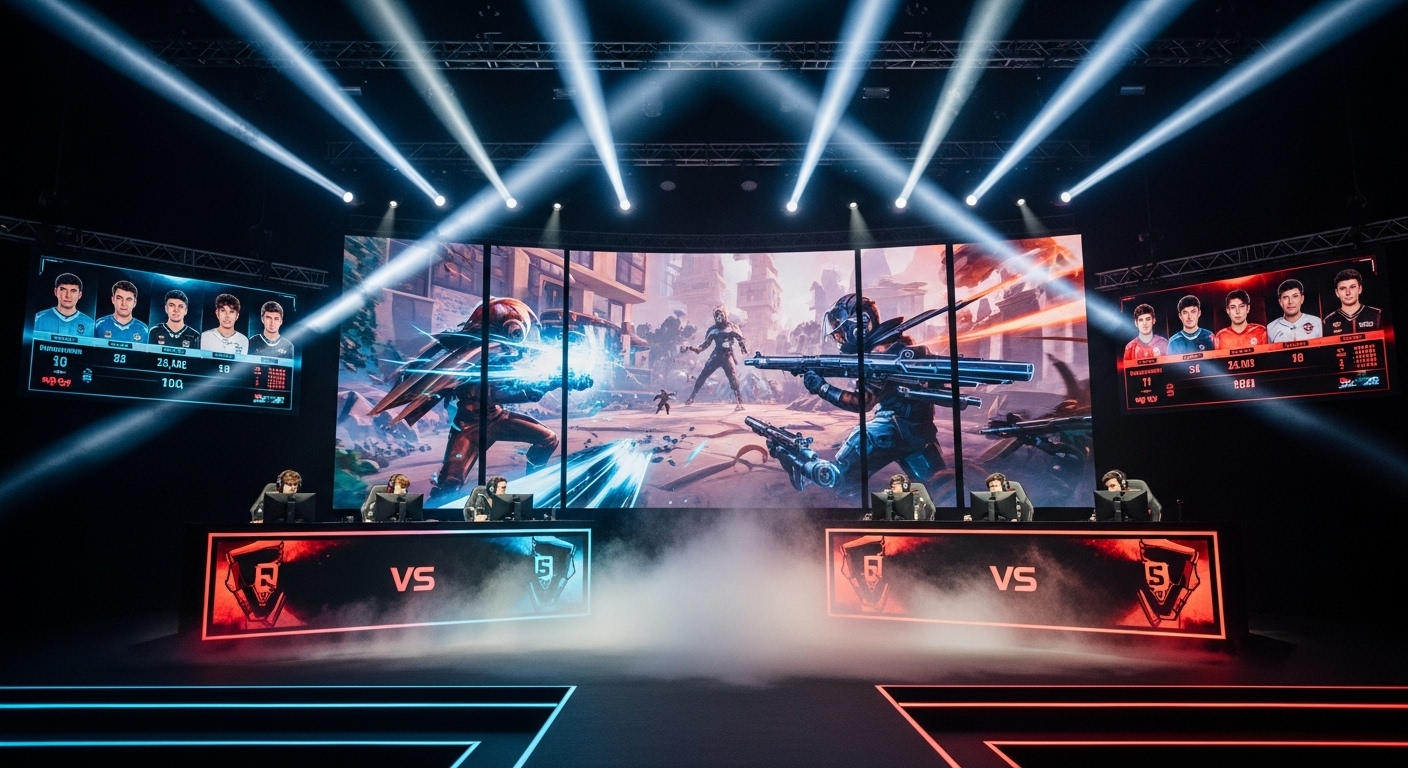
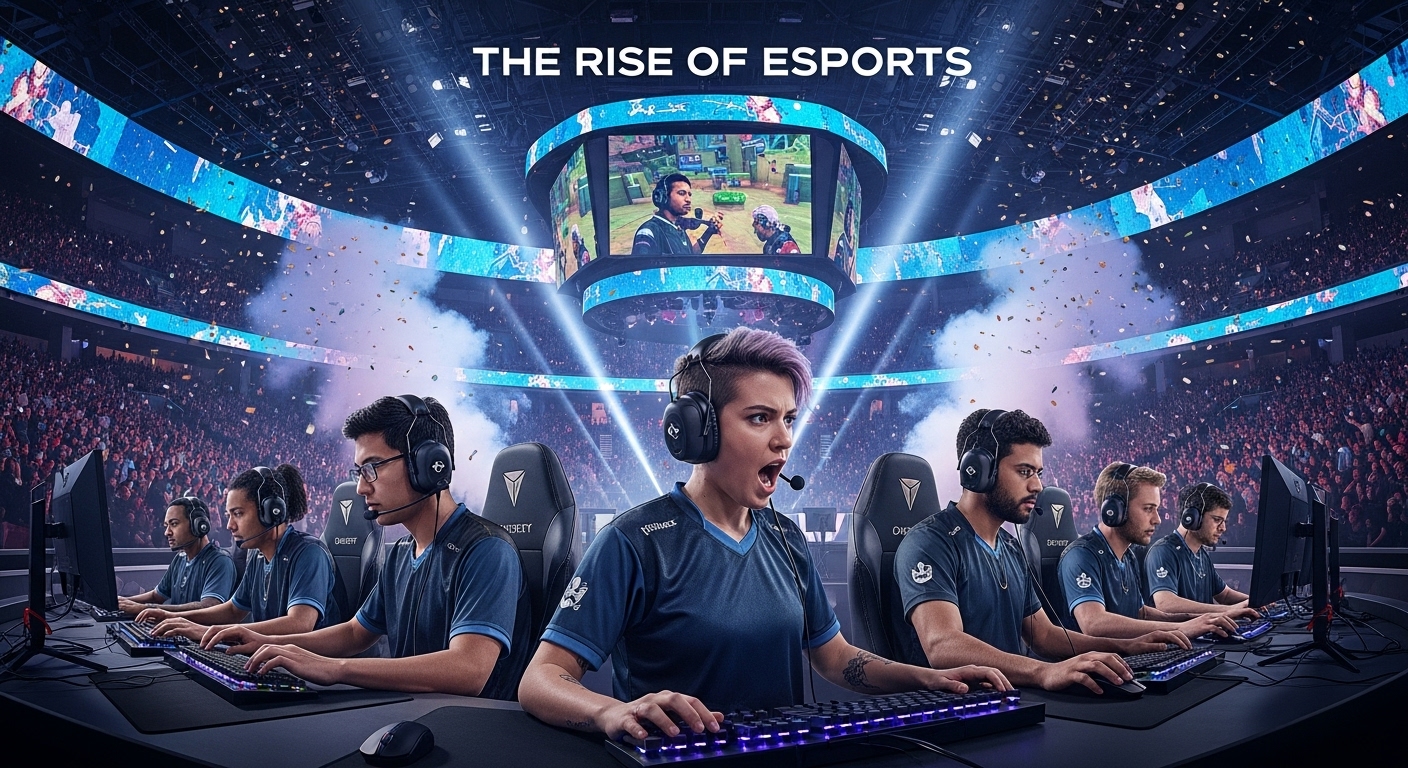
Over the past few decades, the concept of competition has taken many forms. From physical sports fields to the virtual arenas of digital games, human beings have always found ways to test skill, intelligence, and creativity. In the early 2000s, few could have predicted that a pastime once associated with teenagers in dark rooms would transform into a billion-dollar global industry. Yet today, esports—short for electronic sports—stands proudly as one of the fastest-growing entertainment sectors in the world.
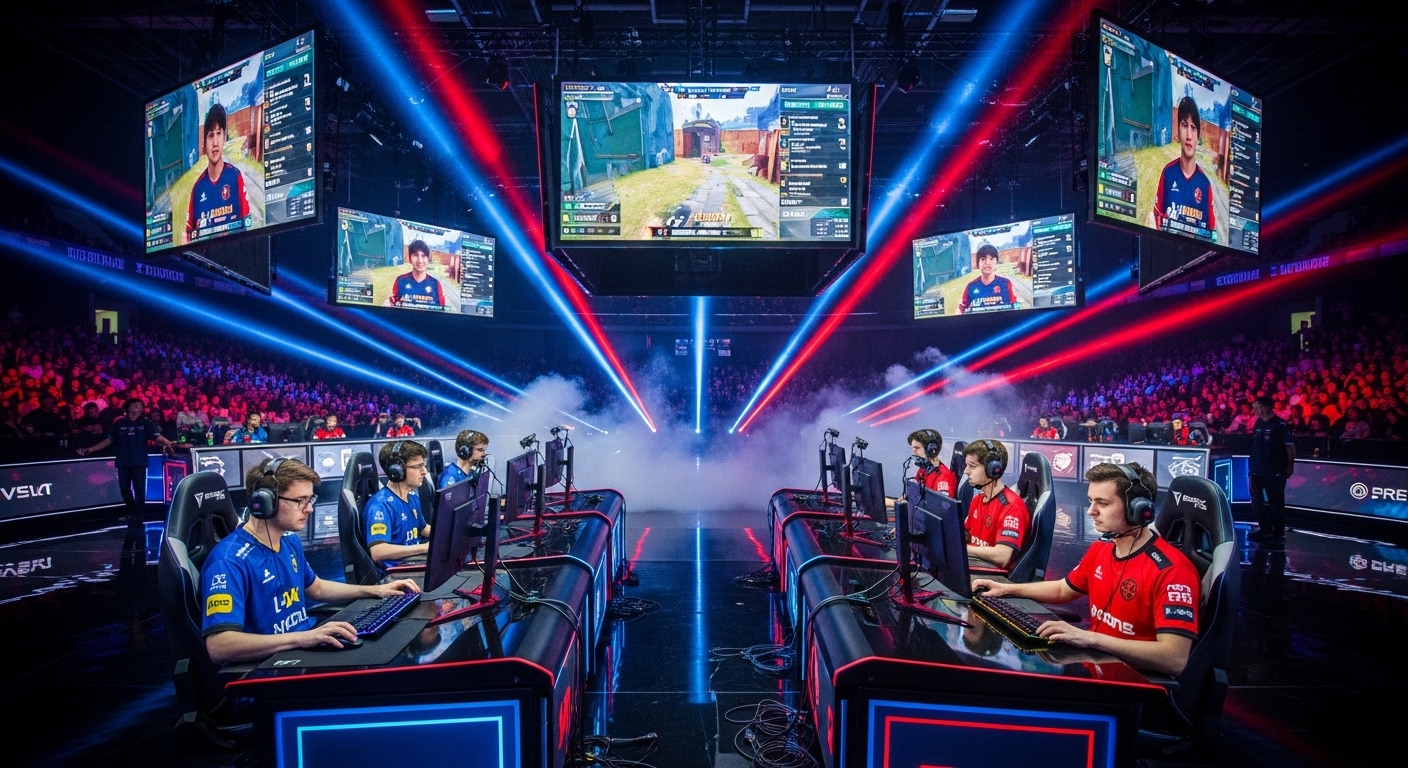
Esports refers to organized, competitive video gaming. Players, often known as professional gamers, compete individually or in teams across a variety of video game genres. These competitions attract millions of spectators both online and offline. From strategy games like StarCraft to battle royales like Fortnite, the esports landscape is vast, diverse, and continuously evolving.
In this blog, we will explore the journey of esports—from its humble beginnings to its current position as a dominant force in global entertainment. We will also look at its cultural impact, professional ecosystem, challenges, and the future that lies ahead for this digital revolution.
The Origins of Esports: From Arcades to Online Arenas
The idea of competitive gaming didn’t start with streaming platforms or massive tournaments. It began in the 1970s and 1980s with arcade culture. Players would compete for the highest score in classics like Pac-Man, Donkey Kong, and Space Invaders. The concept of bragging rights was simple: your name at the top of the leaderboard meant you were the best.
The first official esports event is often traced back to 1972, when Stanford University hosted the Intergalactic Spacewar Olympics. The grand prize? A year’s subscription to Rolling Stone magazine. It was a small but symbolic start.
As technology improved, gaming consoles and personal computers became more accessible in the 1980s and 1990s. Titles like Street Fighter II and Mortal Kombat introduced the world to head-to-head competition. Meanwhile, strategy games such as Warcraft and StarCraft paved the way for team-based and tactical gameplay.
The turning point came with the rise of the internet. Suddenly, players were no longer limited by geography. Multiplayer gaming became a global affair, and online tournaments began to take shape. Esports, as we know it today, was born in this era of connection and innovation.
The 2000s: The Foundation of Modern Esports
The early 2000s marked a new chapter in the esports story. High-speed internet connections became more common, enabling smoother online gameplay. Competitive platforms emerged, allowing players to test their skills on a larger scale.
One of the major catalysts was the popularity of games like Counter-Strike, StarCraft: Brood War, and Warcraft III. These titles weren’t just popular—they were community-driven. Players formed teams, created strategies, and developed fan bases. South Korea, in particular, became a global hub for competitive gaming. Televised matches of StarCraft drew millions of viewers, turning professional gamers into celebrities.
The same era saw the establishment of foundational esports organizations such as the Major League Gaming (MLG) in North America and the World Cyber Games (WCG). These organizations standardized competition, introduced ranking systems, and offered structured tournaments with real prize money.
For the first time, gaming was seen as more than a hobby. It was an avenue for competition, skill expression, and professional growth.
The Explosion of Esports in the 2010s
While the 2000s laid the groundwork, the 2010s ignited the true explosion of esports. This decade saw unprecedented growth in viewership, production quality, sponsorships, and global recognition.
One of the biggest drivers of this boom was streaming technology. Platforms like Twitch and YouTube Gaming made it easy for fans to watch their favorite players in real time. The ability to stream tournaments, team practices, and casual play sessions brought fans closer to the action than ever before.
Games like League of Legends, Dota 2, and Overwatch became household names. Their international tournaments drew millions of online viewers and filled massive arenas. The International, Dota 2’s annual championship, broke records with multi-million-dollar prize pools funded by the community itself. Meanwhile, League of Legends created one of the most consistent and professionally managed esports leagues, spanning multiple regions and nations.
Traditional sports organizations and major corporations began to take notice. Football clubs invested in esports teams, tech giants sponsored tournaments, and broadcasters began airing matches on television. What was once a niche subculture had become a mainstream form of entertainment.
The Structure of the Esports Ecosystem
The esports ecosystem is a complex web of players, teams, sponsors, developers, and fans. Understanding how it operates helps explain its massive appeal and sustainability.
1. Players and Teams
At the heart of esports are the players. Like traditional athletes, they train for hours daily, analyzing game mechanics, improving reflexes, and studying opponents. Many are signed to professional teams that provide coaching, housing, nutrition, and salaries. Teams such as Fnatic, Cloud9, T1, and Team Liquid have become internationally recognized brands.
2. Tournaments and Leagues
Esports events vary from one-day online competitions to months-long leagues. Major tournaments are held annually and often feature huge prize pools. For example, the League of Legends World Championship or The International serve as global stages where the best of the best compete. These events often attract stadium-sized audiences and millions more watching online.
3. Game Developers and Publishers
Developers play a crucial role in esports. Unlike traditional sports, where the game rules are static, esports depend entirely on game publishers. They balance gameplay, fund events, and sometimes directly manage professional leagues. Riot Games’ management of the League of Legends Championship Series is a prime example of this integrated approach.
4. Sponsors and Media
Sponsorships form the financial backbone of esports. Companies from various industries—technology, energy drinks, apparel, and even automotive—invest heavily in teams and tournaments. Media coverage, both from independent journalists and major broadcasters, helps extend esports’ reach to mainstream audiences.
The Psychology and Skill Behind Esports
A common misconception is that video gaming requires less skill or physical exertion compared to traditional sports. In reality, esports athletes exhibit exceptional cognitive and physical abilities.
Professional gamers often train for 8 to 12 hours a day, mastering reaction time, strategic thinking, teamwork, and communication. The mental demand is immense—players must make split-second decisions under pressure while maintaining composure for hours at a time.
Sports psychologists now work closely with esports teams to help players handle stress, manage burnout, and maintain mental health. Just like in physical sports, psychological resilience often separates good players from great ones.
The Cultural Impact of Esports
The rise of esports has profoundly influenced global culture. It has redefined what it means to be an athlete, reshaped entertainment habits, and created a new sense of community.
Esports has become a bridge between generations. Parents who once dismissed gaming as a waste of time now see their children pursuing successful careers as players, coaches, analysts, or content creators. Schools and universities around the world have even started offering esports scholarships, acknowledging its educational and professional potential.
Moreover, esports has helped redefine the boundaries of fandom. Unlike traditional sports, where fans are tied to specific cities or countries, esports fans form digital communities that transcend borders. A fan in Brazil can cheer for a team based in South Korea, connected by shared passion rather than geography.
The fashion industry, too, has embraced esports. Gaming-inspired streetwear, limited-edition collaborations, and brand partnerships have become commonplace. Esports has become a lifestyle, influencing music, media, and even pop culture narratives.
The Economics of Esports: A Billion-Dollar Industry
Esports is not just a cultural movement; it is a financial powerhouse. Over the past decade, the industry has generated billions in revenue through sponsorships, advertising, media rights, and merchandise.
Prize pools continue to grow each year, with some tournaments offering multi-million-dollar rewards. However, the real economic strength lies in the ecosystem surrounding competition. Streaming platforms, event organizers, hardware manufacturers, and gaming peripheral brands all benefit from esports’ popularity.
Investors see esports as a gateway to younger audiences—a demographic that traditional sports sometimes struggle to engage. This has led to increased corporate involvement, franchise-based leagues, and long-term investments in infrastructure such as training facilities and dedicated esports arenas.
Education and Career Opportunities in Esports
One of the most remarkable developments in the 2020s is the rise of educational and career paths in esports. Universities across North America, Europe, and Asia now offer specialized degrees in game design, esports management, and digital media.
Students are learning not just how to play but how to operate within the ecosystem—handling event production, marketing, data analytics, and coaching. Careers extend beyond the stage; commentators, analysts, social media managers, and health professionals all have roles within esports organizations.
This educational integration signals the maturity of the industry. Esports is no longer a passing trend—it is a legitimate career sector with professional standards and sustainable growth opportunities.
The Globalization of Esports
Esports transcends borders in ways few industries can. While its roots lie in countries like South Korea, Japan, and the United States, its influence now spans the entire globe.
Europe hosts some of the largest esports events, with countries such as Sweden and Poland developing strong gaming communities. In Latin America, Brazil has emerged as a powerhouse in competitive gaming, producing world-class teams in games like Counter-Strike and Valorant.
Meanwhile, Southeast Asia continues to be one of the fastest-growing markets, driven by mobile gaming. Titles such as Mobile Legends: Bang Bang and PUBG Mobile have brought esports to millions of smartphone users who may not own a PC or console.
This global inclusivity has made esports one of the most diverse entertainment forms on the planet. It’s a field where skill speaks louder than nationality, and success is measured by talent rather than resources.
Challenges Facing the Esports Industry
Despite its incredible growth, esports is not without challenges. The industry’s rapid expansion has exposed several structural and ethical concerns.
1. Player Health and Burnout
Professional gamers often face intense schedules, leading to physical and mental exhaustion. Repetitive strain injuries, sleep deprivation, and anxiety are common problems. The industry is now addressing these issues by promoting healthier training regimens and providing psychological support.
2. Sustainability and Financial Stability
Not all esports organizations are profitable. While top-tier teams thrive, smaller ones often struggle to survive due to fluctuating sponsorships and inconsistent revenue models. Creating sustainable ecosystems remains a key priority for the industry’s future.
3. Cheating and Integrity
As with any competitive arena, cheating threatens the credibility of esports. Match-fixing, hacking, and performance-enhancing substances have occasionally tainted competitions. Developers and tournament organizers are investing heavily in anti-cheat systems and integrity enforcement to protect the sport’s reputation.
4. Representation and Inclusivity
Although esports welcomes players from around the world, gender diversity remains a challenge. Women and non-binary players are underrepresented in professional scenes. However, community initiatives and inclusive leagues are gradually working to close this gap.
The Future of Esports: Innovation and Integration
Looking ahead, the future of esports appears boundless. Emerging technologies like virtual reality, artificial intelligence, and cloud gaming are set to redefine how esports are played and viewed.
Virtual reality could make competitions more immersive, allowing players and fans to interact within digital environments. Artificial intelligence might enhance coaching by analyzing player data to suggest optimal strategies. Cloud gaming, meanwhile, will make high-end games accessible to anyone with an internet connection, further expanding the global audience.
Esports is also likely to continue merging with traditional sports. Hybrid events, where physical athletes and gamers collaborate, are already gaining traction. Olympic committees and sporting federations have started exploring esports as a legitimate competitive discipline, signaling that the line between sports and esports will continue to blur.
Esports as a Social Connector
Beyond the money and fame, esports carries immense social significance. It brings together people from different backgrounds, fostering friendships and communities built on shared passion.
In many cases, esports has provided opportunities where none existed before. It has empowered individuals in developing nations to build careers online. It has given a voice to creative minds who might not fit into traditional sports or corporate frameworks.
During global crises—such as the pandemic—esports kept people connected when physical gatherings were impossible. It demonstrated the resilience and adaptability of digital entertainment, proving that human connection can thrive even in virtual spaces.
Conclusion: The Legacy of a Digital Revolution
Esports is far more than just a trend. It is a movement that reflects humanity’s evolving relationship with technology, competition, and creativity. What began as casual gaming has evolved into a complex, organized, and inspiring global culture.
It has redefined entertainment, opened new career paths, and united millions of fans across borders. Whether viewed as a sport, an art form, or a technological marvel, esports represents the power of innovation and community.
As we move further into the digital age, esports stands as a symbol of how passion, skill, and technology can converge to create something extraordinary. The next chapter of its story is still being written—but one thing is certain: esports has already changed the world forever.