Introduction: The Rise of a Digital Revolution
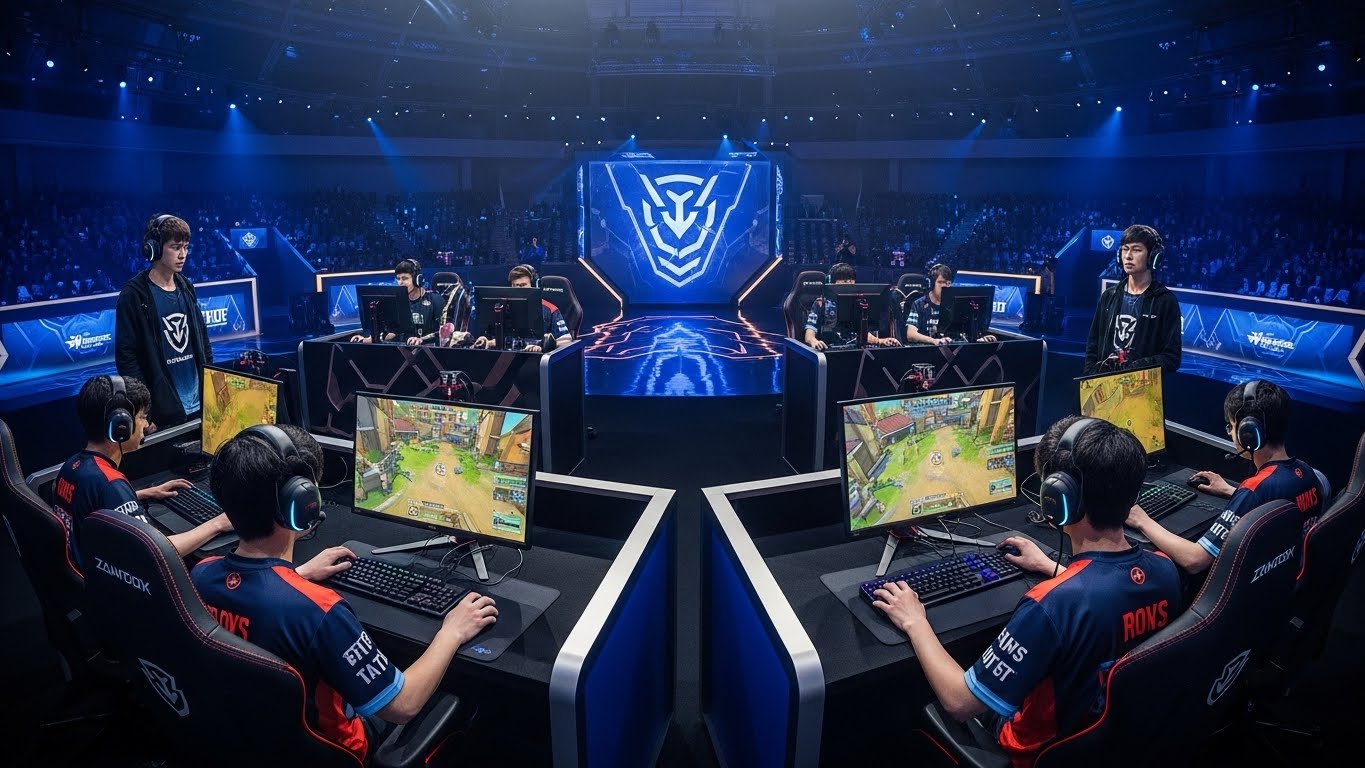
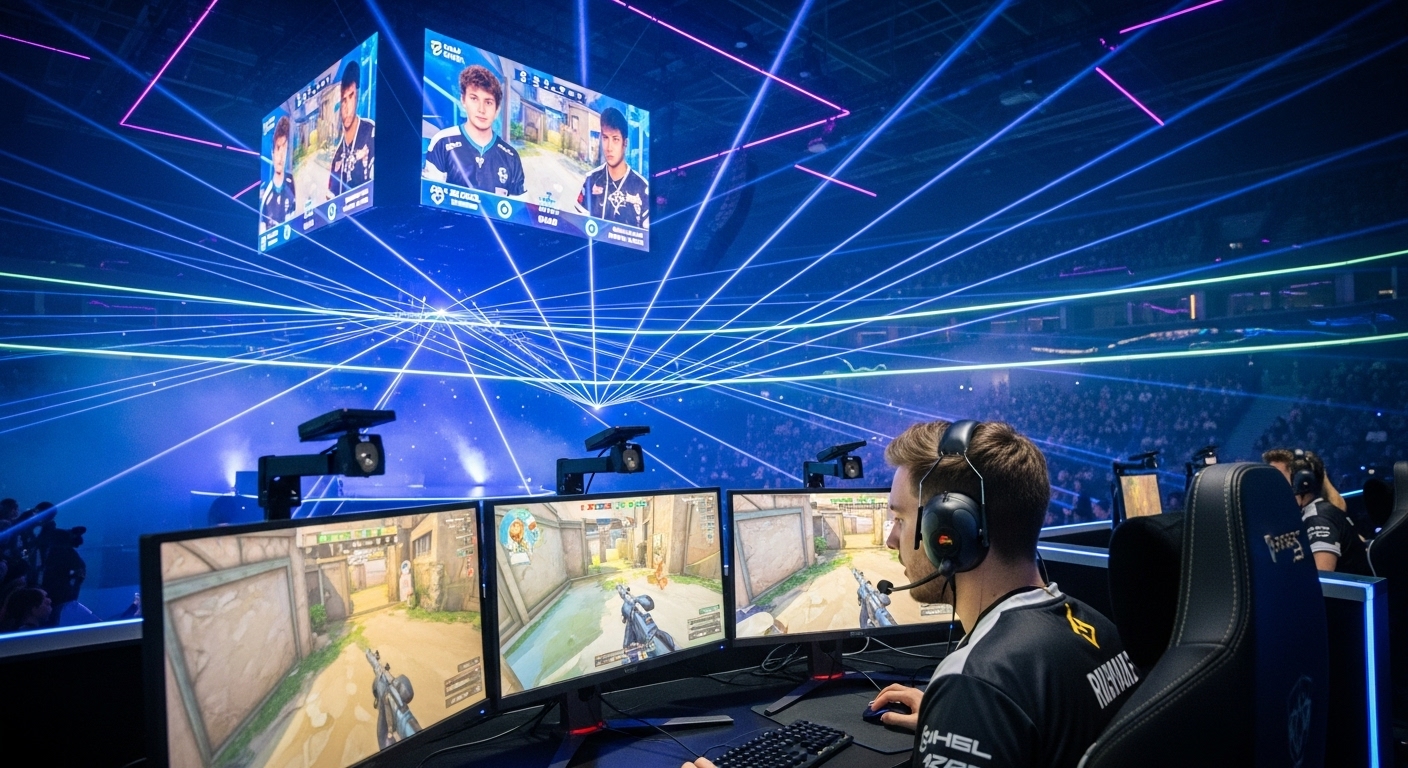
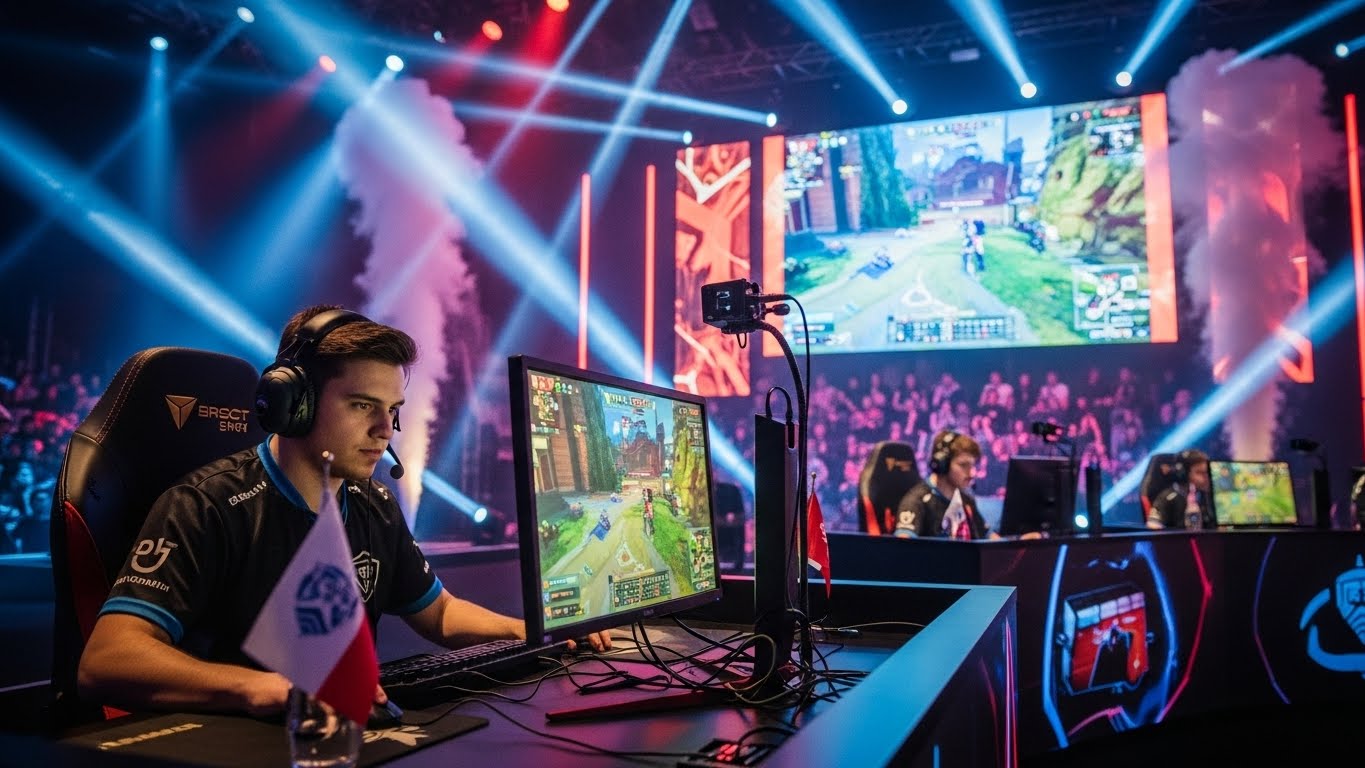
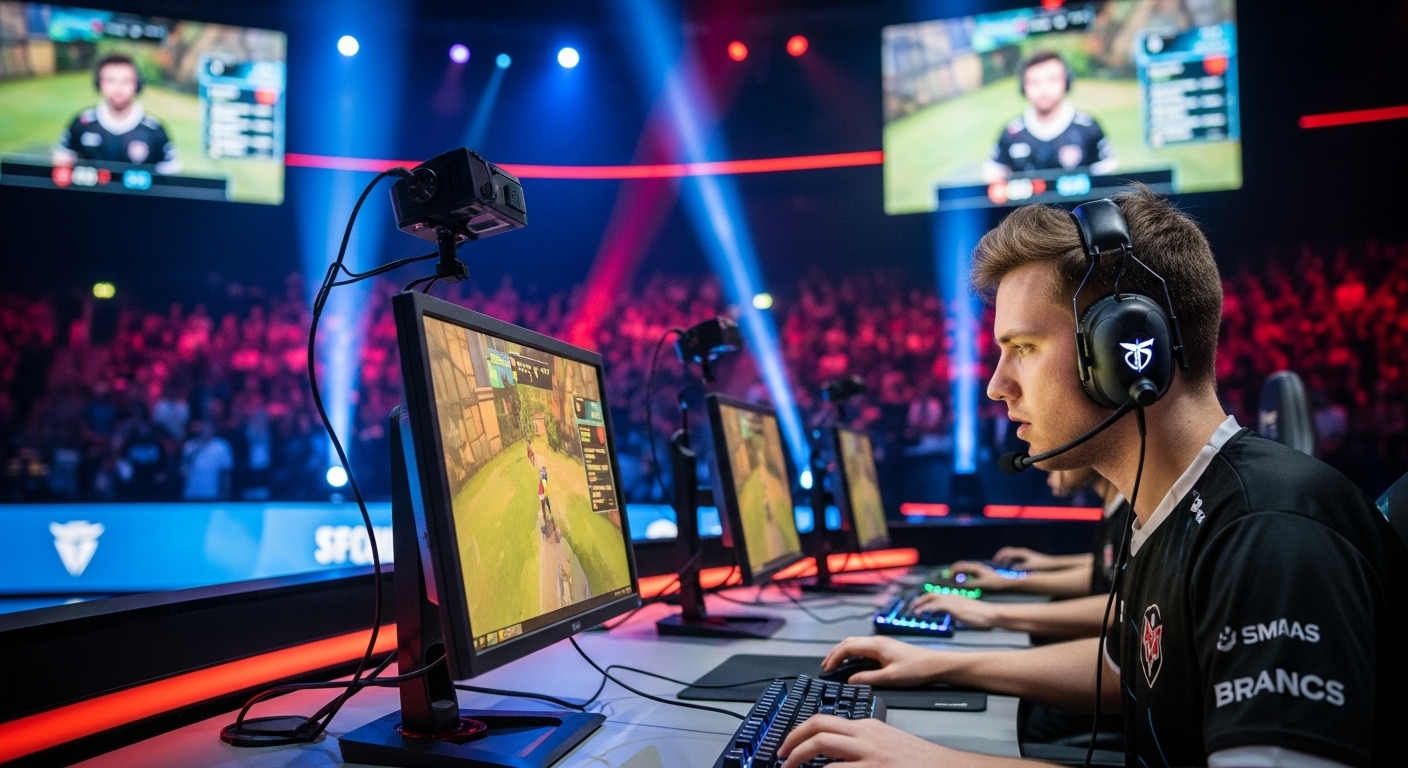
In the past decade, the world has witnessed an extraordinary transformation in how entertainment and competition merge through a single platform—esports. What began as friendly video game matches between small groups of enthusiasts has evolved into a global phenomenon worth billions of dollars. Esports, short for electronic sports, is no longer a niche hobby confined to gaming rooms; it is now a mainstream spectacle, captivating millions of fans across the globe. This modern form of competition combines technology, strategy, teamwork, and skill in a way that rivals traditional sports in every aspect.
The Evolution of Esports: From Pixels to Stadiums
The history of esports dates back to the late 1970s, when video game tournaments were first organized around games like Space Invaders. However, it was not until the 1990s that the industry began to gain recognition, thanks to the rise of personal computers and online gaming platforms. Titles such as Quake, Counter-Strike, and StarCraft gave birth to the first wave of professional players and organized competitions.
The true turning point came in the 2010s with the rise of high-speed internet and streaming platforms. Suddenly, gamers could broadcast their matches live to millions of viewers worldwide. This accessibility transformed gaming from a solitary pastime into a social and competitive event. Stadiums began to fill with fans cheering for their favorite teams, and professional esports athletes became celebrities in their own right.
The Professionalization of Esports
One of the most remarkable aspects of esports is its rapid professionalization. What was once considered a casual hobby has now turned into a full-time career for thousands of players. Professional esports athletes undergo rigorous training, often spending eight to ten hours a day perfecting their reflexes, strategies, and teamwork.
Major organizations have emerged to manage teams, provide sponsorships, and develop player brands. Esports franchises operate much like traditional sports teams, with coaches, analysts, psychologists, and nutritionists supporting players’ performance. Large tournaments, such as the League of Legends World Championship, The International for Dota 2, and Counter-Strike Majors, attract millions of viewers and offer prize pools that rival or even surpass some conventional sporting events.
The Role of Technology in Esports
Technology is the backbone of the esports ecosystem. High-performance gaming PCs, advanced graphics, immersive virtual reality, and lightning-fast internet connections have made competitive gaming smoother and more visually stunning than ever. Additionally, software tools that track player performance and provide detailed analytics allow teams to refine their strategies with precision.
Artificial intelligence has also begun to influence esports. Machine learning algorithms can simulate opponents, analyze gameplay patterns, and predict strategies. This integration of AI is helping players and coaches make data-driven decisions, improving their overall game awareness and adaptability.
The Cultural Impact of Esports
Esports has transcended its digital boundaries to influence mainstream culture. It has become a major part of youth identity and global entertainment. Millions of young people view professional gamers as role models, inspiring them to pursue careers in gaming or related industries such as game design, content creation, or event management.
Furthermore, esports has redefined what it means to be an athlete. While traditional sports emphasize physical ability, esports showcases mental agility, quick decision-making, teamwork, and endurance. The cultural perception of gamers has shifted from being seen as isolated individuals to being recognized as skilled professionals who dedicate their lives to mastering complex digital environments.
The Economics of Esports: A Billion-Dollar Industry
The esports industry has exploded into a multi-billion-dollar market, driven by sponsorships, advertisements, merchandise, media rights, and ticket sales. Brands from every sector—technology, fashion, automotive, and even food—are investing heavily in esports to reach the highly engaged and tech-savvy audience that gaming attracts.
Streaming platforms play a major role in generating revenue, as fans tune in by the millions to watch live matches, tutorials, and behind-the-scenes content. Esports events have become massive global festivals, blending music, entertainment, and competition into one immersive experience.
Esports and Education: A New Pathway for Learning
The educational sector has also recognized the potential of esports. Many universities and schools now offer esports scholarships, treating it as a legitimate discipline alongside traditional sports. Courses in game development, esports management, broadcasting, and psychology are preparing the next generation for careers in the growing digital economy.
Esports also enhances valuable life skills. Players develop teamwork, communication, leadership, and problem-solving abilities. The fast-paced nature of competitive gaming encourages strategic thinking and adaptability—skills that are highly valued in modern workplaces.
The Global Community and Inclusivity
Esports is one of the most inclusive forms of competition in the world. It transcends physical boundaries, allowing players from any background, gender, or nationality to compete on equal terms. The only barriers are skill, strategy, and determination.
Global tournaments unite fans from diverse cultures under one digital roof. Online communities, forums, and fan clubs foster collaboration, creativity, and cultural exchange. This inclusivity has turned esports into a unifying global language that speaks to millions of people across continents.
The Challenges Facing Esports
Despite its success, esports faces several challenges that must be addressed to ensure sustainable growth. One major concern is the mental and physical health of players. The intense training schedule and high-stress environment can lead to burnout, anxiety, and other health issues. Organizations are increasingly focusing on player welfare, introducing rest periods, counseling, and physical training to maintain balance.
Another challenge lies in regulation. Unlike traditional sports, esports lacks a unified governing body to establish rules, manage disputes, and ensure fair play. Issues such as cheating, match-fixing, and doping have emerged, calling for stronger oversight and standardized regulations.
Additionally, the volatility of the gaming industry presents risks. Games that dominate today may lose popularity tomorrow, affecting players’ careers and organizations’ stability. The industry needs to create structures that protect players and maintain long-term growth.
The Future of Esports: Where Innovation Meets Imagination
The future of esports is boundless. Advancements in technology, especially in virtual reality, augmented reality, and artificial intelligence, are set to transform how fans experience competitive gaming. Virtual arenas could allow spectators to interact with players in real time, creating immersive experiences unlike anything seen before.
Mobile esports is another rapidly growing segment, particularly in developing regions. As smartphones become more powerful, games like PUBG Mobile and Mobile Legends are bringing competitive gaming to millions who lack access to expensive hardware.
Furthermore, the blending of esports and traditional sports is becoming more common. Many traditional sports clubs are investing in esports divisions to engage younger audiences and expand their fan base. The line between physical and digital competition is becoming increasingly blurred.
Women in Esports: Breaking Barriers
A positive development within the industry is the increasing participation of women in esports. Female gamers, streamers, and professionals are gaining visibility and recognition, challenging stereotypes and promoting diversity. Organizations and initiatives are emerging to support inclusivity and equal opportunity for women in the gaming community.
While there is still work to be done to achieve full equality, the rise of women in esports marks a pivotal shift towards a more inclusive and balanced gaming culture.
Esports as a Social Connector
Beyond entertainment, esports has become a social bridge, connecting people across the world. During times of global crises, such as the pandemic, online gaming provided a sense of community and belonging when physical gatherings were restricted. Esports tournaments continued virtually, keeping fans engaged and socially connected.
This power of digital connection demonstrates that esports is not merely about winning or losing—it is about building communities, sharing experiences, and celebrating a shared passion.
Conclusion: A New Era of Competition
Esports represents the next frontier of human competition and creativity. It blends the thrill of sport with the limitless potential of technology, creating an ecosystem that thrives on innovation, skill, and community. As the industry continues to evolve, it will inspire new generations of gamers, entrepreneurs, and fans to redefine the boundaries of entertainment and athleticism.
The digital arena has become the new global stage where dreams are made, champions are crowned, and the spirit of competition lives on in every click, every strategy, and every victory. Esports is not just the future of gaming—it is the future of sport itself.