Introduction: The Emergence of Esports
Esports, or competitive video gaming, has grown from a niche pastime into a global phenomenon that captivates millions of players and viewers. What began as small-scale competitions in arcades and gaming conventions has evolved into professional leagues with massive audiences, lucrative sponsorships, and international tournaments. Esports is no longer just a hobby; it is a professional industry, blending the excitement of sports with the immersive engagement of video games. Understanding the evolution, impact, and future of esports reveals why it has become a cultural and economic powerhouse.
The Origins of Competitive Gaming
Competitive gaming can trace its roots back to the early 1980s when video game tournaments first emerged. Games like Space Invaders and Pac-Man drew local players into small competitions, while collegiate gaming contests began to formalize competitive structures. The advent of networked computers and consoles allowed for multiplayer experiences that fueled rivalries and skill development. By the late 1990s and early 2000s, games like StarCraft, Counter-Strike, and Warcraft III laid the foundation for modern esports, creating communities of dedicated players who treated gaming as both a passion and a competitive pursuit.
The Evolution of Esports Leagues and Tournaments
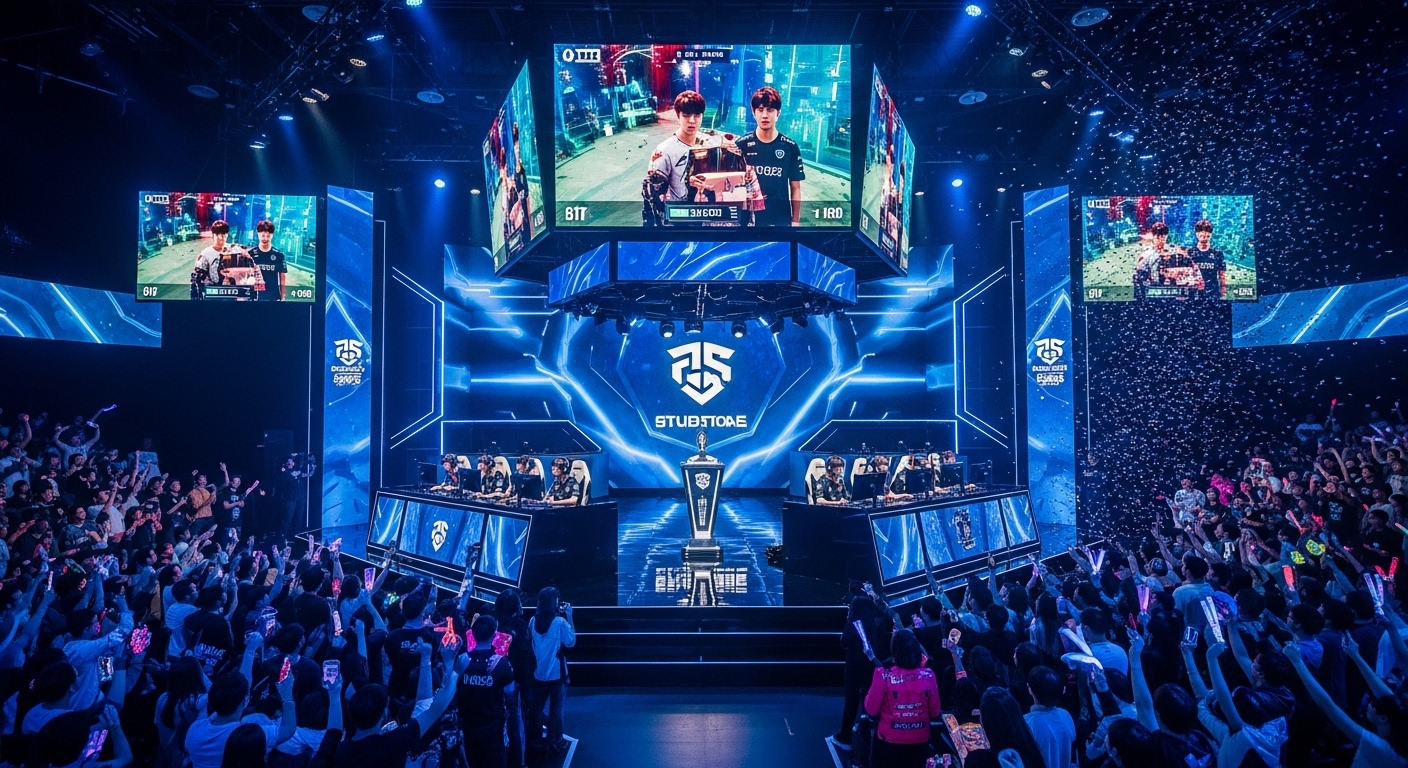
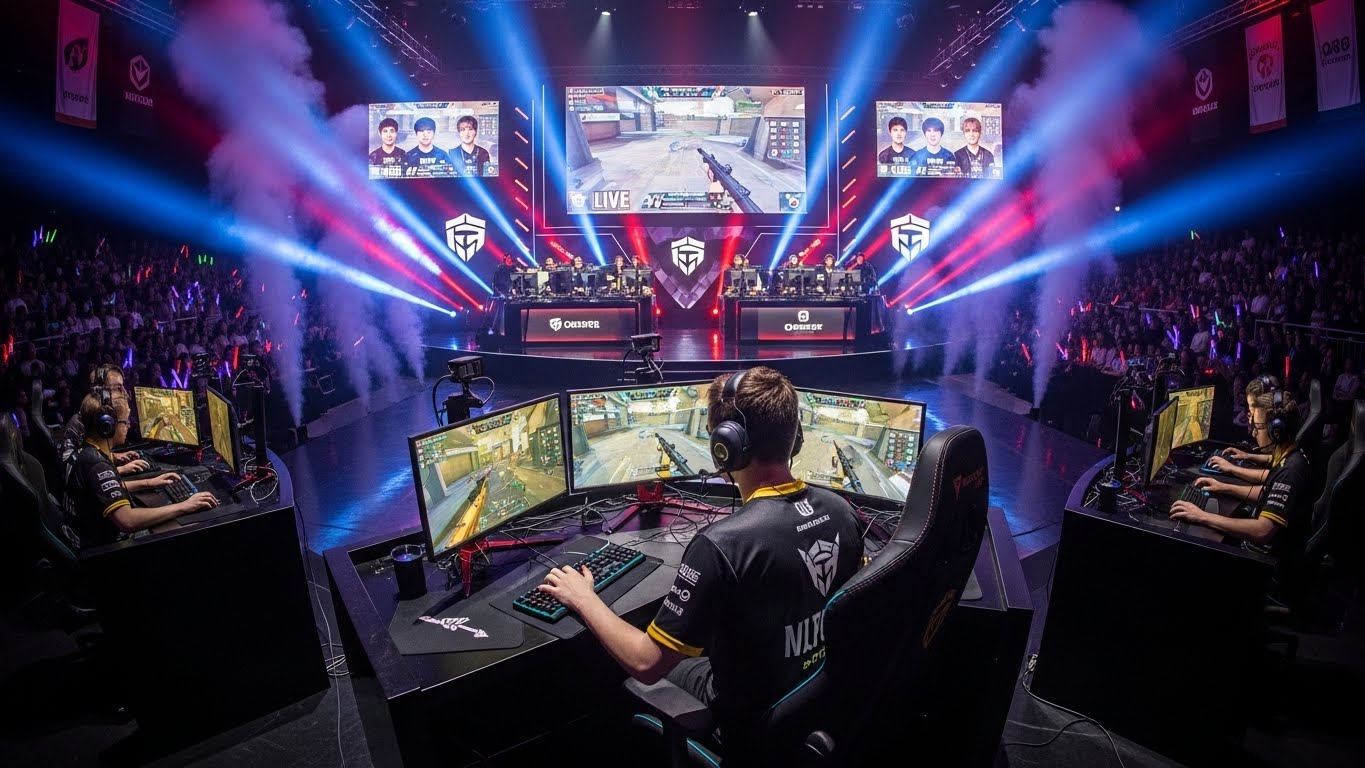
The growth of esports is closely tied to the establishment of structured leagues and tournaments. Major titles now feature professional leagues with regular seasons, playoffs, and championships. These competitions are often broadcast online to millions of viewers worldwide, creating a spectator experience comparable to traditional sports. Events like the League of Legends World Championship, Dota 2’s The International, and the Fortnite World Cup have become landmark occasions in the gaming calendar, offering multi-million-dollar prize pools and extensive media coverage. The formalization of esports leagues has legitimized the industry and transformed it into a viable career path for players, coaches, analysts, and content creators.
The Role of Streaming Platforms in Esports
Streaming platforms have been instrumental in the rise of esports. Services that allow live broadcasts of gameplay enable fans to watch professional matches, interact with commentators, and follow their favorite players in real-time. Streaming has also created a direct link between players and audiences, allowing fans to engage through chat, donations, and virtual communities. This level of interaction distinguishes esports from traditional sports, fostering a sense of intimacy and immediacy. Popular streamers and content creators often bridge the gap between competitive play and entertainment, expanding esports’ reach to casual viewers and cultivating a broader audience.
Professional Players: The New Athletes
Esports professionals exhibit skills, dedication, and discipline comparable to traditional athletes. Competitive players undergo rigorous training schedules, focusing on strategy, reflexes, communication, and teamwork. Mental resilience is critical, as high-stakes tournaments can be mentally taxing and require quick decision-making under pressure. Players also maintain public personas, interact with fans, and often participate in brand partnerships. Unlike conventional sports, esports emphasizes cognitive agility alongside physical dexterity, demonstrating that athleticism can extend beyond the physical realm. Professional players inspire communities, encourage aspiring competitors, and elevate gaming to a respected professional pursuit.
Team Dynamics and Strategy in Esports
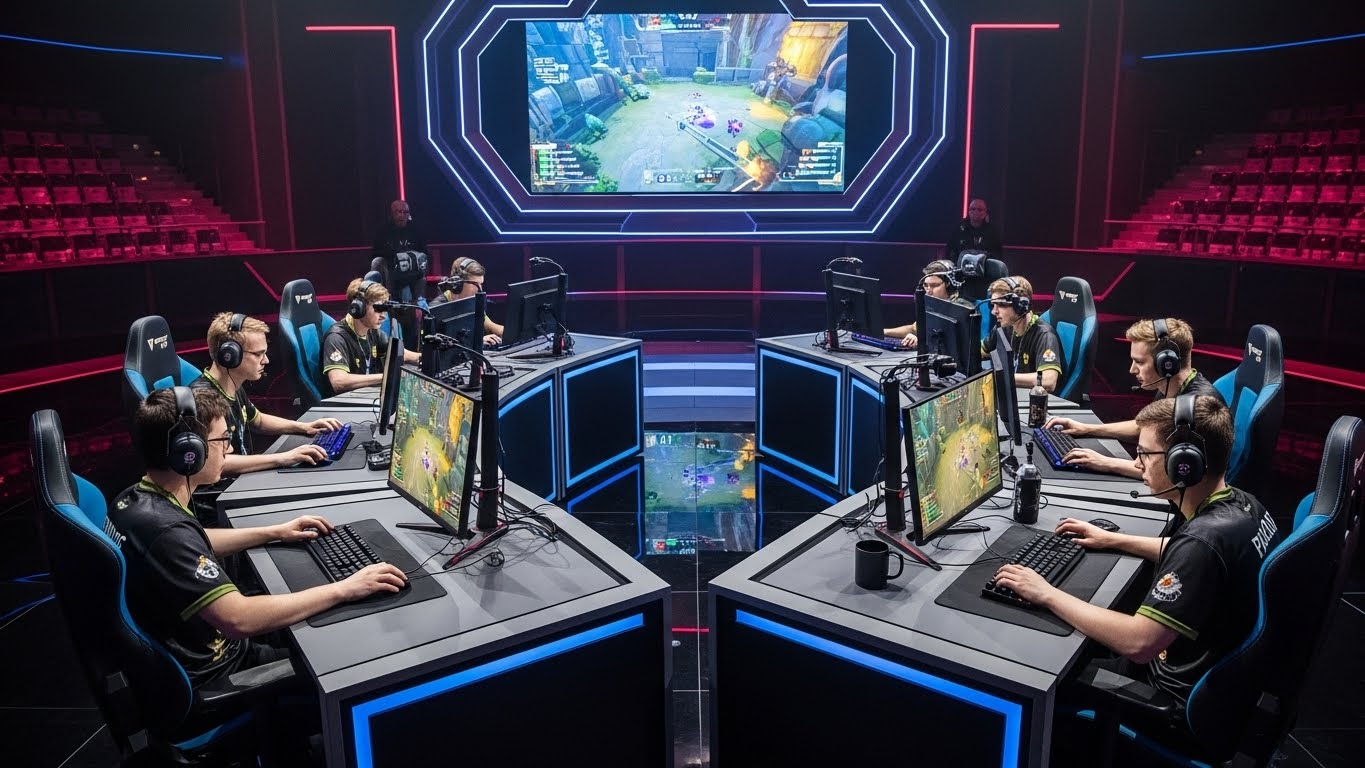
Team-based esports require coordination, communication, and strategic thinking. Games such as League of Legends, Dota 2, and Overwatch rely on synergy between teammates, with players adopting specific roles and responsibilities. Effective teams study opponents, develop strategies, and adapt to changing in-game conditions. Strategy is not limited to gameplay alone; preparation often includes reviewing footage, analyzing meta trends, and practicing communication under pressure. Team dynamics create opportunities for leadership, mentorship, and collaboration, highlighting the importance of soft skills alongside technical expertise. The combination of strategy, coordination, and performance makes esports a complex and engaging form of competition.
The Spectator Experience: Engaging Fans Worldwide
Spectatorship is a defining aspect of esports. Unlike passive entertainment, esports viewing often includes real-time analysis, commentary, and interaction with other fans. Major tournaments feature professional commentators who break down strategies, provide insights, and enhance engagement. Additionally, online platforms allow viewers to participate in discussions, vote on outcomes, and celebrate victories alongside the gaming community. Spectatorship extends beyond traditional boundaries, creating global fanbases that transcend language and geography. This communal aspect contributes to esports’ cultural significance and fosters a shared sense of excitement and identity among enthusiasts.
The Business of Esports: Sponsorships and Revenue Streams
The esports industry has become a lucrative business ecosystem. Sponsorships, merchandise, media rights, tournament prize pools, and streaming partnerships generate substantial revenue. Major brands invest in teams, events, and influencers, recognizing esports’ appeal to younger, digitally native audiences. Additionally, organizations develop content, create fan engagement campaigns, and explore merchandising opportunities, further expanding their economic footprint. The business side of esports reflects its professionalization, demonstrating that gaming is not only entertainment but also a viable commercial enterprise with long-term sustainability and growth potential.
Esports and Education: Opportunities for Skill Development
Esports is increasingly recognized as a platform for education and skill development. Competitive gaming fosters critical thinking, problem-solving, teamwork, and communication skills. Some educational institutions have established esports programs, offering scholarships, coaching, and academic integration. Beyond gameplay, students learn media production, marketing, and event management through esports initiatives. By bridging gaming with education, esports provides tangible career pathways and practical skills that extend beyond entertainment, emphasizing the medium’s broader societal and developmental impact.
Global Expansion and Cultural Impact
Esports has become a global phenomenon, with thriving communities across Asia, Europe, North America, and beyond. Countries like South Korea and China have embraced competitive gaming as mainstream culture, while emerging markets contribute to international tournaments and fanbases. Cultural exchange occurs through shared experiences, team rivalries, and global online communities. Esports also reflects societal trends, including technological adoption, digital lifestyles, and shifting perceptions of entertainment. Its global reach highlights the unifying power of gaming, creating common ground for individuals from diverse backgrounds.
The Future of Esports: Innovation and Growth
The future of esports promises continued growth and innovation. Advances in virtual reality, augmented reality, and cloud gaming may redefine competitive formats, creating immersive experiences for players and spectators alike. Artificial intelligence may enhance training, analytics, and audience engagement, while new titles and genres expand the competitive landscape. Esports may further integrate with mainstream media, blending entertainment, sports, and digital experiences. As the industry matures, opportunities for inclusivity, accessibility, and community engagement will shape its evolution, ensuring that esports remains a dynamic and influential cultural force.
Esports and Society: Redefining Competition and Entertainment
Esports challenges traditional notions of competition and entertainment. It demonstrates that skill, strategy, and dedication can take forms beyond physical activity. Esports fosters communities, encourages diversity, and provides avenues for expression and achievement. It also offers entertainment experiences that are interactive, participatory, and global in scope. By blending gaming with professional sports structures, esports bridges the gap between digital and physical culture, redefining what it means to compete, connect, and be entertained in the modern era.
Conclusion: Esports as a Cultural Revolution
Esports has evolved from small-scale competitions to a global industry that captivates millions of players, fans, and investors. Its growth reflects the convergence of technology, culture, and entertainment, creating a medium that is both competitive and participatory. Professional players, teams, tournaments, and streaming platforms have elevated gaming to a respected and profitable pursuit. Beyond economics, esports fosters skill development, social connections, and global engagement. As the industry continues to innovate and expand, esports is poised to remain at the forefront of digital culture, transforming the way we play, watch, and experience competition worldwide.