Introduction: Gaming Enters the Big League
Esports, once dismissed as a niche pastime for hobbyists, has evolved into a powerful global industry that rivals traditional sports in popularity, revenue, and cultural impact. What began as friendly competitions in arcades and online lobbies has transformed into packed arenas, professional teams, million-dollar tournaments, and a devoted worldwide fan base. Esports is no longer just about playing video games; it represents a new form of entertainment, a career path, and a digital culture that reflects the changing habits of modern audiences.
This blog explores the journey of esports from its humble beginnings to its current status as a mainstream phenomenon. It examines the structure of the industry, the lives of professional players, the role of technology, and the future challenges and opportunities that lie ahead.
The Origins of Esports: From Arcades to Arenas
The roots of esports can be traced back to the early days of competitive gaming, when players gathered around arcade machines to compete for high scores and local bragging rights. As home consoles and personal computers became more common, competitive gaming expanded into living rooms and internet cafes. Early tournaments were small and informal, often organized by gaming communities rather than corporations.
The real turning point came with the rise of online multiplayer games and faster internet connections. Players could now compete against opponents from around the world, and audiences could watch matches in real time. This accessibility laid the foundation for esports as a spectator activity, not just a participatory one. Over time, game developers, sponsors, and media companies recognized the potential of competitive gaming, investing resources to professionalize and scale the industry.
What Defines Esports Today
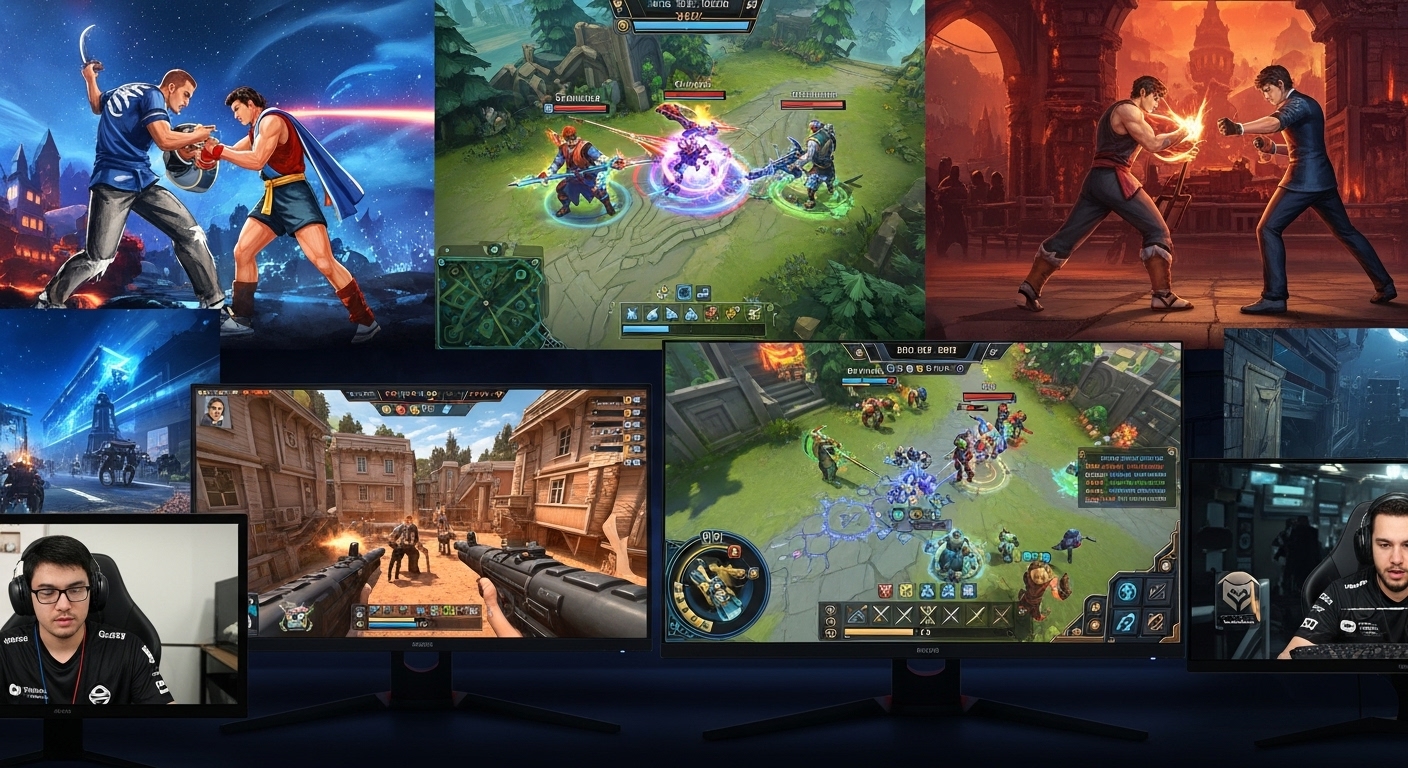
Modern esports is defined by organized competition, professional players, and structured leagues or tournaments. Games commonly associated with esports span multiple genres, including multiplayer online battle arenas, first-person shooters, real-time strategy games, sports simulations, and fighting games. Each title has its own ecosystem, ruleset, and community, contributing to the diversity of the esports landscape.
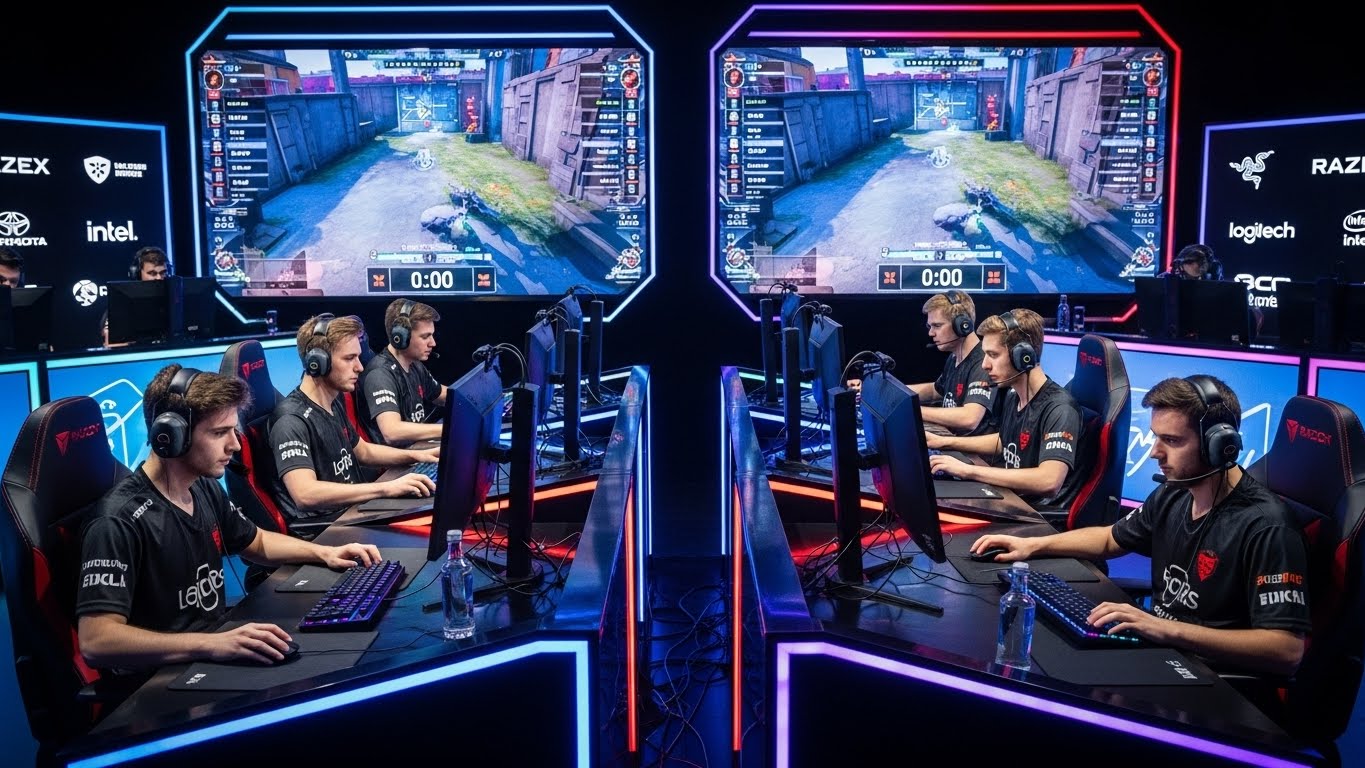
Professional esports teams operate much like traditional sports organizations. They have coaches, analysts, managers, and support staff who work together to optimize performance. Players train for long hours, studying strategies, refining mechanics, and reviewing match footage. Success depends not only on individual skill but also on teamwork, communication, and mental resilience.
The Life of a Professional Esports Player
Becoming a professional esports player requires exceptional talent, dedication, and discipline. Contrary to the stereotype of casual gaming, professional players follow rigorous training schedules that can include eight to twelve hours of practice per day. This training involves mechanical drills, strategy development, scrimmages against other teams, and physical or mental conditioning.
The career span of an esports player is often shorter than that of athletes in traditional sports. Reaction time, adaptability, and motivation play crucial roles, and younger players tend to have an advantage. As a result, many professionals begin their careers in their late teens and consider retirement in their mid to late twenties. Planning for life after competition is an important consideration, leading some players to transition into coaching, content creation, or management roles.
Esports as Entertainment and Spectacle
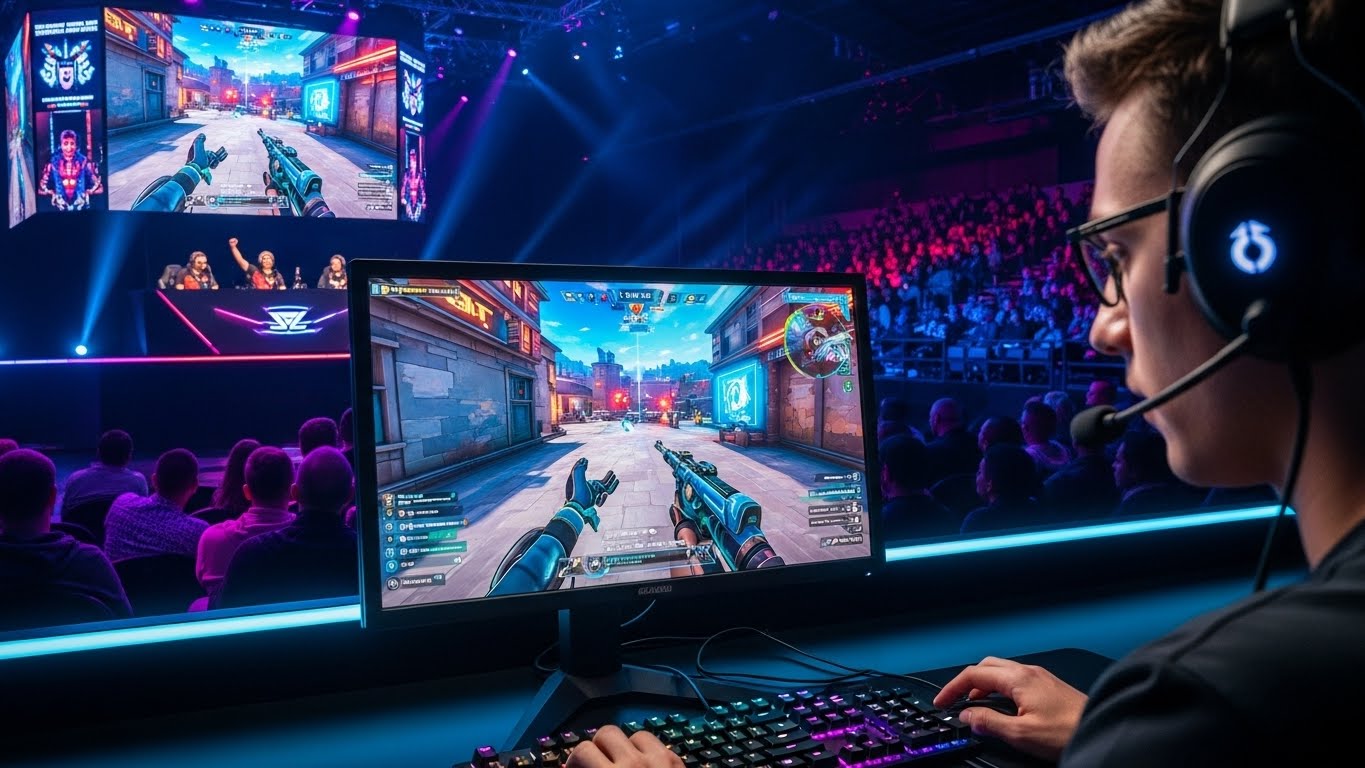
One of the key drivers of esports growth is its appeal as a form of entertainment. Esports events are carefully produced spectacles, complete with live commentary, pre-match analysis, player interviews, and high-quality visuals. Large tournaments often take place in stadiums filled with thousands of fans, creating an atmosphere comparable to major sporting events.
For viewers, esports offers constant action, strategic depth, and emotional investment. Fans follow their favorite teams and players, celebrate victories, and share in the disappointment of losses. Online platforms have made it easy for audiences to engage with esports content, participate in discussions, and feel connected to the community regardless of location.
The Business Side of Esports
Behind the excitement of competition lies a complex and rapidly growing business ecosystem. Revenue in esports comes from multiple sources, including sponsorships, advertising, merchandise, ticket sales, and media rights. Brands from both gaming and non-gaming industries have entered the space, seeking to connect with younger, digitally savvy audiences.
Game publishers play a central role in the esports economy, as they own the intellectual property of the games being played. This gives them significant control over how competitions are structured and monetized. While this model differs from traditional sports, it allows publishers to support esports development through updates, balance changes, and official tournament circuits.
The Role of Technology and Innovation
Technology is the backbone of esports, shaping how games are played, watched, and organized. Advances in hardware, software, and network infrastructure have improved performance and accessibility, enabling smoother gameplay and higher-quality broadcasts. Innovations such as advanced analytics, performance tracking, and virtual production tools have enhanced both competitive integrity and viewer experience.
Emerging technologies continue to influence the direction of esports. Virtual reality and augmented reality have the potential to change how audiences interact with matches, while artificial intelligence is being explored for coaching, analysis, and cheat detection. As technology evolves, esports remains at the forefront of digital innovation.
Community and Culture in Esports
Esports is not just an industry; it is a culture shaped by passionate communities. Fans, players, streamers, and creators contribute to a shared identity built around games and competition. Online forums, social media, and live chats allow fans to express opinions, share highlights, and build relationships.
This community-driven nature gives esports a unique energy but also presents challenges. Issues such as toxicity, harassment, and inclusivity have sparked important conversations within the industry. Many organizations are now taking steps to promote positive behavior, diversity, and mental well-being, recognizing that a healthy community is essential for long-term growth.
Esports and Education
In recent years, esports has found a place within educational institutions. Schools and universities have established esports teams, scholarships, and academic programs related to game design, event management, and digital media. These initiatives highlight the transferable skills developed through esports, such as teamwork, strategic thinking, communication, and problem-solving.
Educational esports programs also help legitimize competitive gaming in the eyes of parents and educators. By providing structured environments and clear pathways, they demonstrate that esports can coexist with academic goals and personal development.
Challenges Facing the Esports Industry
Despite its success, esports faces several challenges that could shape its future. Player burnout is a growing concern, driven by intense schedules and constant pressure to perform. Ensuring fair competition through effective regulation and anti-cheating measures remains an ongoing effort.
Financial sustainability is another key issue. While top-tier teams and events generate significant revenue, smaller organizations often struggle to remain profitable. Creating stable business models that support all levels of competition is essential for the long-term health of the industry.
The Future of Esports
The future of esports appears promising, with continued growth in viewership, investment, and global reach. As new games emerge and existing titles evolve, the esports ecosystem will adapt and expand. Greater integration with traditional media, improved player welfare systems, and broader representation are likely to define the next phase of development.
Esports is also poised to influence how society defines sports and competition. By blending technology, entertainment, and human skill, it challenges traditional boundaries and offers a glimpse into the future of digital culture.
Conclusion: More Than Just a Game
Esports has grown far beyond its origins as casual competition, becoming a dynamic and influential part of the global entertainment landscape. It represents the intersection of gaming, technology, and human ambition, offering opportunities for players, fans, and businesses alike. As esports continues to mature, it will not only shape the future of gaming but also redefine how people connect, compete, and celebrate excellence in the digital age.