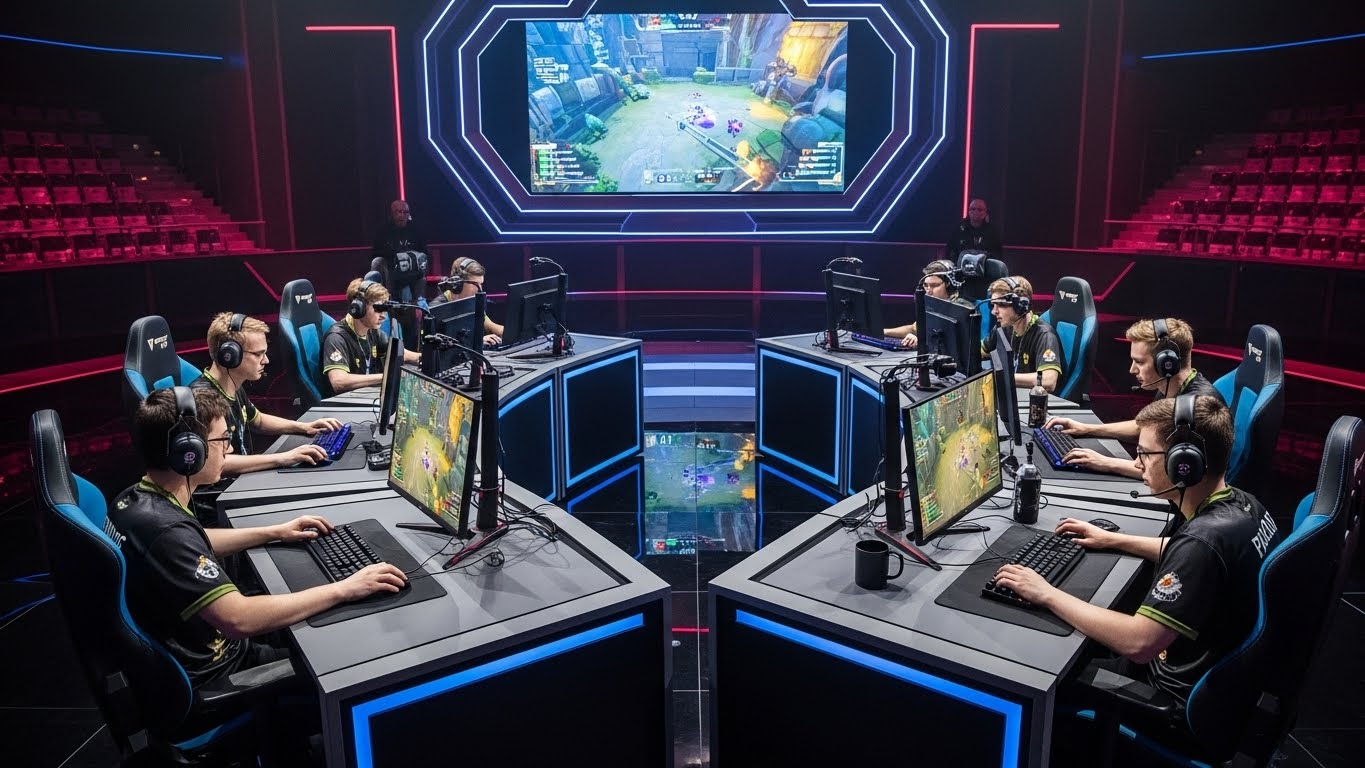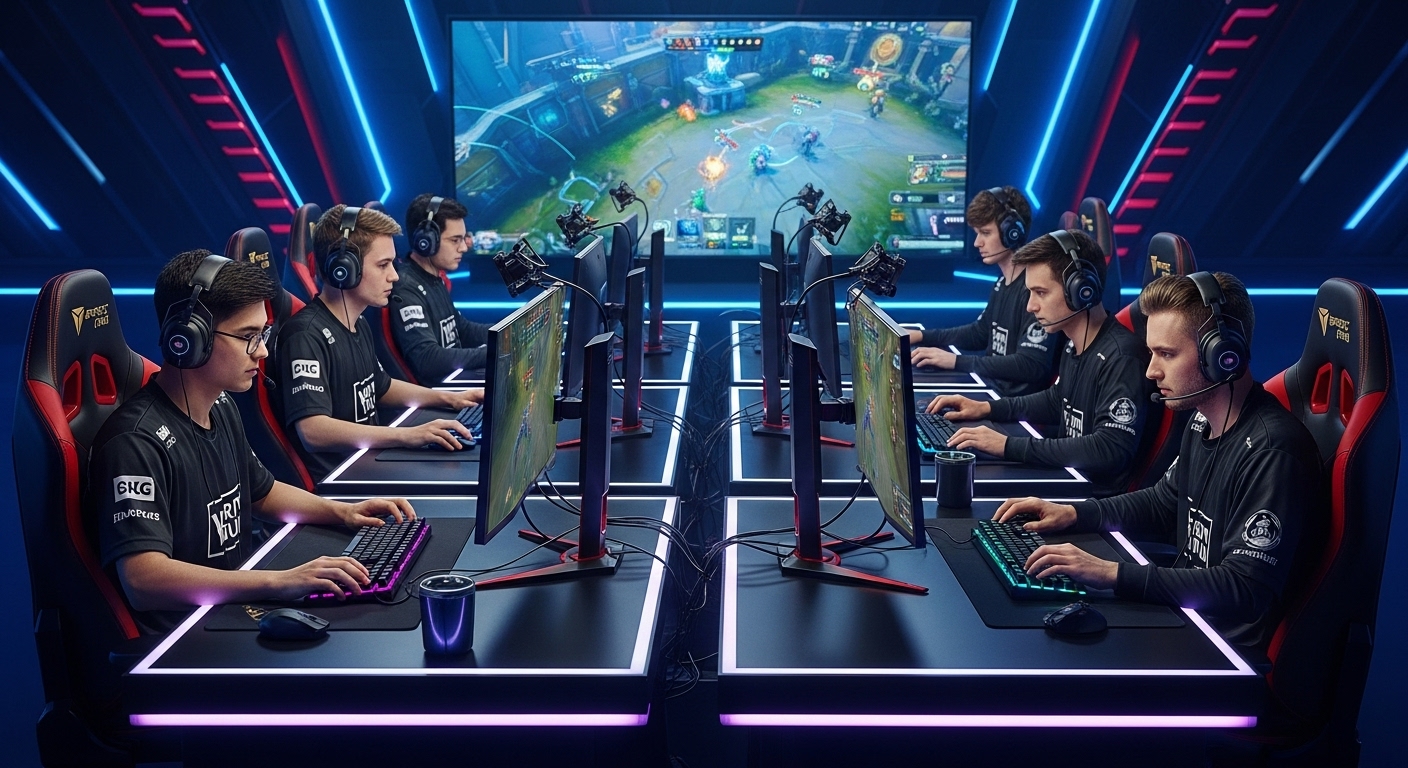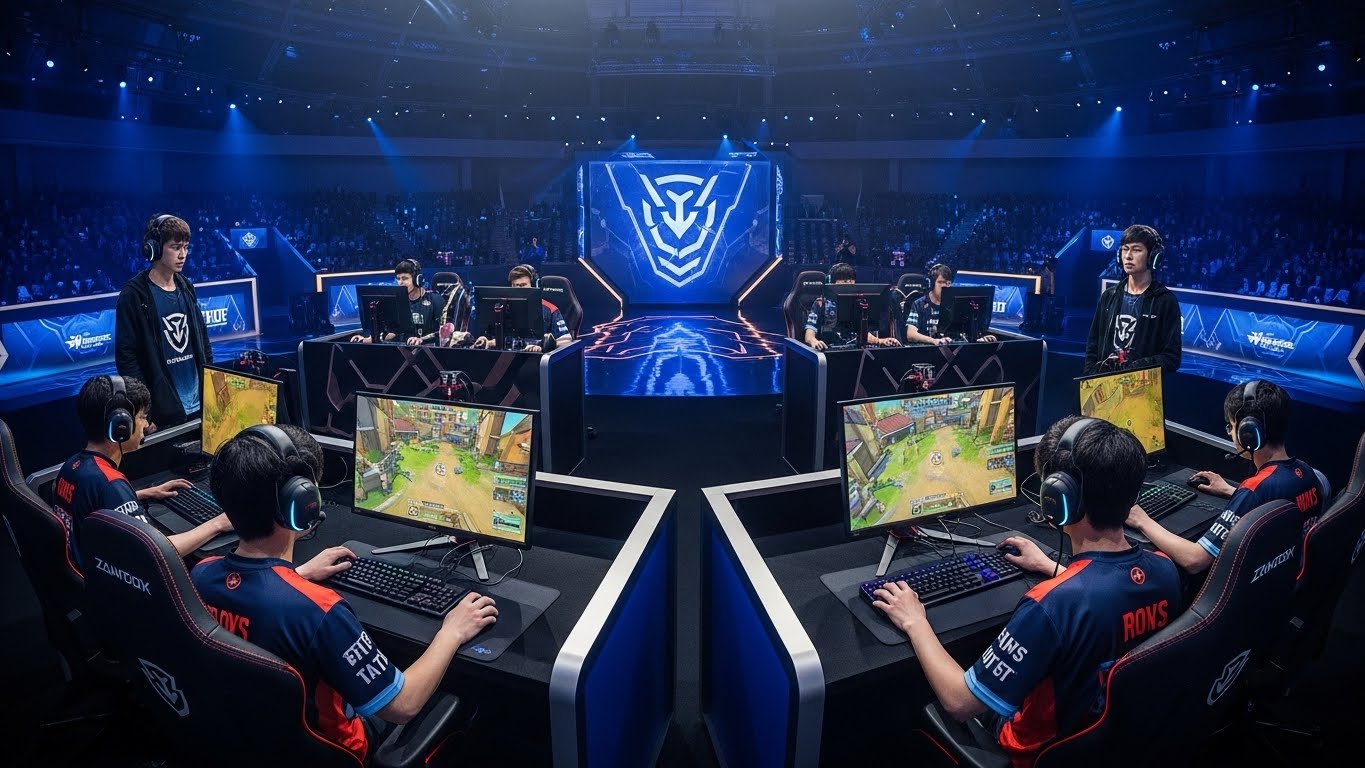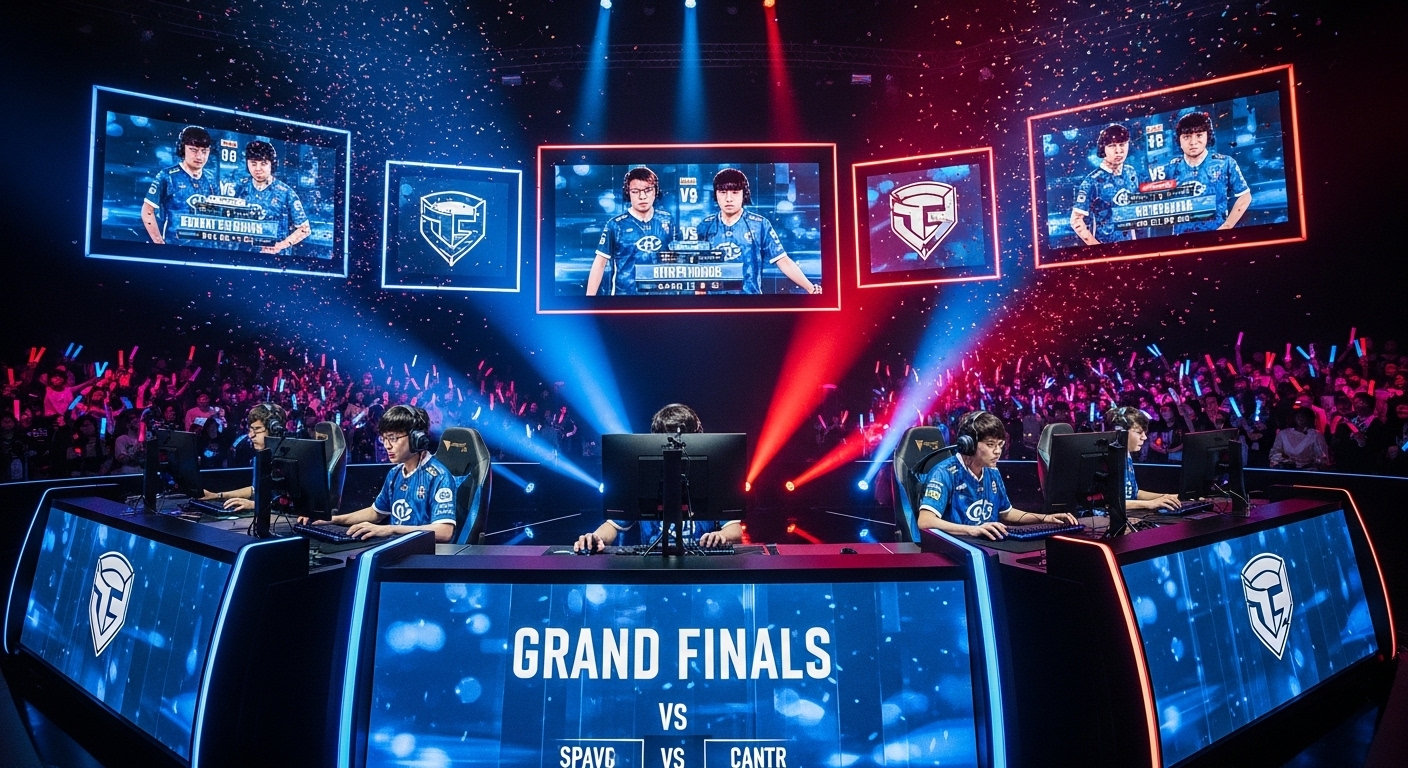
Esports has evolved from a niche hobby to a global phenomenon, transforming the way people perceive competitive gaming. Once dismissed as a pastime for a select few, esports now commands millions of viewers, attracts substantial investments, and has become a legitimate career path for professional gamers. With advanced technology, global connectivity, and a thriving fan base, esports has redefined entertainment, competition, and even education in the digital age.
The Origins of Esports: From Arcades to Online Arenas
The concept of competitive gaming is not entirely new. The first organized video game competitions date back to the 1970s and 1980s, with arcade games like Space Invaders and Pac-Man attracting small crowds eager to prove their skills. However, the real catalyst for esports came with the rise of networked computers and the internet, which allowed players to compete globally.
The late 1990s and early 2000s saw the emergence of games like StarCraft, Counter-Strike, and Warcraft III, which laid the foundation for professional competitive gaming. Tournaments began to offer cash prizes, and gaming communities became increasingly organized. This period marked the transition from casual competition to structured esports, paving the way for the massive industry we witness today.
The Growth of Esports: A Global Perspective
Esports has experienced unprecedented growth over the past decade. Major tournaments now attract audiences in the millions, rivaling traditional sports in both viewership and engagement. Countries such as South Korea, China, and the United States have been at the forefront of this expansion, fostering professional leagues, sponsorship deals, and dedicated esports arenas.
The globalization of esports has allowed fans to connect across borders, creating an international community of players and spectators. Streaming platforms have been instrumental in this growth, offering live coverage of tournaments and providing gamers with a platform to build personal brands. The accessibility of esports content ensures that anyone, anywhere, can engage with the community and experience the thrill of competitive gaming.
Popular Esports Titles and Their Impact
The diversity of games in esports is remarkable, each offering unique competitive experiences. Multiplayer online battle arenas such as League of Legends and Dota 2 focus on strategic teamwork and complex gameplay mechanics. First-person shooters like Counter-Strike: Global Offensive and Valorant emphasize reflexes, accuracy, and coordination. Fighting games, sports simulations, and battle royale titles also contribute to the variety of competitive options.
Each game brings its own fan base, culture, and style of competition. The success of a particular title can influence the broader esports ecosystem, including sponsorship opportunities, tournament structures, and the emergence of professional teams. The popularity of these games demonstrates that esports is not a monolithic industry but a vibrant landscape shaped by both players and fans.
The Role of Streaming Platforms in Esports
Streaming platforms have revolutionized the way esports content is consumed. Platforms like Twitch and YouTube Gaming allow players to broadcast matches, provide live commentary, and engage directly with fans. This interaction between players and audiences creates a sense of community, transforming spectatorship into an immersive experience.
Live streaming also contributes to the financial sustainability of esports. Professional gamers and content creators earn revenue through subscriptions, donations, sponsorships, and advertising. This monetization has made esports a viable career path for skilled players, elevating competitive gaming to a level comparable to traditional sports in terms of professionalism and earning potential.
Professionalization of Esports: Teams, Coaches, and Careers
Professional esports has evolved into a structured industry with teams, coaches, analysts, and managers, mirroring the organization of conventional sports. Teams compete in leagues, tournaments, and global championships, with players often dedicating full-time schedules to practice, strategy, and fitness.
Coaches play a crucial role in refining gameplay strategies, analyzing opponents, and managing team dynamics. Analysts contribute by studying performance metrics, providing data-driven insights to optimize outcomes. This professional ecosystem ensures that esports is not merely a game but a highly competitive and organized discipline that demands skill, dedication, and strategic thinking.
The Economic Impact of Esports
The economic influence of esports is substantial and continues to grow. Sponsorships, media rights, merchandise, and ticket sales contribute to a multi-billion-dollar industry. Major brands from technology, fashion, and entertainment sectors are increasingly investing in esports to reach younger, digitally native audiences.
Esports also drives job creation beyond the players themselves. Careers in event management, content creation, marketing, and software development are increasingly tied to the industry’s expansion. The economic ecosystem surrounding esports demonstrates its legitimacy as a business sector and underscores its potential to rival traditional entertainment industries.
Esports and Education: Bridging Learning and Gaming
Educational institutions are beginning to recognize the value of esports in developing critical skills. Colleges and universities are now offering scholarships for esports athletes, integrating gaming into curricula, and using esports as a tool to foster teamwork, leadership, and strategic thinking.
In addition to formal education, esports encourages problem-solving, communication, and adaptability. Players must learn to make rapid decisions under pressure, coordinate with team members, and adjust strategies based on opponents’ behavior. These skills have practical applications beyond gaming, highlighting esports as a tool for personal and professional development.
The Psychological and Social Dimensions of Esports
Esports is not only a competitive endeavor but also a social and psychological phenomenon. Participating in esports can boost confidence, improve cognitive abilities, and provide a sense of community. Online teams and fan communities offer opportunities for social interaction, friendship, and collaboration across geographic boundaries.
However, it is essential to approach esports with balance. Excessive gaming or high-pressure competition can lead to stress, fatigue, or social isolation. Healthy practices, including time management, physical exercise, and mental health support, are critical to ensuring that esports remains a positive and rewarding experience for participants.
Challenges Facing the Esports Industry
Despite its rapid growth, esports faces several challenges. Regulatory concerns, player welfare, and the standardization of competition rules are ongoing issues. The industry must navigate copyright, cheating, and betting-related controversies, ensuring fair play and integrity across tournaments.
Additionally, the pressure on professional players can be immense, with long hours, intense scrutiny, and a high rate of burnout. Addressing these challenges requires collaboration among teams, organizers, sponsors, and governing bodies to create sustainable and ethical frameworks for competition.
The Future of Esports: Emerging Trends and Technologies
The future of esports promises innovation and expansion. Virtual reality and augmented reality could transform gameplay into immersive experiences, blurring the line between digital and physical competition. Artificial intelligence and machine learning are expected to enhance game design, opponent analysis, and personalized training for players.
The integration of esports into mainstream culture is likely to continue, with increased media coverage, sponsorship, and recognition from traditional sports organizations. Esports is positioned to become not just an entertainment medium but a cultural force that shapes trends, influences technology, and inspires the next generation of gamers and innovators.
Esports as a Cultural Phenomenon
Esports is more than just competition; it has become a cultural movement. Fans celebrate their favorite players, teams, and games through cosplay, fan art, and online communities. Major tournaments are global spectacles, blending entertainment, technology, and community in ways that mirror traditional sports while remaining distinctly digital.
The cultural significance of esports lies in its ability to unite people across borders, foster creativity, and create shared experiences. It demonstrates that gaming is no longer a solitary hobby but a medium capable of influencing identity, social interaction, and entertainment trends worldwide.
Conclusion: The Lasting Legacy of Esports
Esports has grown from humble beginnings to a global industry with cultural, economic, and social significance. It represents the convergence of technology, entertainment, and human creativity, offering opportunities for competition, connection, and personal growth.
As esports continues to evolve, its influence will expand across education, business, and culture, solidifying its status as a legitimate and transformative force in modern society. Beyond the excitement of the game itself, esports exemplifies how digital innovation and human passion can create experiences that captivate audiences, challenge conventions, and inspire a new generation of players and fans.