Introduction: The Evolution of Competitive Gaming
Over the past two decades, the world has witnessed a technological revolution that has reshaped entertainment, communication, and even competition. One of the most striking developments within this digital age is the meteoric rise of Esports — organized, competitive video gaming. Once dismissed as a casual pastime, Esports has evolved into a billion-dollar industry with global tournaments, celebrity players, and millions of devoted fans.
Esports represents more than just video games; it’s the convergence of technology, creativity, and human ambition. It combines the thrill of competition with the accessibility of modern technology, blurring the lines between athlete and gamer, between sport and spectacle.
The Origins of Esports
The seeds of Esports were planted long before the term existed. The concept of competitive gaming dates back to the 1970s, when the first organized video game competition was held at Stanford University in 1972. Players competed in the game Spacewar! for a grand prize of a year’s subscription to Rolling Stone magazine. It was a small event, but it marked the beginning of something extraordinary.
The 1980s saw arcade games become mainstream, and with them came the first gaming tournaments. Players battled for the highest scores on Pac-Man, Donkey Kong, and Space Invaders. By the time Nintendo hosted the Nintendo World Championships in 1990, gaming had begun its transformation from casual recreation to organized competition.
However, the true catalyst for Esports came in the late 1990s and early 2000s with the rise of the internet. Multiplayer gaming moved online, allowing players across continents to compete in real-time. Titles like StarCraft, Counter-Strike, and Quake laid the foundation for the Esports ecosystem we see today.
The Early 2000s: The Birth of Modern Esports
As broadband internet became more accessible, competitive gaming communities flourished. South Korea, in particular, became the heart of early Esports. With government support and a strong gaming culture, it created professional gaming leagues, dedicated TV channels, and full-time gamers.
Games like StarCraft: Brood War turned players into celebrities, with stadiums filled with fans cheering for their favorite teams. This early infrastructure served as the model for how Esports could grow globally.
Meanwhile, in the West, competitive gaming was evolving through titles such as Counter-Strike 1.6, Halo 2, and Warcraft III. Organizations like Major League Gaming (MLG) in the United States began organizing structured tournaments, offering prize money and sponsorships. The foundation was being set for Esports to become not just a hobby, but a legitimate career path.
The Explosion of Online Streaming
The rise of platforms like Twitch, YouTube Gaming, and Facebook Live was a turning point for Esports. Previously, competitive gaming was limited by geography and technology — only those who could attend events in person could witness the excitement. Streaming changed everything.
Now, fans around the world could watch live matches, interact with players in real time, and follow their favorite teams. Esports no longer relied on traditional television broadcasts; it had its own digital audience, one that was younger, tech-savvy, and deeply engaged.
The accessibility of streaming democratized Esports, allowing anyone with a decent internet connection to join the global community. Tournaments like The International for Dota 2 and League of Legends World Championship began attracting millions of live viewers. These events rivaled — and sometimes surpassed — traditional sports broadcasts in audience size.
The Rise of Major Esports Titles
Esports today is defined by several flagship titles, each with its own ecosystem, fanbase, and culture. These games have become synonymous with the industry itself.
League of Legends (LoL)
Released by Riot Games in 2009, League of Legends transformed the Esports scene with its accessibility and competitive structure. Its annual World Championship has become one of the largest Esports events globally, featuring teams from every continent and boasting multi-million-dollar prize pools.
Dota 2
A spiritual successor to the Warcraft III mod Defense of the Ancients, Dota 2 set new standards for Esports tournaments. Valve’s The International remains the most lucrative event in Esports history, with prize pools funded by player contributions often exceeding $30 million.
Counter-Strike: Global Offensive (CS:GO)
The Counter-Strike franchise has been a pillar of competitive gaming since 1999. Its tactical depth, teamwork requirements, and intense matches have made it a staple of Esports tournaments for over two decades.
Fortnite
Epic Games’ Fortnite brought Esports to mainstream pop culture. Blending a battle royale format with creativity and crossovers, it captured the attention of younger audiences and introduced them to competitive gaming. The Fortnite World Cup made headlines with its massive prizes and young champions.
Valorant, Overwatch, and Call of Duty
These modern shooters expanded Esports into new territories. Valorant merged tactical gameplay with character abilities, Overwatch introduced team-based hero dynamics, and Call of Duty continued to dominate console-based competitive scenes.
The Globalization of Esports
Esports is no longer confined to a single region. It has become a global phenomenon, transcending language, culture, and geography. Asia, particularly China and South Korea, remains a powerhouse, but North America, Europe, and even regions like South America and the Middle East are quickly catching up.
Countries now host national Esports federations, and some even include Esports in their official sporting programs. Universities offer scholarships for competitive gaming, and governments recognize Esports athletes as professionals with visas for international tournaments.
The cultural impact of Esports is undeniable. It has influenced fashion, music, and entertainment. From themed concerts to brand collaborations, Esports sits at the crossroads of youth culture and technology.
Esports and Traditional Sports: The Convergence
Initially, traditional sports organizations viewed Esports with skepticism. Many dismissed it as a passing trend or questioned whether video games could be considered “real sports.” Over time, however, this perception changed.
Today, major sports teams and franchises have invested heavily in Esports. Football clubs like Paris Saint-Germain, Manchester City, and FC Barcelona own Esports divisions. The NBA launched the NBA 2K League, blending basketball culture with virtual competition. Even Formula 1 has its own official Esports series.
This convergence highlights a key point: both traditional sports and Esports share the same core — competition, strategy, and performance under pressure. The difference lies only in the medium.
The Business of Esports
Esports is a billion-dollar industry powered by sponsorships, media rights, merchandise, and advertising. Brands ranging from tech giants to luxury companies invest heavily in tournaments and teams to reach the valuable youth demographic that Esports commands.
Teams operate like professional sports franchises, complete with training facilities, nutritionists, and performance analysts. Players sign contracts, negotiate salaries, and even transfer between teams for millions of dollars. Some Esports athletes earn more than traditional sports players.
Revenue also comes from streaming, where players can build personal brands and earn income through subscriptions and donations. The industry has created jobs beyond gaming — from casters and analysts to event organizers and content creators.
Esports Arenas and Live Events
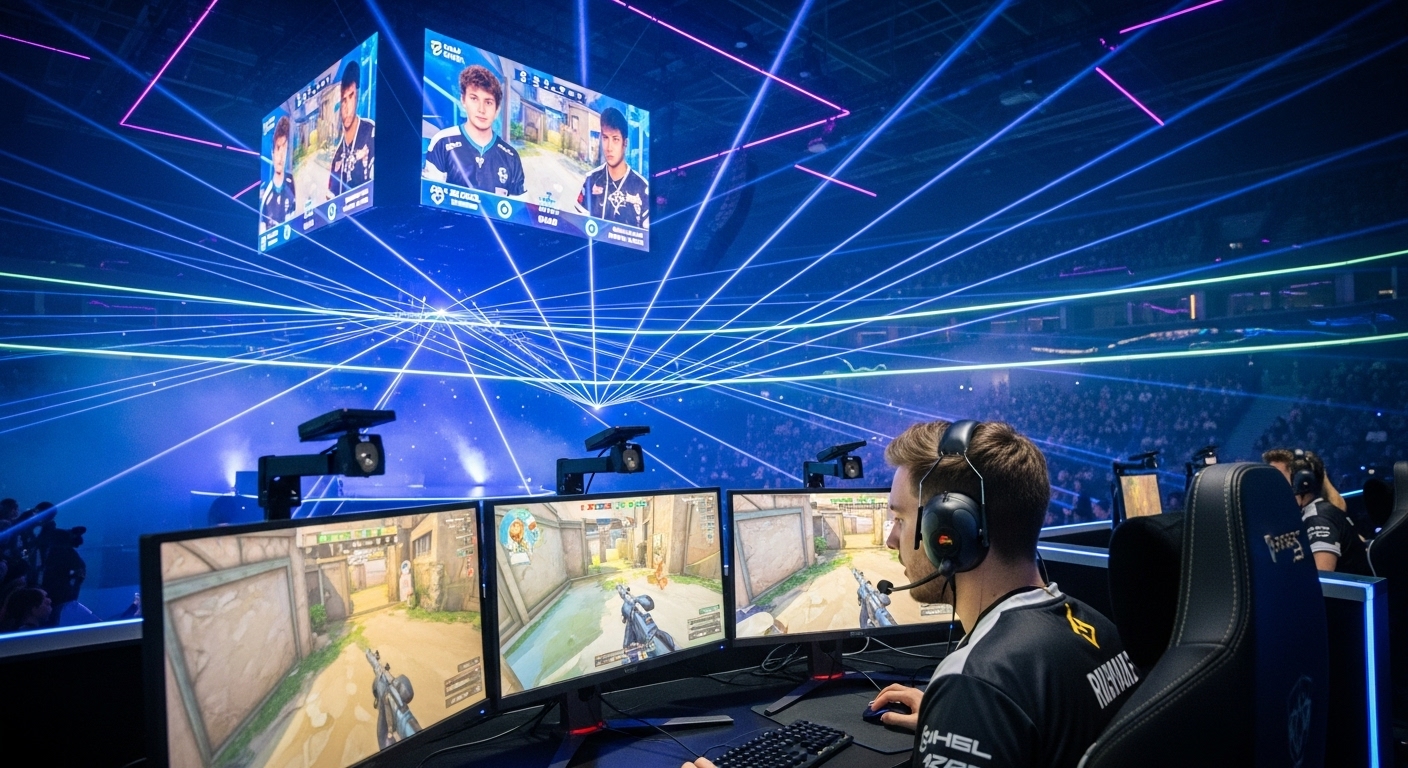
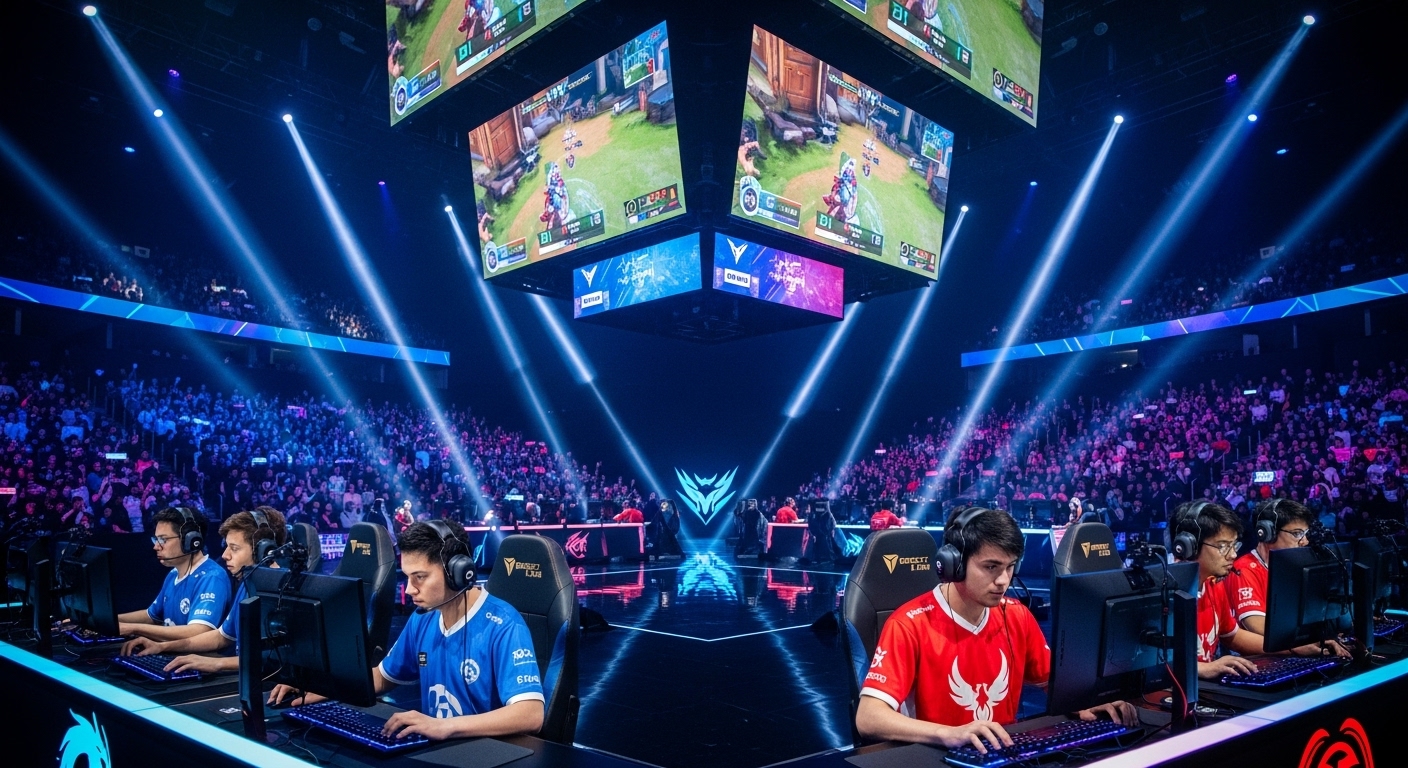
One of the most impressive aspects of Esports’ growth is its transition into physical spaces. Stadiums once used for concerts or sports now host Esports tournaments, complete with elaborate stages, lights, and massive screens.
Cities like Seoul, Los Angeles, and Shanghai have become global Esports hubs, with dedicated arenas built for gaming. The League of Legends World Finals and The International fill arenas to capacity, while millions more watch online.
The atmosphere at these events rivals traditional sporting events — fans chant, wave banners, and celebrate with the same intensity as football supporters. Esports has proven that it can command both digital and physical audiences.
The Psychology of Competitive Gaming
Behind the glamour and prize money lies a world of intense discipline, strategy, and psychological resilience. Esports athletes train for hours daily, studying gameplay, refining mechanics, and maintaining focus under pressure. Reaction times, hand-eye coordination, and decision-making speed are critical to success.
Like traditional athletes, gamers face burnout, stress, and mental health challenges. The pressure to perform at a high level, combined with online scrutiny, can take a toll. Many organizations now employ psychologists and wellness coaches to support players’ mental well-being.
The mental aspect of Esports also draws comparisons to chess — strategic depth, anticipation, and adaptability define the best players. Victory often depends not only on skill but on reading opponents’ intentions and adapting mid-match.
Women in Esports
For many years, Esports was a male-dominated field. However, recent years have seen a growing movement to promote inclusivity and diversity. Female gamers, streamers, and professionals are breaking barriers, proving their skill and leadership in the competitive scene.
Events and leagues dedicated to women’s Esports are emerging, but the ultimate goal remains full integration — where gender does not define opportunity. Representation matters, and as more women take visible roles in gaming, Esports becomes more balanced and equitable.
Technology Driving the Esports Revolution
Esports owes its growth to technology — from powerful gaming PCs to ultra-fast internet connections. Advancements in cloud computing, 5G networks, and virtual reality are reshaping how games are played and viewed.
Artificial intelligence is also transforming Esports, analyzing gameplay data to improve strategies. Augmented reality (AR) and virtual reality (VR) promise immersive experiences, blurring the boundaries between the physical and digital worlds.
Moreover, blockchain technology and digital collectibles (such as in-game items and skins) have created new economic models, allowing players to earn real value from virtual achievements.
The Role of Education and Training
As Esports matures, educational institutions are recognizing its potential. Universities offer Esports management degrees, while high schools create gaming clubs and varsity teams. Esports teaches valuable skills — teamwork, communication, leadership, and problem-solving — that extend beyond the screen.
Professional training programs now mirror traditional sports academies. Players analyze replays, follow strict training regimens, and work on physical health. The discipline required to compete at the top level demonstrates that Esports is far more than casual entertainment; it’s a demanding career requiring dedication and resilience.
The Cultural Impact of Esports
Esports has become an integral part of modern pop culture. It influences fashion, music, and even film. Game characters appear in music videos, athletes stream on gaming platforms, and celebrities invest in Esports teams.
Gaming communities foster global connections. Fans from different countries unite around their favorite players and teams, transcending borders. Esports has also contributed to the broader acceptance of gaming as a legitimate form of art and storytelling.
The language of gaming — from memes to slang — has permeated social media and everyday communication, shaping youth identity and digital culture.
Challenges Facing the Esports Industry
Despite its success, Esports faces several challenges that could influence its future growth.
Player Burnout
The competitive schedule, long practice hours, and mental pressure can lead to burnout. Many players retire early, often in their twenties, due to fatigue or stress.
Regulation and Governance
Unlike traditional sports, Esports lacks a unified governing body. Different publishers control their own competitive ecosystems, leading to fragmented rules and standards.
Cheating and Integrity
The rise of online competition increases the risk of cheating, hacking, and match-fixing. Maintaining fair play remains a constant struggle.
Sustainability and Business Models
While viewership continues to rise, some Esports organizations struggle with profitability. Finding sustainable financial models beyond sponsorships is a key challenge for the industry.
The Future of Esports
The future of Esports looks brighter than ever. With global audiences exceeding 600 million viewers and growing, Esports is on track to rival — or even surpass — traditional sports in influence and profitability.
Emerging technologies like virtual reality and metaverse integration will create new ways to experience gaming. Fans might soon attend virtual arenas, interact with players in real-time, and even influence matches through live engagement.
The line between player, fan, and creator will continue to blur. As gaming culture integrates deeper into everyday life, Esports will stand not only as a form of entertainment but as a defining aspect of the 21st-century digital identity.
Conclusion: A New Era of Competition
Esports represents a shift in how humanity views competition and entertainment. What began as a few students playing Spacewar! has evolved into a global industry, uniting millions through passion, skill, and technology.
It is a reflection of the digital age — fast-paced, connected, and limitless in potential. Esports embodies the modern spirit of innovation, where creativity meets competition, and where the virtual world mirrors the triumphs and challenges of real life.
As we move deeper into the digital future, Esports stands not as an alternative to traditional sports, but as their evolution. It celebrates the same values — discipline, teamwork, and excellence — through a new and dynamic medium. And as long as technology continues to evolve, so too will Esports, leading humanity into new realms of play, connection, and discovery.