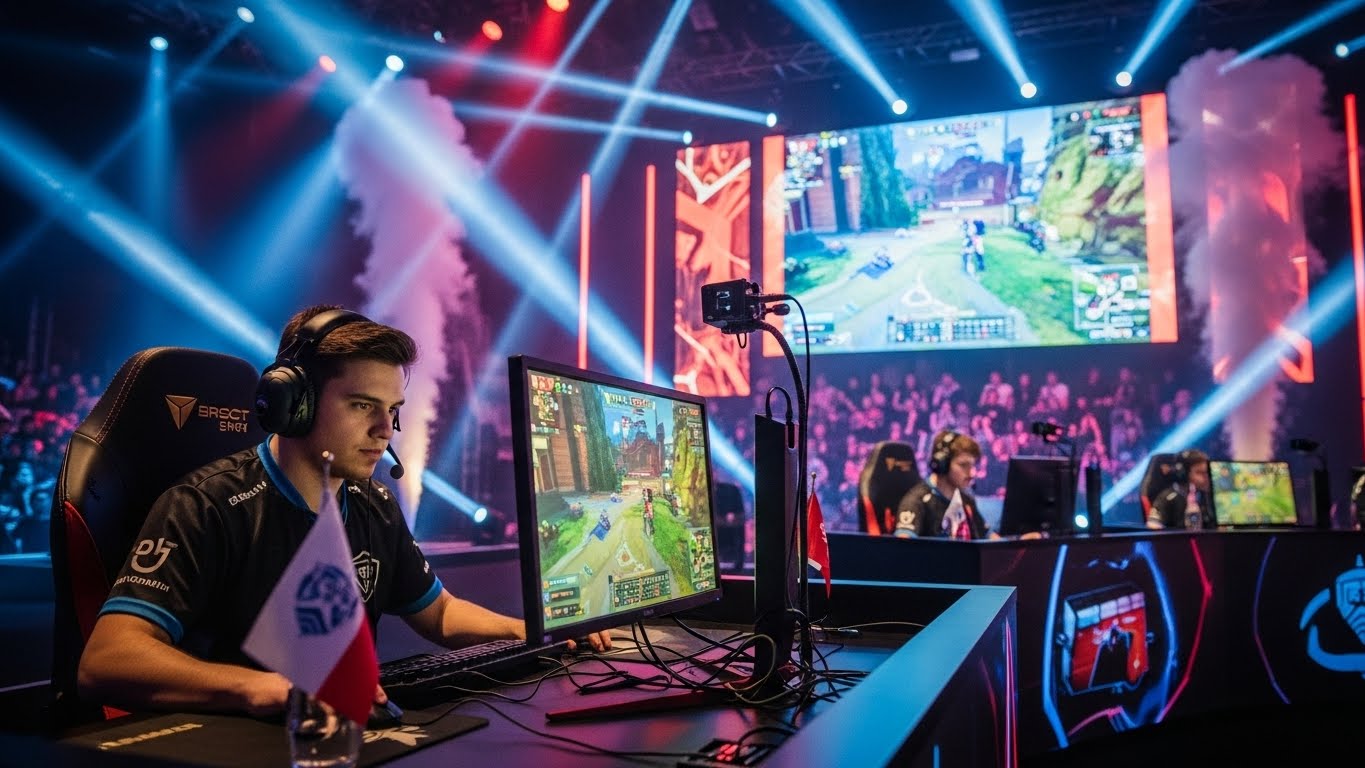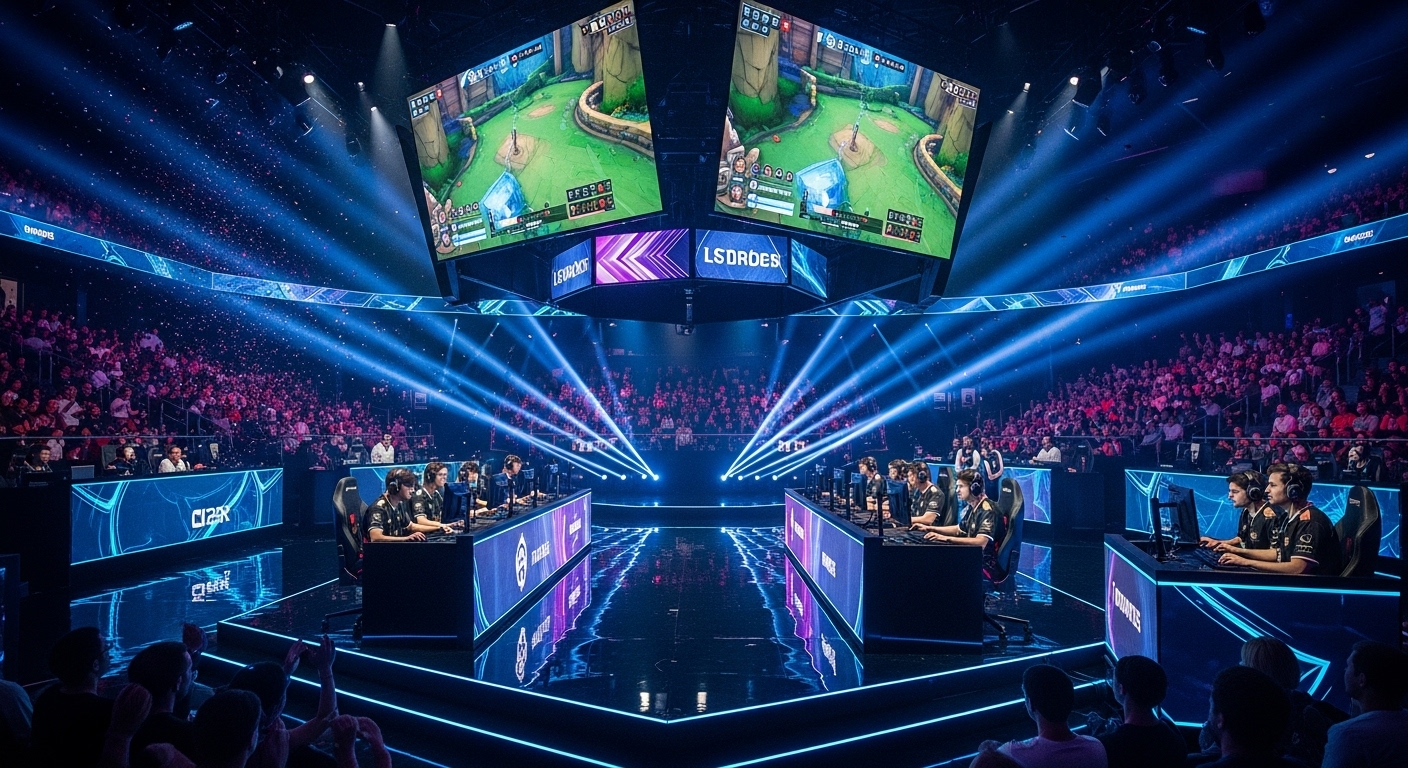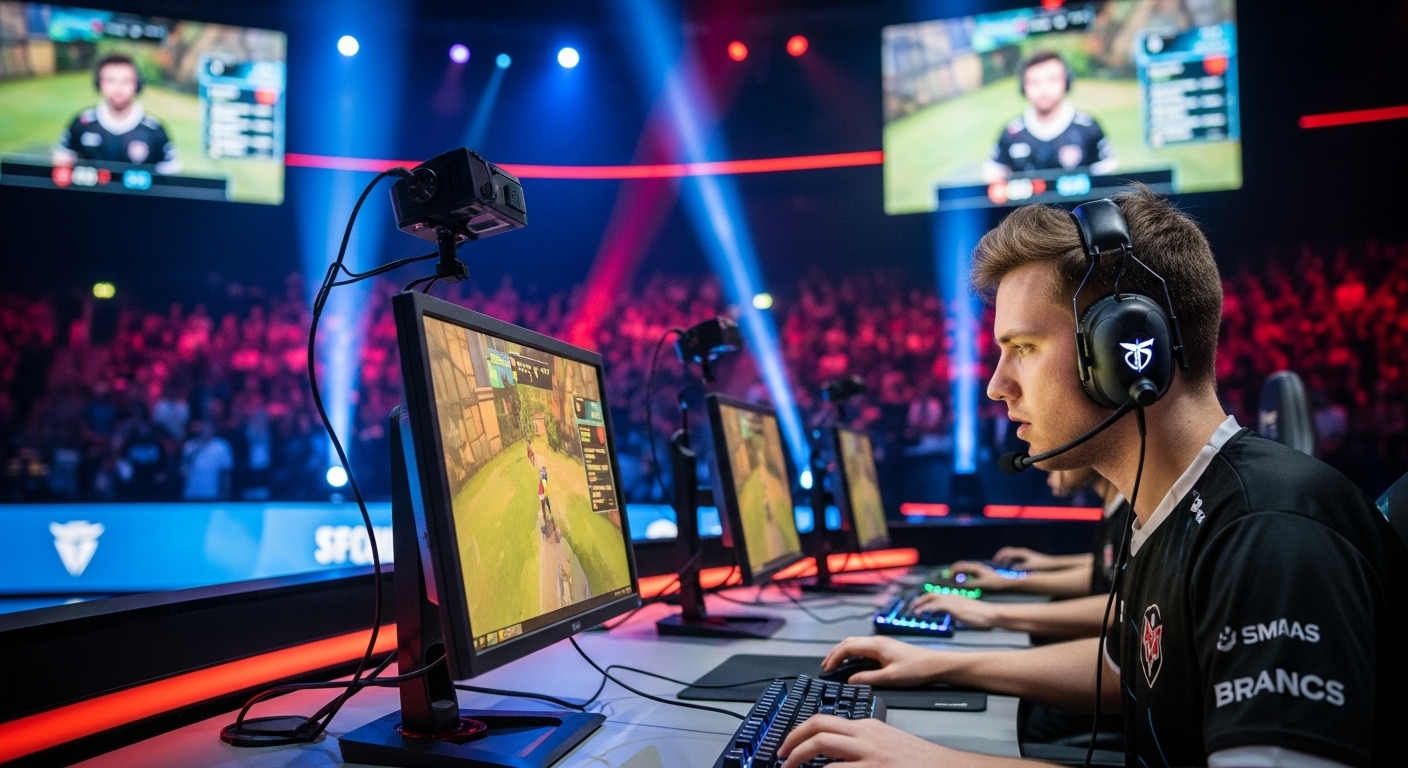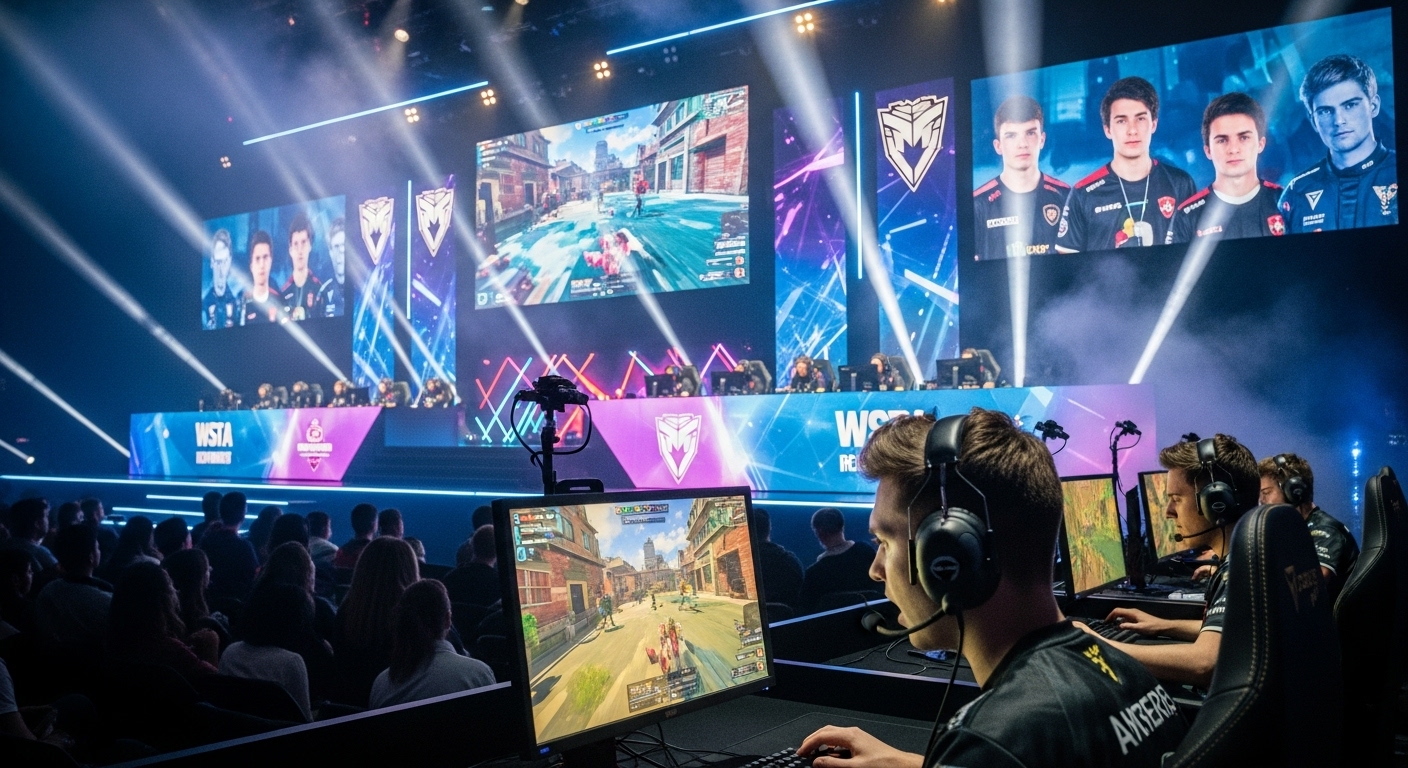
Esports has come a long way from its humble beginnings in arcades and basements to becoming a multi-billion-dollar global industry. Whether you’re a casual gamer or a dedicated fan, esports has a unique charm that attracts millions worldwide. The professionalization of gaming, driven by a community of passionate players, organizers, and viewers, has shaped the way we view competitive entertainment. But how did esports go from being a niche hobby to becoming a legitimate global phenomenon?
The Early Days of Esports
In its infancy, esports wasn’t recognized as a professional sport. It was the early ’90s when tournaments for games like Street Fighter, Doom, and Quake began to emerge, often held at local LAN parties or small-scale conventions. These events were often informal, with no major sponsorships or lucrative prize pools. The community was small, consisting mainly of gamers who wanted to test their skills against others.
However, things began to change in the late ’90s and early 2000s. Games like StarCraft and Warcraft III gained significant traction, especially in South Korea. The introduction of cable TV broadcasts of StarCraft tournaments in South Korea in the early 2000s was a turning point. This allowed esports to reach a wider audience, and soon, other countries followed suit, developing their own competitive gaming scenes.
Professionalization and the Emergence of Major Leagues
By the mid-2000s, the esports landscape began to look more like the professional sports world we know today. Major organizations like Major League Gaming (MLG) and ESL (Electronic Sports League) began to host large-scale tournaments with substantial prize pools. The growth of streaming platforms, especially Twitch, also helped increase visibility for esports tournaments.
At this point, esports started to gain recognition as a legitimate form of competition. Games like League of Legends, Dota 2, and Counter-Strike attracted massive player bases, and these games’ competitive scenes grew in both size and significance. In fact, many of the largest esports tournaments, such as The International (Dota 2) and the League of Legends World Championship, now offer multi-million-dollar prize pools.
The Role of Streaming and Social Media
The evolution of streaming services, particularly Twitch, has been a game-changer for esports. Twitch allowed gamers to broadcast their gameplay to a global audience, effectively democratizing access to competitive gaming content. The result? A surge in both players and viewers, leading to even larger esports events.
In addition, social media platforms like Twitter, Instagram, and YouTube helped esports expand its reach. These platforms gave players, teams, and fans a direct line to one another, allowing for a more interconnected and engaged community. The presence of esports stars on social media further blurred the lines between professional athletes and internet influencers, expanding the appeal of esports even beyond just gaming enthusiasts.
Globalization of Esports
One of the most fascinating aspects of esports is how it has become a truly global phenomenon. Countries like South Korea, China, and the United States have long been at the forefront of esports, but the global nature of the internet and gaming culture means that players, fans, and tournaments are now spread all over the world.
The rise of mobile gaming has further accelerated this globalization. Titles like PUBG Mobile and Free Fire have introduced competitive gaming to millions of players in regions like Southeast Asia, Latin America, and India, where traditional console gaming had previously struggled to gain a foothold. This broadening of the player base has led to a more diverse, inclusive esports ecosystem.
Esports as a Career
Today, gaming has evolved from a simple hobby to a viable career option for many. Professional players now have the opportunity to earn a living through sponsorships, tournament winnings, and streaming revenue. Esports teams also provide salaries, coaching, and support staff, mimicking the infrastructure seen in traditional sports teams. Many of the top esports athletes have become celebrities in their own right, amassing large followings on platforms like Twitch, YouTube, and Twitter.
Moreover, the rise of esports has also led to new career opportunities off the battlefield. There’s a growing demand for content creators, analysts, coaches, event organizers, and even esports journalists, making esports a thriving ecosystem that benefits more than just the players.
Esports in the Olympics and Mainstream Acceptance
Perhaps the most telling sign of esports’ growing legitimacy is its flirtation with the Olympic Games. While esports hasn’t yet been included in the Summer or Winter Olympics, the conversation around its inclusion is more active than ever. The International Olympic Committee (IOC) has been exploring ways to incorporate competitive gaming into the Games, seeing it as a potential bridge between the digital and physical worlds. Although opinions are mixed, the fact that the IOC is seriously considering esports reflects how far it has come in mainstream acceptance.
Esports’ increasing presence on major TV networks, in addition to its debut on traditional sports channels, is another indicator of how much the industry has grown. Major companies and broadcasters are now paying attention to esports as an emerging form of entertainment that offers unique opportunities for advertising and sponsorship.
The Future of Esports
As the esports ecosystem continues to evolve, the future looks brighter than ever. With the continued advancement of technology, including virtual reality (VR) and augmented reality (AR), esports will likely expand into new territories, offering more immersive experiences for both players and viewers.
There is also growing interest in collegiate and high school esports, with many institutions now offering scholarships for aspiring professional players. This will likely result in a new generation of esports stars emerging from traditional educational settings, further mainstreaming esports as a recognized career path.
Additionally, we may see even more integration between esports and traditional sports. The fusion of these two entertainment worlds could lead to unique events that blend physical and virtual competitions, opening up new dimensions in competitive entertainment.
Conclusion
Esports has rapidly transformed from a niche activity to a global industry that spans continents and cultures. Its rise to prominence is a testament to the passion and dedication of millions of players, fans, and organizers who have embraced it as a legitimate form of entertainment. With advancements in technology, expanding audiences, and increasing support from traditional sports, esports’ journey is just beginning. The future is bright, and as the industry continues to evolve, it will likely be a force to reckon with for decades to come.