In recent years, esports has evolved from a niche pastime to a massive global industry. What started as a hobby for a passionate few has transformed into a billion-dollar enterprise, captivating millions of fans and players worldwide. The rise of esports is not just about playing video games—it’s about competition, entertainment, and community on a scale never seen before. In this blog post, we’ll explore the factors driving the explosive growth of esports, its impact on the gaming and entertainment industries, and what the future holds for this exciting and dynamic world.
What Is Esports?
Esports, short for “electronic sports,” refers to organized, multiplayer video game competitions, particularly between professional players, individually or as teams. These competitions are often held in front of large audiences, either live or streamed online, and can be played in a variety of game genres, including first-person shooters (FPS), multiplayer online battle arenas (MOBAs), real-time strategy (RTS) games, and sports simulation titles.
The key difference between esports and casual gaming is the level of competition. Esports athletes undergo rigorous training, practice, and strategy development, similar to traditional sports. They participate in local, national, and international tournaments, with top-tier players and teams earning sponsorships, prize money, and global recognition.
The Explosion of Esports Tournaments
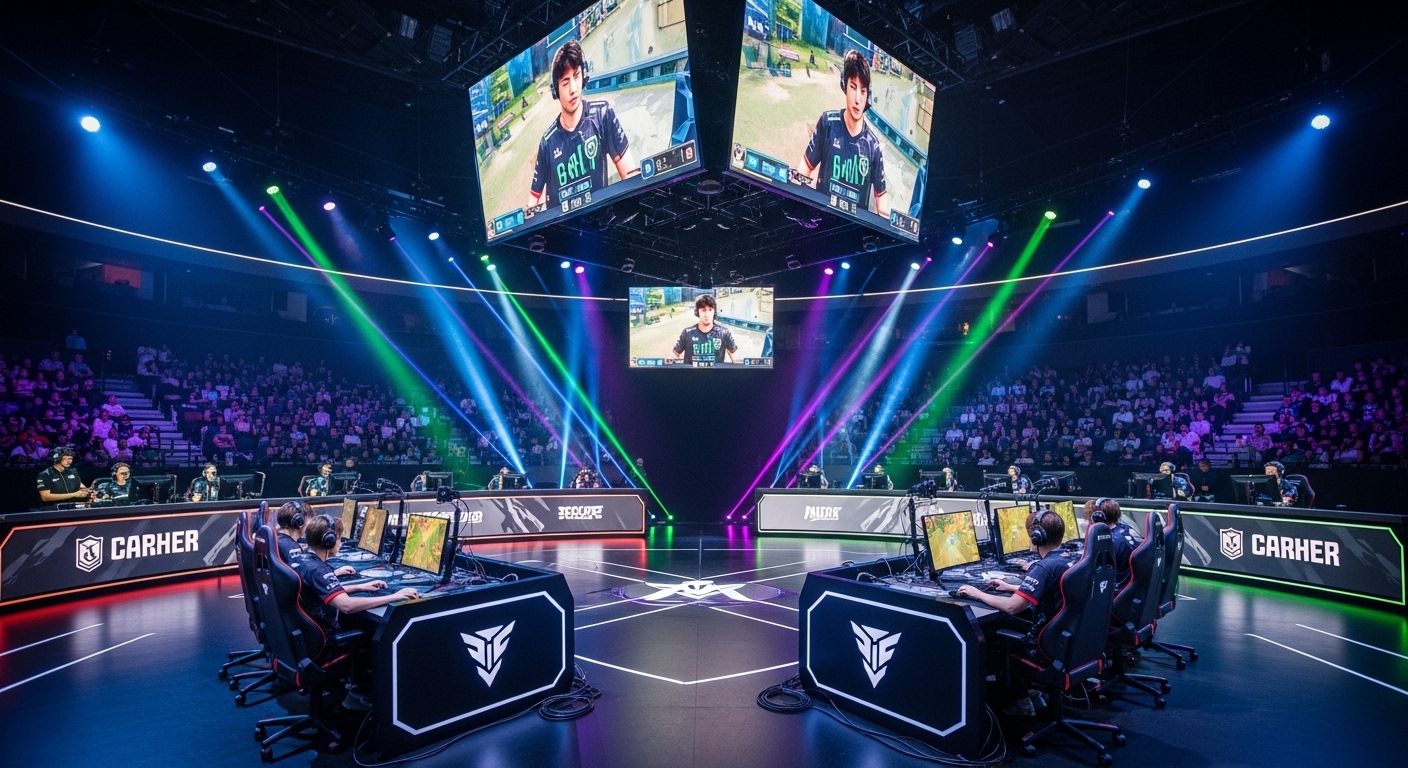
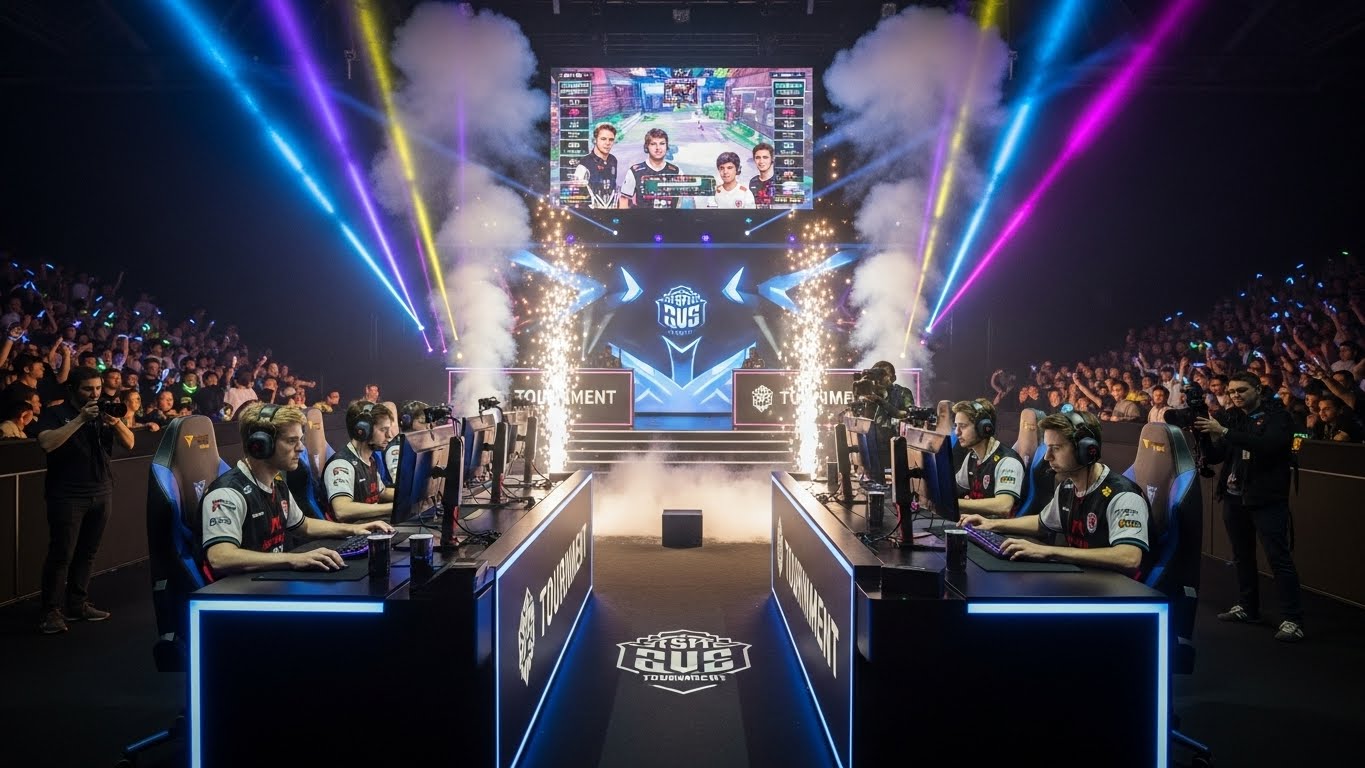
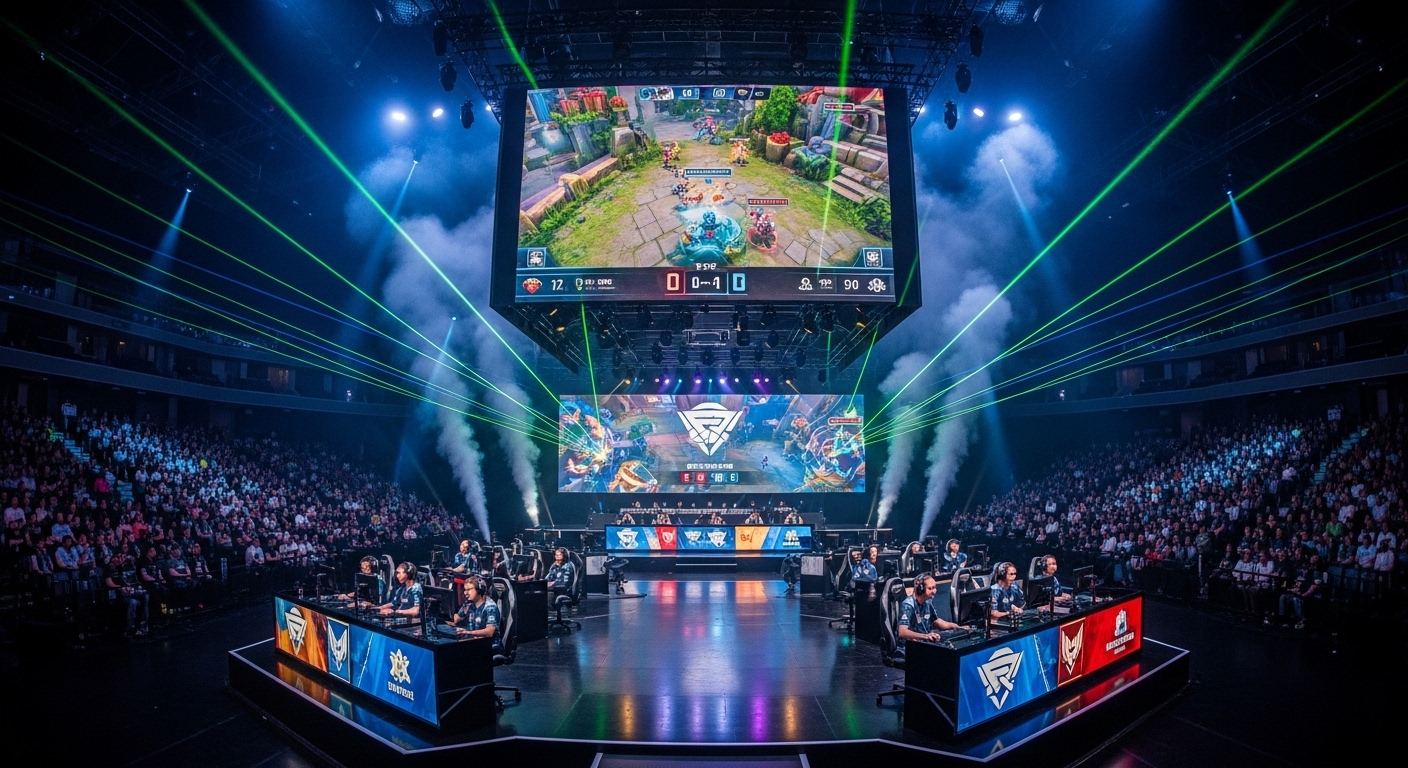
Esports tournaments have become a global spectacle, attracting huge audiences both online and in person. Major tournaments such as The International (for Dota 2), League of Legends World Championship, and Fortnite World Cup have millions of viewers, and prize pools that can reach tens of millions of dollars.
These tournaments are not just limited to the digital realm; they’re also broadcast on traditional TV networks and streaming platforms like Twitch and YouTube, further extending their reach. The excitement of watching top-tier players face off in real-time, with high stakes and world-class gameplay, draws fans from all over the globe. In fact, some of these tournaments even rival major traditional sports events like the Super Bowl or the FIFA World Cup in terms of viewership.
The professionalization of esports has also led to the creation of regional leagues, such as the Overwatch League and Call of Duty League, which operate like traditional sports leagues, complete with franchised teams, team ownership, sponsorships, and loyal fanbases.
The Rise of Esports as a Career
As esports has grown, so too have the career opportunities within the industry. What was once a hobby or passion project has now become a full-fledged career path for many young gamers. Professional esports players can earn substantial incomes from tournament winnings, sponsorship deals, live streaming, and social media presence. In fact, top-tier esports athletes can make millions of dollars annually, competing at the highest level.
But it’s not just players who are benefiting from the rise of esports. There are now career opportunities for coaches, analysts, broadcasters, content creators, event organizers, and even social media managers. Esports teams and organizations have established large staffs to support their players, create content, and promote their brand.
Furthermore, esports has entered the realm of higher education, with numerous universities offering scholarships for competitive gamers and even creating varsity esports teams. As the industry continues to evolve, more and more young people are seeing esports as a legitimate career option, one that combines their passion for gaming with professional opportunities.
Esports and Streaming: The Perfect Partnership
One of the key drivers of esports’ rapid growth has been the rise of live streaming platforms like Twitch, YouTube Gaming, and Facebook Gaming. These platforms have revolutionized how esports content is consumed, providing a direct connection between players and fans.
Streaming has allowed esports to become more interactive, with fans engaging with their favorite players and teams in real time. Viewers can watch live matches, participate in chats, follow streamers, and even donate money to support their favorite players. This level of engagement has made esports more accessible and personal, creating a vibrant community around each game and event.
Many professional players have gained massive followings on streaming platforms, where they not only play competitively but also engage with their audiences through casual gaming, tutorials, and Q&A sessions. Some streamers have turned their platforms into full-time careers, building a personal brand and connecting with millions of fans worldwide.
The Impact of Esports on Traditional Sports
Esports’ rise has not only impacted the gaming world; it has also had a profound effect on traditional sports. The global success of esports has prompted several professional sports leagues and organizations to take notice, with some even investing in or forming partnerships with esports entities.
For example, the NBA launched the NBA 2K League, a competitive esports league based on the popular NBA 2K video game series, while Formula 1 has embraced esports through its F1 Esports Series. These collaborations represent a new era of convergence between the digital and physical realms of sports, with fans and athletes participating in both traditional and esports events.
Moreover, esports has introduced new formats of competition that are more inclusive and diverse. Unlike traditional sports, which require physical prowess, esports allows individuals of all backgrounds, genders, and abilities to compete on a level playing field. This inclusivity has contributed to esports’ universal appeal, attracting a broad and diverse audience.
The Business of Esports: Sponsorships, Media, and Merchandise
The business side of esports is thriving, with lucrative sponsorships, media deals, and merchandising fueling its expansion. Major global brands—ranging from technology companies like Intel and ASUS to beverage companies like Coca-Cola—have invested heavily in esports sponsorships, recognizing the growing influence of this demographic.
Esports teams and tournaments are also attracting substantial media rights deals. The broadcasting of esports events on platforms like ESPN, TBS, and regional sports networks is becoming more common, further legitimizing the industry as a professional entertainment sector. Additionally, esports events are now being covered by major sports news outlets, creating even more exposure for the industry.
Merchandise sales, from jerseys and team apparel to branded accessories and gaming peripherals, also contribute significantly to the revenue of esports organizations. Fans are eager to support their favorite teams by purchasing branded gear, helping to create a sense of community and loyalty.
Esports and Its Global Appeal
One of the most remarkable aspects of esports is its global reach. Unlike traditional sports, which may be limited to certain regions or countries, esports has a universal appeal, attracting players and fans from all corners of the world. Whether it’s League of Legends in South Korea, Counter-Strike in Europe, or Valorant in North America, esports has become a global language, uniting people from different cultures and backgrounds under the shared love of gaming.
Tournaments are often held in major cities worldwide, and they attract not only local fans but also international travelers who come to experience the excitement firsthand. The accessibility of online streaming also allows fans to watch matches in real time, no matter where they are located, further enhancing the global appeal of esports.
The Future of Esports
As esports continues to grow, the future looks incredibly promising. New technologies, such as virtual reality (VR) and augmented reality (AR), are likely to introduce even more immersive ways to experience esports. These technologies could make tournaments feel more interactive, offering fans the chance to experience the action from different perspectives or even participate in the gameplay.
The continued growth of mobile gaming and esports is also on the horizon. Games like PUBG Mobile, Arena of Valor, and Free Fire have demonstrated that competitive gaming isn’t limited to PCs and consoles. With mobile devices becoming more powerful, we could see an even greater rise in mobile esports tournaments and competitions.
Additionally, as esports continues to mature, we can expect more collaboration with traditional sports leagues, creating cross-industry events and competitions that bring together the best of both worlds. The integration of esports into the Olympic Games is even a possibility, as conversations about its inclusion gain momentum.
Conclusion: A New Era of Competitive Entertainment
Esports is no longer just a subculture; it has become a global powerhouse, influencing entertainment, business, and even traditional sports. The dedication of players, the excitement of tournaments, and the passionate fanbase have all contributed to making esports one of the fastest-growing industries in the world. With continued innovation, sponsorships, and global expansion, esports is poised to continue its upward trajectory, offering new opportunities for players, fans, and businesses alike.
Whether you’re a competitive gamer, a casual viewer, or someone looking to enter the industry, esports offers something for everyone. As the industry continues to evolve, one thing is certain: esports is here to stay, and its impact will only grow in the years to come.