Introduction to Esports
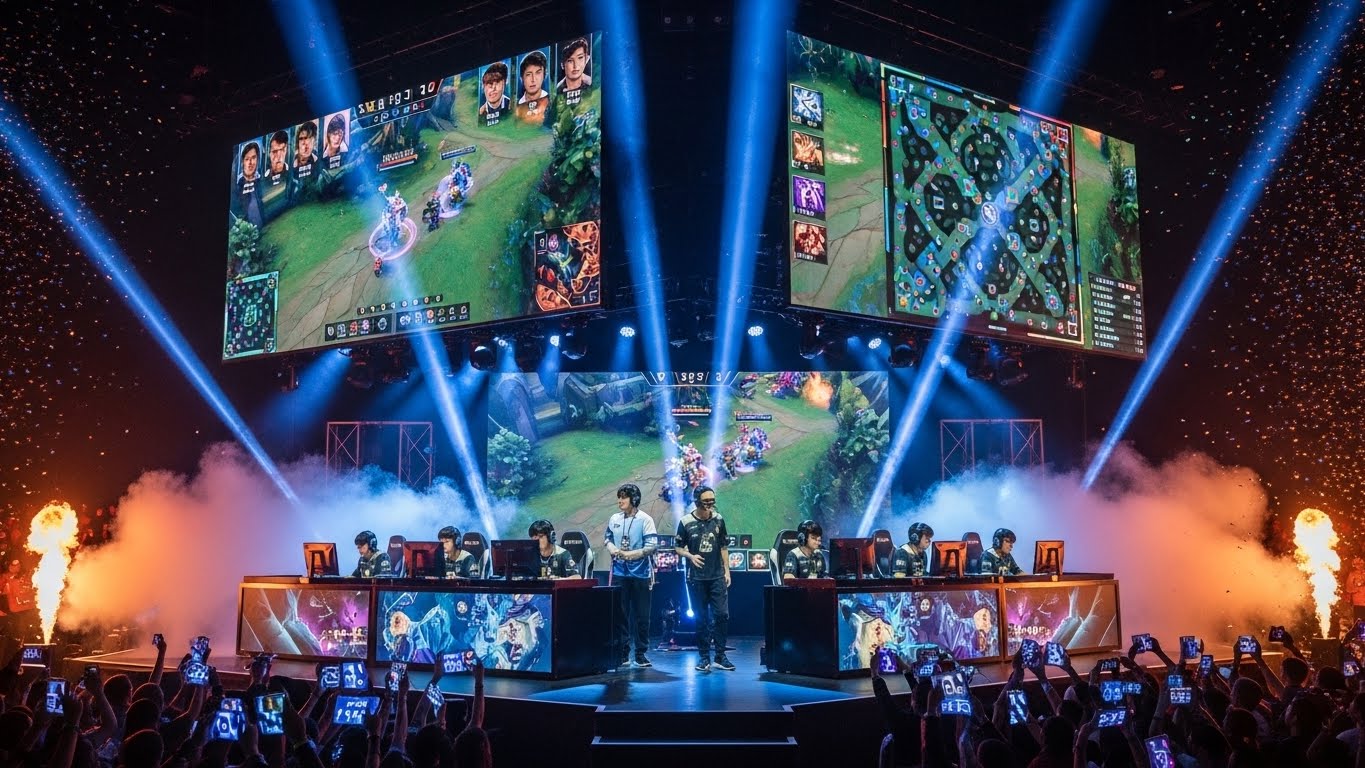
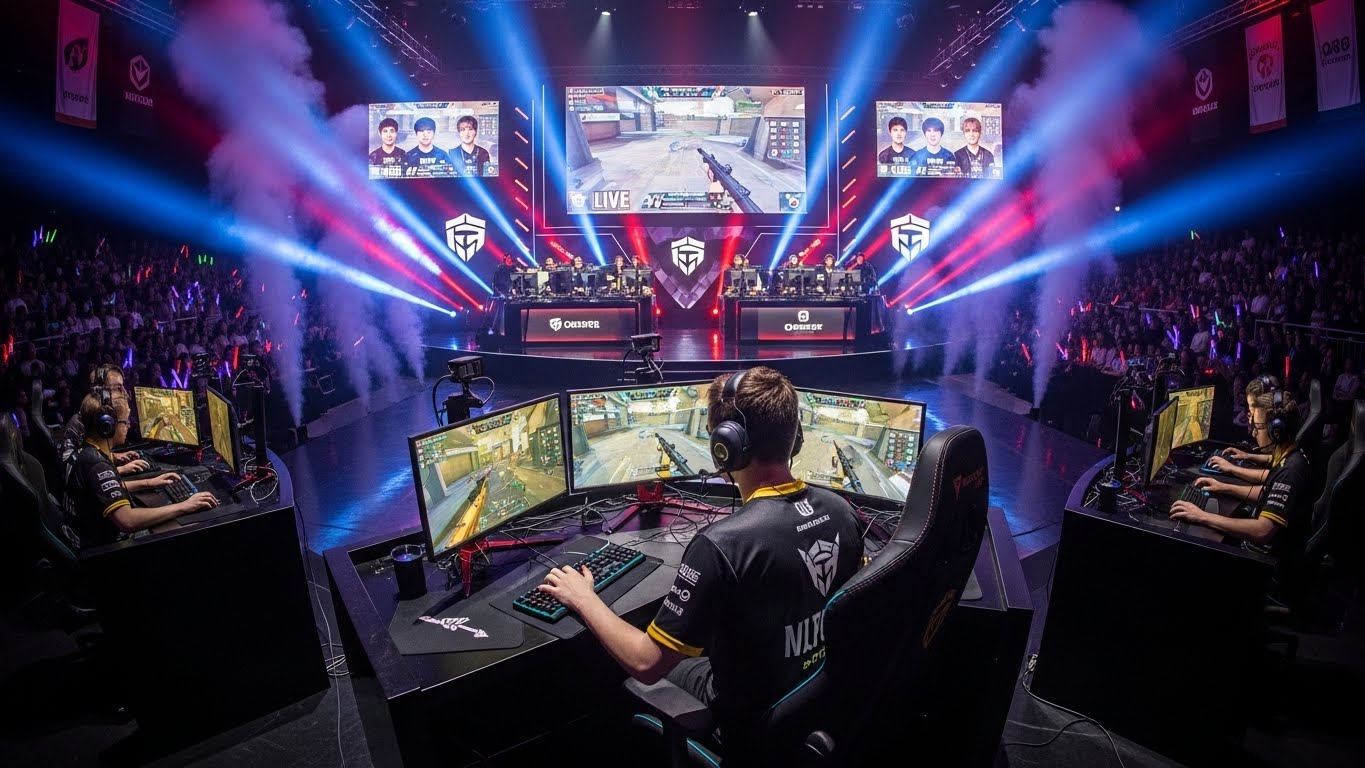
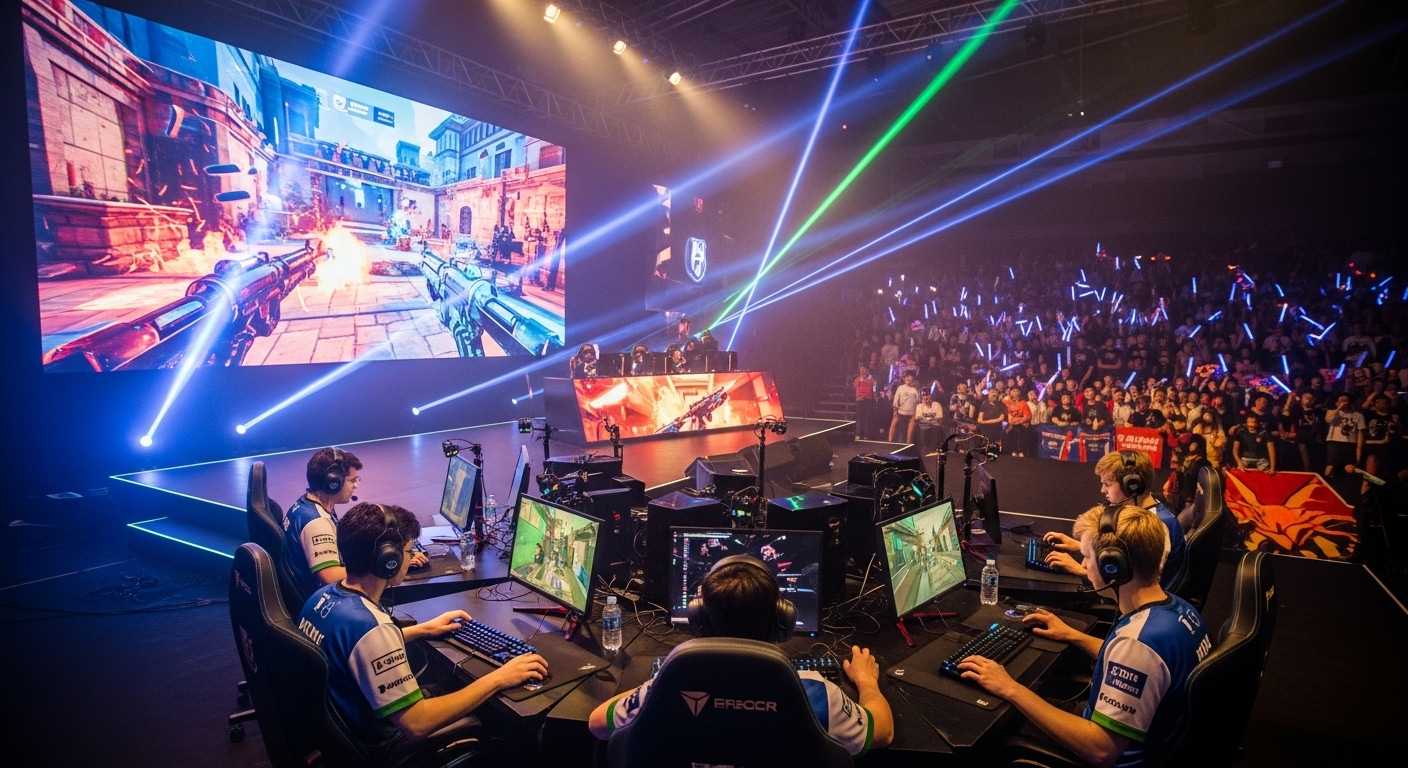
In the modern era of digital transformation, few industries have experienced the meteoric rise that esports has. What began as small gatherings of video game enthusiasts competing for bragging rights has now evolved into a global phenomenon, commanding audiences of millions and generating billions in revenue. Esports, short for electronic sports, represents organized video gaming competitions, often between professional players or teams. From simple beginnings in arcades and living rooms to sold-out arenas and global tournaments, the journey of esports is both fascinating and inspiring.
The world of esports has become much more than gaming—it is a combination of skill, strategy, entertainment, and culture. Players train rigorously, teams employ coaches and analysts, and organizations invest millions in infrastructure and marketing. What once was dismissed as a hobby has now earned the status of a legitimate career and a recognized sport, complete with sponsorships, leagues, and international fame.
The Origins of Esports
The roots of esports can be traced back to the early 1970s when the first video game competitions were held. One of the earliest known events was the “Spacewar Tournament” at Stanford University in 1972, where players competed in a game called Spacewar. By the 1980s, with the rise of arcade gaming and home consoles, competitive gaming became more widespread. Titles like Pac-Man, Donkey Kong, and Tetris gave players the opportunity to achieve high scores and compete for global recognition.
The 1990s marked a significant turning point. The advent of the internet allowed players to connect and compete remotely, creating the first online gaming communities. Games such as Doom and Quake became early pioneers in online multiplayer gaming. During this time, the concept of organized esports began to take shape, with the establishment of tournaments like the Cyberathlete Professional League (CPL) and the Electronic Sports World Cup (ESWC).
The Golden Age of Esports
The 2000s ushered in what many call the “golden age” of esports. With technological advancements, high-speed internet, and better gaming hardware, competitive gaming took a major leap forward. Titles like Counter-Strike, StarCraft, and Warcraft III became household names in the esports world. South Korea emerged as the epicenter of the esports revolution, particularly due to the immense popularity of StarCraft. Professional players in Korea became celebrities, and televised esports matches drew millions of viewers.
In the West, games like Halo, Call of Duty, and Counter-Strike began to dominate the competitive scene. The establishment of platforms like Major League Gaming (MLG) in the United States gave structure to esports, offering players professional opportunities and fans regular tournaments to follow. This was also the period when streaming platforms started to gain traction, allowing fans worldwide to watch their favorite players and teams in real time.
The Role of Streaming Platforms
One of the most influential forces behind the explosive growth of esports has been streaming platforms. The emergence of services that allowed players to broadcast their gameplay live transformed esports into a spectator event. Viewers could not only watch tournaments but also interact with streamers, creating a unique bond between fans and players.
Streaming allowed gaming to become a form of entertainment on par with traditional sports and television. Personalities like Ninja, Shroud, and Faker became global icons, with millions of followers. These platforms also provided smaller games and emerging players with opportunities to build audiences and careers. The accessibility of streaming democratized esports, making it possible for anyone with skill, passion, and dedication to reach a global audience.
The Rise of Competitive Titles
As esports expanded, a few game genres rose to dominate the competitive landscape. Multiplayer Online Battle Arenas (MOBAs) like League of Legends and Dota 2 became the cornerstones of professional esports. Their team-based mechanics, strategic depth, and thrilling gameplay made them ideal for competition and viewership. Riot Games’ League of Legends World Championship and Valve’s The International have become annual spectacles, offering multi-million-dollar prize pools and massive fan engagement.
First-Person Shooters (FPS) also continued their strong presence, with games like Counter-Strike: Global Offensive, Overwatch, and Call of Duty leading the charge. These games emphasized teamwork, communication, and precision, attracting audiences who appreciated fast-paced action and tactical gameplay.
In addition, battle royale games such as Fortnite and Apex Legends introduced a new kind of esports experience, where large numbers of players competed in dynamic and unpredictable matches. These games not only drew huge audiences but also brought younger generations into the esports ecosystem.
Esports as a Career
Gone are the days when playing video games was considered a waste of time. Today, professional esports players can earn salaries, endorsements, and prize money comparable to athletes in traditional sports. Top players can make millions annually, and organizations have invested heavily in developing professional infrastructures.
Esports careers extend far beyond playing. There are coaches, analysts, team managers, event organizers, broadcasters, commentators, and content creators—all playing vital roles in sustaining the ecosystem. Universities and colleges around the world now offer scholarships for esports players, recognizing it as a legitimate field of study and competition.
With the introduction of structured leagues like the Overwatch League and the League of Legends Championship Series, esports has adopted a model similar to professional sports leagues. Teams represent cities or organizations, and fans can follow regular seasons, playoffs, and championships.
The Global Impact of Esports
The global reach of esports cannot be overstated. Tournaments attract viewers from every continent, and major events sell out stadiums in cities like Seoul, Los Angeles, and Shanghai. The esports industry has become a bridge between cultures, uniting people of different backgrounds through a shared passion for competition and gaming.
Esports has also provided opportunities for developing countries to shine on the world stage. Nations in Southeast Asia, South America, and the Middle East have rapidly growing esports communities. Governments and private investors in these regions are recognizing esports as both an entertainment industry and a source of technological innovation.
Moreover, esports has helped redefine how younger generations consume entertainment. Traditional television viewership is declining, while online streaming and esports viewership continue to grow. Brands and advertisers have taken notice, investing heavily in sponsorships and partnerships with gaming organizations and events.
The Psychology of Competitive Gaming
At its core, esports is about competition and mastery. The psychological aspects of competitive gaming mirror those of traditional sports. Players must manage stress, maintain focus, and develop teamwork and communication skills. The best esports athletes combine raw talent with mental resilience and strategic thinking.
Training regimens for professional players are intense. Many teams practice eight to ten hours a day, analyzing gameplay, reviewing strategies, and refining their coordination. Mental health has also become a major focus within the community, as players must deal with pressure, public scrutiny, and the demands of constant performance.
Coaches and psychologists now play integral roles in team management, helping players maintain balance and avoid burnout. As esports continues to professionalize, the mental and emotional well-being of players is receiving more attention than ever before.
Women in Esports
While esports has historically been male-dominated, the presence and influence of women in the scene are growing rapidly. Female players, casters, and organizers are challenging stereotypes and breaking barriers. Women’s tournaments and inclusive organizations are providing platforms for diverse participation, creating opportunities for talent from all backgrounds.
Women such as Sasha “Scarlett” Hostyn and Li “Liooon” Xiaomeng have proven that gender is no limitation to success in competitive gaming. Their victories on global stages have inspired countless others to pursue careers in esports. With growing awareness and inclusion efforts, the future promises a more balanced and representative esports environment.
The Economic Power of Esports
The economic scale of esports is staggering. The global esports industry is worth billions of dollars, with revenue streams coming from sponsorships, advertising, media rights, merchandise, and ticket sales. Major corporations, from technology giants to beverage brands, are investing heavily in esports partnerships.
Prize pools for tournaments continue to reach new heights. The International, Dota 2’s flagship event, has offered prize pools exceeding tens of millions of dollars. Esports organizations have become valuable business entities, attracting investors and celebrity endorsements from the worlds of sports, entertainment, and business.
The esports ecosystem has also stimulated job creation and innovation. Game developers are designing titles with competitive balance in mind, while hardware manufacturers produce specialized equipment tailored for gaming performance. Esports has influenced broader industries, including education, marketing, and even tourism, as cities vie to host major tournaments.
Technology and Innovation in Esports
Esports owes much of its success to technological innovation. The development of high-performance computers, low-latency networks, and powerful gaming consoles has made seamless competition possible. Virtual reality and augmented reality are now being explored as potential future platforms for competitive gaming, promising even more immersive experiences.
Artificial intelligence and data analytics are also playing crucial roles in player development and strategy optimization. Teams use software to analyze opponents’ playstyles, identify weaknesses, and refine their tactics. This data-driven approach mirrors the use of analytics in traditional sports, pushing the boundaries of performance.
Additionally, advancements in broadcast technology have enhanced the viewing experience. Real-time statistics, replays, and augmented visual effects make esports events more engaging for audiences worldwide.
Esports and Education
Educational institutions have begun to embrace esports as a legitimate field of study. Universities around the world now offer degrees and courses in esports management, game design, and event production. High schools and colleges form competitive teams, integrating esports into extracurricular programs.
These developments highlight the growing recognition of esports as both a sport and an academic discipline. Students learn valuable skills in teamwork, leadership, communication, and technology—all of which are transferable to various industries.
Esports also provides a platform for community building. School tournaments and intercollegiate leagues create social opportunities for students, fostering collaboration and school pride.
Challenges Facing the Esports Industry
Despite its tremendous success, esports faces challenges that must be addressed for sustainable growth. Player burnout, lack of regulation, and inconsistent tournament structures are ongoing concerns. The rapid commercialization of esports has also led to issues regarding player contracts, fairness, and integrity.
Another challenge lies in maintaining diversity and inclusivity within the community. Toxic behavior and online harassment remain problems that organizations are actively working to combat. Ensuring that esports remains a welcoming and respectful space for all participants is crucial to its long-term success.
Additionally, as esports grows, there are increasing concerns about gambling, match-fixing, and other unethical practices. Industry leaders and governing bodies must continue to develop strong policies and enforcement mechanisms to protect the integrity of competition.
The Future of Esports
The future of esports is brighter than ever. With the rise of next-generation technologies like virtual reality, artificial intelligence, and 5G connectivity, the industry is set to reach new heights. Esports will continue to expand its influence across entertainment, education, and business.
There are also discussions about including esports in future Olympic events, which would mark a monumental step toward global recognition. Whether or not that happens, esports will undoubtedly remain a cornerstone of digital culture.
In the years ahead, we can expect to see more sophisticated tournaments, better player welfare programs, and deeper integration of gaming into mainstream entertainment. Esports is not just the future of gaming—it is the future of global sports and entertainment.
Conclusion
From humble beginnings to an international spectacle, the journey of esports represents the power of human innovation and passion. It embodies creativity, competition, and community in ways that transcend traditional boundaries.
Esports has transformed from a niche pastime into a global industry that inspires millions. It continues to redefine what it means to be an athlete, a fan, and a participant in the digital age. As technology advances and more people embrace gaming, the potential of esports will only continue to grow.
The rise of esports is not just a story of games—it is a story of culture, opportunity, and evolution. It reminds us that in the modern world, competition can take many forms, and excellence can emerge from the unlikeliest of places. Esports stands today as a testament to how far gaming has come—and how far it can still go.