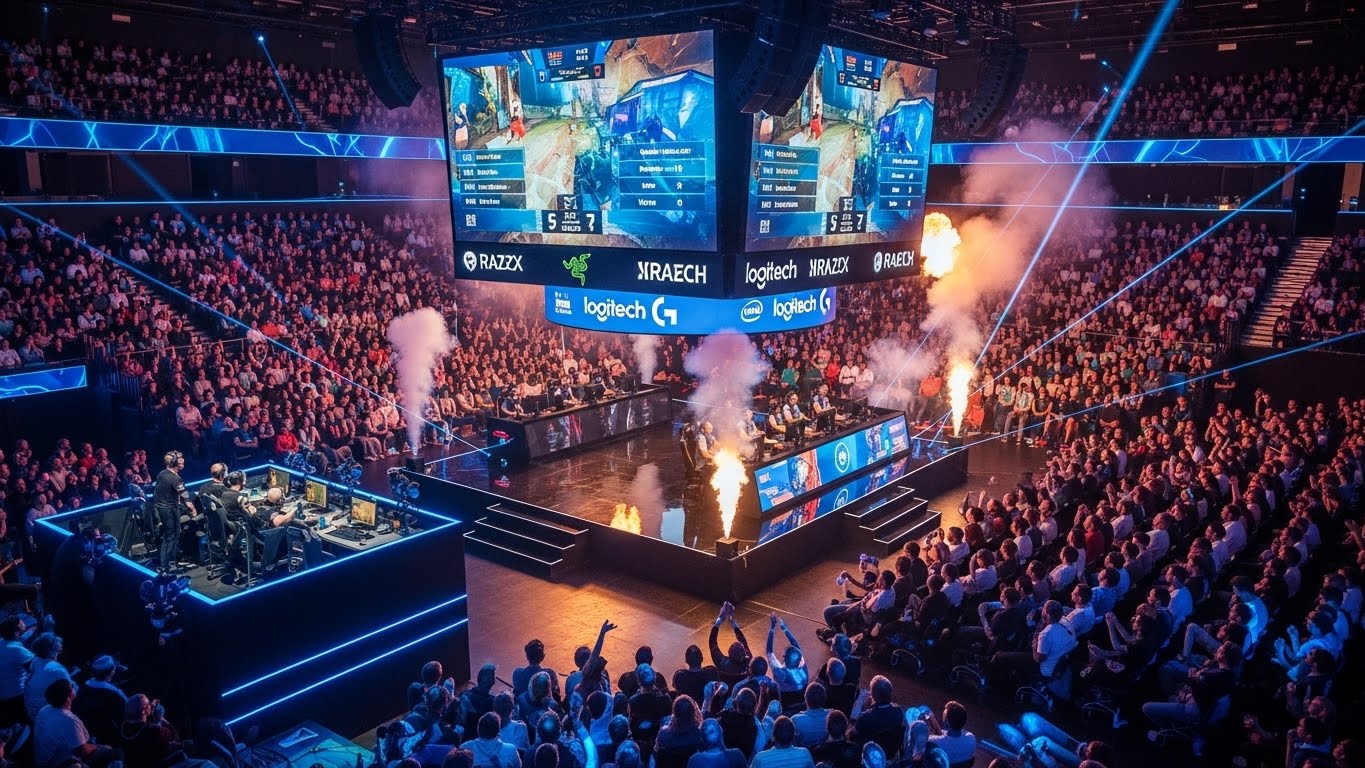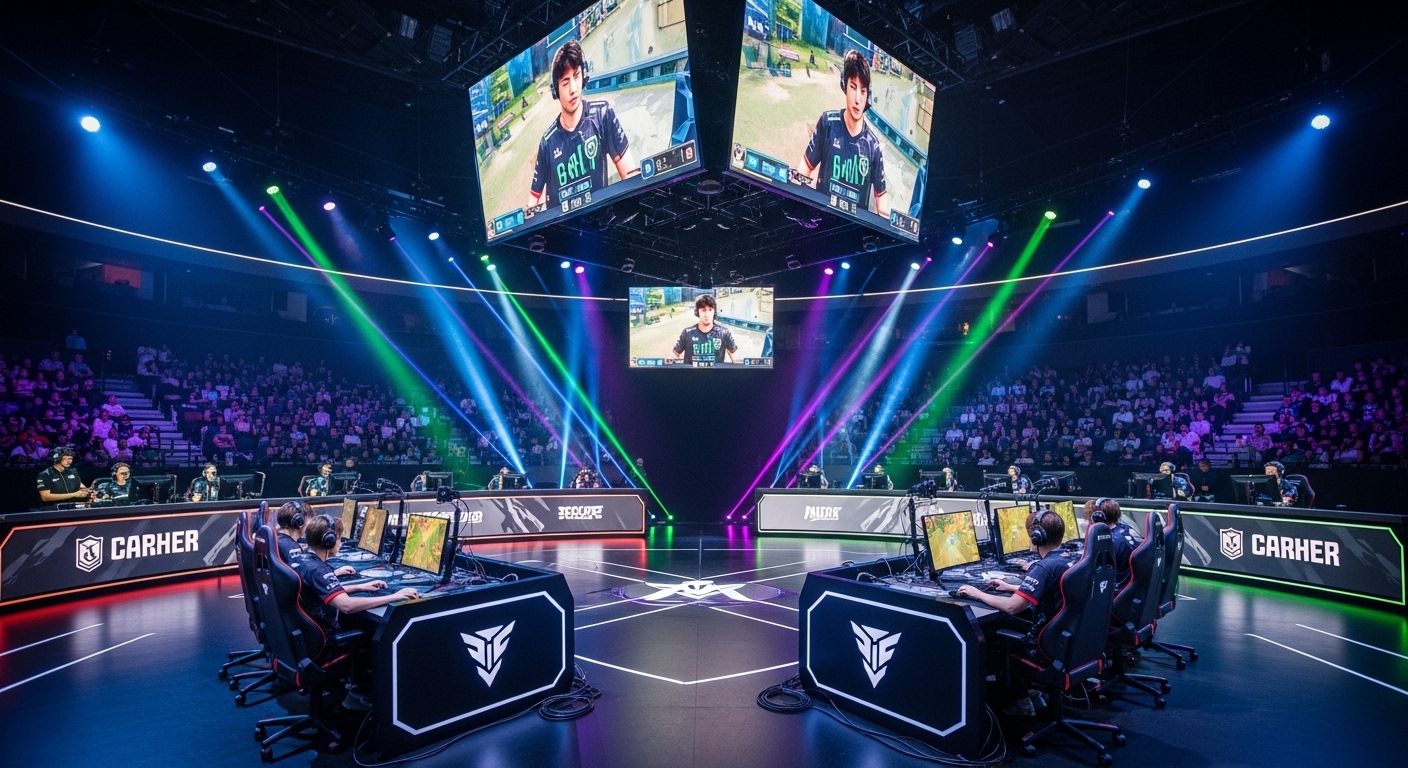
In esports, raw skill can win rounds, but leadership wins championships. A great team captain is the backbone of any competitive squad, guiding strategy, maintaining morale, and making split-second decisions that can turn the tide of a match. From shooters to MOBAs, captains have defined the careers of their teammates and the success of entire organizations. They are strategists, motivators, and often the public face of their teams.
Throughout esports history, many captains have become legends — not just for their mechanical ability, but for their vision, discipline, and the way they inspired greatness in others. This blog explores the best team captains in esports history, examining what made them exceptional and how they shaped competitive gaming.
The Role of a Team Captain in Esports
A captain’s role varies by game, but certain qualities are universal:
- Strategic Leadership: Captains design tactics, draft team compositions, and make decisions under pressure.
- Communication: They coordinate teammates during intense moments, ensuring everyone is on the same page.
- Mental Resilience: Captains manage stress and keep morale high, even when the team is losing.
- Mentorship: They guide younger players, helping them reach their full potential.
- Representing the Team: Captains often act as spokespersons for their organization, sponsors, and fans.
In essence, a captain is the glue that holds a team together, balancing individual talent with collective strategy.
Puppey – The Dota 2 Visionary
Clement “Puppey” Ivanov is widely regarded as one of the greatest captains in esports history. As the long-time leader of Team Secret and formerly Natus Vincere (Na’Vi), Puppey has won multiple international tournaments and led teams to top finishes at The International.
Puppey’s strength lies in his strategic brilliance. He excels at drafting heroes and planning mid-to-late-game strategies that maximize his team’s strengths. He’s also a patient leader, allowing star players like Dendi or Miracle- to shine while maintaining overall control.
Beyond strategy, Puppey’s longevity is remarkable. Competing at the highest level for over a decade, he has adapted to the evolving meta of Dota 2 and consistently kept his teams competitive, earning respect across the entire esports community.
FalleN – The Brazilian CS:GO Captain
Gabriel “FalleN” Toledo revolutionized Brazilian Counter-Strike. As the in-game leader of Luminosity Gaming and later SK Gaming, FalleN combined strategic insight with exceptional mechanical skill.
Known as the “Professor,” FalleN led Brazil to global prominence, winning two CS:GO Majors and multiple international championships. He was responsible for training and mentoring a generation of Brazilian talent, including coldzera and fer.
FalleN’s leadership was evident in his ability to maintain team discipline, develop innovative strategies, and remain calm in high-pressure situations. His vision and mentorship transformed Brazil into a global CS:GO powerhouse.
s1mple (with electronic) – Leadership Through Action
While Oleksandr “s1mple” Kostyliev is primarily celebrated for his incredible aim and clutch potential, his leadership at Natus Vincere (Na’Vi) in recent years has elevated him into captaincy territory.
s1mple leads by example, setting a standard of excellence that inspires his teammates. Working alongside Denis “electronic,” he demonstrates how a high-skill player can also be a strategic leader, coordinating team pushes, mid-round adjustments, and tactical executions.
Although s1mple is often the star of the team, his leadership style shows that captains don’t always need a formal title — influence and performance can also command respect and drive success.
Faker – League of Legends’ Strategic Genius
Lee “Faker” Sang-hyeok may not always be the official in-game leader, but his impact as a strategic and motivational leader for T1 is undeniable.
Faker’s leadership comes from vision and execution. He guides team fights, makes split-second decisions that affect the entire map, and elevates the performance of teammates through his consistency and game sense.
Under his guidance, T1 has won three World Championships and remained dominant in the LCK for years. Faker’s leadership shows that sometimes, a captain leads not just through strategy but through sheer influence and inspiration.
CaptainMo – Valorant’s Tactical Pillar
In the world of Valorant, Mohammed “CaptainMo” El Moussati stands out as a captain who combines in-game leadership with calm decision-making. Leading FunPlus Phoenix (FPX) and previously FunPlus Phoenix Evolution, he has demonstrated incredible ability to coordinate team strategies, manage resources, and lead clutch rounds.
CaptainMo’s communication style and tactical adaptability have earned him recognition as one of Valorant’s most respected captains. He exemplifies how leadership in modern esports requires both mental discipline and technical knowledge.
KuroKy – The Ultimate Dota 2 Strategist
Kuro “KuroKy” Salehi Takhasomi has led Team Nigma and Team Liquid to legendary success in Dota 2. Known for his strategic foresight, KuroKy won The International 2017 with Team Liquid and has consistently placed at the top of global tournaments.
What sets KuroKy apart is his ability to unify diverse personalities and adapt to shifting metas. His drafting, positioning, and mid-game adjustments often dictate the flow of matches, proving that a captain’s mind is as critical as their team’s individual skills.
Xyp9x – Astralis’ Calm Clutch Leader
Andreas “Xyp9x” Højsleth, the Danish CS:GO star known as the Clutch Minister, combines in-game leadership with unparalleled clutching ability.
While Astralis often shared strategic duties among teammates, Xyp9x’s composure under pressure made him an unofficial leader. He frequently took responsibility in tight rounds, making split-second decisions that preserved bomb plants, defuses, and round wins. His leadership was quiet but effective, creating a culture of consistency and discipline that helped Astralis dominate CS:GO for years.
Doublelift and CoreJJ – The Bot Lane Leadership
In League of Legends, leadership doesn’t always mean formal captaincy. The synergy between Yiliang “Doublelift” Peng and Jo “CoreJJ” Yong-in in the bot lane of Team Liquid showed how mentorship and communication can create dominance.
CoreJJ’s calm and strategic approach guided Doublelift’s aggressive style, turning them into one of the most feared duos in LCS history. Their teamwork demonstrates how leadership can exist even within smaller units, influencing the team’s overall success.
Dignitas’ Zonic – Behind-the-Scenes Leadership
Sometimes, captains aren’t players at all. Danny “Zonic” Sørensen, coach and strategist for Astralis, has shown that leadership can be off the keyboard.
Zonic’s preparation, tactical insight, and ability to manage player dynamics were instrumental in Astralis’ era of dominance. His leadership shows that captains don’t always need to make plays themselves — guiding a team mentally and strategically is equally important.
Qualities That Make Great Captains
Across games and generations, the best esports captains share certain qualities:
- Vision: They see beyond the immediate play, anticipating enemy strategies.
- Communication: Clear, concise instructions and morale-boosting words.
- Adaptability: Quick to adjust strategy mid-game.
- Mentorship: Guiding younger teammates to grow and perform under pressure.
- Composure: Maintaining calm during high-stress moments.
A great captain blends these qualities with an understanding of their game and their teammates’ strengths.
The Legacy of Esports Captains
Captains like Puppey, FalleN, KuroKy, Faker, and Xyp9x have shaped esports history. They demonstrate that leadership is as vital as mechanical skill. Through strategy, motivation, and communication, they elevate their teams from individual talent collections to cohesive, championship-winning squads.
Esports captains prove that while stars can shine, a team guided by vision and leadership reaches heights impossible alone. Their legacy isn’t just in trophies won — it’s in the culture of professionalism, teamwork, and strategic brilliance they inspire.
Conclusion
The best esports captains combine strategy, skill, and leadership to create greatness. They inspire teammates, orchestrate victories, and leave a lasting impact on their games. From the precision of FalleN in CS:GO to the strategic genius of Puppey in Dota 2 and the influence of Faker in League of Legends, captains have proven that leadership is the invisible hand behind every championship.
In esports, talent wins matches, but leadership wins legacies. Great captains turn individual stars into a constellation, guiding teams to legendary status that fans remember for years.