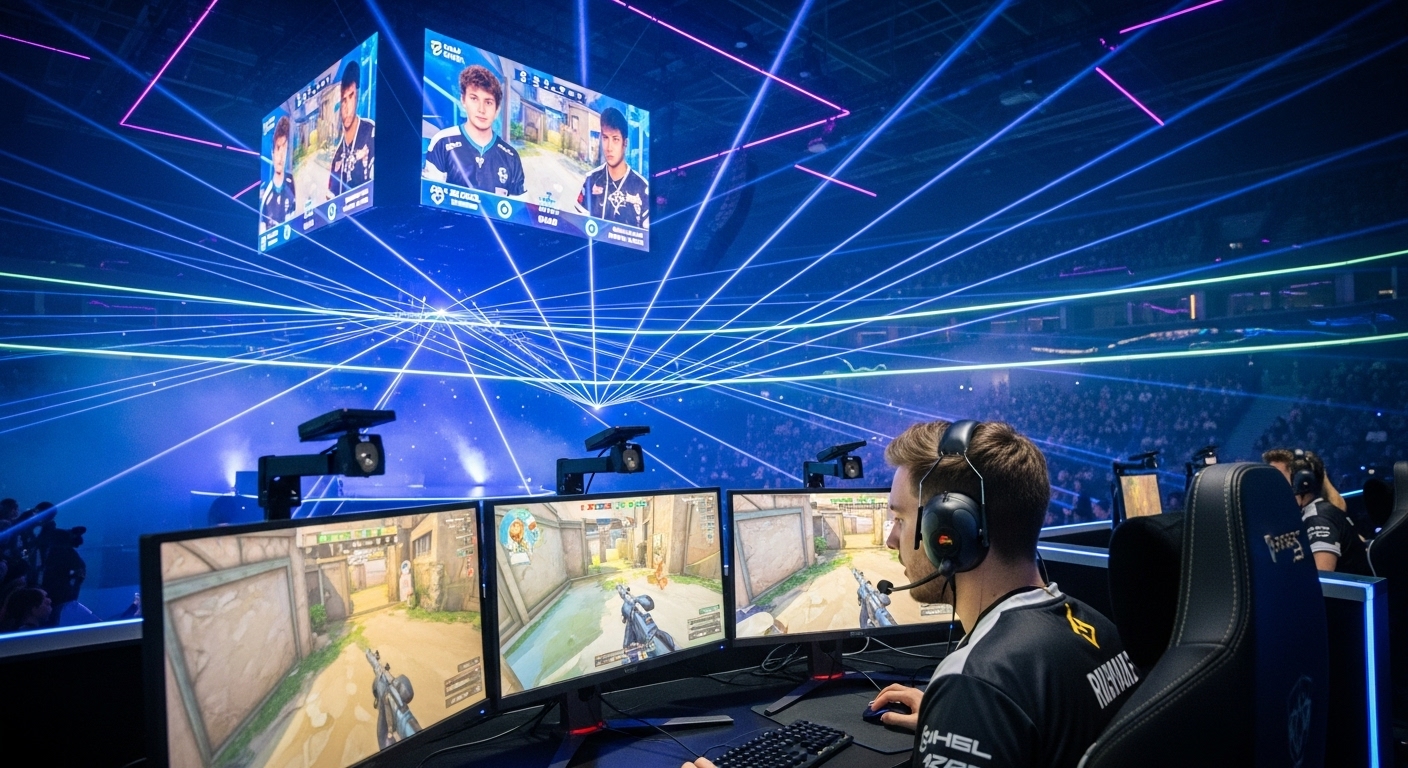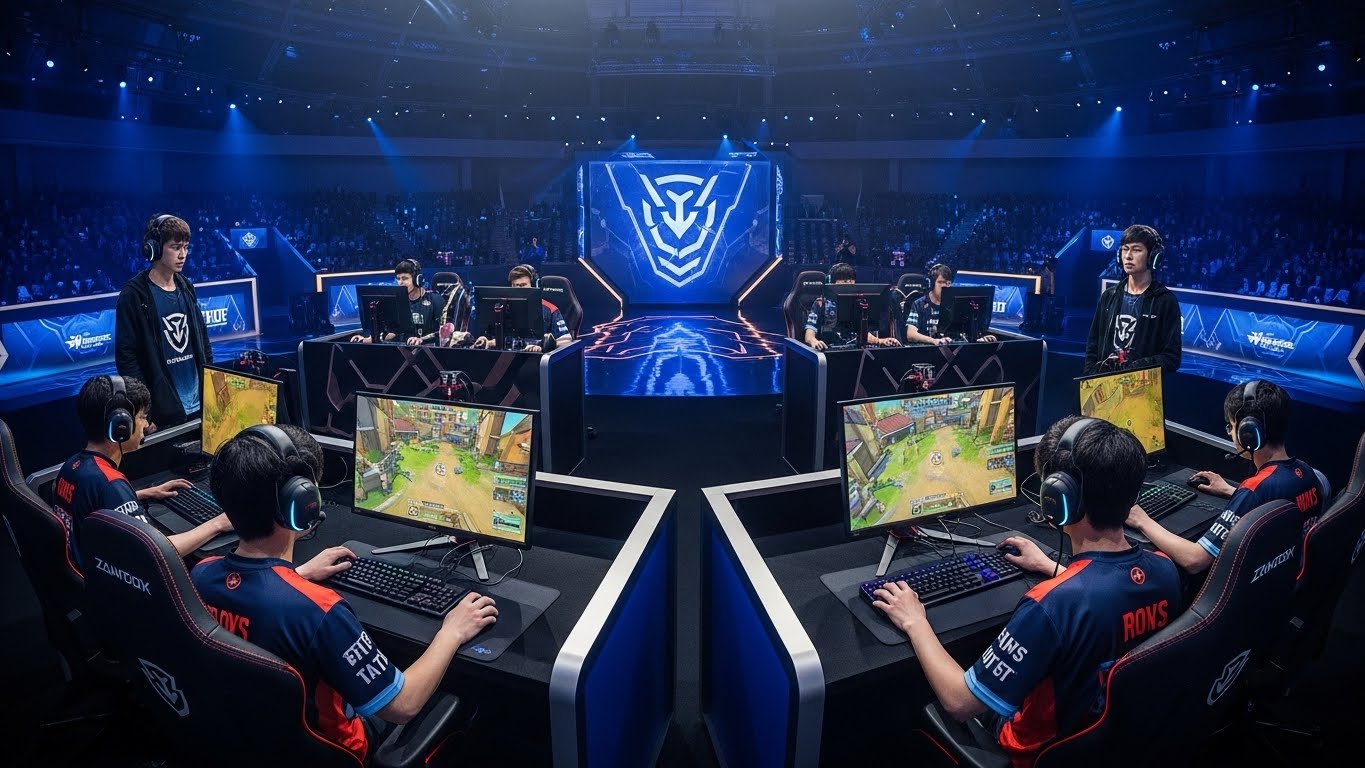
Esports, short for electronic sports, has emerged as one of the fastest-growing entertainment industries in the world. Once dismissed as a niche hobby, esports has now become a professional arena where players compete for prestige, large prize pools, and global recognition. From casual gamers streaming on platforms to professional teams participating in international tournaments, esports represents a dynamic fusion of technology, competition, and culture. This blog explores the rise of esports, its impact on society, career opportunities, technological innovations, and the challenges it faces.
The Rise of Esports
Esports has evolved rapidly over the past two decades. Early competitive gaming was limited to small LAN parties and local tournaments, but advances in internet connectivity, streaming technology, and game development transformed it into a global phenomenon. Today, millions of fans watch live tournaments online, while stadiums host thousands of spectators for major events.
Popular esports titles like League of Legends, Dota 2, Counter-Strike, Fortnite, and Valorant have created professional leagues with structured seasons, playoffs, and championship events. Sponsorship deals, advertising revenue, and media rights have turned esports into a lucrative business, rivaling traditional sports in both popularity and financial impact.
The accessibility of esports is another factor driving its growth. Unlike traditional sports, esports does not require expensive equipment or specialized physical abilities. All that is needed is a gaming device, internet connection, and dedication to mastering the game. This inclusivity has helped esports attract a diverse audience across ages, genders, and cultures.
Physical and Mental Demands of Esports
While esports may appear less physically demanding than traditional sports, professional gaming requires a high level of physical and mental conditioning. Players must maintain quick reflexes, precise hand-eye coordination, and exceptional reaction times. Long practice sessions, often exceeding six to eight hours a day, demand stamina and endurance similar to traditional athletes.
Mental focus is critical in competitive gaming. Players must process large amounts of information in real-time, anticipate opponents’ strategies, and make split-second decisions under pressure. Cognitive skills such as problem-solving, spatial awareness, memory, and strategic thinking are constantly exercised. Professional esports players often work with coaches and psychologists to maintain peak performance and manage stress.
Maintaining a healthy lifestyle is also essential. Proper nutrition, exercise, and sleep are necessary to sustain long gaming sessions and prevent burnout. Increasingly, esports organizations are integrating wellness programs to support players’ physical and mental health.
Esports as a Social Platform
Esports has a strong social component that sets it apart from many other forms of entertainment. Online multiplayer games allow players to collaborate and compete with others from around the world. This interaction fosters community, teamwork, and communication skills. Many players form long-lasting friendships and social networks through gaming.
Streaming platforms such as Twitch and YouTube Gaming have amplified esports’ social influence. Streamers not only showcase gameplay but also engage directly with audiences, creating an interactive and participatory experience. Fans feel connected to players, teams, and the gaming community, which strengthens loyalty and enthusiasm for esports as a whole.
Esports also provides opportunities for cultural exchange. Gamers from different countries interact, share strategies, and learn from one another, promoting global understanding. International tournaments further highlight this aspect, as players and fans celebrate diversity and sportsmanship across borders.
Educational and Career Opportunities in Esports
Esports is no longer just about playing games; it has become a legitimate career path with diverse opportunities. Professional players, team managers, coaches, analysts, and content creators all contribute to the esports ecosystem. Universities and colleges now offer scholarships and degree programs in esports management, game design, and digital media.
The industry’s growth has also created careers in event management, marketing, broadcasting, and software development. Esports journalists and commentators play a key role in promoting competitions, while data analysts and performance coaches optimize team strategies. This expansion demonstrates that esports can provide sustainable employment opportunities for individuals with a range of skills beyond gaming proficiency.
Furthermore, participation in esports helps develop transferable skills such as leadership, communication, teamwork, critical thinking, and time management. Students who engage in competitive gaming gain experiences that can benefit them in various professional environments.
Technological Innovations Driving Esports
Technology is the backbone of esports. Advancements in gaming hardware, software, streaming platforms, and analytics tools have transformed how players train, compete, and interact with fans. High-performance computers, gaming peripherals, and high-speed internet are essential for competitive play.
Virtual reality and augmented reality are beginning to shape the next generation of esports experiences. These technologies could provide more immersive gameplay, new game genres, and innovative ways for fans to engage with competitions. Artificial intelligence is also being used to analyze performance metrics, predict opponents’ strategies, and optimize training routines.
Streaming technology has revolutionized the esports landscape. Real-time broadcasting, multi-camera angles, interactive chat features, and social media integration have allowed esports to rival traditional sports in audience engagement. Fans no longer just watch the action; they participate in discussions, vote on content, and support players in real time.
Cultural Impact of Esports
Esports has had a profound impact on popular culture. Professional players are celebrated as celebrities, with millions of followers on social media. Esports fashion, merchandise, and fan culture have created new trends and subcultures. Gaming events often include music performances, cosplay competitions, and fan conventions, blending entertainment with digital sports culture.
The influence of esports extends to mainstream media and advertising. Brands recognize the marketing potential of esports audiences, often collaborating with teams and tournaments to reach younger, tech-savvy consumers. Esports also promotes inclusivity by providing platforms for female gamers, players with disabilities, and marginalized communities, challenging traditional stereotypes about gaming.
Moreover, esports has inspired creativity and innovation in game design, storytelling, and interactive media. Competitive gaming encourages the development of new mechanics, strategies, and narratives, enriching the entertainment landscape and pushing the boundaries of digital creativity.
Challenges Facing the Esports Industry
Despite its rapid growth, esports faces several challenges. One significant issue is sustainability. The high intensity of professional gaming can lead to burnout, mental health struggles, and physical strain. Long-term career prospects for players are limited, as peak performance typically declines after a few years.
Regulation and fair play are ongoing concerns. Cheating, match-fixing, and unethical behavior can undermine the integrity of competitions. Organizations and governing bodies are developing stricter rules, anti-cheating software, and transparent ranking systems to address these issues.
Another challenge is accessibility. Not all players have equal access to high-quality equipment, fast internet, or training resources, creating disparities in competitive opportunities. Additionally, some parents, educators, and society at large still perceive gaming as a frivolous activity rather than a legitimate pursuit, which can limit support for aspiring players.
Finally, the esports industry faces economic volatility. While major tournaments generate significant revenue, smaller organizations and emerging teams often struggle financially. The balance between commercial interests and maintaining competitive integrity is crucial for long-term sustainability.
The Future of Esports
The future of esports looks promising and dynamic. With continued technological advancements, increased mainstream recognition, and global connectivity, esports is likely to expand further. Virtual reality competitions, mobile esports, and cross-platform tournaments will attract broader audiences and provide new experiences for players and fans.
Integration with education and professional development will also strengthen esports’ legitimacy. More universities offering scholarships, certifications, and degree programs will create pathways for players and professionals to build sustainable careers. Furthermore, improvements in player wellness, fair competition, and inclusivity will ensure that esports remains a positive and innovative industry.
Esports may also redefine the concept of sports entirely. By blending digital competition with traditional values like teamwork, strategy, and sportsmanship, esports demonstrates that athleticism and skill are not limited to physical prowess. The rise of esports reflects broader cultural shifts toward digital interaction, online communities, and technological engagement.
Conclusion
Esports is no longer just a pastime; it is a powerful global industry shaping entertainment, culture, education, and professional opportunities. Its rapid growth demonstrates the potential of digital platforms to bring people together, promote skill development, and create new career paths. From the mental and physical demands on players to the technological innovations driving fan engagement, esports is a complex and evolving ecosystem.
While challenges like sustainability, regulation, and accessibility remain, the potential for growth and positive impact is immense. Esports teaches valuable lessons about teamwork, discipline, resilience, and creativity, bridging the gap between traditional sports and modern digital experiences. As esports continues to evolve, it will likely play an increasingly influential role in shaping the future of competitive entertainment, inspiring new generations to level up and embrace the power of gaming.