Introduction: The Rise of a New Kind of Sport
In the last two decades, the concept of sports has undergone a massive transformation. No longer limited to fields, courts, and stadiums, competition has found a new home in the digital world. Esports, short for electronic sports, has evolved from a niche pastime into a global phenomenon that attracts millions of fans, generates billions in revenue, and offers professional opportunities to skilled gamers around the world. What was once seen as a hobby for teenagers in dimly lit rooms has now become a legitimate industry, complete with sponsorships, tournaments, and professional athletes. The rise of esports represents a new era of human competition—one where skill, strategy, and technology intersect.
The Origins: From Arcade Cabinets to Global Arenas
The journey of esports began long before the term even existed. In the 1980s, arcade games like Space Invaders and Pac-Man introduced the idea of competitive gaming, where players battled for the highest score on a local leaderboard. By the 1990s, with the spread of home consoles and personal computers, gaming competitions began to take shape. Titles like Street Fighter, Counter-Strike, and StarCraft were among the first to host organized tournaments. The internet revolution of the late 1990s changed everything. Multiplayer gaming became more accessible, allowing players from across the world to compete in real time. This technological leap transformed gaming into a connected and communal experience. The early 2000s saw the birth of professional gaming leagues in South Korea and the United States, laying the foundation for esports as we know it today.
The Explosion: Esports Goes Mainstream
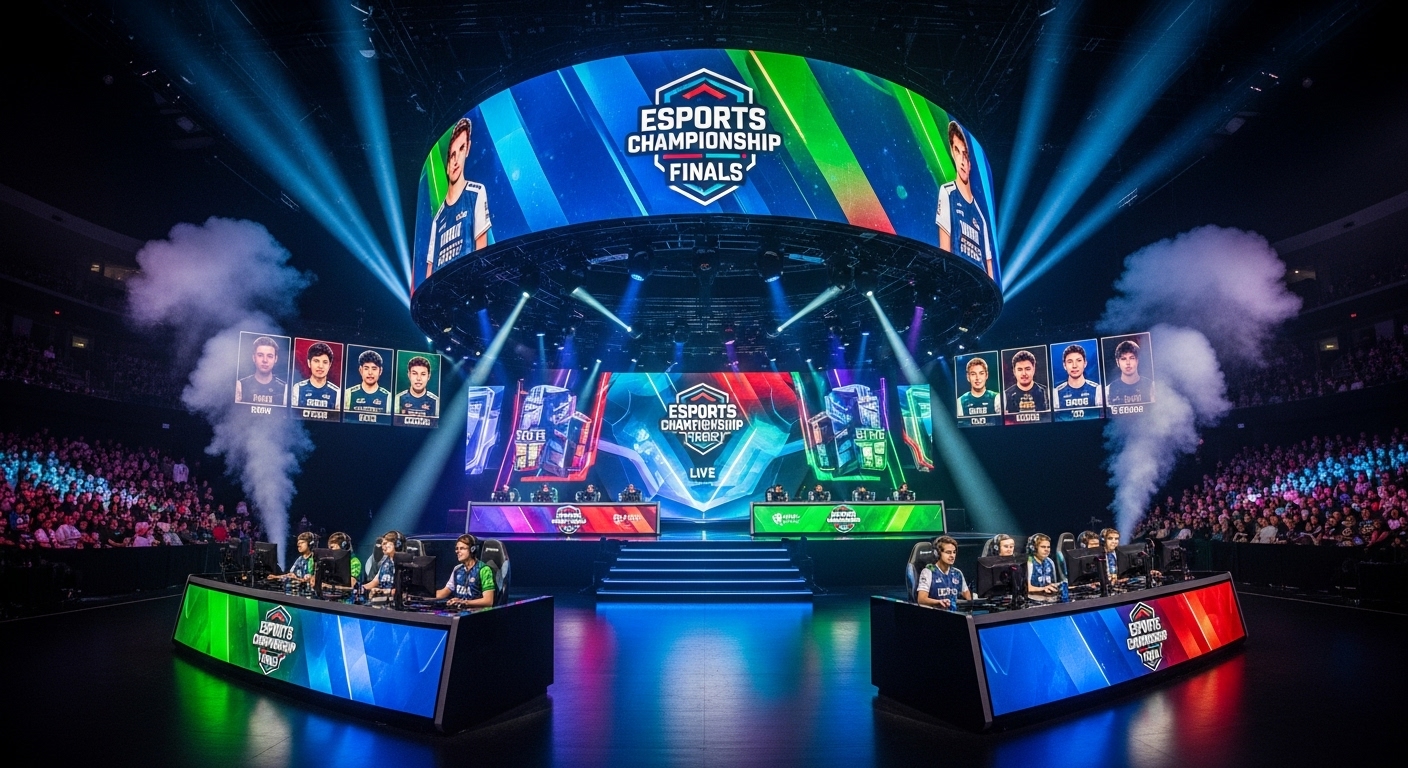
The 2010s marked the true explosion of esports. Streaming platforms like Twitch and YouTube Gaming brought competitive play directly to the audience, removing the barriers between players and fans. Suddenly, anyone could watch their favorite teams and players compete live from anywhere in the world. Games like League of Legends, Dota 2, and Counter-Strike: Global Offensive became staples of the esports scene, drawing millions of viewers to international tournaments. The League of Legends World Championship, for example, has rivaled traditional sports events in terms of viewership, surpassing the NBA Finals in some years. Prize pools also skyrocketed, with some tournaments offering tens of millions of dollars to the winning teams. The mainstream media began to take notice, and so did major sponsors. Brands that once invested solely in football or basketball started sponsoring esports teams, recognizing the massive potential of this growing audience.
The Players: From Hobbyists to Professionals
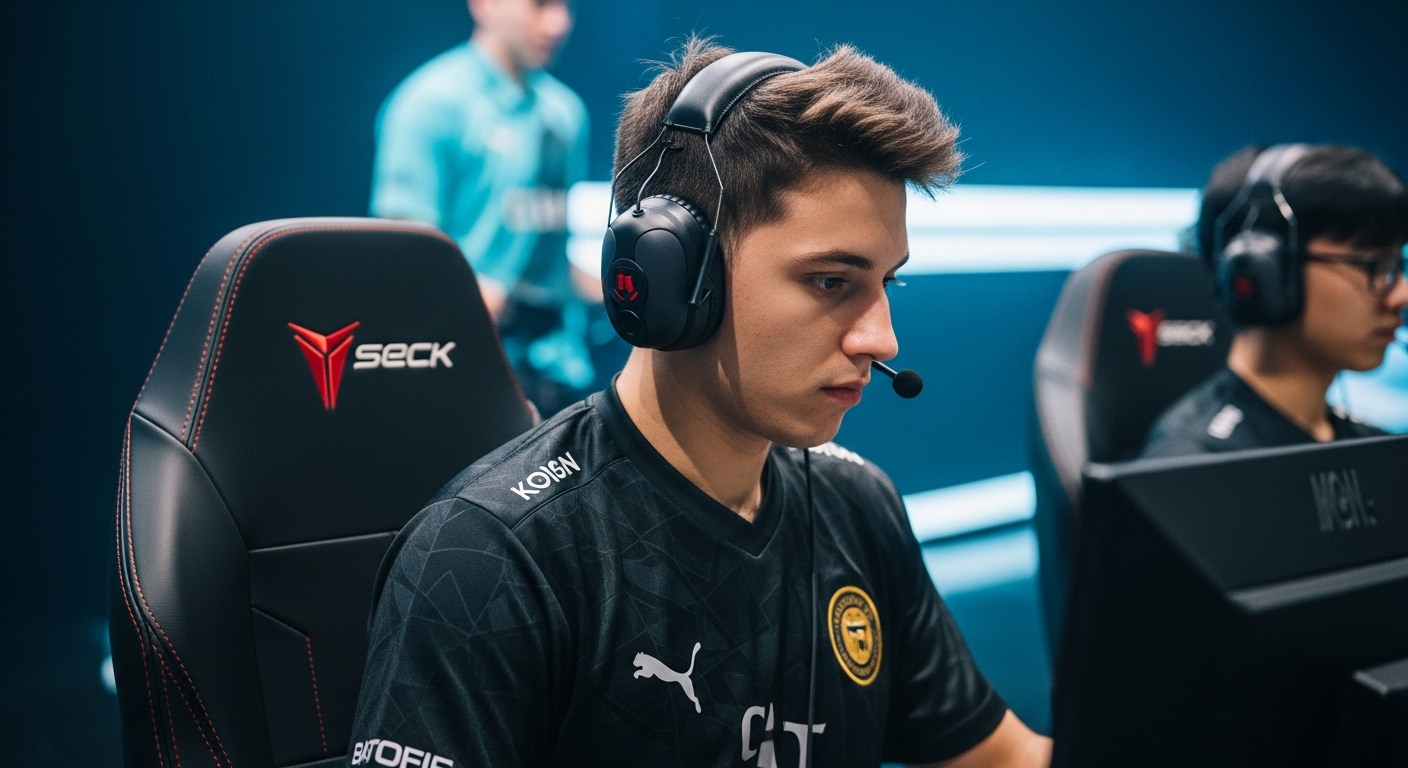
The rise of esports has given birth to a new type of athlete—the professional gamer. These players dedicate countless hours to perfecting their skills, studying game strategies, and working with teams to develop coordinated tactics. The level of dedication required to compete at the top level is no different from that of traditional athletes. Professional gamers follow rigorous training schedules, maintain physical and mental wellness, and participate in team-building exercises. Many esports organizations now have professional coaches, analysts, nutritionists, and psychologists to support their players. The average professional gamer begins training in their early teens and can earn substantial incomes through tournament winnings, sponsorships, and streaming. However, just like traditional athletes, esports players face challenges such as burnout, injury, and short career spans. Reaction times and reflexes tend to decline after a certain age, making early success crucial in this fast-paced environment.
The Games: The Heart of Esports
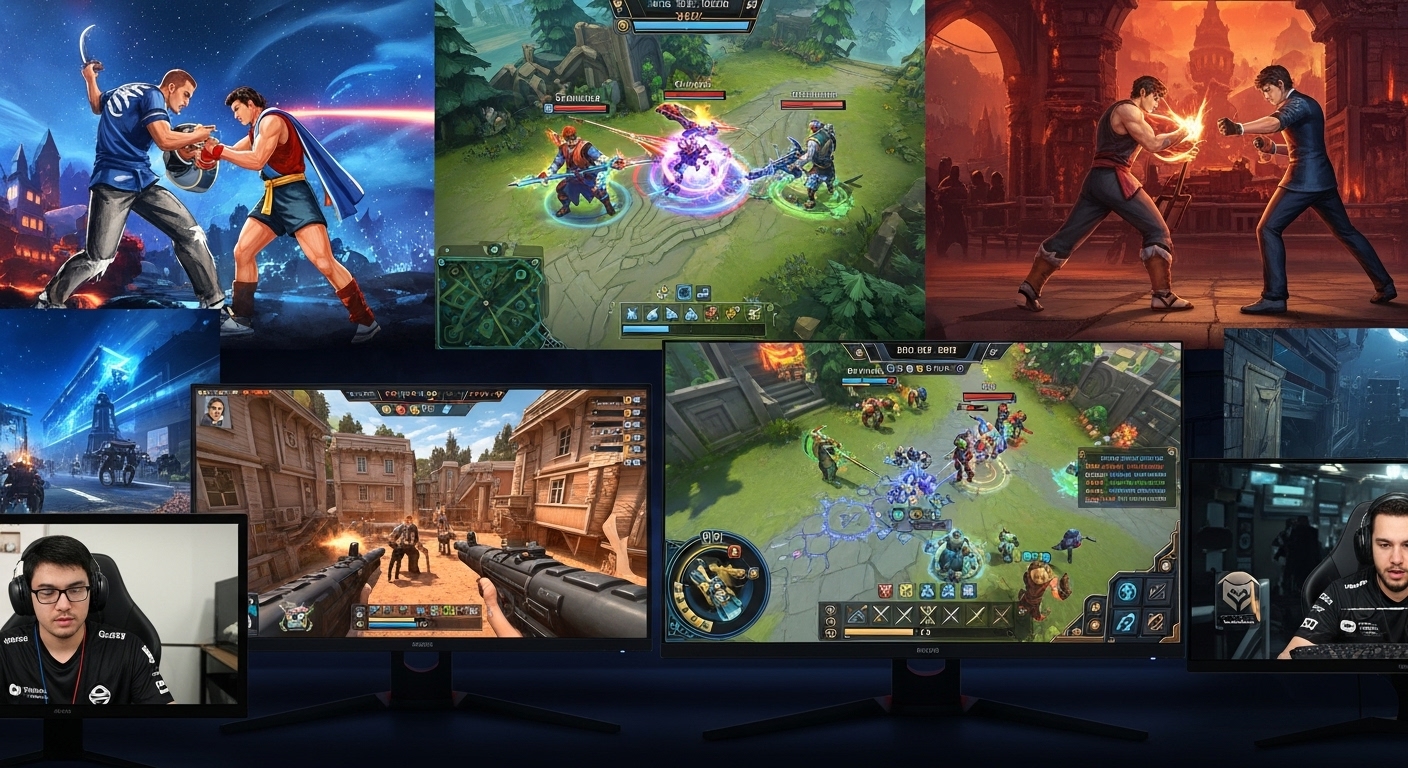
Esports is not defined by a single game but by a diverse range of genres and titles. Multiplayer Online Battle Arenas (MOBAs) like League of Legends and Dota 2 dominate the landscape, emphasizing teamwork, strategy, and quick decision-making. First-Person Shooters (FPS) such as Counter-Strike, Valorant, and Call of Duty focus on precision, reflexes, and tactical execution. Battle Royale games like Fortnite and Apex Legends have also become competitive staples, combining survival instincts with creative gameplay. Sports simulation games, including FIFA and NBA 2K, bridge the gap between traditional and digital sports, allowing players to experience virtual versions of real-world competition. The diversity of games ensures that esports appeals to a wide variety of audiences, each with its own dedicated fan base and culture. Each title fosters its own community, professional circuit, and unique style of play, making esports one of the most versatile forms of entertainment in modern culture.
The Fans: Building a Global Community
At the heart of esports lies its passionate fanbase. Unlike traditional sports, esports fans are not bound by geography or nationality. They connect through shared interests and digital platforms, creating vibrant online communities that span the globe. Social media, live streams, and interactive chats allow fans to engage directly with players and teams, fostering a sense of belonging and connection. The esports audience is young, tech-savvy, and deeply engaged. Many fans not only watch competitions but also play the games themselves, making them active participants in the culture rather than passive observers. This level of interaction has changed the nature of sports fandom, emphasizing community-driven engagement and direct communication between athletes and audiences. Events such as DreamHack and ESL One bring these communities together in massive conventions, blurring the lines between spectator and participant.
The Business: Esports as a Billion-Dollar Industry
Esports is not just entertainment—it is big business. The global esports industry now generates billions in revenue from sponsorships, merchandise, media rights, and ticket sales. Major companies invest heavily in teams, leagues, and event production. Traditional sports organizations have also entered the scene, with football clubs like Paris Saint-Germain and Manchester City creating their own esports divisions. Media networks broadcast tournaments, and universities offer scholarships for esports athletes. The professional structure of esports mirrors that of traditional sports, complete with leagues, franchised teams, and player contracts. Investment from technology companies and entertainment giants continues to fuel its expansion. The business potential of esports lies in its ability to reach a global, digital-first audience that is difficult to engage through traditional advertising. As the world continues to shift toward online entertainment, esports stands at the forefront of this transformation.
The Culture: Shaping the Identity of a Generation
Esports has become more than just a competition—it is a cultural movement. It influences fashion, music, language, and even education. Streamers and esports stars are modern-day celebrities with massive followings, shaping trends and social conversations. Esports events are not just about the matches; they are full-scale productions with live performances, commentary, and digital storytelling. The culture surrounding esports embraces inclusivity and creativity, welcoming people from all backgrounds. It has also opened the door to new career opportunities beyond playing. Roles in game design, event management, broadcasting, marketing, and content creation have all flourished thanks to the esports boom. For many young people, esports represents the fusion of passion and profession—a way to turn a love for gaming into a meaningful career.
The Challenges: Battling Stereotypes and Growing Pains
Despite its success, esports faces several challenges. One major issue is the lingering stereotype that gaming is not a “real” sport. Critics argue that it lacks the physicality of traditional sports, while supporters emphasize the mental agility, coordination, and teamwork involved. Another concern is the intense pressure placed on young players. The competitive environment can lead to stress, burnout, and health issues. Ensuring proper player welfare and sustainable career paths remains a top priority for organizations. Additionally, the industry must address problems like cheating, match-fixing, and toxic behavior in online communities. As esports continues to grow, maintaining integrity, inclusivity, and professionalism will be essential for its long-term success. The need for regulation and standardization across leagues is also becoming increasingly important to protect both players and fans.
The Future: Where Esports Is Headed
The future of esports looks brighter than ever. With advances in technology, including virtual reality, artificial intelligence, and faster internet connectivity, the potential for immersive and interactive experiences is limitless. Esports may soon become part of mainstream education, with schools integrating gaming programs to teach teamwork, strategy, and digital literacy. The inclusion of esports in multi-sport events such as the Asian Games has already legitimized it as a global sport, and discussions continue around its potential role in the Olympic Games. As more people recognize esports as a legitimate form of competition and entertainment, its influence on society will continue to grow. The line between digital and physical competition will blur further, creating a new kind of spectator experience.
Conclusion: The Legacy of the Digital Athlete
Esports has come a long way from basement tournaments and arcade halls. It represents the evolution of competition in the digital age—a celebration of skill, innovation, and community. The world of esports is not confined to screens; it extends into the real world through shared experiences, cultural impact, and economic power. It challenges traditional notions of sports and redefines what it means to be an athlete. In many ways, esports is the embodiment of the modern era—global, connected, and constantly evolving. As technology continues to shape our world, esports will remain at the forefront, reminding us that the spirit of competition knows no boundaries, whether on a field or in a digital arena.