Introduction: Esports – A New Era of Competitive Entertainment
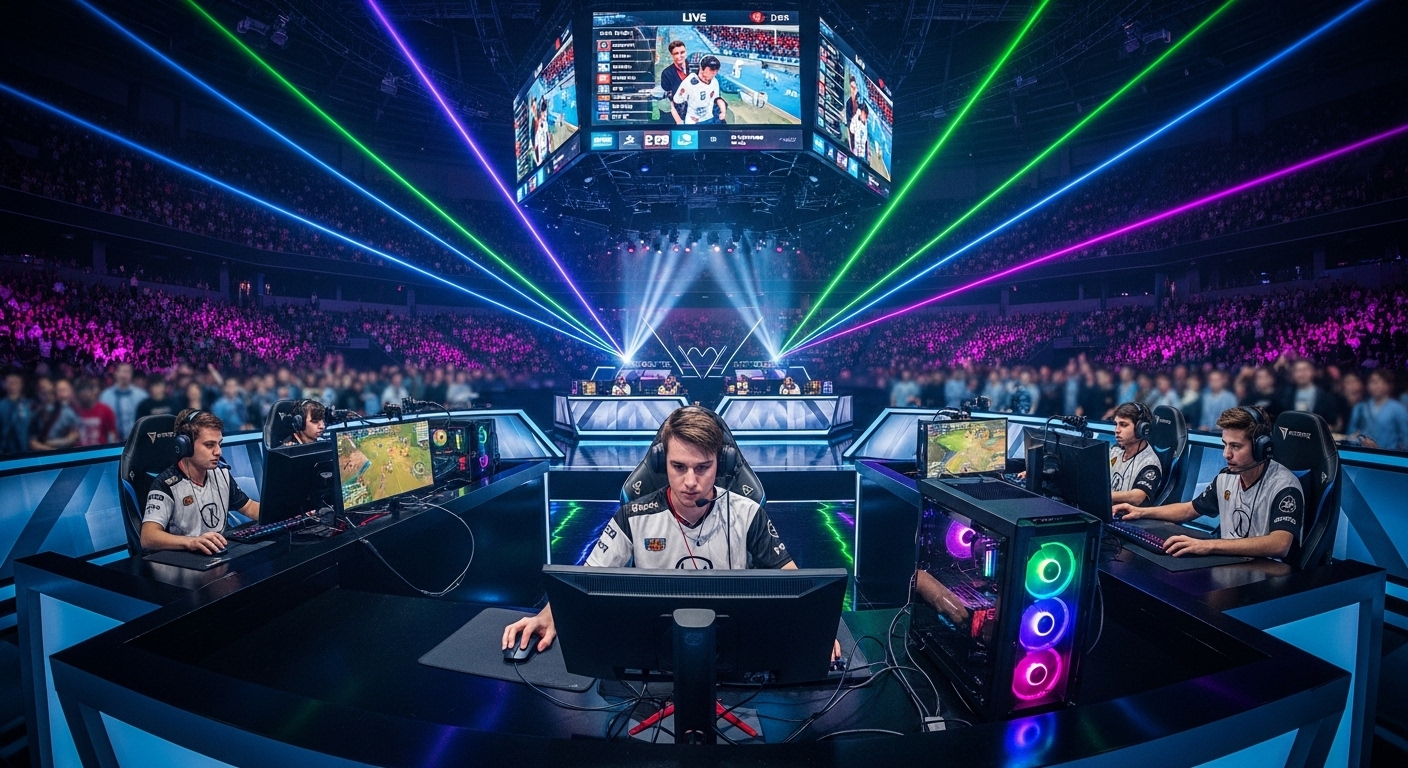
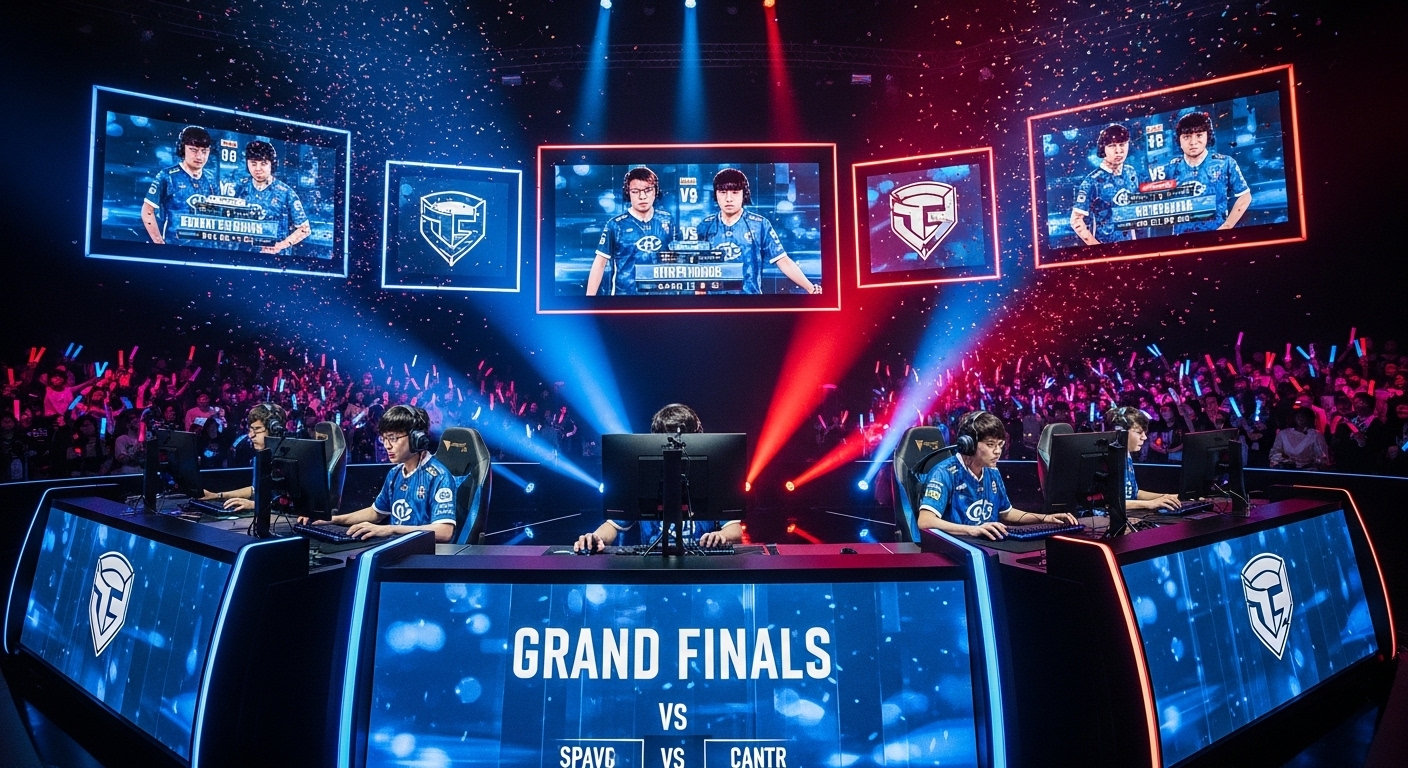
In the last decade, a cultural shift has taken place in the world of entertainment. Competitive gaming, once seen as a niche hobby, has blossomed into a global phenomenon. What began with small, community-driven tournaments has now evolved into a multi-billion-dollar industry. Esports—competitive video gaming—has gained a level of recognition and popularity that rivals traditional sports like football, basketball, and soccer. Millions of viewers tune in to watch professional players compete in high-stakes tournaments, while sponsorships, media deals, and partnerships continue to skyrocket.
The rise of esports is not just a trend but a redefinition of what it means to be an athlete, a fan, and an industry. In this blog post, we will explore the history of esports, its rapid growth, the technology behind it, and its role in the wider entertainment landscape. We will also discuss the future of competitive gaming, how it has become a mainstream cultural force, and its potential to shape the future of sports and entertainment.
The Origins of Esports: From Arcade Games to Global Competitions
Esports as we know it today did not appear overnight. Its roots can be traced back to the early days of arcade gaming in the 1970s and 1980s. While the idea of competitive gaming may seem modern, the first competitions took place in the era of arcade machines. The famous Space Invaders Championship in 1980 is often cited as one of the first major gaming tournaments, where players from across the United States competed for a top prize.
However, it wasn’t until the rise of the internet in the 1990s that esports began to evolve into a more organized and competitive endeavor. With the development of online multiplayer games like Quake and StarCraft, players were able to compete against each other across long distances, a pivotal moment that laid the foundation for competitive gaming as we know it today. The creation of the first professional gaming leagues, such as the Cyberathlete Professional League (CPL) in the late 1990s, further established esports as a legitimate competitive sport.
The early 2000s saw the rise of internet cafes, where gamers would gather to compete in local tournaments. This grassroots scene helped to build a community and cultivate a culture of esports that has continued to grow over the years. Competitive gaming’s global potential was realized with the launch of World Cyber Games (WCG) in 2000, an event that became known as the “Olympics of Gaming,” attracting international attention and players from all over the world.
The Golden Age of Esports: The Role of Streaming and Media Platforms
While esports had already made significant strides by the mid-2000s, it wasn’t until the advent of streaming platforms like Twitch that the industry truly exploded into the mainstream. Twitch, launched in 2011, allowed gamers to broadcast their gameplay to a global audience, creating a new kind of entertainment experience. Gamers could now share their strategies, personalities, and skills with millions of viewers in real time. The rise of Twitch made it easier for aspiring professional players and streamers to build a following, and it allowed fans to interact with their favorite gamers directly.
This shift from traditional media to digital platforms created a new era for esports, one that was less dependent on cable networks or terrestrial television. Esports became increasingly accessible, with online platforms providing a place to watch live tournaments, engage with commentators, and participate in fan-driven events. Twitch’s success also opened the door for other streaming platforms like YouTube Gaming and Facebook Gaming to enter the market, further expanding the reach of competitive gaming.
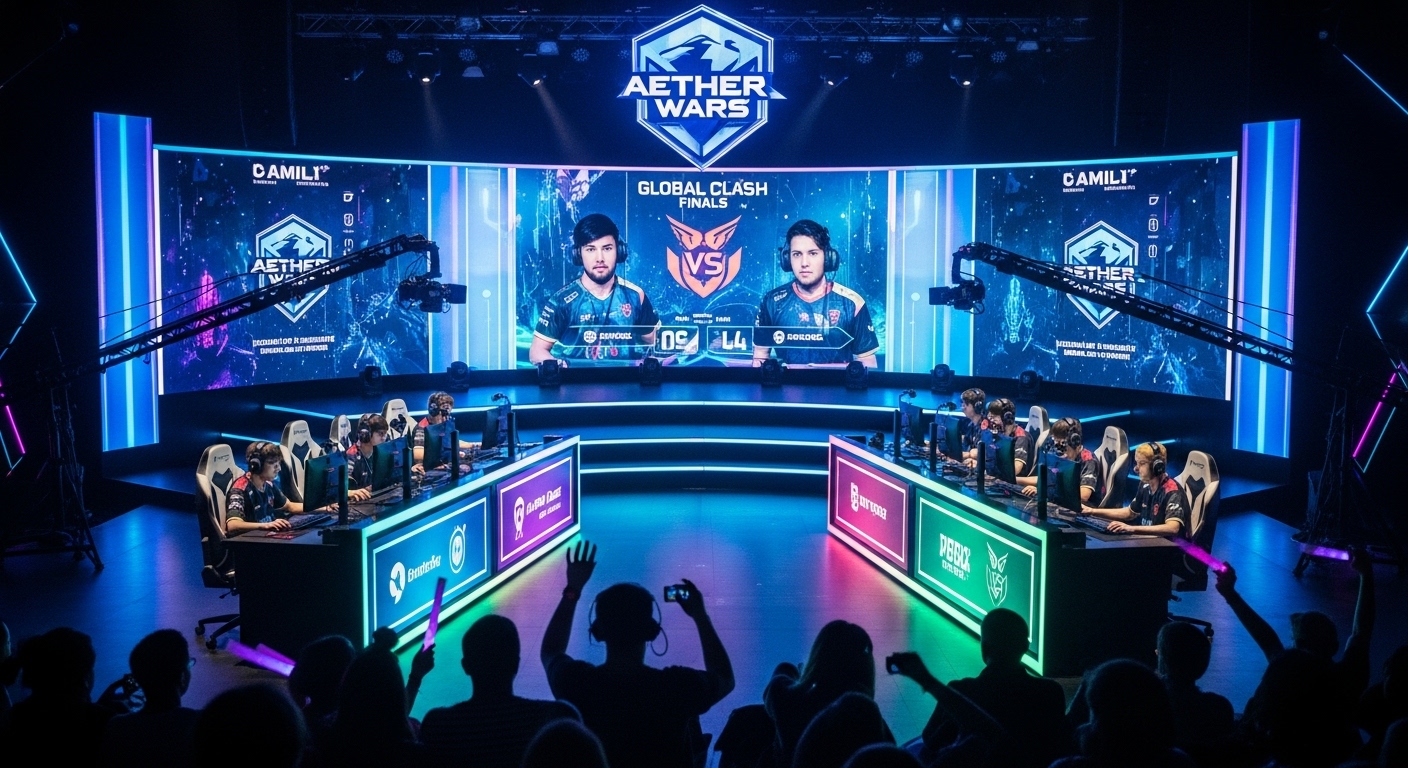
Streaming also played a significant role in the growth of esports viewership. Major tournaments such as The International (Dota 2), League of Legends World Championship, and CS:GO Major Championships became global events, attracting millions of viewers and offering millions in prize money. The global accessibility of these tournaments through online streaming led to a rapid increase in audience size, with esports tournaments regularly drawing more viewers than some traditional sports events.
The Esports Ecosystem: Teams, Leagues, and Players
One of the key elements that differentiate esports from casual gaming is the professionalization of players, teams, and leagues. Much like traditional sports, esports has established a well-defined ecosystem that includes professional players, coaches, analysts, managers, and owners. Esports teams are often sponsored by major companies, ranging from tech giants like Intel and Nvidia to apparel brands like Adidas and Nike. This sponsorship has not only helped elevate the financial viability of esports but has also given it an added layer of legitimacy in the eyes of the general public.
Many esports organizations now operate much like traditional sports teams, with player contracts, training regimens, and management structures. Players sign contracts with esports teams to compete in specific games and tournaments, and they often receive salaries, sponsorship deals, and prize winnings. Teams, in turn, work to build a brand around their players, engaging fans through social media, merchandise, and live events.
Leagues, too, have become an integral part of the esports ecosystem. One of the most notable examples is League of Legends’ (LoL) professional league, League of Legends Championship Series (LCS), which was established by Riot Games in 2013. The LCS operates similarly to traditional sports leagues like the NBA or NFL, with teams competing in regular seasons, followed by playoffs and a world championship. Other games like Overwatch, Dota 2, and Call of Duty have followed suit, creating professional leagues with structured seasons, playoffs, and international competitions.
Esports and the Global Audience: The Impact of Regional and International Tournaments
Esports has become a global phenomenon, with tournaments and competitions taking place across every continent. Unlike traditional sports, where certain regions dominate (for example, the NFL is primarily focused on the United States), esports has a truly global presence. Games like League of Legends have international leagues and tournaments that bring together players and fans from all over the world. In fact, some of the largest esports tournaments, such as The International for Dota 2, attract viewers from countries as diverse as South Korea, Brazil, China, and the United States.
The global nature of esports means that cultural and geographical barriers that typically exist in traditional sports are less pronounced. Esports fosters a sense of international community, as players and fans from different backgrounds unite around a shared love of gaming. The ability to stream these tournaments online further amplifies this global reach, with millions of fans watching tournaments in real-time across various time zones.
Major esports events also provide substantial economic impact for host cities and countries. For example, the League of Legends World Championship is held in different countries every year, drawing huge crowds and generating millions of dollars in revenue from ticket sales, sponsorships, merchandise, and tourism. Esports is now recognized as a legitimate economic driver, with cities like Los Angeles, Seoul, and Shanghai becoming hubs for the gaming industry.
The Culture of Esports: Community, Fan Engagement, and Digital Innovation
At its core, esports is not just about competition—it’s about community. The culture surrounding esports is vibrant and diverse, with players, fans, and content creators sharing a common passion for gaming. The esports fanbase is loyal and dedicated, with fans often following their favorite teams or players through social media, live streams, and in-person events.
Esports fans are also incredibly engaged, often participating in discussions on social media, attending fan meetups, and supporting their teams through merchandise and donations. This level of engagement creates a dynamic relationship between fans and players, blurring the line between spectator and participant. This interactivity is something that traditional sports have struggled to replicate, as esports fans often have a more direct connection to the players through streaming platforms like Twitch and YouTube.
In addition to fan engagement, esports has driven digital innovation in terms of how content is produced and consumed. Real-time commentary, live-streamed events, and interactive fan experiences have all evolved due to the digital nature of esports. Esports tournaments are now streamed across multiple platforms, with commentary and analysis provided by professional broadcasters, former players, and content creators. The ability for fans to interact with the content and each other has transformed how we experience competitive gaming.
The Future of Esports: Mainstream Recognition and New Frontiers
As esports continues to grow, its future looks incredibly promising. The increasing professionalization of players, teams, and leagues suggests that esports is becoming an industry with long-term staying power. The rise of new games, platforms, and technologies also opens the door for further expansion. Virtual reality (VR), augmented reality (AR), and artificial intelligence (AI) have the potential to create entirely new forms of esports experiences, offering players and viewers immersive, real-time interaction that will redefine the boundaries of competitive gaming.
Esports is also beginning to gain recognition as a legitimate career path. Players can now make a living through sponsorships, streaming, prize money, and merchandise sales. The professionalization of esports has led to the establishment of esports colleges and academic programs, where students can learn the ins and outs of the industry, from management and broadcasting to game development and marketing. Esports scholarships are now being offered at universities, further legitimizing it as a viable career option for young gamers.
As esports continues to attract mainstream recognition, it’s also expanding into new areas, such as traditional sports partnerships. Major sports franchises and celebrities are investing in esports teams, further bridging the gap between traditional and digital sports. The collaboration between sports organizations and esports companies is a sign of the growing convergence between the two worlds, a trend that is likely to continue in the coming years.