Introduction: A New Frontier in Competitive Entertainment
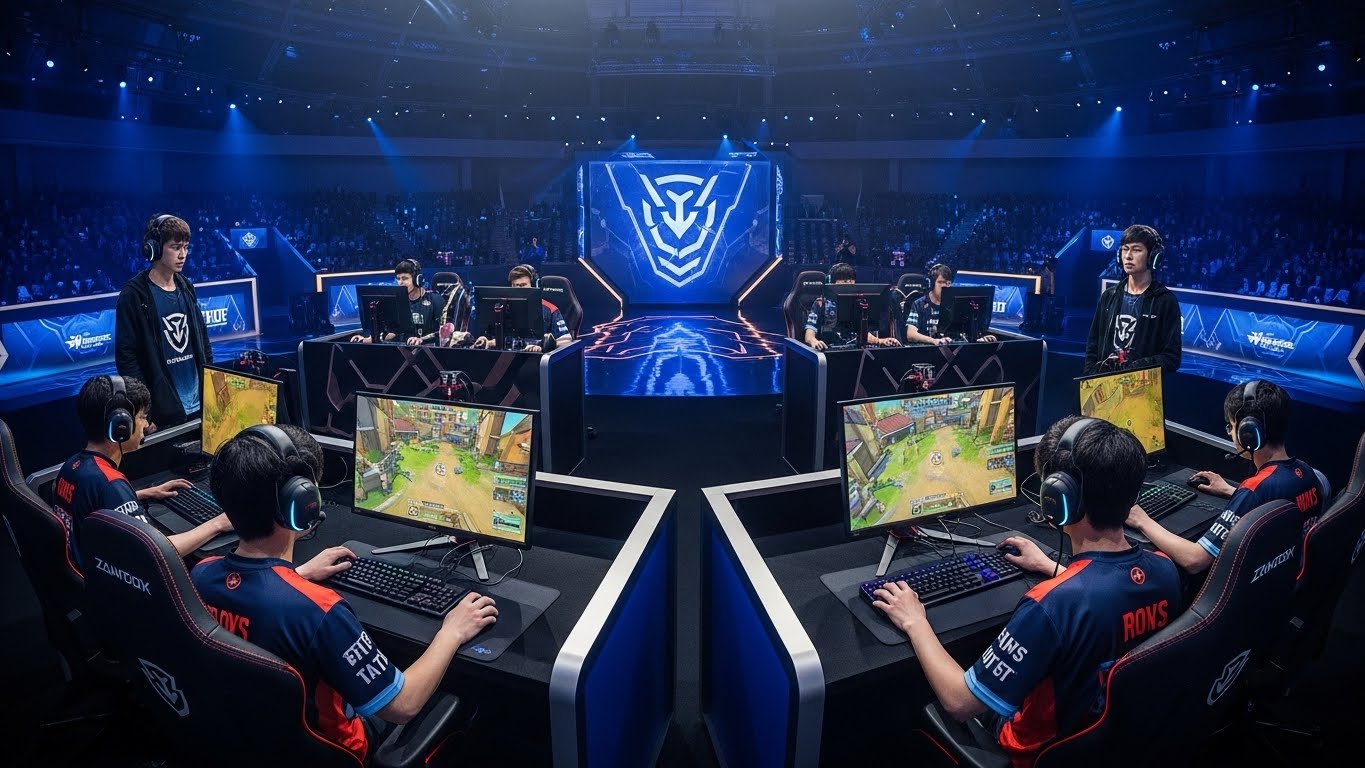
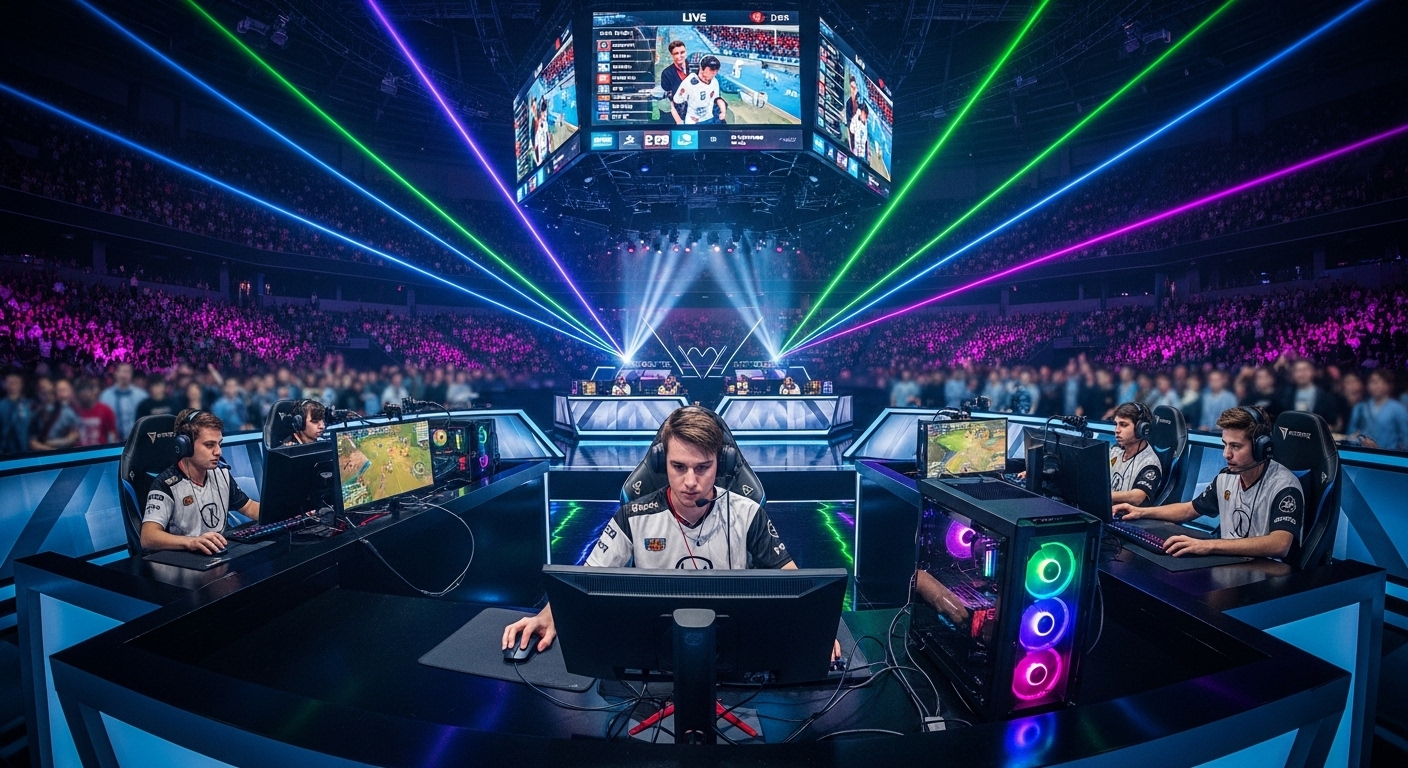
In the past two decades, competitive gaming has evolved from a niche hobby into a global phenomenon known as esports. What was once considered a pastime for a small group of dedicated gamers has now become a multi-billion-dollar industry attracting millions of viewers and participants worldwide. Esports combines the thrill of traditional sports with the accessibility and creativity of digital gaming, creating an entirely new form of entertainment. As the boundaries between professional athletes and gamers blur, esports has cemented its place in mainstream culture, influencing technology, entertainment, and even education.
The Evolution of Esports
Esports did not appear overnight; it is the result of decades of gaming development, technological innovation, and community engagement. Early video game tournaments in the 1980s focused on arcade games, with competitions often taking place in local arcades or small events. These tournaments were limited by geography and access, but they laid the foundation for competitive gaming culture.
With the rise of online gaming in the late 1990s and early 2000s, esports began to expand rapidly. Games like StarCraft, Counter-Strike, and Warcraft III introduced competitive elements that could be measured and ranked on a global scale. Online multiplayer platforms allowed players from different countries to compete against each other, creating the first truly international esports communities. The introduction of live streaming platforms in the 2010s, such as Twitch, transformed esports into a spectator sport, enabling millions of viewers to watch professional gamers in real time.
Popular Esports Genres and Games
Esports encompasses a variety of genres, each with its unique audience and competitive dynamics. Multiplayer online battle arena (MOBA) games, such as League of Legends and Dota 2, are among the most popular esports genres. These games emphasize strategic thinking, team coordination, and fast-paced decision-making. Players must not only master complex mechanics but also communicate effectively with their teammates to succeed.
First-person shooter (FPS) games like Counter-Strike: Global Offensive, Call of Duty, and Valorant emphasize precision, reflexes, and tactical execution. FPS esports tournaments often draw massive viewership due to the intensity and adrenaline of high-stakes matches. Battle royale games such as Fortnite and Apex Legends have also gained significant traction, combining survival skills with dynamic gameplay. Card games, sports simulations, and fighting games further diversify the esports landscape, ensuring there is a game to suit nearly every type of gamer.
The Structure of Esports Competitions
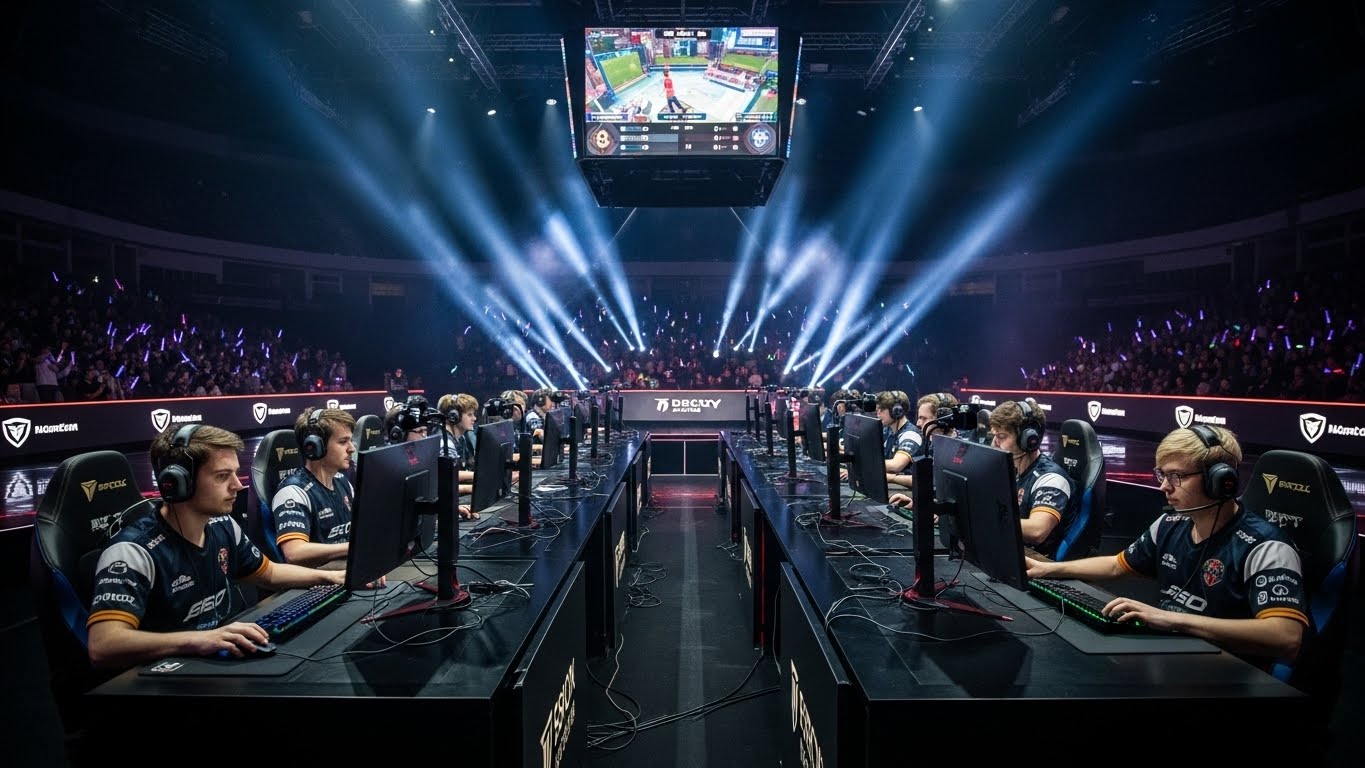
Esports tournaments have become highly structured, resembling traditional sports leagues. Professional teams are often signed to organizations that provide salaries, coaching, and training facilities. Competitions range from small local events to massive international championships with multi-million-dollar prize pools. For example, The International, a Dota 2 tournament, consistently boasts prize pools exceeding tens of millions of dollars, attracting attention from mainstream media and major sponsors.
Unlike traditional sports, esports allows for rapid evolution in rules, formats, and games. New titles can emerge as competitive games within months, and existing games can undergo balance changes that dramatically alter the competitive scene. This flexibility keeps the industry dynamic and constantly evolving, challenging players to adapt and innovate continuously.
The Role of Streaming and Digital Platforms
One of the driving forces behind esports’ popularity is the rise of live streaming and digital platforms. Streaming allows fans to watch their favorite players and teams in real time, providing a level of engagement that traditional sports cannot always match. Platforms like Twitch and YouTube Gaming have created interactive communities where viewers can chat, share content, and even influence gameplay through donations or live interactions.
Streaming also opens new revenue opportunities for professional players. Many esports athletes earn income not only through tournament winnings but also through subscriptions, sponsorships, and brand partnerships. The combination of competitive performance and personal branding has turned successful gamers into influential public figures with dedicated fan bases.
Economic Impact and Career Opportunities
Esports is no longer just entertainment; it is a thriving industry with a significant economic impact. Sponsorship deals, merchandise sales, ticketed events, and advertising contribute to a multi-billion-dollar global market. Major corporations, from tech companies to consumer brands, invest heavily in esports to reach younger, digitally engaged audiences.
Career opportunities within esports extend beyond professional gaming. Coaches, analysts, commentators, event organizers, and content creators all play critical roles in sustaining the ecosystem. The rise of esports academies and training programs has further legitimized gaming as a potential career path, offering structured education in strategy, communication, and mental resilience.
Challenges Facing the Esports Industry
Despite its rapid growth, esports faces several challenges that must be addressed to ensure long-term sustainability. Mental health is a significant concern for professional players, who often endure high-pressure environments, long hours of practice, and intense scrutiny from fans. Burnout and stress-related issues are common, making support systems and wellness programs essential for maintaining player well-being.
Regulation is another critical challenge. Esports operates across multiple countries, each with different legal frameworks regarding gambling, labor laws, and intellectual property. Establishing consistent rules for player contracts, tournament conduct, and sponsorships remains an ongoing task. Additionally, the perception of esports as a “real sport” continues to be debated, affecting its recognition by traditional sporting institutions and educational programs.
Esports and Education
Interestingly, esports is beginning to intersect with education in innovative ways. Universities and colleges worldwide now offer esports scholarships, dedicated teams, and academic programs focused on game design, strategy, and digital media. These programs combine traditional learning with esports experience, equipping students with skills that are applicable in technology, business, and creative industries.
High schools are also introducing esports clubs, providing students with opportunities to develop teamwork, strategic thinking, and leadership skills. The competitive yet inclusive nature of esports makes it an effective tool for teaching critical life skills while engaging students in a digital-first environment.
The Cultural Influence of Esports
Esports has significantly influenced popular culture, shaping fashion, music, and entertainment. Professional gamers are increasingly recognized as celebrities, and esports events now rival traditional sports in spectacle and production value. Cosplay, fan art, and community-driven content amplify the cultural reach of esports, creating a shared experience that extends beyond the game itself.
Esports also challenges traditional notions of athleticism, demonstrating that skill, reflexes, and strategy in a digital environment are comparable to those in physical sports. This shift encourages broader acceptance of gaming as a legitimate form of competition and creativity.
The Future of Esports
The future of esports looks promising, with technological advancements and growing audiences driving continued expansion. Virtual reality (VR) and augmented reality (AR) have the potential to redefine how games are played and experienced, creating even more immersive competitions. Artificial intelligence and analytics tools may enhance player performance, coaching strategies, and audience engagement, making esports smarter and more dynamic than ever before.
Global accessibility remains a key factor in esports’ growth. Unlike traditional sports that require physical infrastructure, esports can be played and watched anywhere, breaking down barriers related to geography, mobility, and socioeconomic status. This inclusivity ensures that esports will continue to attract diverse audiences and participants worldwide.
Conclusion: Esports as a Modern Phenomenon
Esports is more than a trend; it represents a fundamental shift in entertainment, competition, and culture. By blending strategy, skill, technology, and community, esports has created a new form of competitive engagement that resonates with millions of people around the world. While challenges remain, the industry’s growth, economic impact, and cultural significance make it clear that esports is here to stay.
As esports continues to evolve, it will likely redefine our understanding of sports, entertainment, and human potential in the digital age. From casual gamers to professional athletes, everyone can participate, contribute, and celebrate the ever-expanding universe of competitive gaming. In the modern era, esports is no longer just a game—it is a global movement shaping the way we play, watch, and interact with digital worlds.