Introduction: A New Era of Competition
Esports, or competitive gaming, has rapidly transformed from a niche hobby into a global phenomenon. With professional leagues, international tournaments, and millions of viewers tuning in online, esports has established itself as a legitimate form of competition. Unlike traditional sports, esports thrives in the digital space, blending technology, entertainment, and athleticism. This new era of competitive gaming has reshaped the way people perceive sports, entertainment, and professional careers. In this article, we will explore the growth of esports, its cultural and economic impact, the skills it cultivates, and the challenges and opportunities facing this booming industry.
The Origins of Esports
The history of esports can be traced back to the 1970s and 1980s, when early video games like Space Invaders, Pac-Man, and Pong began to attract competitive players. By the 1990s, games like Street Fighter, StarCraft, and Quake introduced organized tournaments and the concept of professional gaming. The proliferation of the internet in the early 2000s accelerated the growth of esports, allowing players from different countries to compete virtually. Over time, games such as League of Legends, Dota 2, Counter-Strike, and Fortnite have brought esports into mainstream recognition, attracting sponsorships, broadcasting deals, and dedicated fan bases.
The Global Impact of Esports
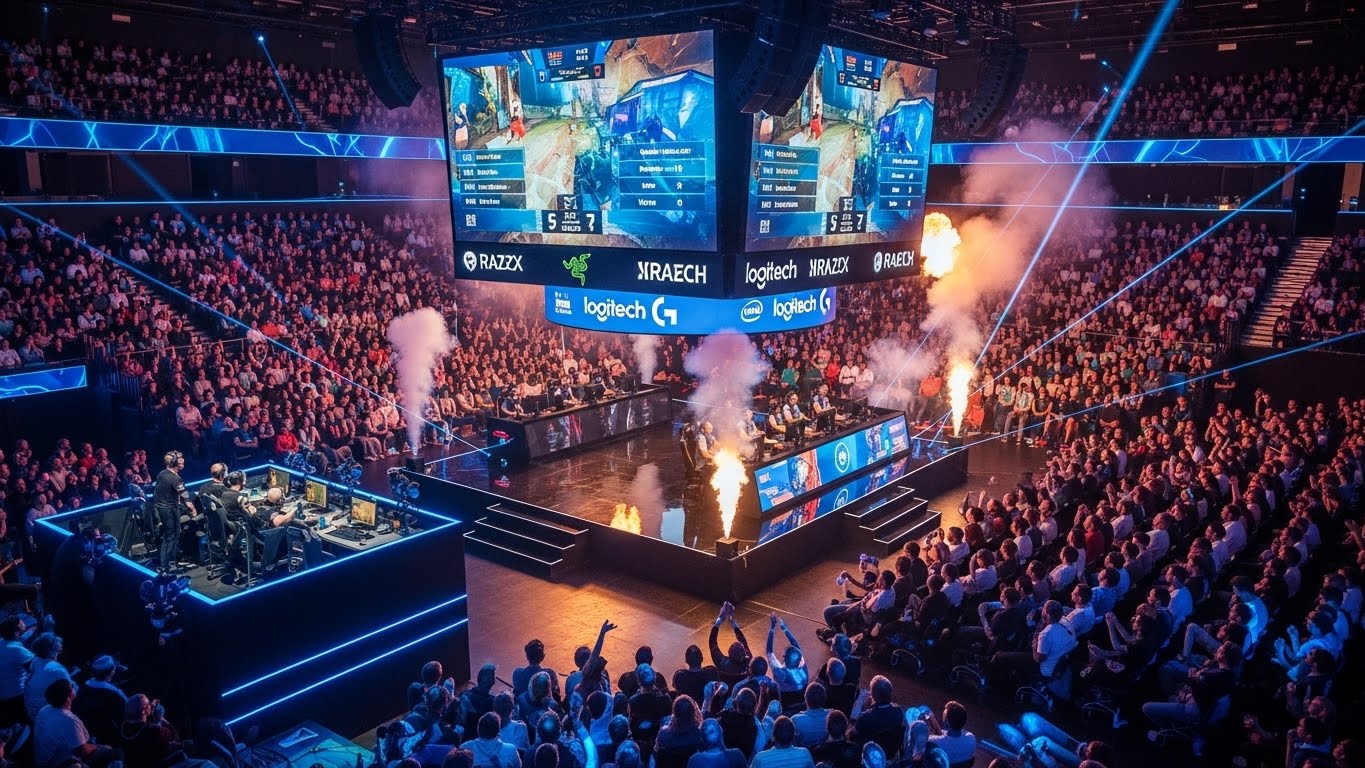
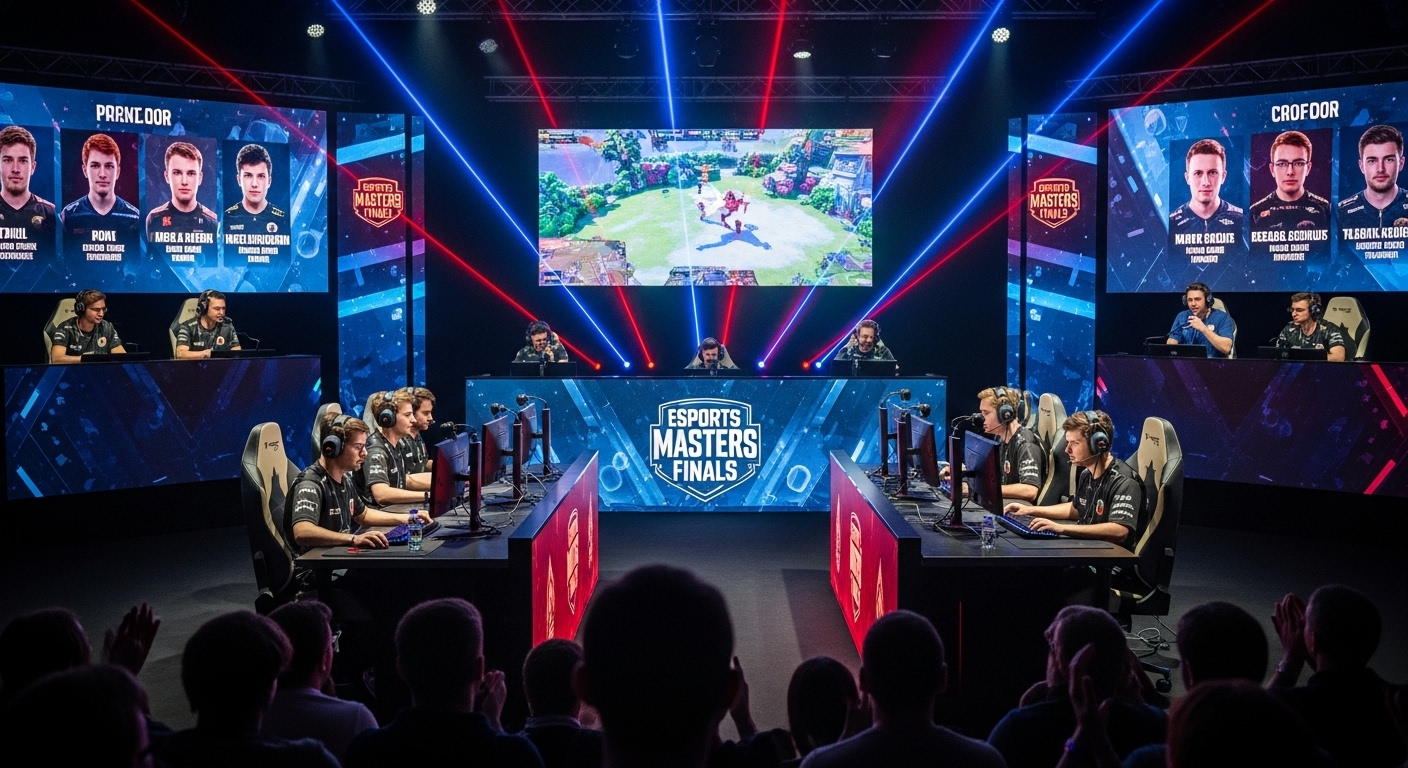
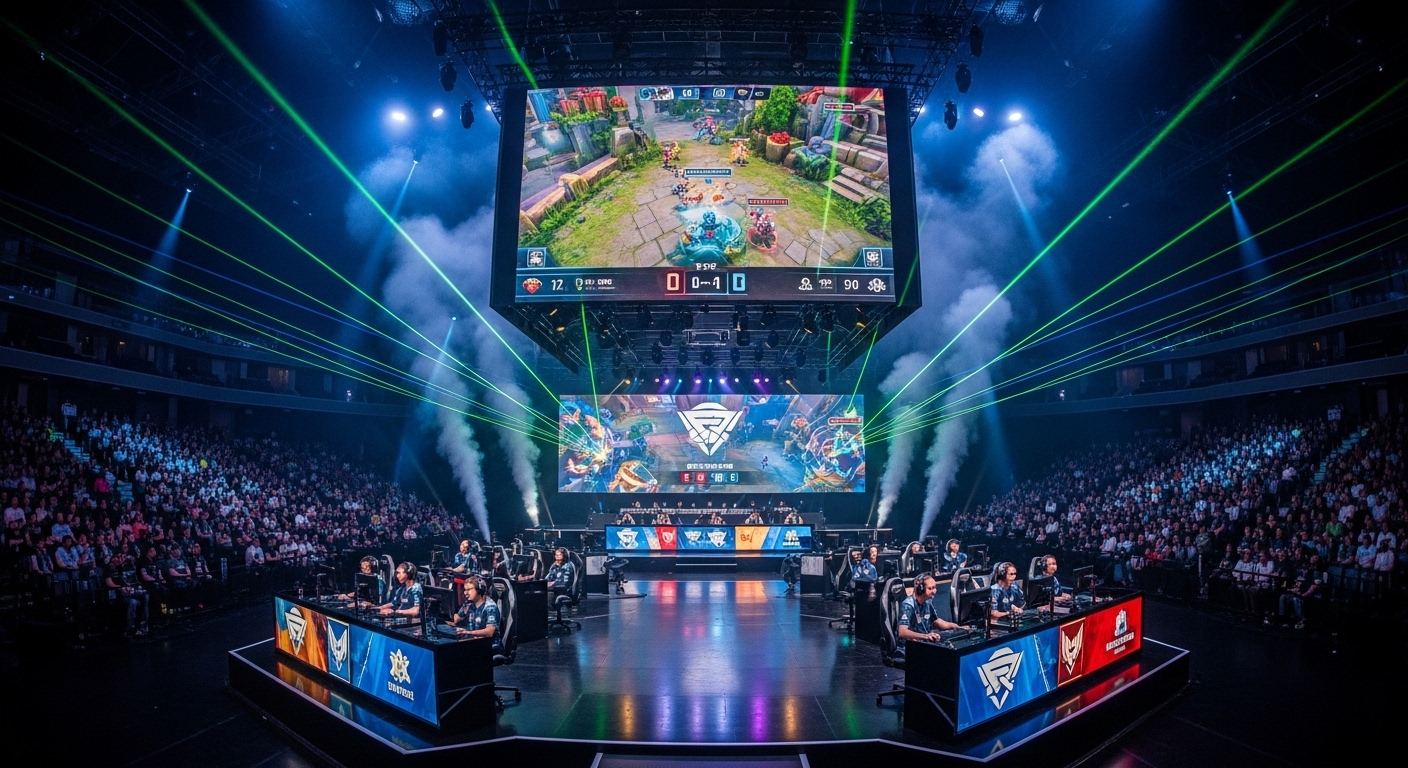
Esports is no longer limited to specific regions; it has become a global phenomenon. Countries like South Korea, China, and the United States have developed professional leagues and training facilities dedicated solely to esports. International tournaments such as The International, the League of Legends World Championship, and the Overwatch League Finals attract millions of viewers worldwide, rivaling traditional sporting events in popularity. The rise of online streaming platforms like Twitch and YouTube has allowed fans to engage with tournaments in real-time, creating a new level of community interaction and fandom. This global reach has not only expanded the audience but also created opportunities for players, commentators, and content creators around the world.
Esports as a Career
Professional gaming has emerged as a viable career path for talented players. Esports athletes undergo rigorous training schedules, often practicing for eight to twelve hours a day to refine strategies, improve reflexes, and maintain peak performance. Top players can earn substantial incomes through tournament winnings, sponsorships, streaming revenue, and team contracts. Additionally, the esports industry provides careers beyond gameplay, including coaching, analysis, broadcasting, content creation, marketing, and event management. The professionalization of esports has elevated it to the level of traditional sports in terms of preparation, discipline, and earning potential.
Skills Developed Through Esports
Esports requires a unique combination of cognitive, technical, and interpersonal skills. Strategic thinking, quick decision-making, and multitasking are essential for success in competitive gaming. Players must master game mechanics, understand opponents’ tactics, and adapt to dynamic scenarios under pressure. Team-based games emphasize communication, coordination, and collaboration, while individual competitions demand self-reliance and focus. Esports also enhances hand-eye coordination, reaction time, and spatial awareness. Beyond technical skills, players develop resilience, patience, and the ability to learn from failure—qualities that are transferable to academic, professional, and personal contexts.
The Cultural Significance of Esports
Esports has developed its own culture, complete with dedicated fan communities, online forums, and social media engagement. Cosplay, fan art, and live event attendance have become integral aspects of esports culture, creating a sense of identity and belonging among enthusiasts. Unlike traditional sports, esports allows fans to interact directly with players through live chats, social media, and streaming platforms, fostering a closer relationship between athletes and audiences. This cultural ecosystem has also influenced fashion, music, and entertainment, as esports personalities often become trendsetters and influencers in broader youth culture.
The Economic Impact of Esports
The esports industry has grown into a multi-billion-dollar sector, with revenue streams from sponsorships, advertising, broadcasting rights, merchandise, and ticket sales. Major tournaments attract corporate sponsors from technology, energy drinks, apparel, and entertainment industries. The rise of esports betting and fantasy leagues has also contributed to the economic landscape. Additionally, esports stimulates job creation in fields such as event management, media production, marketing, coaching, and software development. Cities hosting esports events experience economic benefits through tourism, hospitality, and infrastructure development. The financial impact of esports highlights its significance as a modern entertainment and business powerhouse.
The Role of Technology in Esports
Technology is the backbone of esports, enabling high-quality gameplay, real-time communication, and global connectivity. Advanced gaming rigs, high-speed internet, and sophisticated software allow players to perform at their peak. Virtual reality, augmented reality, and AI-assisted analytics are transforming training, strategy, and audience engagement. Streaming platforms and interactive broadcasts enhance viewer experiences, providing instant statistics, commentary, and chat interactions. Technology also enables fair competition through anti-cheat systems and performance monitoring, ensuring the integrity of esports tournaments. The continuous evolution of technology is central to the growth and sustainability of esports.
Esports and Education
Esports is increasingly being recognized as a valuable tool in education. Schools and universities have started offering esports programs, scholarships, and competitive teams. Participation in esports can improve cognitive skills, teamwork, leadership, and digital literacy. Additionally, esports programs provide students with opportunities to explore careers in technology, media, and event management. By integrating esports into education, institutions are creating a pathway for students to combine their passion with professional development, while promoting inclusivity and engagement in academic environments.
Health and Well-being in Esports
While esports offers numerous benefits, it also presents health challenges. Extended gaming sessions can lead to physical issues such as eye strain, poor posture, and repetitive strain injuries. Mental health is equally important, as competitive pressure, burnout, and online harassment can affect players’ well-being. Professional esports teams now employ physical trainers, nutritionists, and psychologists to support players’ health and performance. Promoting healthy gaming habits, balanced schedules, and mental health awareness is crucial to ensure the sustainability of esports careers and the well-being of players.
Challenges Facing the Esports Industry
Despite its rapid growth, esports faces several challenges. The lack of standardized regulations, inconsistent tournament rules, and varying levels of professional support can create instability. Issues like cheating, toxic behavior, and gender disparity need to be addressed to foster inclusivity and fairness. Additionally, esports is still fighting for recognition as a legitimate sport in some regions, limiting access to funding and institutional support. Overcoming these challenges requires collaboration between developers, governing bodies, teams, and communities to establish standardized practices, promote ethical conduct, and ensure equal opportunities for all participants.
The Future of Esports
The future of esports is promising, with continued expansion into mainstream entertainment, media, and global markets. Emerging technologies such as virtual reality, cloud gaming, and AI-driven analytics will enhance gameplay, training, and fan engagement. Esports is also likely to see increased integration with traditional sports, including partnerships with professional leagues and the inclusion of esports in multi-sport events. As societal acceptance grows, esports has the potential to redefine competition, entertainment, and career opportunities for generations to come. Its adaptability, technological foundation, and global appeal make esports a defining feature of the digital age.
Conclusion: Esports as a Cultural and Competitive Revolution
Esports is more than just gaming; it represents a cultural and competitive revolution. It has created opportunities for players, fans, and professionals while reshaping how society perceives sports and entertainment. From developing essential cognitive and social skills to generating economic growth and fostering global communities, esports demonstrates the transformative power of digital competition. As technology continues to advance and the global audience expands, esports will play an increasingly central role in shaping careers, communities, and cultural trends. Its rise marks a new era where skill, strategy, and digital innovation define the champions of tomorrow.