Introduction: A New Era of Competitive Entertainment
Esports has rapidly transformed from niche hobbyist gatherings into a global sporting phenomenon. What was once seen as casual gaming has evolved into a structured ecosystem of professional players, massive tournaments, branded teams, passionate fan communities, and a booming industry with billion-dollar valuations. Today, esports championships fill stadiums, attract millions of online viewers, and even influence cultural conversations about the future of sports. This blog dives deep into how esports grew, what drives its success, and why it is reshaping entertainment and athletic competition worldwide.
The Rise of Competitive Gaming
Competitive gaming has existed for decades, but the modern form of esports began gaining mainstream traction in the early 2010s. Several key factors played a pivotal role. The explosion of high-speed internet allowed players to compete globally without geographical barriers. Streaming platforms enabled fans to watch elite players in real time. Publishers began organizing large-scale tournaments with prize pools reaching millions.
Games like League of Legends, Dota 2, Counter-Strike, and Fortnite became global battlegrounds, drawing players from every continent. By converting gameplay into a spectator sport, esports bridged the gap between gaming and traditional sports entertainment.
What Makes Esports So Different?
Unlike conventional sports, which require physical venues and standardized environments, esports allows players unlimited practice opportunities, strategic flexibility, and constant skill refinement. The barrier to entry is lower, allowing anyone with dedication, a computer or console, and an internet connection to compete.
Esports also evolves rapidly. Game patches, updates, and meta shifts keep competition dynamic. This constant evolution creates fresh excitement every season and ensures that both players and fans stay engaged.
The Global Community Behind the Digital Arena
One of the most powerful aspects of esports is its global fan base. Viewers are not limited by language, region, or physical presence. Instead, fans unite through shared passion. International tournaments showcase diverse players from around the world, representing cultures, teams, and identities that resonate with global audiences.
Community engagement is also strong. Fans discuss strategies, clips, predictions, and highlights on social platforms. Esports tournaments often generate enormous online buzz, sometimes surpassing traditional sports events in viewership.
Professional Players: The New Digital Athletes
Esports professionals are far from casual gamers. They undergo rigorous training schedules, practice for long hours daily, and maintain high levels of mental discipline. Their reflexes, decision-making skills, and teamwork rival that of athletes in physical sports.
Many professional players begin training in their teens and reach peak performance in their early twenties. Esports organizations provide structured coaching, psychology support, physical training, and analytics to help players perform at their best. These athletes are role models to millions of aspiring gamers, proving that passion and dedication can lead to real careers.
Esports Organizations and Team Culture
Esports teams operate similarly to traditional sports clubs. They employ managers, coaches, analysts, marketing departments, and wellness experts. Teams invest in facilities known as gaming houses, where players live and practice together.
The culture within these teams emphasizes communication, strategy, and unity. Just like in football or basketball, team chemistry plays a pivotal role. Successful teams develop their signature styles, rivalries, and narratives that fans follow avidly.
The Tournament Ecosystem: Where Legends Are Made
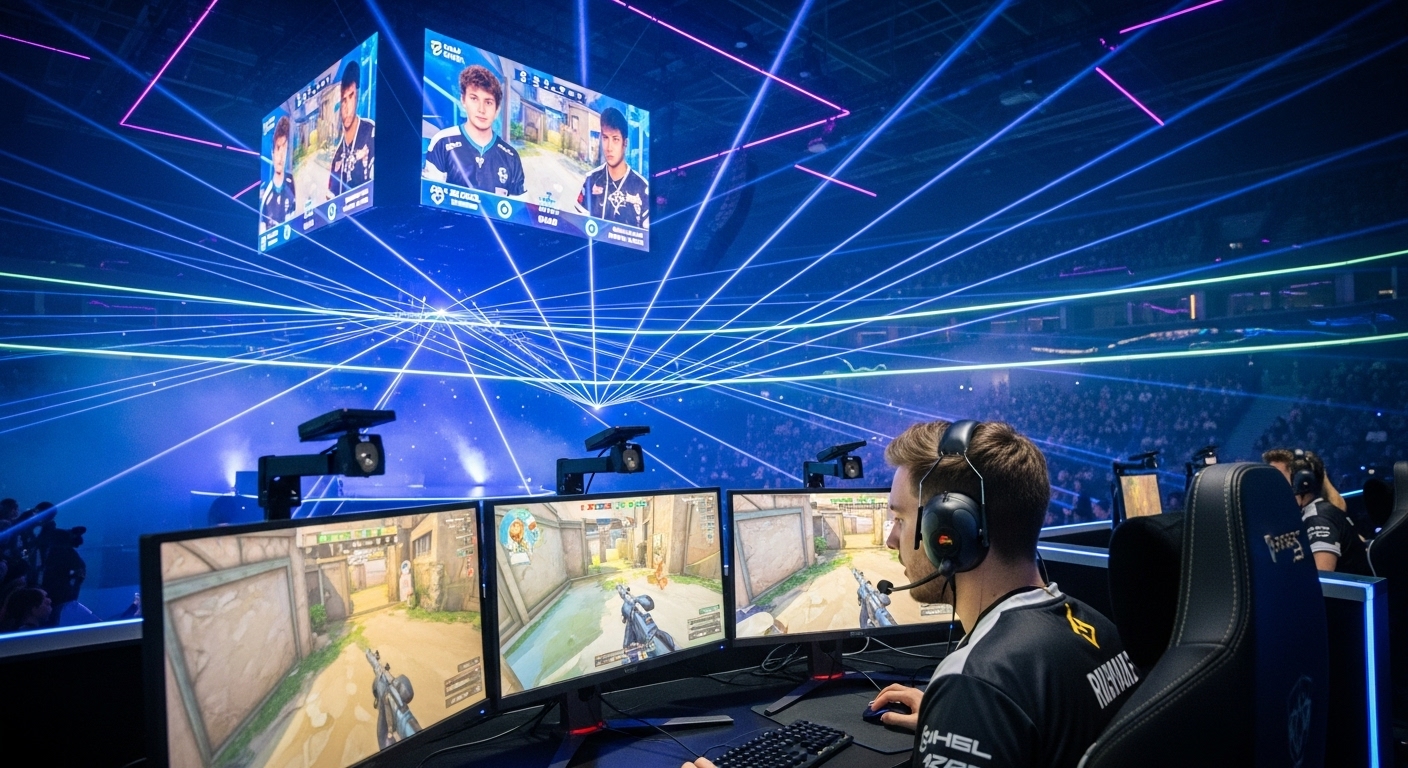
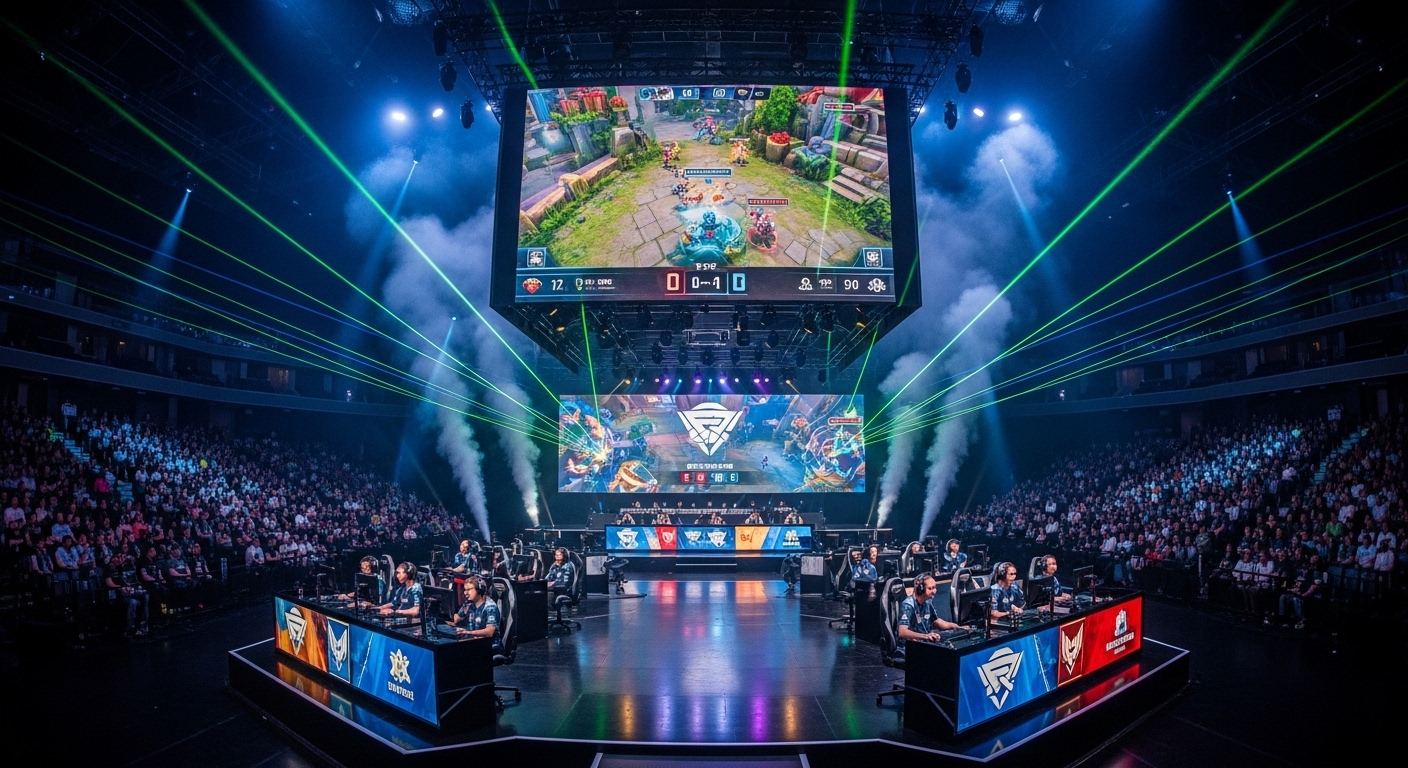
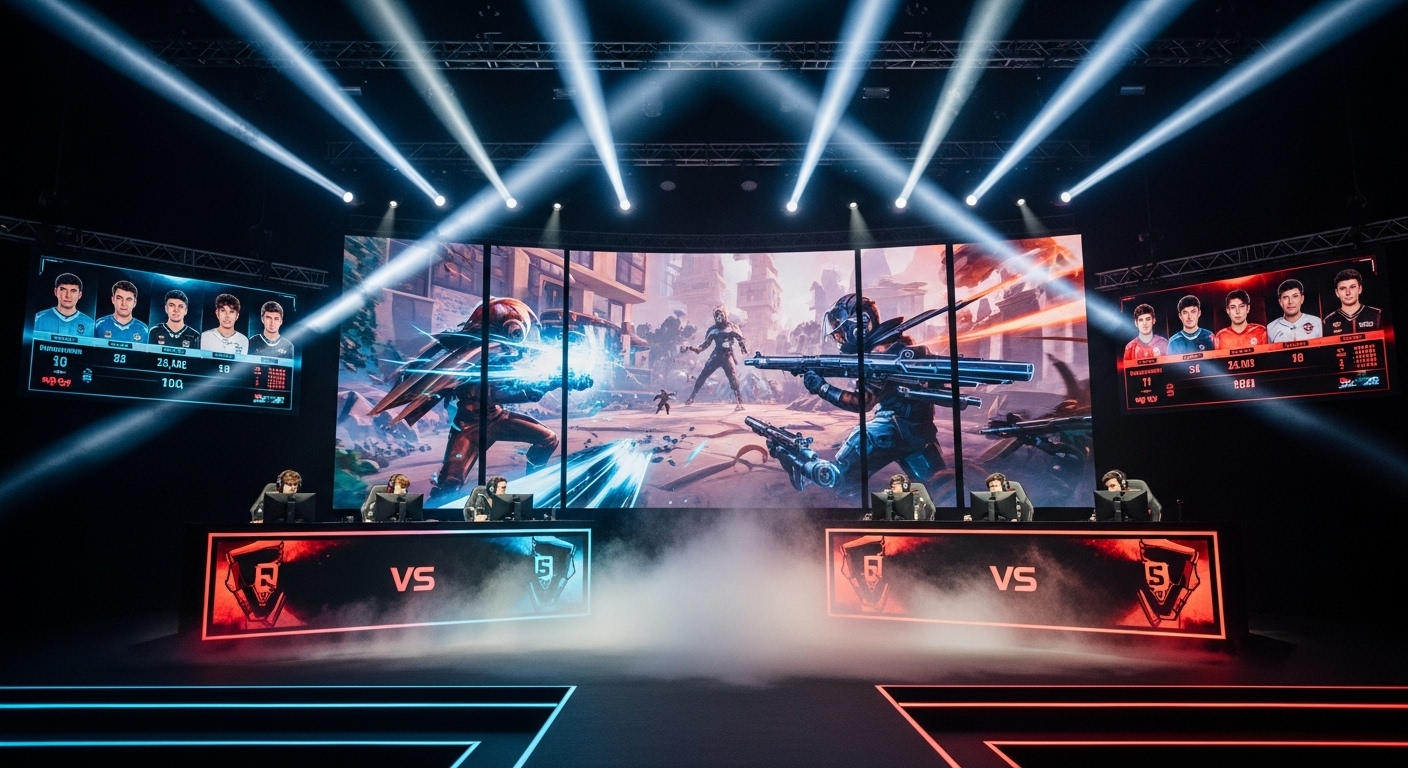
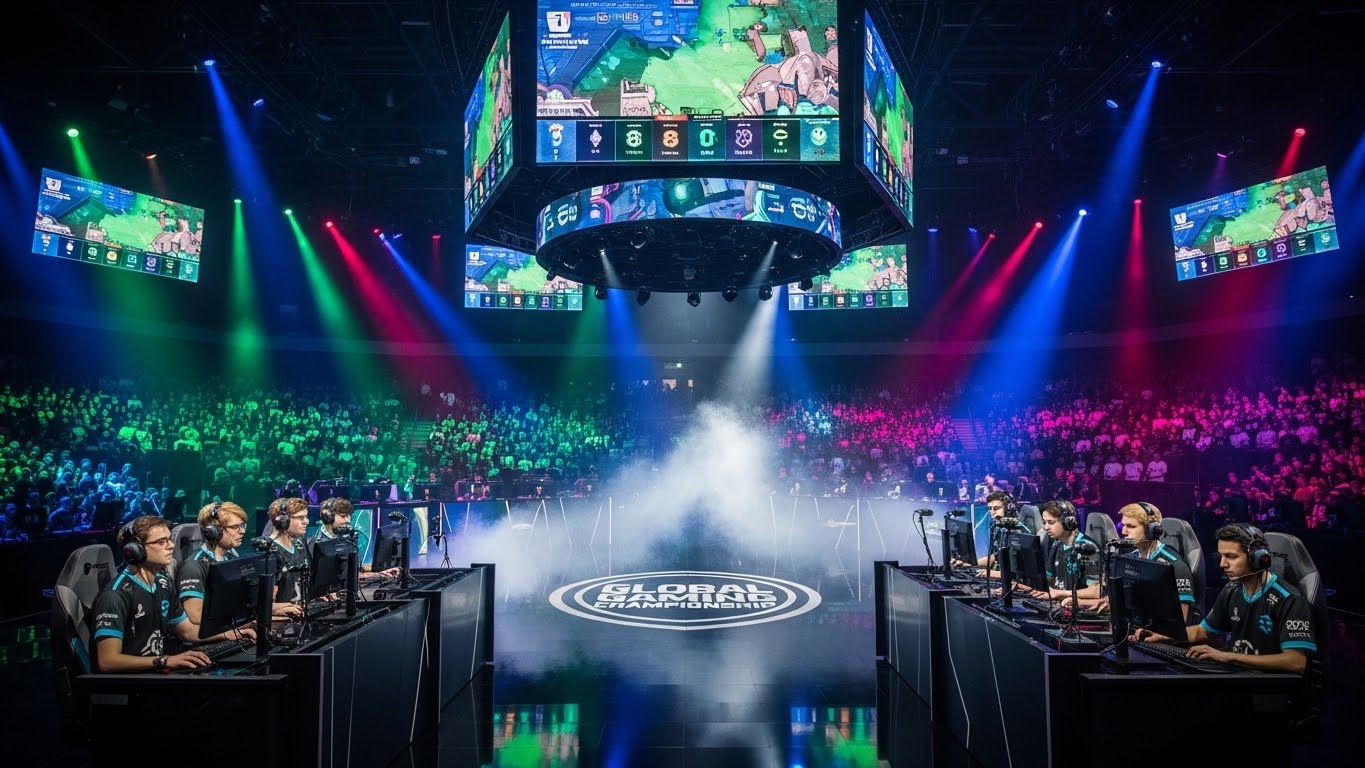
Esports tournaments range from local competitions to global championships with millions of viewers. Major events often take place in packed stadiums, complete with commentators, music performances, opening ceremonies, and team introductions.
Prize pools can be life-changing. Some of the world’s biggest tournaments offer multi-million-dollar rewards, elevating esports into a serious professional industry. These events create unforgettable moments, iconic plays, and intense rivalries that define the legacy of teams and players.
The Role of Streaming in Esports Growth
Streaming platforms revolutionized the way esports is consumed. Fans no longer rely on traditional broadcasters. Instead, they can watch their favorite games live, for free, with instant commentary and replay highlights.
Top streamers often compete professionally or create educational content, which contributes to the overall growth of the gaming community. Many players build personal brands through streaming, gaining sponsorships and massive fan followings that extend beyond competitive play.
Technological Advancements Driving Esports Forward
Esports thrives on the rapid pace of technology. Improvements in gaming hardware, graphics engines, and internet connectivity have elevated gameplay quality. Innovations such as virtual reality, augmented reality, and advanced motion graphics are expected to bring even more immersive experiences to future competitions.
Artificial intelligence also plays a growing role, assisting teams in analyzing strategies, predicting opponent patterns, and training more efficiently.
Economic Impact and Job Creation
The esports industry extends far beyond players and teams. It has created a vast economic ecosystem involving event organizers, software developers, coaches, broadcasters, analysts, content creators, marketing specialists, designers, and sponsors.
Brands from various industries—technology, fashion, food, automotive, and more—invest heavily in esports sponsorships. This constant flow of investment helps fund tournaments, support players, and expand esports infrastructure worldwide.
Esports in Education: A New Frontier
Many educational institutions have recognized esports as a valuable opportunity for student development. Schools and universities now offer esports clubs, teams, and even scholarships. Through structured programs, students learn teamwork, communication, time management, and leadership—skills that are essential in both gaming and real-world careers.
Some institutions even integrate esports into academic curriculums, exploring game design, broadcasting, journalism, and event management.
The Debate: Is Esports Really a Sport?
The question of whether esports should be considered a sport has been widely discussed. While esports lacks physical exertion comparable to traditional athletics, it demands strategic thinking, reflexes, coordination, and discipline.
Many argue that sports are defined not only by physicality but by competition, skill mastery, and structured gameplay. By this definition, esports firmly qualifies as a sport in its own right. Its global popularity, organized leagues, and professional systems support this recognition.
Mental and Physical Wellness in Esports
While esports relies primarily on mental agility, physical and mental health remain crucial. Prolonged screen time, pressure, and intense schedules can affect players. Organizations now prioritize wellness through fitness routines, mental health support, balanced schedules, and ergonomic training.
This holistic approach ensures longevity in players’ careers and promotes healthier gaming habits for fans as well.
Future of Esports: What Lies Ahead
The future of esports looks bright. As technology continues to advance, fans can expect more immersive tournaments, interactive viewing experiences, and possibly cross-reality esports that blend virtual and physical environments.
Esports may soon become a standard part of global sporting events and perhaps even join major competitive festivals. Increased accessibility, stronger grassroots programs, and worldwide recognition will push esports into new territories.
Conclusion: The Digital Revolution of Competitive Play
Esports has transformed entertainment, sports culture, and digital interaction in profound ways. What began as simple gaming has evolved into a thriving global industry that empowers players, unites communities, and redefines what it means to compete. With passionate fans, skilled athletes, innovative technology, and endless opportunities, esports is not just the future—it is the present. The digital arena is here to stay, and it continues to inspire millions around the world.