Introduction to a New Era of Competition
Esports has emerged as one of the most powerful cultural and technological movements of the twenty-first century. What once existed as a casual hobby practiced in basements and arcades has transformed into a global phenomenon with millions of devoted fans, professional athletes, and multimillion-dollar tournaments. This transformation represents more than just the evolution of gaming; it marks a shift in how society views competition, entertainment, community, and digital innovation.
Esports is no longer a fringe interest. It is a structured, thriving, professional ecosystem that stands shoulder to shoulder with traditional sports. With passionate audiences, strategic depth, and a constant evolution driven by technology, esports has become one of the most influential forces in modern entertainment. This blog takes a deep dive into the rise, structure, culture, and future of esports, revealing why it continues to captivate people around the world.
The Origins of Esports
The story of esports began long before massive arenas and professional leagues. In its early days, competitive gaming revolved around arcade cabinets, small social gatherings, and local tournaments organized by enthusiasts who shared a love for games. These events were modest, informal, and often lacked any kind of large-scale infrastructure. But they were fueled by passion, a competitive spirit, and a desire to test skills against friends or fellow gamers.
As personal computers and home consoles became more common, competitive gaming expanded. College campuses held video game competitions, magazines listed high scores, and small tournaments appeared in hobby shops. Though these events were small, they represented the beginnings of an organized competitive culture.
The true turning point came when internet access became widespread. Players could finally compete against opponents from different parts of the world without needing to be in the same room. Online multiplayer games created virtual spaces where communities grew rapidly, strategies developed, and skill levels rose. The seeds of modern esports were planted when online gaming became a daily part of life.
How Esports Became Mainstream
Esports entered mainstream culture through the rapid rise of video streaming. Platforms allowed gamers to broadcast their matches live, enabling fans to follow their favorite players or teams in real time. Viewers began tuning into streams just as they watched traditional sporting events. What made this even more appealing was the interactive nature of digital platforms, where fans could comment, cheer, and engage with the community instantly.
Game developers recognized the potential and began designing titles specifically for competitive play. They introduced ranking systems, spectator modes, and official tournaments with well-defined rules and professional standards. Before long, esports became a structured global industry rather than a casual pastime.
Sponsors, tech companies, celebrities, and sports organizations began investing in esports, providing financial support and legitimacy. Entire leagues formed around popular games, giving rise to professional organizations, training facilities, analysts, coaches, and dedicated management teams. The scale of esports expanded rapidly, turning it into a full-fledged competitive entertainment ecosystem.
The Global Growth of the Esports Audience
Fans are at the heart of esports. Millions of viewers tune in to watch matches, follow tournaments, and support their favorite teams. One of the reasons esports resonates so strongly with modern audiences is accessibility. Anyone can watch major competitions from their home and even talk directly with other fans or the competitors themselves.
Another appeal is the fast-paced, visually engaging nature of esports games. Matches often unfold at breathtaking speed, filled with strategy, psychological tension, mechanical skill, and sudden game-changing moments. The adrenaline rush, combined with deep strategic complexity, keeps viewers emotionally invested.
Esports fans also tend to form tight-knit communities. They follow teams with loyalty, discuss strategies, analyze gameplay, make predictions, and create fan content such as artwork, commentary videos, and podcasts. This level of engagement creates an atmosphere similar to that of traditional sports fandom but with a digital twist that enhances interaction.
Popular Game Genres in Esports
Esports spans multiple genres, each offering unique styles of competition. Some of the most influential categories include:
Multiplayer Online Battle Arena Games
These games require teams to coordinate strategies, control maps, manage resources, and outmaneuver opponents using a mixture of tactics and reflexes. They are among the most strategically deep genres in esports.
First-Person Shooter Games
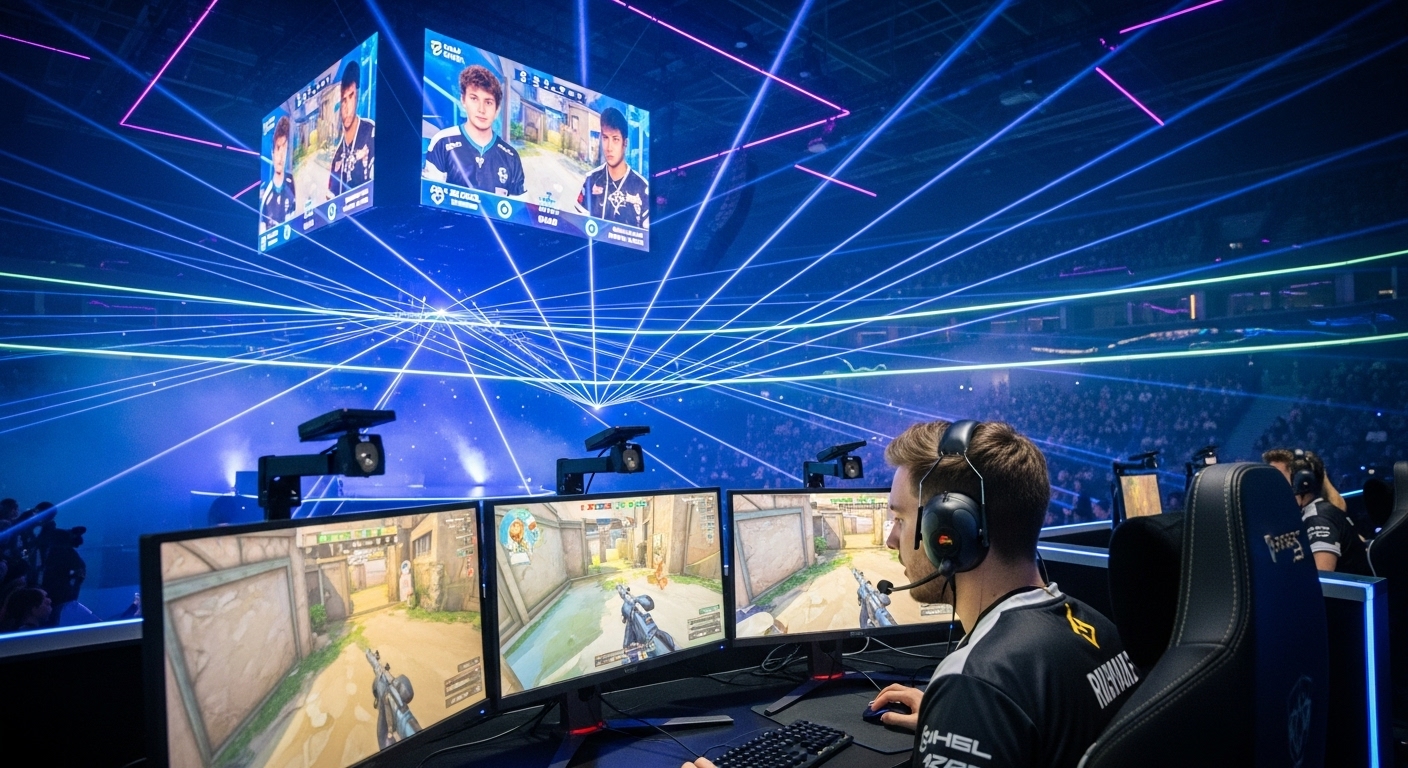
These rely on precision, communication, and tactical teamwork. Matches often unfold at lightning speed, demanding strong reflexes and impeccable positioning.
Sports Simulation Games
These games recreate real-world sports, allowing players to compete using digital athletes and teams. They appeal to fans who enjoy both digital and physical sports.
Battle Royale Games
Players compete to be the last one standing, combining survival elements with accuracy and strategic decision-making. These games often produce dramatic, unpredictable endings.
Fighting Games
These involve head-to-head combat, where players rely on timing, combos, and mind games. They are known for their intense one-on-one competition.
Each genre attracts different kinds of players and spectators, contributing to the diversity and richness of esports culture.
The Life of a Professional Esports Athlete
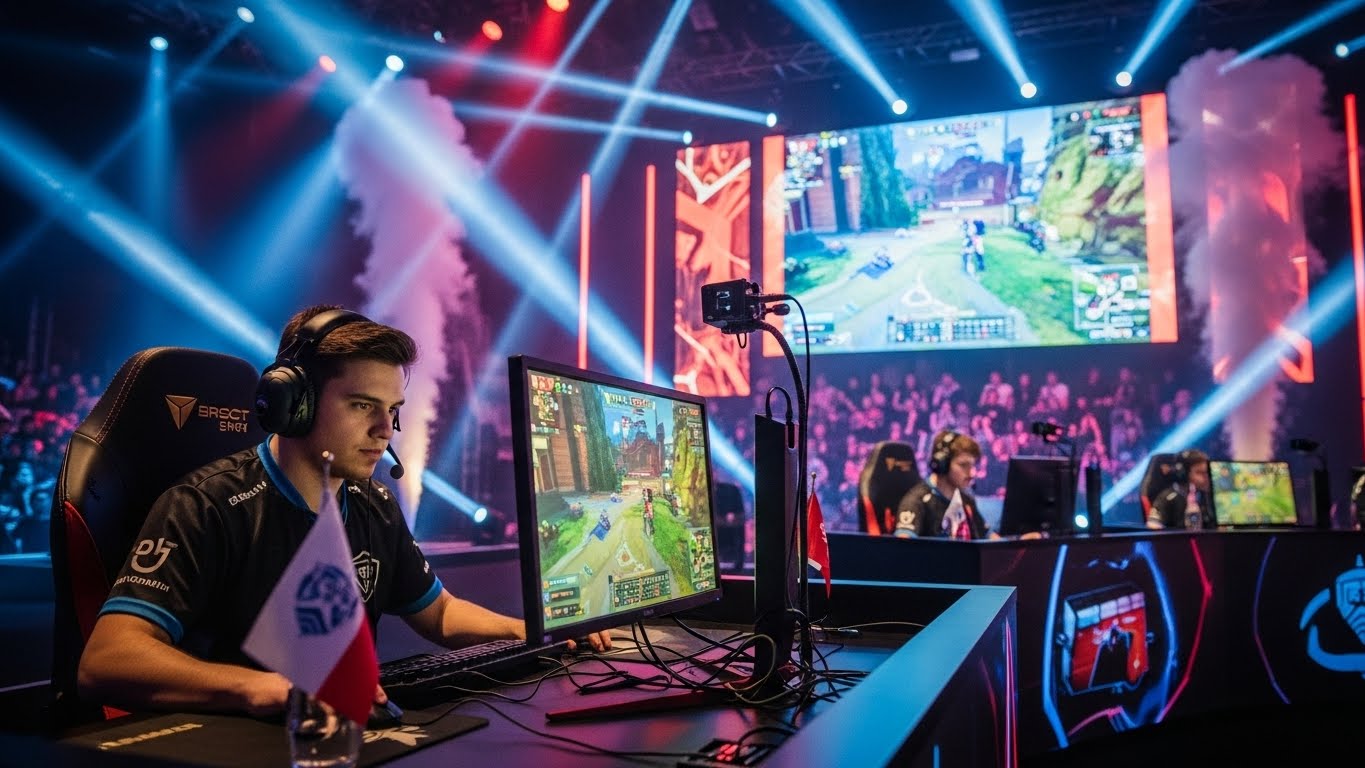
Becoming a professional esports athlete is far from easy. It requires dedication, talent, discipline, and countless hours of practice. Many professional players train daily, refining their skills and studying strategies. Their schedules often include scrims, replay reviews, communication drills, and personal mechanical training.
In addition to mastering gameplay, esports players focus on physical and mental health. Although esports is not physically demanding in the traditional sense, long hours of practice require good posture, physical conditioning, and eye care. Many teams employ trainers, nutritionists, and psychologists to support their players.
Professional players also deal with pressure from large audiences, high expectations, and the need to perform consistently. Maintaining mental resilience is essential, as the competitive environment can be intense. Esports athletes must balance their passion for gaming with the responsibilities of a professional career.
The Business Ecosystem of Esports
Esports has grown into a massive industry with a complex and dynamic economy. Revenue streams come from sponsorships, advertising, merchandise, media rights, ticket sales, and tournament winnings. Corporate brands from technology, apparel, energy drinks, and entertainment partner with esports organizations to reach global audiences.
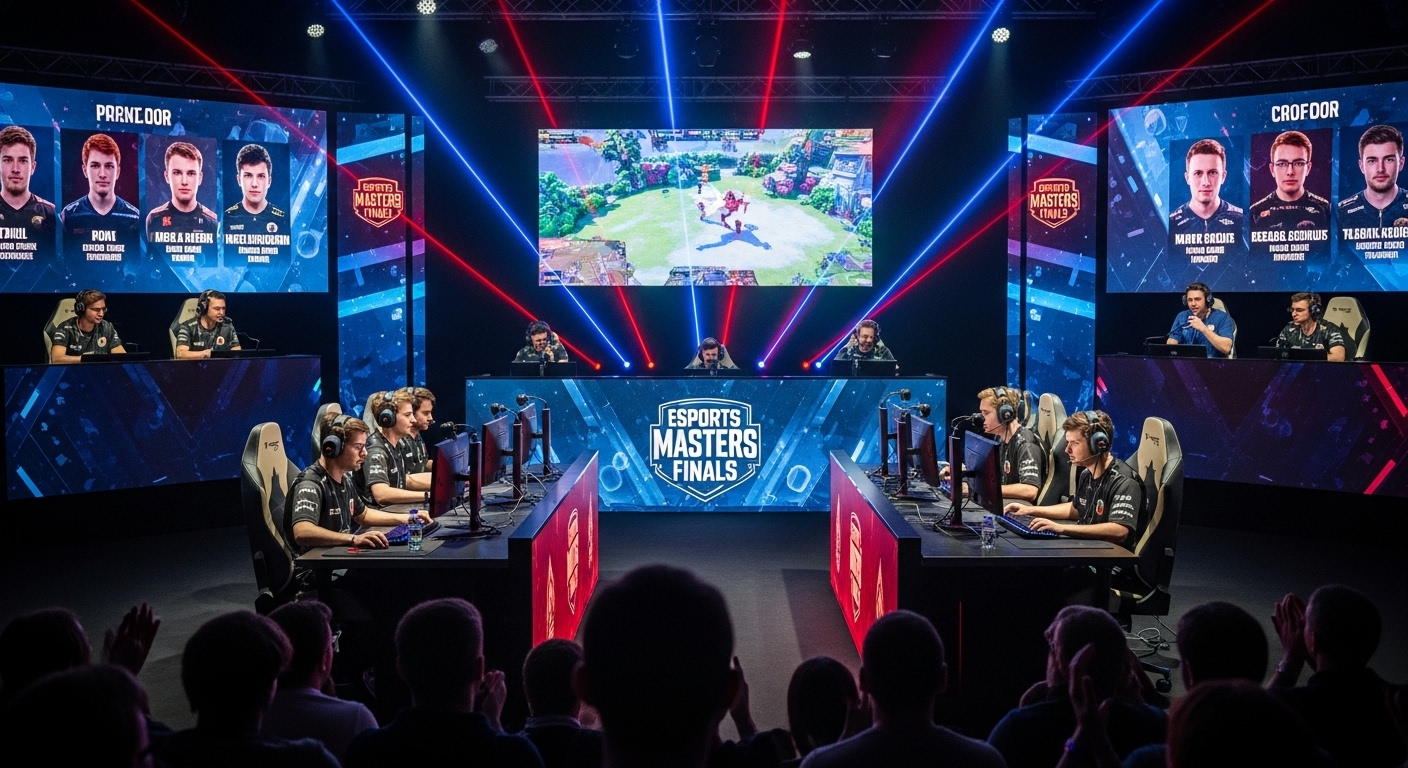
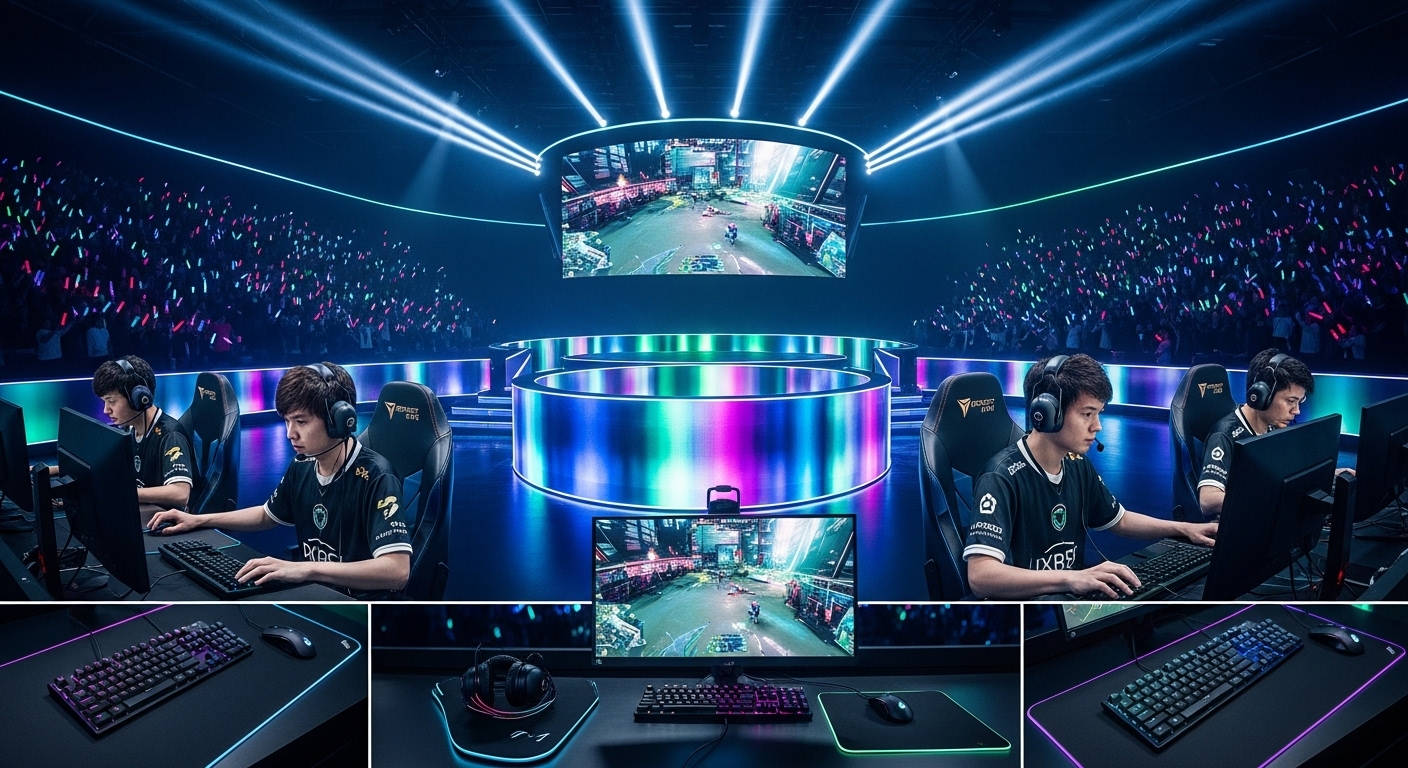
Professional teams operate like traditional sports organizations. They sign players, invest in infrastructure, develop fan bases, and build recognizable brands. Esports arenas and stadiums host major events, drawing thousands of fans to live matches that feature high-end production, commentary, and entertainment.
In addition to players, esports provides opportunities for a wide range of careers. Analysts, coaches, broadcasters, commentators, content creators, editors, event coordinators, and designers contribute to the thriving ecosystem. The business side of esports is expanding rapidly and continues to attract investors from around the world.
The Community Behind Esports
Community plays a vital role in the growth and sustainability of esports. The passion and dedication of fans shape the culture and energy of the industry. Online communities allow fans to connect with each other, discuss their favorite games, and share experiences. Whether through discussions, fan content, or local meetups, fans bring life to esports.
Tournament organizers and developers frequently involve the community in decisions that shape the competitive landscape. Balance updates, competitive rules, and new features often come from fan feedback. This collaborative relationship between developers, players, and fans helps maintain a healthy and engaged environment.
Esports also fosters inclusivity by welcoming players from all backgrounds. Regardless of age, nationality, or physical ability, anyone can become a fan or competitor. This universality is one of esports’ greatest strengths.
Challenges Faced by the Esports Industry
Despite its achievements, esports faces several challenges. One of the most significant is maintaining competitive integrity. Cheating, match-fixing, and unfair advantages must be strictly controlled to ensure fair competition.
Another challenge is the physical and mental strain on athletes. Long practice hours can lead to burnout, stress, and health issues if not properly managed. Organizations must continue prioritizing player wellbeing to sustain career longevity.
Esports is also affected by rapid technological change. Games rise and fall in popularity quickly, and teams must adapt. This volatility makes long-term planning difficult, especially for organizations and investors.
Finally, ensuring global accessibility remains a challenge. Not all regions have equal access to high-speed internet or professional opportunities. Expanding esports into new markets is crucial for its continued growth.
The Future of Esports
The future of esports is filled with potential. Advancements in technology such as virtual reality, augmented reality, and artificial intelligence will create new forms of competition. Broadcasting innovations will make watching esports even more immersive, allowing fans to experience matches from the perspectives of players.
Education will also play a role, as more schools and universities adopt esports programs and scholarships. This integration into academic environments signals long-term recognition of esports as a legitimate field of study and competition.
As esports continues expanding globally, new genres, new games, and new audiences will emerge. The industry will evolve into a cornerstone of digital entertainment, shaping how future generations interact with competition and technology.
Conclusion
Esports is more than a trend. It is a revolutionary form of entertainment that blends skill, technology, community, and passion. What started as friendly matches between gamers has grown into one of the world’s most influential competitive arenas. With its global reach, vibrant culture, and constantly evolving landscape, esports stands at the forefront of modern digital entertainment.
The rise of esports reflects the changing world around us. It represents innovation, inclusivity, and the universal desire for competition. As the digital age advances, esports will continue shaping the way we play, watch, and connect. Its story is far from finished; in fact, it has only just begun.