Introduction: The Surge of Esports as a Cultural and Entertainment Force
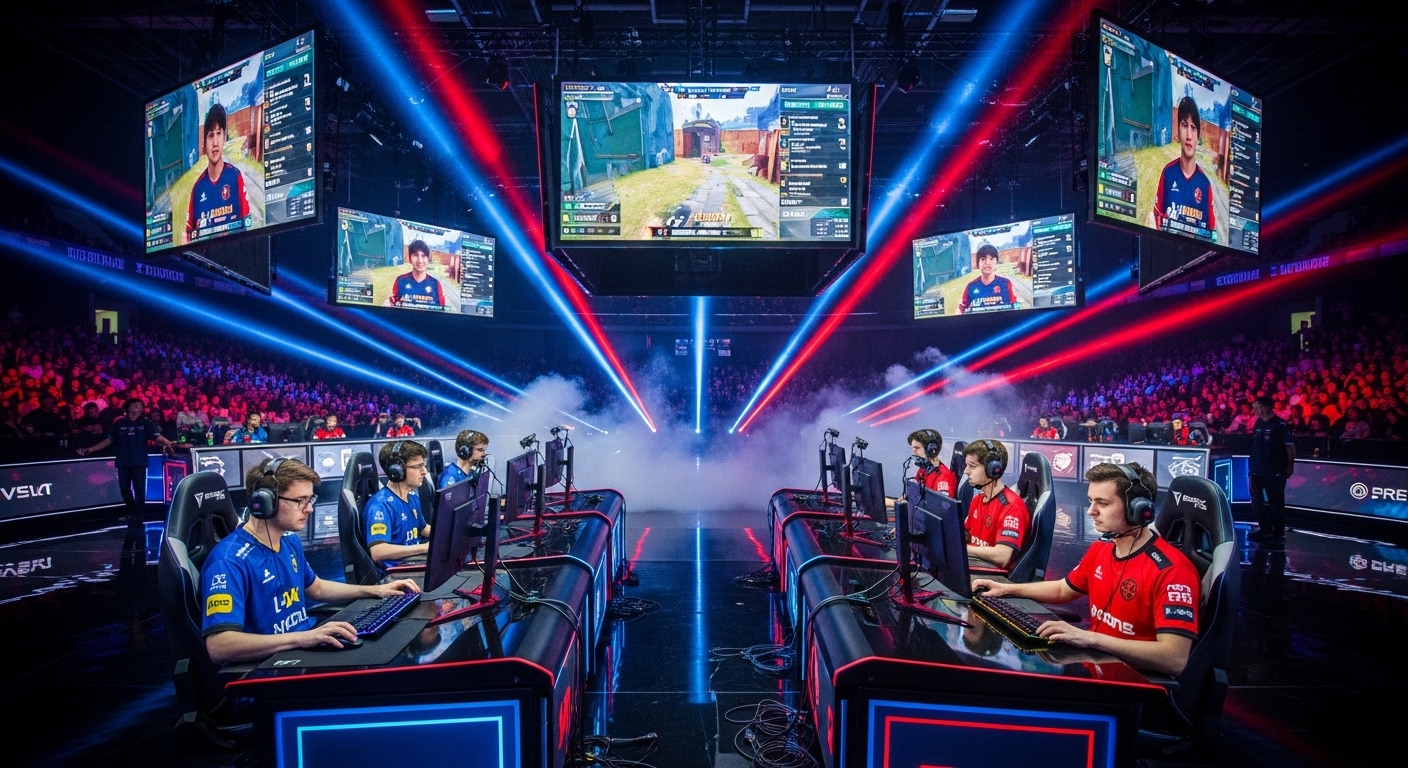
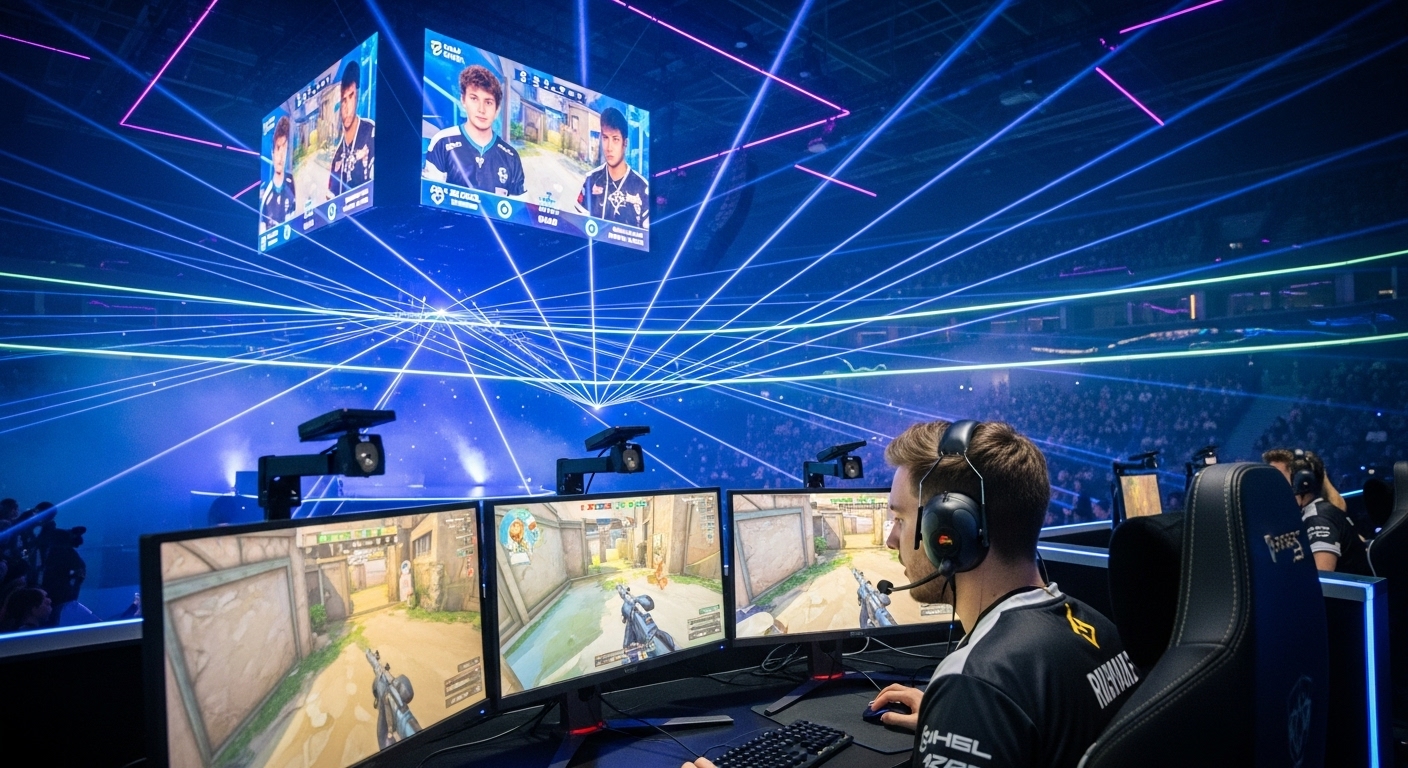
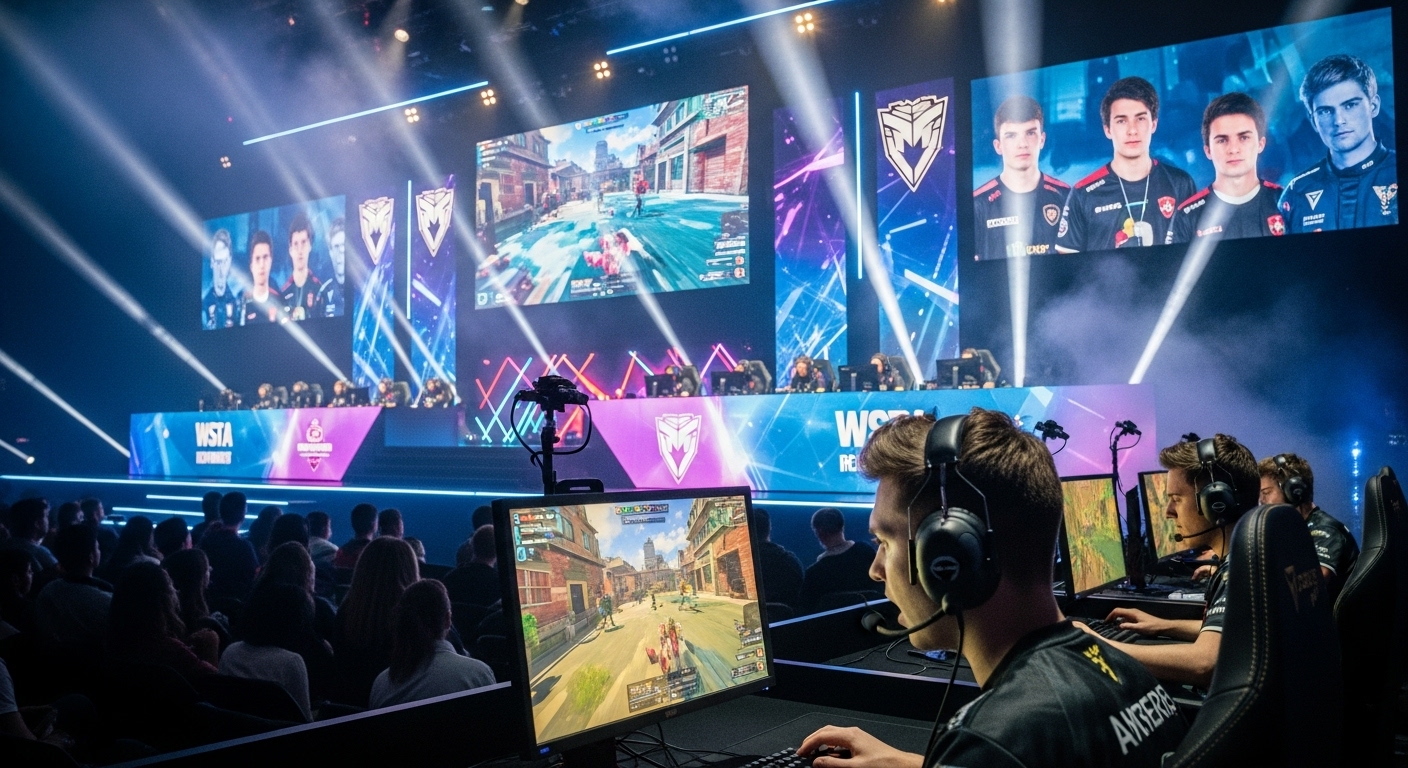
Esports, or electronic sports, has grown exponentially over the last two decades, transforming from a niche interest to a global entertainment industry. What started as informal competitions between gamers in living rooms or local arcades is now a professional, multi-billion-dollar phenomenon watched by millions across the globe. From major tournaments featuring popular games like League of Legends, Dota 2, and Fortnite, to professional esports teams and individual players gaining worldwide fame, esports has taken its place as a legitimate and thriving sector of the entertainment world. With sponsorships from global brands, sold-out arenas, and millions of fans streaming events online, esports has emerged as one of the most dynamic and influential forces in modern entertainment.
In this blog, we will explore the origins of esports, how it became a professional industry, the unique dynamics of esports competitions, and the profound impact it has on global culture and entertainment.
The Origins of Esports: From Arcade Games to Digital Competitions
The story of esports can be traced back to the early days of video gaming in the 1970s. In 1972, Stanford University hosted one of the first known video game competitions with a game called Spacewar. Though small in scale, this event marked the beginning of competitive gaming. By the late 1980s and early 1990s, the video game industry had evolved significantly, and arcade games like Pac-Man and Donkey Kong became the foundation of competitive gaming. Players across the world would compete for high scores and bragging rights, setting the stage for what would become esports.
In the 1990s, as personal computers became more affordable and internet connectivity improved, multiplayer games such as Doom, Quake, and Warcraft allowed players to connect across local networks or over the internet. These games marked the early stages of competitive digital play, where gaming moved beyond single-player experiences into organized, multi-player matches.
The real breakthrough for esports came with the advent of more sophisticated online gaming platforms and games with team-based formats. By the late 1990s, competitive gaming was already taking root in places like South Korea, where StarCraft became a national obsession. The country’s embrace of esports would later pave the way for the professional scene we see today.
Esports Professionalization: The Move From Hobby to Career
The 2000s marked a pivotal moment in the history of esports as the competitions began to grow both in scale and professionalism. Esports moved beyond informal LAN parties and small regional competitions to major tournaments with professional teams and substantial prize pools. A game like StarCraft had already proven that competitive gaming could attract a global audience, but it was the rise of Counter-Strike and Warcraft III that helped establish esports as a legitimate profession.
During this time, organizations like Major League Gaming (MLG) and the World Cyber Games (WCG) emerged, offering players a formal competitive structure and providing prize money for top performers. South Korea continued to lead the way, creating television channels dedicated entirely to esports, and giving birth to the first professional gaming leagues. In this era, top players were treated like athletes, and the professionalization of esports began to mirror the structure of traditional sports leagues.
As esports grew, so did its appeal to sponsors and advertisers. Companies began to recognize the massive potential of esports to reach younger, tech-savvy consumers. Brands from outside the gaming industry, such as Coca-Cola, Intel, and Red Bull, invested heavily in esports sponsorships, further elevating its status as a professional sport. By the end of the 2010s, major esports tournaments began to rival traditional sports events in terms of viewership, with millions of fans watching in-person and online.
The Digital Arena: How Streaming Changed Esports
Streaming platforms like Twitch and YouTube Gaming played a crucial role in the rise of esports. These platforms allowed fans from all over the world to watch esports competitions live and interact with players in real-time. The ability to stream events provided a level of accessibility that traditional sports couldn’t replicate. Watching professional gamers live in action became a new form of entertainment for fans, as they could now support their favorite players and teams while being a part of the community.
Twitch, founded in 2011, revolutionized the way fans consumed esports content. By offering an interactive and real-time viewing experience, the platform quickly became the go-to hub for live-streamed esports tournaments and casual gaming. The rise of live streaming also allowed esports players to build their personal brands, garnering large followings and interacting with fans through regular content creation and streaming sessions. Many esports players, such as Ninja (Tyler Blevins) and Shroud (Michael Grzesiek), turned streaming into lucrative careers, further cementing the idea that esports could be a professional career rather than just a hobby.
The connection between players and fans deepened, as viewers were no longer passive observers—they could comment, ask questions, and even influence gameplay. This real-time interaction has helped make esports a community-driven, fan-centered activity.
Esports Today: A Global Industry with a Thriving Ecosystem
Today, esports is a global industry that spans multiple genres and attracts millions of fans. Games like League of Legends, Dota 2, Counter-Strike: Global Offensive, Fortnite, and Valorant have become household names, each offering its own professional circuit, tournaments, and player rosters. Esports competitions now attract millions of dollars in sponsorships, with prize pools regularly exceeding $1 million for some of the largest tournaments.
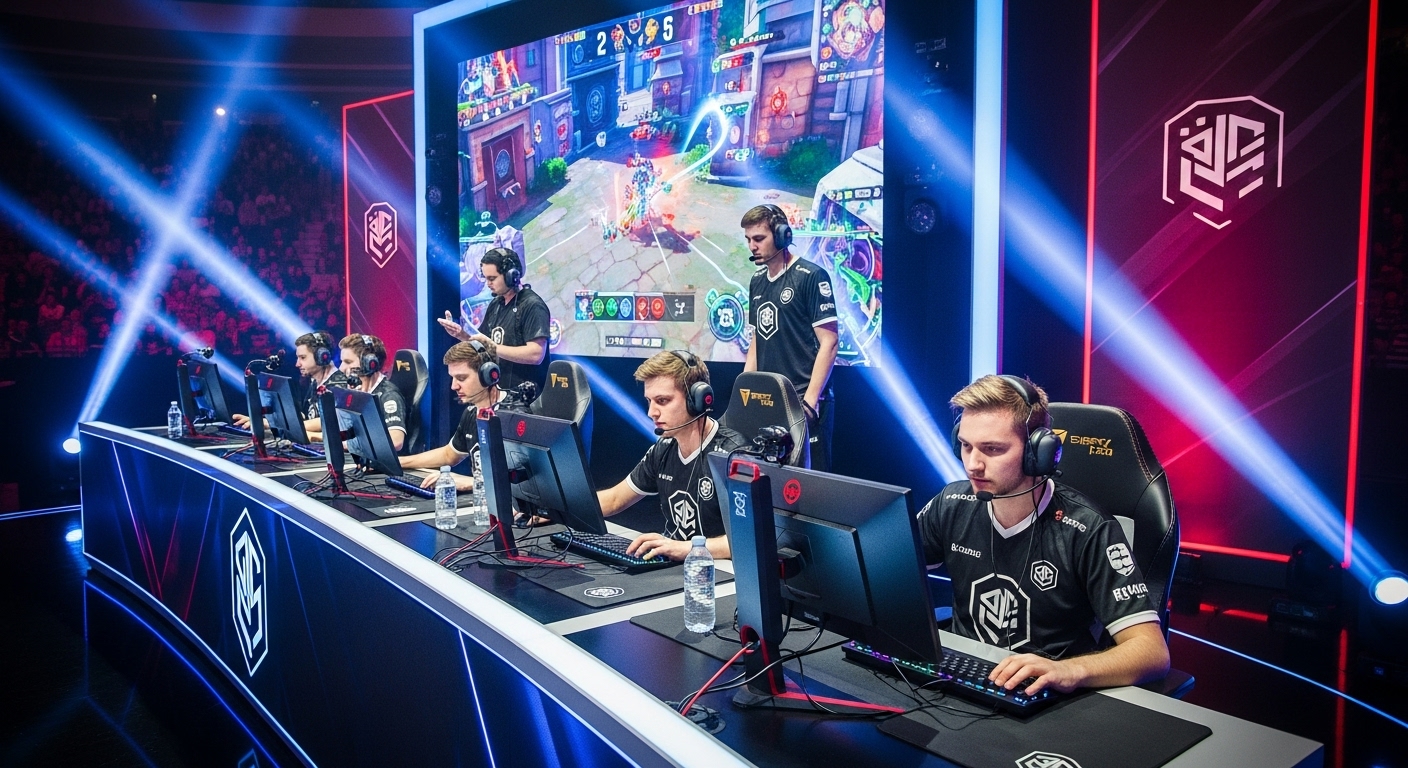
The structure of esports competitions has become highly professional, with established leagues and tournaments that follow consistent schedules. These events take place in large arenas, and the best players and teams are treated like traditional sports athletes. Professional gaming organizations operate like sports franchises, with team rosters, coaches, analysts, and even psychologists to help players perform at their best. Just like in traditional sports, players sign contracts with organizations, receive sponsorships, and even go through training camps to sharpen their skills.
Esports has also brought a new form of digital fandom into the spotlight. Fans follow their favorite players, teams, and streamers, creating communities around them. Fans can attend live events, purchase merchandise, and even interact directly with players on social media platforms. As esports continues to grow, its fan base has become increasingly diverse, with fans from all backgrounds and ages tuning in to watch events.
The Economics of Esports: Big Money and Growing Opportunities
Esports has rapidly become a multi-billion-dollar industry. According to recent industry reports, the global esports market was worth around $1.1 billion in 2020 and is projected to surpass $1.8 billion by 2022. The key drivers behind this growth are sponsorships, media rights deals, and the increasing popularity of streaming platforms. Major companies from across the tech, entertainment, and consumer goods sectors are investing in esports as a way to engage with younger audiences.
Sponsorships are the primary revenue source for esports organizations and players. Companies such as Intel, Nike, and Monster Energy have inked deals with esports teams, providing them with funding in exchange for brand visibility. In addition to sponsorships, major media outlets such as ESPN and Turner Broadcasting have begun broadcasting esports events, further legitimizing them as mainstream entertainment.
The increasing commercialization of esports has led to the rise of new career opportunities. While professional players are the most visible participants in the esports ecosystem, there are many other career paths that have opened up in areas like content creation, event management, marketing, coaching, and broadcasting. The esports ecosystem provides jobs for analysts, broadcasters, social media managers, and video editors, among others.
Esports and Traditional Sports: The Blurring of Boundaries
While esports and traditional sports were once seen as separate entities, they are now increasingly overlapping. Many traditional sports teams and organizations have ventured into the world of esports, either by creating their own esports divisions or sponsoring existing teams. The NBA has its NBA 2K League, and soccer teams like Paris Saint-Germain and Manchester City have their own esports teams competing in games like FIFA.
The collaboration between traditional sports and esports further underscores the growing legitimacy of esports. Fans who are passionate about traditional sports are often drawn into the world of esports, and vice versa. Some analysts predict that esports could eventually be included in the Olympics, recognizing the level of skill and commitment required to compete professionally.
The Global Reach and Impact of Esports
Esports’ ability to connect people from all over the world is one of its most powerful aspects. Unlike traditional sports, which are often geographically limited, esports has a truly global reach. Whether it’s an international tournament held in Europe, North America, or Asia, fans from around the world can tune in to watch their favorite teams compete, no matter where they are located.
This international appeal has also led to the creation of esports tournaments in a wide variety of languages, further broadening accessibility and ensuring that fans from all regions can engage with the content. Esports is often seen as the “global sport” because it does not require physical proximity to participate or watch—it simply requires an internet connection.
The Future of Esports: Innovation and Opportunity
Looking ahead, the future of esports is bright. As technology continues to advance, new innovations will further enhance the esports experience. Virtual reality (VR) and augmented reality (AR) could make esports even more immersive, allowing players to interact with the digital world in ways never before imagined. AI and machine learning are also expected to revolutionize coaching and performance analytics, helping players and teams refine their strategies and improve their gameplay.