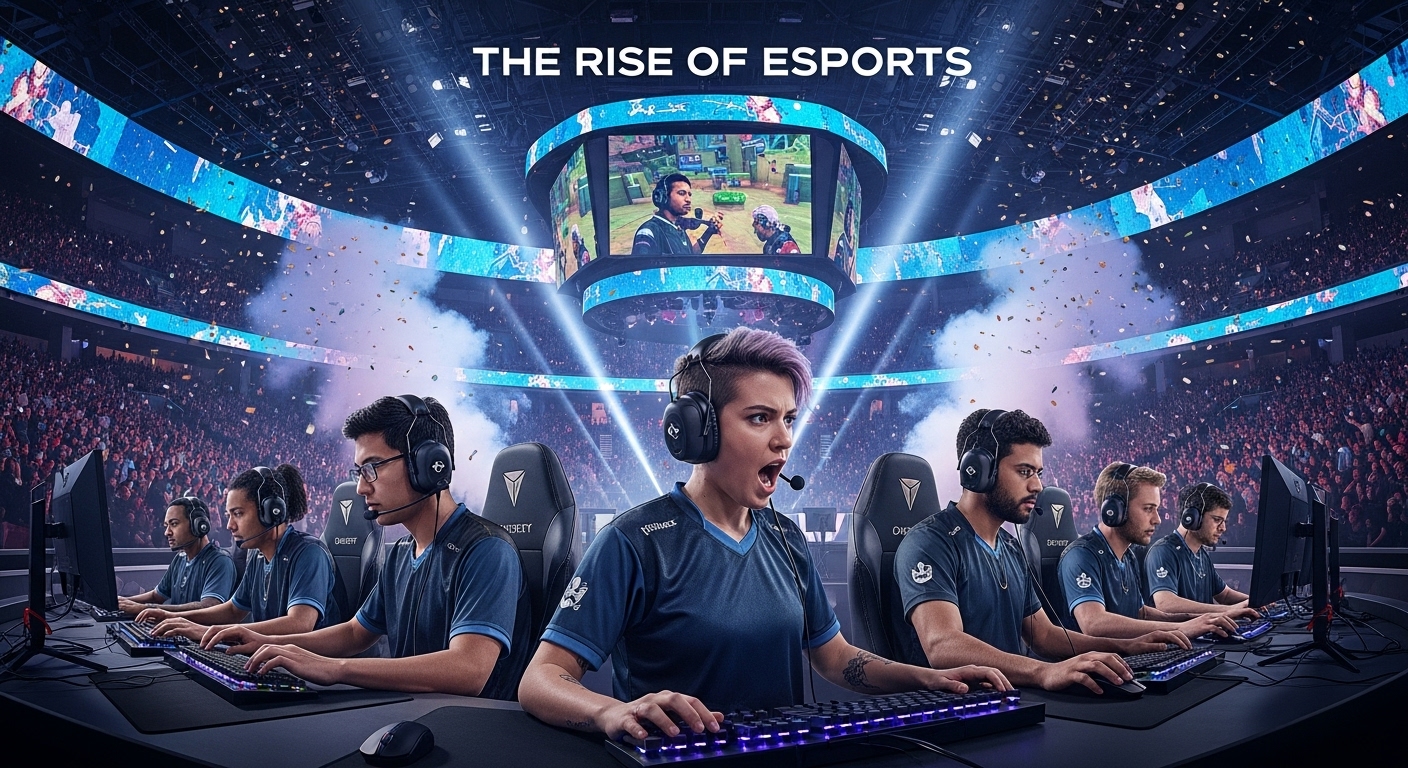
The world of sports has always captivated audiences with its intense competition, global reach, and entertainment value. In recent years, however, a new breed of competition has emerged, one that blends traditional athleticism with the power of digital technology—esports. Competitive gaming, once seen as a niche hobby for a small group of enthusiasts, has evolved into a global phenomenon that draws millions of viewers, generates billions of dollars, and offers opportunities for players to make a career out of gaming. In this blog post, we will explore the rise of esports, how it has transformed the world of competition, and what the future holds for this rapidly growing industry.
What Exactly is Esports?
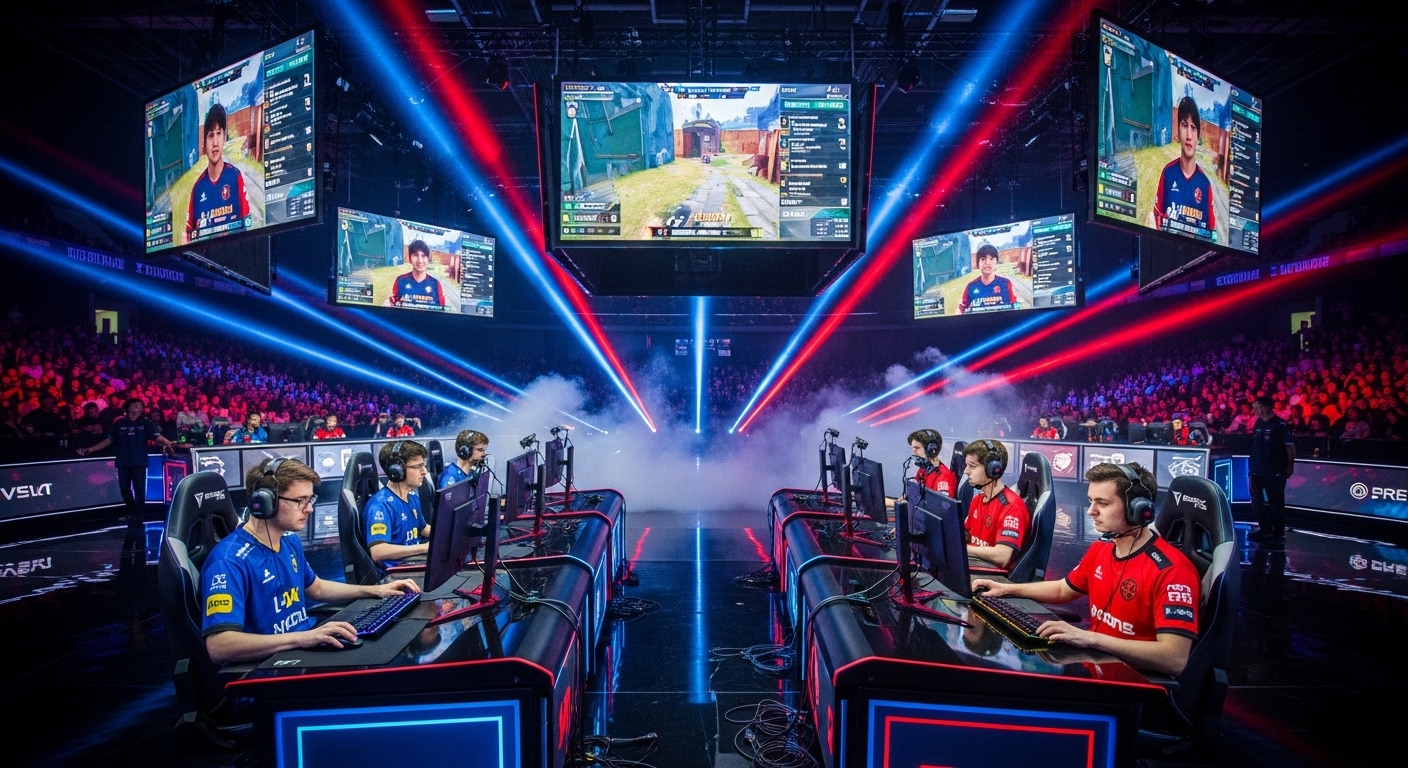
Esports, or electronic sports, refers to organized, multiplayer video game competitions, particularly between professional players, teams, or organizations. These competitions are often hosted in front of live audiences and are also streamed online, where millions of viewers watch the matches in real-time. The games involved in esports can vary widely, from real-time strategy games like StarCraft to first-person shooters like Counter-Strike and Overwatch, and even battle royale games like Fortnite.
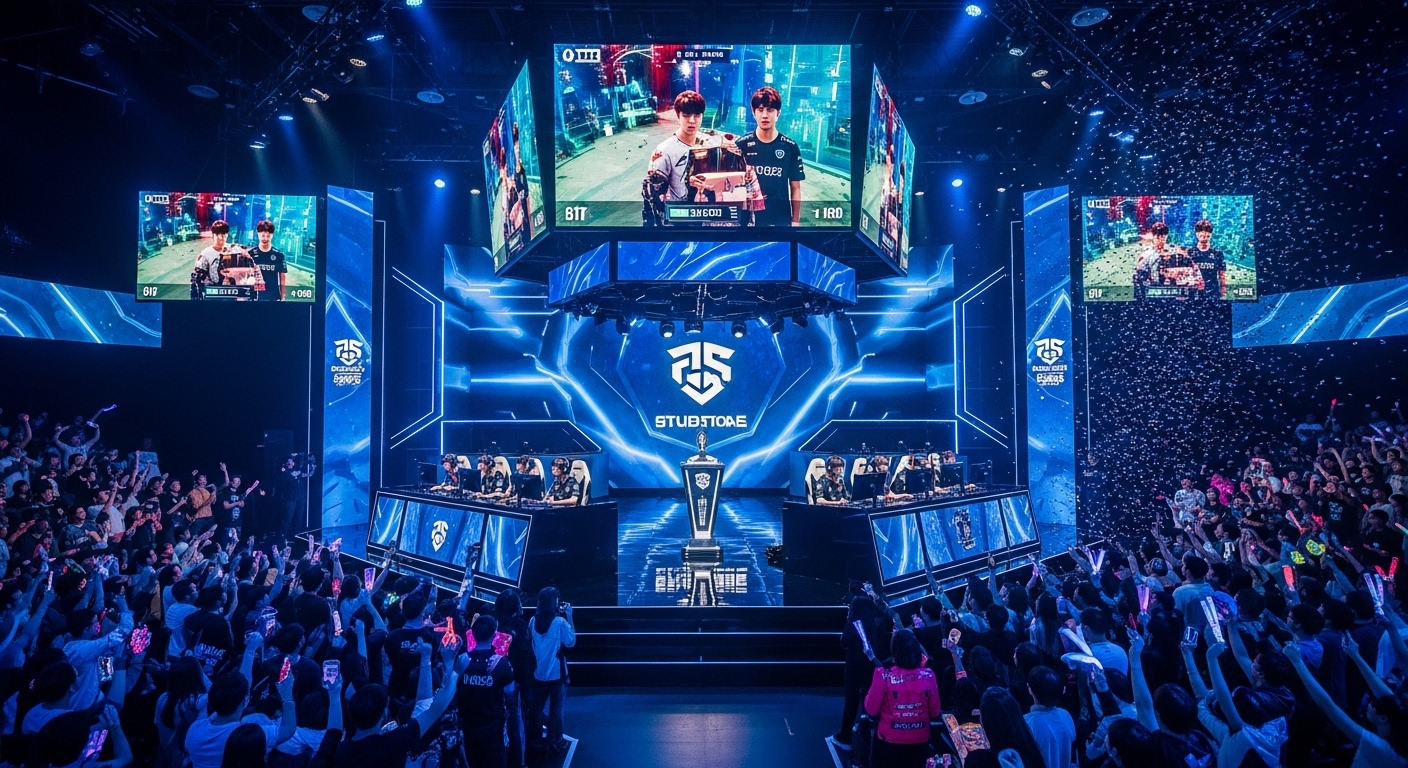
While the term “esports” may evoke images of high-energy tournaments with flashing lights and roaring crowds, the reality is that competitive gaming has humble roots. In fact, the first competitive gaming events began as small gatherings, where players would come together in person to test their skills. Over the years, as technology and internet infrastructure advanced, esports grew from local LAN (Local Area Network) parties to large-scale, professional tournaments.
The Early Days: From Arcade Games to Online Competitions
To understand the rise of esports, we need to look back at the early days of competitive gaming. The roots of esports can be traced back to the late 1970s and early 1980s when arcade games like Pong and Space Invaders became a cultural phenomenon. While these games did not have organized competitions, they laid the foundation for what would eventually become esports by popularizing video games as a form of entertainment.
The true beginnings of competitive gaming began in the 1990s, with the advent of online multiplayer games. Titles like Doom and Warcraft allowed players to connect with one another over the internet and compete in real-time. The first major tournament that could be considered a precursor to modern esports was the Red Annihilation tournament for the game Quake in 1997. This event attracted professional gamers from all over the world and offered a cash prize for the winner, marking the birth of esports as a serious competition.
In the early 2000s, events like the World Cyber Games (WCG) and the Electronic Sports World Cup (ESWC) began to take shape. These international tournaments featured players from different countries competing for prize money and recognition. The rise of high-speed internet and improved gaming infrastructure allowed these competitions to reach a global audience, paving the way for the esports industry we know today.
The Rise of Professional Esports
One of the key turning points for esports came in the late 2000s, with the release of games like League of Legends and Dota 2. These multiplayer online battle arena (MOBA) games became the centerpiece of the esports world, thanks to their highly strategic gameplay and team-based mechanics.
In 2011, League of Legends (LoL) held its first World Championship, which became a landmark event in esports history. This competition drew millions of viewers online and set the stage for LoL to become one of the most popular esports titles in the world. Riot Games, the developer behind League of Legends, has since made significant efforts to professionalize the sport, organizing annual tournaments with huge prize pools and broadcasting rights deals with major media outlets.
Similarly, Dota 2, developed by Valve, introduced its own high-profile tournament, The International, which has become one of the most lucrative esports events in history. In 2019, the prize pool for The International exceeded $30 million, making it one of the largest prize pools in the history of competitive sports.
As these games grew in popularity, the professionalization of esports followed suit. Players began to form teams, sign contracts, and even hire coaches, analysts, and managers to optimize their performance. This shift transformed esports into a full-fledged career for many players, with sponsorships, salaries, and endorsements becoming key revenue streams.
The Business Side of Esports
As esports evolved from a niche hobby to a mainstream industry, its financial landscape underwent a significant transformation. Today, esports is a multi-billion-dollar industry, with revenue coming from various sources including sponsorships, broadcasting rights, ticket sales, merchandise, and even crowdfunding.
Sponsorships are the most significant revenue source in esports. Major brands from a variety of industries, including technology, automotive, and beverages, have recognized the massive reach of esports and have begun to invest heavily in the scene. Companies like Intel, Red Bull, and Coca-Cola are some of the biggest sponsors of esports events and teams. These partnerships not only provide funding for players and events but also serve as valuable marketing opportunities for companies to reach a younger, tech-savvy audience.
Broadcasting rights have also become a major source of income for esports organizations. Just as traditional sports leagues sell broadcasting rights to TV networks, esports leagues and tournaments have done the same. Major competitions like the League of Legends World Championship and The International are often broadcast on platforms like Twitch, YouTube, and even traditional television networks, generating significant revenue from advertisers and media companies.
In addition to these traditional revenue streams, ticket sales and merchandising have contributed to the financial success of esports. Fans of esports teams and tournaments often purchase tickets to attend live events, where they can watch their favorite players in person and experience the excitement of the competition. Esports organizations also generate revenue by selling team-branded merchandise, such as jerseys, hats, and other gear, to their dedicated fanbase.
The Cultural Impact of Esports
Beyond its financial success, esports has also had a significant cultural impact. Esports has provided a platform for gamers from all backgrounds to showcase their skills, connect with others, and gain recognition for their talents. Many esports players have become celebrities in their own right, with large social media followings and endorsement deals that rival those of traditional athletes.
The rise of streaming platforms like Twitch and YouTube Gaming has played a critical role in this cultural shift. These platforms allow players to live-stream their gameplay, interact with fans in real time, and build a personal brand. Top streamers like Ninja, PewDiePie, and Shroud have become household names, attracting millions of viewers and earning substantial income from ads, donations, and sponsorships.
Moreover, esports has helped bridge the gap between different cultures and communities around the world. Competitive gaming allows players from diverse countries to come together, compete, and form friendships. This global aspect of esports has made it a truly international phenomenon, with tournaments and leagues taking place across different continents and attracting audiences from every corner of the globe.
Esports and Traditional Sports: A Comparison
Although esports is still in its relative infancy compared to traditional sports, it has already achieved a level of success that rivals some of the most established sports leagues. Major esports events regularly draw viewership numbers that surpass those of traditional sports like the Super Bowl or the NBA Finals. The League of Legends World Championship, for example, attracted over 100 million viewers in 2019, making it one of the most-watched sporting events of the year.
In many ways, esports has taken elements from traditional sports and adapted them for the digital age. Teams, coaches, and analysts all play an integral role in the success of esports organizations, just as they do in traditional sports teams. Likewise, the competitive nature of esports is similar to that of traditional sports, with players constantly striving for improvement and working together to achieve success.
However, there are key differences that set esports apart from traditional sports. For one, esports is not bound by physical limitations. While athletes in traditional sports are limited by their physical abilities, esports players are able to compete at the highest level without the same physical constraints. This has led to the rise of esports as a sport that can be enjoyed by individuals of all ages and physical abilities, making it more inclusive than traditional sports.
The Future of Esports
Looking ahead, the future of esports looks incredibly bright. As technology continues to improve, we can expect esports to become even more immersive and engaging for both players and viewers. Virtual Reality (VR) and Augmented Reality (AR) are already making their way into gaming, and it’s only a matter of time before they become a key component of esports competitions, providing players with even more realistic and dynamic environments.
Another exciting development is the rise of mobile esports. With mobile gaming becoming increasingly popular, games like PUBG Mobile and Free Fire are gaining traction in the competitive gaming scene. Mobile esports provides an opportunity for players in regions where access to high-end gaming PCs or consoles is limited to participate in esports competitions, further democratizing the sport.
Esports is also likely to continue expanding into new markets. While it has already achieved significant popularity in regions like North America, Europe, and Asia, other areas, such as Africa and Latin America, are beginning to embrace esports. As internet infrastructure improves in these regions, esports will undoubtedly grow in popularity and become a global, inclusive sport.
Conclusion
Esports has transformed from a small, niche hobby into one of the most exciting and rapidly growing industries in the world. The rise of esports has not only changed the way we think about competition and entertainment, but it has also opened up new career paths and opportunities for millions of people worldwide. With its massive global audience, financial success, and cultural influence, esports is undoubtedly