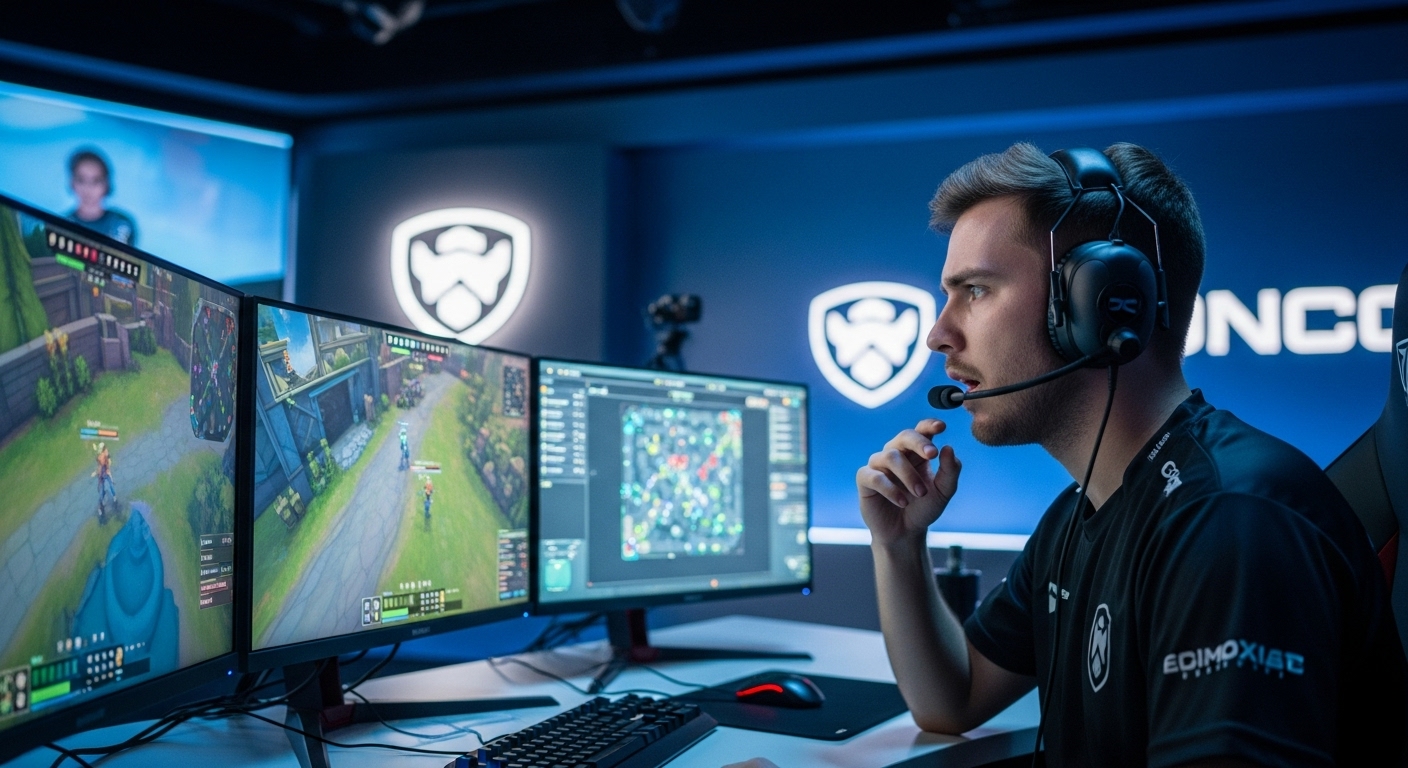
Esports has transformed from casual gaming competitions into a global phenomenon that rivals traditional sports in popularity, viewership, and prize money. The rapid rise of esports has not only elevated players to celebrity status but has also sparked the development of intricate strategies that define success at the highest level. Unlike traditional sports, where tactics evolve over decades, esports strategies evolve within months or even weeks due to frequent game updates, patches, and shifting player dynamics. Understanding the best strategies in different esports titles requires not only knowledge of gameplay mechanics but also insight into team coordination, psychology, and adaptability.
The Role of Strategy in Esports
At its core, esports is not just about mechanical skill or lightning-fast reflexes, though these qualities are essential. The difference between victory and defeat at the professional level often comes down to strategy. Teams that are able to read their opponents, adapt mid-match, and employ innovative tactics gain an advantage that raw skill alone cannot achieve.
Esports strategies encompass multiple layers. They include preparation before the game, drafting or choosing characters, executing plays during matches, and analyzing opponents’ habits. Successful teams combine creativity with discipline, ensuring that every move on the virtual battlefield serves a broader purpose.
Strategy in Multiplayer Online Battle Arenas (MOBAs)
MOBAs like League of Legends and Dota 2 are among the most strategically complex esports. Success in these games relies on a mix of drafting strategy, map control, resource management, and precise team fights.
Drafting and Team Composition
Drafting is often considered the first battle in MOBAs. Each team selects heroes or champions whose abilities complement each other. A strong draft can determine the flow of the game, as certain team compositions excel in early aggression while others are built for late-game dominance. Teams must also consider counterpicks, denying opponents access to heroes that could disrupt their strategy.
Map Control and Vision
Control of the map is another cornerstone of MOBA strategy. Placing wards for vision and de-warding the enemy’s vision are critical elements. Teams that dominate map vision gain superior awareness, enabling them to predict movements, secure objectives, and set up ambushes.
Resource Allocation
Another strategic layer involves distributing gold and experience efficiently. Teams must decide which player should receive more resources, often funneling them toward a “carry” player expected to dominate later stages of the game. Balancing this with support for other lanes is key to maintaining overall team strength.
Team Fight Execution
Finally, MOBAs are defined by large-scale battles involving all players. Teams strategize around the timing of ultimate abilities, positioning, and initiating fights under favorable conditions. Split-second decision-making in these moments often determines the outcome of entire tournaments.
Strategy in First-Person Shooters (FPS)
In competitive FPS titles like Counter-Strike: Global Offensive and Valorant, strategy focuses on positioning, resource management, and coordination.
Map Control and Positioning
Map knowledge is fundamental in FPS esports. Teams develop strategies to control choke points, bomb sites, and advantageous positions. Proper positioning maximizes lines of sight and minimizes vulnerabilities, giving teams the upper hand in engagements.
Economy Management
In games like Counter-Strike, managing in-game currency is vital. Teams must decide when to save money, when to buy weapons, and when to risk aggressive plays. Proper economic management ensures consistent access to powerful weapons and utilities, which can tilt the odds of winning rounds.
Utility Usage
Grenades, smokes, and flashes are not merely accessories—they are essential tools for executing strategies. Teams practice coordinated use of utility to block vision, flush enemies out of positions, or create openings for site takes.
Adaptation and Mind Games
At the highest level, FPS strategy involves adapting to opponents’ tendencies. Teams frequently employ fake plays, rotating to the opposite side of the map after drawing attention, or intentionally conditioning opponents to expect certain moves before surprising them with a variation.
Strategy in Real-Time Strategy (RTS)
Although less common in modern esports, RTS games like StarCraft II showcase some of the purest forms of strategy in gaming. Here, players must balance macro and micro management.
Build Orders
A build order is the sequence of structures and units a player produces at the beginning of a game. Executing build orders with precision gives players a foundation for either early aggression or economic expansion. Deviating from established builds to surprise opponents is also a common tactic.
Resource Management
In RTS games, efficient use of resources determines long-term strength. Players must expand to new resource nodes, defend them, and ensure continuous production to avoid falling behind.
Unit Composition and Counterplay
Similar to MOBAs, unit composition plays a vital role. Choosing the right mix of units to counter an opponent’s army can decide the outcome of battles. Experienced players constantly scout opponents to adapt their army composition accordingly.
Micro vs Macro
Balancing micro, the control of individual units, with macro, the management of economy and production, is the hallmark of RTS excellence. Strategic success requires both efficient multitasking and split-second tactical decisions.
Strategy in Battle Royale Games
Battle royale games like Fortnite, Apex Legends, and PUBG require unique strategies due to their unpredictable environments and shrinking play zones.
Landing Strategy
The first decision in a battle royale is where to land. Teams often develop specific landing strategies to secure loot while avoiding early confrontations that could end their run prematurely.
Resource Gathering
Looting efficiently and prioritizing key items is essential. Teams that waste time or distribute resources poorly are at a disadvantage in later stages.
Rotations and Zone Control
Strategic movement across the map is crucial as the safe zone shrinks. Teams must anticipate enemy positions, rotate early to secure strong locations, or delay movement to catch unsuspecting opponents.
Endgame Strategy
The final circles in battle royale games often involve multiple teams in close quarters. Success relies on positioning, patience, and precise execution. Many teams choose to conserve resources until these moments, ensuring they have an advantage when it matters most.
Psychological and Meta Strategies
Beyond in-game mechanics, esports strategies also involve psychological elements. Teams may deliberately pressure opponents, exploit weaknesses, or play mind games to disrupt confidence. This layer of strategy adds depth to matches, as much of the competition takes place in the mental realm as well as the digital battlefield.
The concept of the “meta,” or most effective tactics available, is also central. The meta shifts frequently due to game updates and player innovation. Teams that adapt quickly to new metas often find themselves ahead of the competition, while those that fail to adjust fall behind.
Importance of Team Communication
Across all esports titles, communication is the glue that holds strategy together. Even the most brilliant plan falls apart without coordination. Professional teams spend countless hours practicing not only mechanical skills but also communication, ensuring that every member knows their role in a given strategy. Clear, concise calls during matches are as important as individual reflexes.
Conclusion
Esports is a unique fusion of skill, creativity, and strategy. While mechanical execution captures the spotlight, it is strategy that elevates teams to greatness. From MOBAs to FPS, RTS, and battle royale titles, every genre demands its own strategic approach. Drafting, positioning, resource management, and adaptability all contribute to success, but the common thread is the ability to think critically under pressure and to innovate in ways opponents cannot predict.
As esports continues to grow, strategies will evolve with it. Future champions will not only be those with the fastest reflexes but also those who master the art of strategy, blending preparation, teamwork, and innovation into a formula for victory.