Introduction to Esports
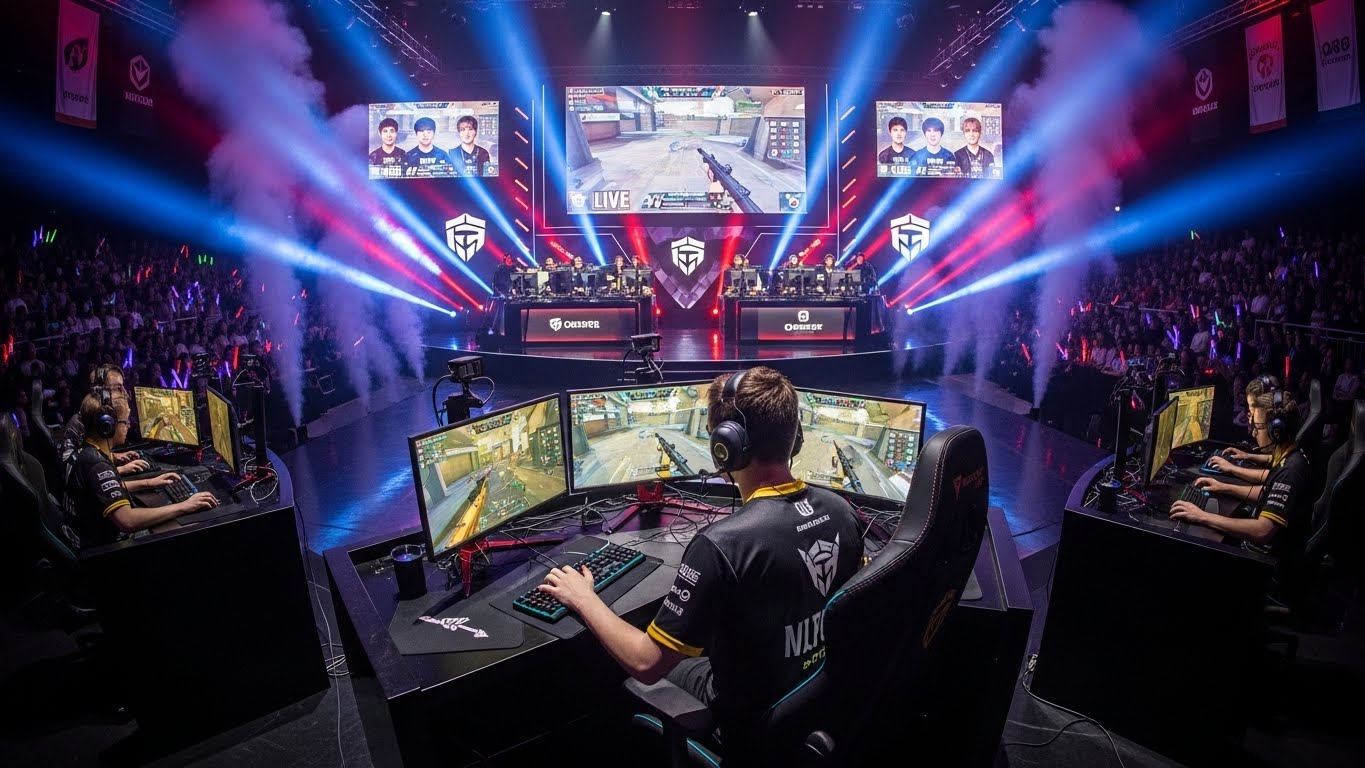
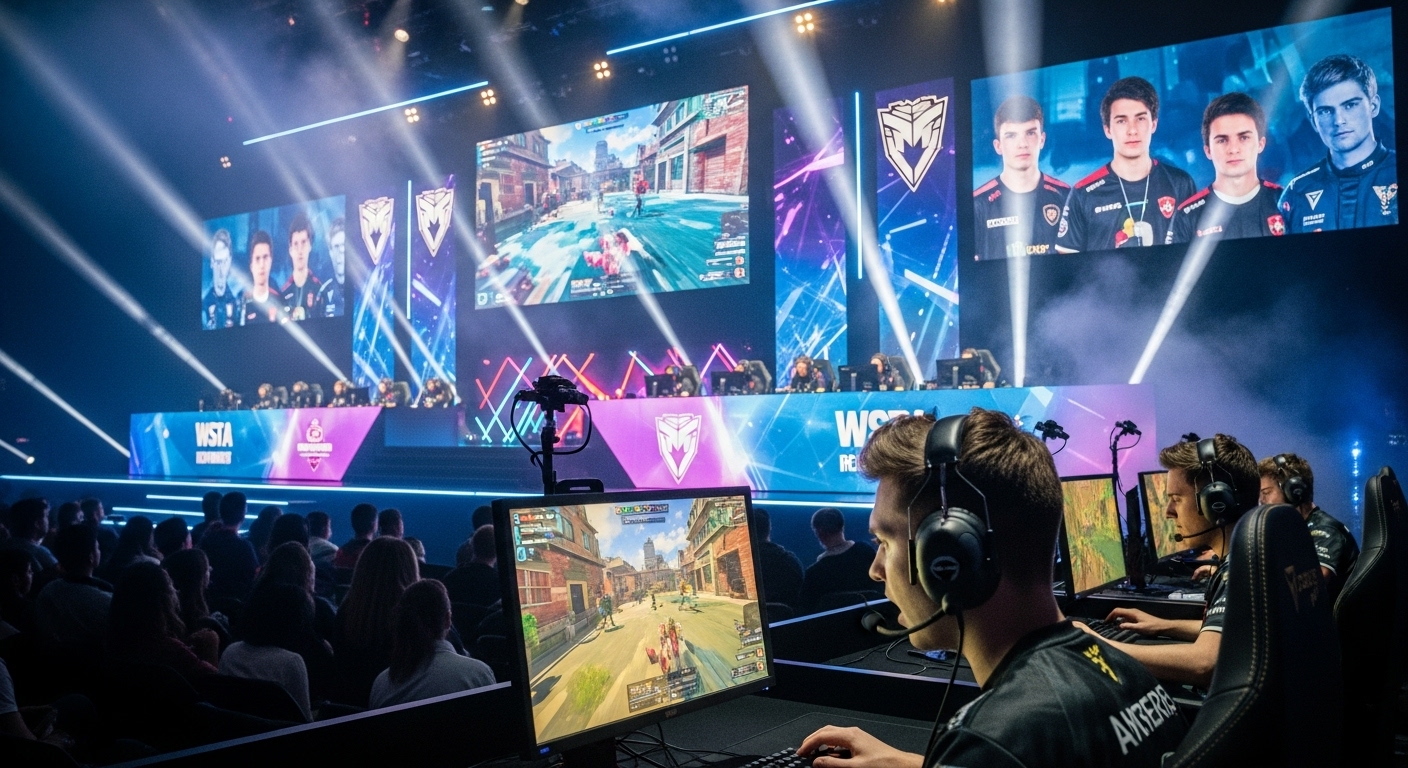
Esports, short for electronic sports, has transformed from a niche hobby into one of the most influential entertainment industries in the modern world. What began as small gaming tournaments among friends has now evolved into massive international events filling stadiums and generating millions in revenue. The rise of Esports reflects not just the growth of gaming technology but also the shifting culture of how society perceives competition, entertainment, and digital interaction.
The world of Esports today encompasses professional players, large organizations, media coverage, sponsorship deals, and even academic programs dedicated to gaming studies. Esports is no longer just a pastime; it is a legitimate and recognized form of competition, complete with global audiences, professional leagues, and a thriving economy.
The Early Days of Competitive Gaming
The story of Esports begins in the late 20th century, long before the internet became mainstream. The earliest gaming competitions were simple and localized. In 1972, the first known video game competition took place at Stanford University, featuring the game Spacewar. Participants competed for a yearly subscription to a magazine, which might seem trivial today, but it marked a historic moment in the evolution of digital competition.
The 1980s saw the rise of arcade gaming. Games like Pac-Man, Donkey Kong, and Space Invaders became cultural icons, and arcades became gathering spots for gamers eager to test their skills. The famous Space Invaders Championship in 1980, organized by Atari, drew over ten thousand participants across the United States, demonstrating the growing appeal of competitive gaming.
As home gaming consoles became popular in the late 1980s and early 1990s, competitions shifted to living rooms and small community events. Titles like Street Fighter and Super Smash Bros. became staples of early gaming tournaments. These competitions were grassroots in nature but helped establish the foundation for what would later become a structured and global Esports ecosystem.
The Internet Revolution and the Birth of Online Competition
The introduction of the internet in the 1990s completely changed the gaming landscape. Suddenly, players no longer needed to be in the same room to compete. Games like Doom and Quake pioneered online multiplayer experiences, allowing players from different regions to connect and battle in real-time. This was the beginning of global competitive gaming.
The rise of broadband internet in the early 2000s made online gaming accessible to millions. Real-time strategy games such as StarCraft and Warcraft became immensely popular, especially in countries like South Korea, where gaming culture began to flourish. South Korea quickly became the global hub for professional gaming, with dedicated Esports television channels and celebrity gamers attracting massive audiences.
This period also saw the formation of professional gaming organizations and leagues. The Cyberathlete Professional League (CPL) and Major League Gaming (MLG) were among the first structured organizations to host large-scale gaming tournaments with significant prize pools. These events laid the groundwork for future Esports competitions that would eventually fill arenas and be broadcast to millions worldwide.
The Rise of Major Esports Titles
Certain games played a crucial role in defining modern Esports. These titles not only attracted players but also built loyal fan bases, established professional leagues, and created long-term Esports careers. Among these, a few stand out for their impact and influence.
League of Legends, developed by Riot Games, is one of the most significant titles in Esports history. Since its release in 2009, it has become a global phenomenon, featuring professional leagues in every major region and a world championship watched by millions. Its blend of strategy, teamwork, and mechanical skill makes it a perfect showcase for competitive play.
Dota 2, another massively popular multiplayer online battle arena (MOBA) game, developed by Valve Corporation, is renowned for hosting one of the largest Esports tournaments in the world, known as The International. With prize pools that have reached tens of millions of dollars, Dota 2 has proven that gaming can rival traditional sports in terms of scale and excitement.
Counter-Strike: Global Offensive (CS:GO) has maintained a long-standing legacy in competitive gaming. Its fast-paced tactical gameplay, combined with team coordination and individual skill, has made it one of the most respected and enduring Esports titles.
Fortnite revolutionized the scene by blending battle royale gameplay with mainstream entertainment. Its tournaments attracted not only professional players but also celebrities, musicians, and content creators, merging Esports with pop culture in a way that few games had achieved before.
Overwatch, Valorant, Call of Duty, and Rocket League are other titles that have made significant contributions to the Esports landscape, each bringing its unique mechanics and communities to the global competitive stage.
The Professionalization of Esports
One of the defining characteristics of modern Esports is its level of professionalism. Today, professional gamers are athletes in their own right. They train for hours every day, studying strategies, refining reflexes, and maintaining physical and mental fitness. Esports organizations provide them with coaches, analysts, nutritionists, and even psychologists to help them perform at their best.
Esports organizations have also evolved into major business entities. Teams like T1, Cloud9, FaZe Clan, and G2 Esports operate similarly to traditional sports franchises, complete with branding, merchandising, and sponsorships. Major corporations such as Intel, Red Bull, and Mercedes-Benz have invested heavily in Esports, recognizing the marketing potential of reaching younger, digitally engaged audiences.
Prize pools and salaries have increased dramatically over the years. Top players can earn millions of dollars through tournament winnings, streaming platforms, endorsements, and team contracts. This has made Esports an attractive career path for many aspiring gamers, although the competition remains incredibly fierce.
Streaming Platforms and the Role of Media
The explosion of Esports would not have been possible without the rise of streaming platforms. Services such as Twitch, YouTube Gaming, and Facebook Gaming revolutionized how audiences consumed gaming content. Viewers could now watch live tournaments, follow their favorite players, and engage with gaming communities in real-time.
Streaming not only made Esports accessible to a global audience but also turned gamers into celebrities. Personalities such as Ninja, Shroud, and Faker became household names, commanding massive fanbases and influencing gaming culture worldwide. These streamers and professional players serve as role models for aspiring gamers, showing that gaming can be both a passion and a profession.
Esports coverage has also expanded into traditional media. Major sports networks began broadcasting tournaments, and universities started offering scholarships for Esports athletes. The inclusion of Esports in mainstream media has helped legitimize it as a serious and respected form of competition.
The Globalization of Esports
Esports has become a global phenomenon, transcending borders and cultures. Regions such as North America, Europe, South Korea, China, and Southeast Asia have all developed thriving Esports ecosystems. Each region has its unique strengths and fan communities.
South Korea remains one of the most influential countries in Esports history. Its early investment in gaming infrastructure and strong competitive culture established a foundation that others later followed. China’s gaming market has also exploded, producing world-class teams and some of the largest gaming audiences in the world.
Europe and North America have also become powerhouses, hosting major tournaments and producing elite-level players across multiple games. Meanwhile, countries in the Middle East, Africa, and South America are emerging as new centers of Esports growth, driven by expanding internet access and youthful populations eager to participate in the global gaming movement.
Esports and Education
In recent years, Esports has found its way into education. Universities and high schools across the world now offer Esports programs, degrees, and scholarships. These programs teach not only gaming skills but also teamwork, communication, game design, marketing, and event management.
Educational institutions recognize that Esports fosters valuable life skills such as leadership, critical thinking, and collaboration. Moreover, the Esports industry offers diverse career opportunities beyond playing, including coaching, broadcasting, game development, journalism, and production.
The Business of Esports
Behind the excitement of tournaments lies a complex and rapidly growing business ecosystem. Esports generates revenue through sponsorships, advertising, merchandise sales, ticketing, and media rights. The global Esports market has grown into a billion-dollar industry, with projections suggesting continued expansion in the coming years.
Brands are increasingly using Esports as a marketing platform to connect with younger audiences. This demographic, often difficult to reach through traditional media, spends significant time online consuming gaming-related content. As a result, companies across industries—from technology and fashion to energy drinks and automotive—have entered the Esports arena.
The rise of Esports also benefits game developers, who see sustained engagement and community growth around their titles. Successful Esports ecosystems help keep games relevant for years, ensuring long-term profitability and cultural influence.
Challenges Facing Esports
Despite its success, Esports faces several challenges. One major issue is player burnout. Professional gamers often train for long hours, leading to physical and mental exhaustion. Maintaining a healthy work-life balance is difficult in such a demanding environment.
Another concern is financial sustainability for smaller organizations and players. While top-tier professionals earn significant incomes, many others struggle to make a living due to unequal prize distribution and lack of sponsorship opportunities.
Integrity issues such as cheating, match-fixing, and doping have also emerged as concerns. As the industry grows, ensuring fair play and ethical standards is critical to maintaining credibility.
Additionally, diversity and inclusion remain ongoing challenges. Women and marginalized groups continue to face barriers in the Esports community, and efforts to create a more inclusive environment are essential for the industry’s future.
The Cultural Impact of Esports
Esports has profoundly influenced modern culture. It has reshaped entertainment by blurring the lines between gaming, sports, and digital media. Tournaments attract millions of live viewers, sometimes surpassing traditional sporting events in audience numbers.
Esports also contributes to technological innovation. Advances in virtual reality, augmented reality, and streaming technology are driven by the needs of competitive gaming and its audience. The integration of gaming with music, film, and fashion has created a dynamic cultural fusion that appeals to diverse audiences worldwide.
Furthermore, Esports has become a form of social connection. Online gaming communities provide spaces for friendship, teamwork, and global interaction. In a world where digital communication dominates, Esports serves as a bridge between people from different backgrounds and cultures.
The Future of Esports
The future of Esports looks bright and full of possibilities. As technology continues to evolve, new forms of competition will emerge. Virtual reality and augmented reality may introduce entirely new gaming experiences. Artificial intelligence could enhance training methods, strategy analysis, and player performance.
The inclusion of Esports in multi-sport events, such as the Asian Games, signals growing institutional recognition. Discussions about including Esports in future Olympic events further highlight its expanding legitimacy.
Esports will also continue to influence education, media, and business. With the rise of youth engagement and innovation, it will likely become one of the defining cultural movements of the 21st century.
Conclusion
Esports represents more than just playing video games—it is a global movement that combines technology, competition, and culture. From humble beginnings in arcade halls to sold-out arenas and billion-dollar tournaments, the journey of Esports reflects the evolution of modern entertainment and society’s relationship with the digital world.
As it continues to grow, Esports will inspire new generations to pursue their passions, innovate through technology, and connect across borders. It is not merely a trend but a transformative force shaping the future of sports, media, and human interaction in the digital age.