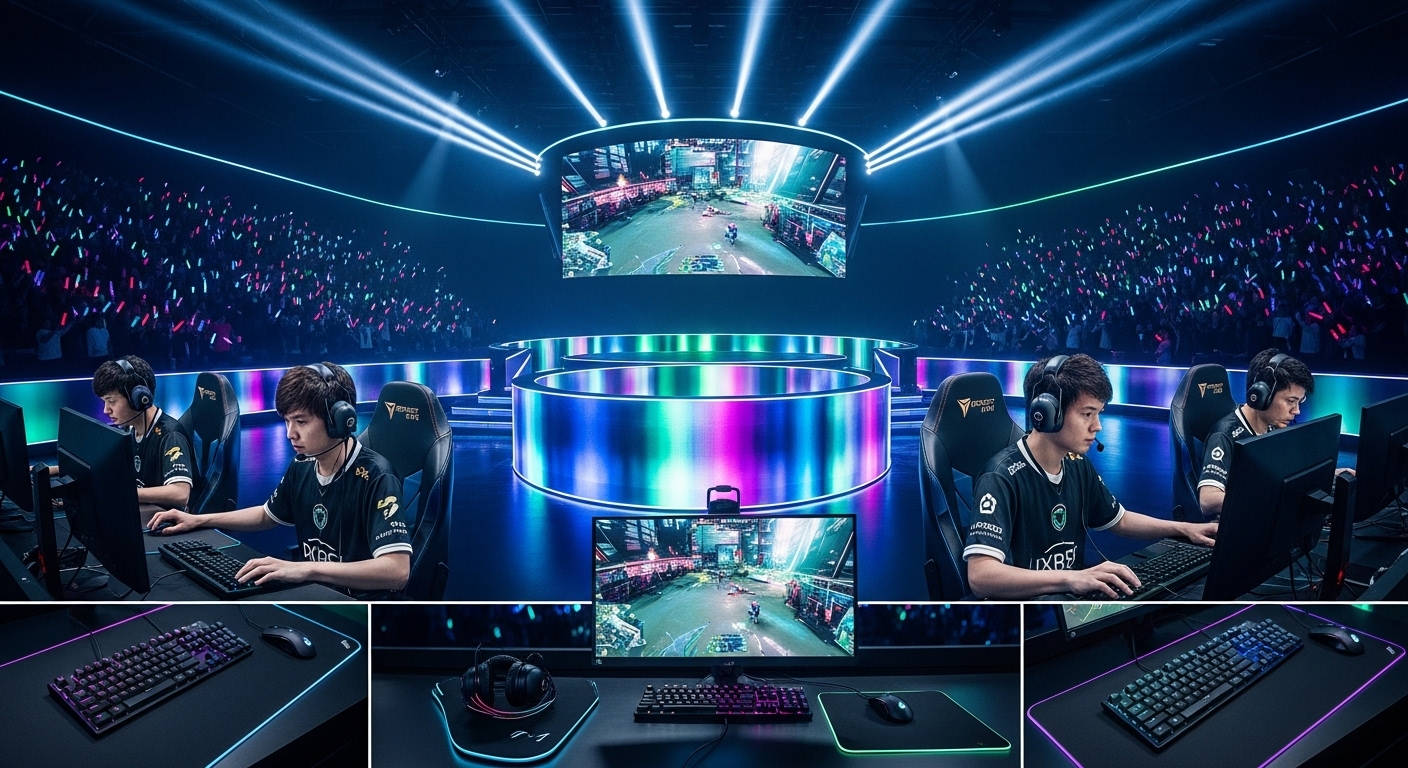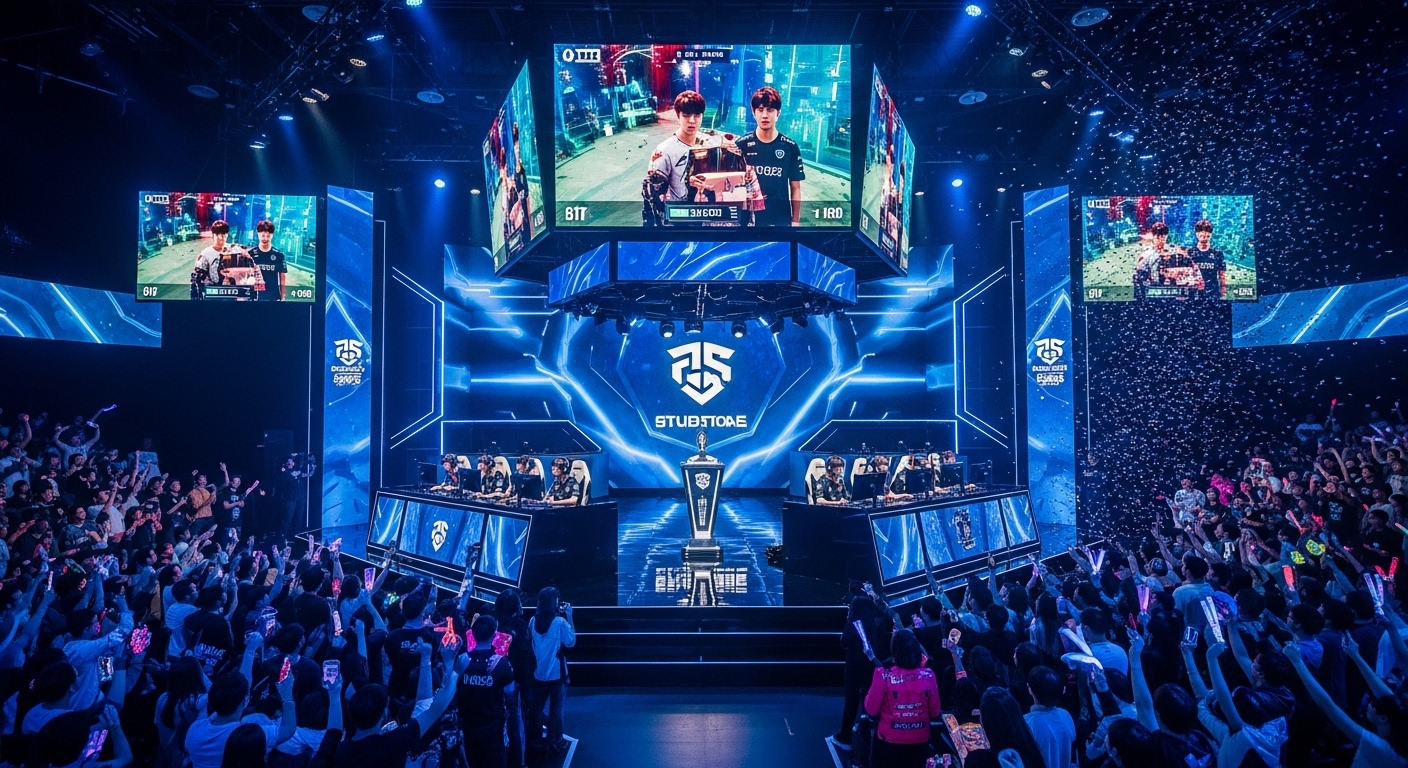
Esports, the realm of competitive video gaming, has undergone a dramatic evolution over the past two decades. Once a niche activity limited to a small group of enthusiasts, esports has now become a global entertainment phenomenon. With millions of fans, professional leagues, and massive sponsorships, esports is no longer confined to basements and online forums. It has turned into a billion-dollar industry, attracting the attention of major brands, investors, and even traditional sports organizations. In this blog post, we will explore the fascinating journey of esports, its growth, the players and teams that drive it, and the future of this dynamic sector. From humble beginnings to a major entertainment pillar, esports has revolutionized the way we think about gaming and competition.
The Beginnings of Esports: The Birth of Competitive Gaming
The story of esports begins in the early days of gaming, when people first realized the potential of competition within video games. The concept of competitive gaming emerged in the 1970s with the release of arcade games like Pong and Space Invaders. These games provided a simple format for players to challenge each other, albeit in a limited, local setting. The early 1970s marked the beginning of competitive gaming in its most rudimentary form, and tournaments were often small gatherings where local players could come together to prove their skills.
However, it wasn’t until the mid-1990s that the idea of esports began to take shape as we know it today. The release of Quake in 1996, developed by id Software, is considered one of the key milestones in the development of esports. Quake introduced the concept of online multiplayer gaming, allowing players to compete against one another over the internet. This innovation not only transformed the gaming experience but also set the stage for competitive gaming to go beyond physical arcade spaces and into the homes of millions.
The first true esports event, known as Red Annihilation, took place in 1997, and it centered around Quake. It featured the world’s best players and was one of the first competitions to offer significant prizes. This marked the early days of professional esports tournaments, where players competed for more than just bragging rights—there were tangible rewards, including a grand prize Ferrari. This event showed the potential of esports as an industry, and it set the foundation for future tournaments.
The Rise of Esports: Establishing Professional Tournaments and Leagues
The turn of the millennium brought about significant developments in the esports scene. As internet infrastructure improved, more players began participating in online multiplayer games. This helped build the community and audience for competitive gaming. Throughout the early 2000s, various online gaming titles like StarCraft, Warcraft III, Counter-Strike, and World of Warcraft gained massive followings. These games were not just played casually; players began forming teams, competing in organized tournaments, and even streaming their gameplay for a global audience.
South Korea, in particular, played a pivotal role in the rise of esports. Games like StarCraft became cultural touchstones, and the competitive scene grew rapidly. By 2000, StarCraft tournaments were being broadcast on television, and professional players were treated like celebrities. The game became so popular in South Korea that it sparked the creation of professional gaming leagues, such as the Proleague and the StarCraft World Championship. These leagues not only offered substantial prize pools but also attracted millions of viewers, both locally and internationally. This era saw the rise of esports as a serious form of entertainment.
In the West, competitive gaming was also starting to gain traction. Counter-Strike, released in 1999, became one of the most successful competitive games of the early 2000s. Tournaments like the World Cyber Games (WCG) and Electronic Sports World Cup (ESWC) further established esports as a legitimate form of competition. The 2000s saw esports tournaments growing in scale, with larger prize pools, more media coverage, and increasingly sophisticated production values. This paved the way for the growth of dedicated esports organizations and the development of professional teams and leagues.
One of the most significant milestones in the rise of esports was the launch of League of Legends (LoL) by Riot Games in 2009. LoL became a global sensation, and its competitive scene quickly blossomed. The League of Legends World Championship, which began in 2011, grew in prestige year after year, eventually attracting millions of viewers worldwide. LoL’s growth mirrored the broader evolution of esports, with professional teams, sponsorships, and television broadcasts becoming the norm.
The Esports Ecosystem: Teams, Players, and Sponsors
At the core of esports lies a complex ecosystem involving various players, teams, sponsors, and event organizers. Understanding this ecosystem is crucial to appreciating how esports functions as an industry and how it continues to thrive.
Professional Players: The Faces of Esports
Professional gamers are at the heart of esports. These individuals dedicate their lives to mastering their craft, often spending 8-12 hours a day training, strategizing, and competing. The life of a professional gamer is demanding—requiring intense focus, mental acuity, and teamwork. In games like League of Legends, Dota 2, Counter-Strike, and Fortnite, players must exhibit lightning-fast reflexes, deep game knowledge, and impeccable communication skills.
Top players often receive large salaries from their teams, win substantial prize money from tournaments, and secure endorsement deals with major brands. Some players have become global icons, attracting millions of followers on streaming platforms like Twitch, YouTube Gaming, and Facebook Gaming. The most famous esports players, such as Faker (Lee Sang-hyeok) from LoL or Ninja (Tyler Blevins) from Fortnite, have transcended gaming, becoming mainstream celebrities. These individuals have inspired countless fans to pursue their own careers in esports, creating a cycle of growth for the industry.
Esports Teams: Building a Legacy
Esports teams play a crucial role in shaping the landscape of competitive gaming. Similar to traditional sports teams, esports organizations scout talent, manage rosters, provide coaching and training, and organize sponsorships. Teams often sign players from around the world, bringing together diverse skill sets and strategies to compete at the highest level.
Notable esports organizations include Team Liquid, Cloud9, FaZe Clan, Fnatic, and G2 Esports. These organizations have established themselves as some of the most successful and influential in the esports world, winning prestigious tournaments and garnering sponsorships from global brands like Intel, Coca-Cola, and Red Bull. In addition to fielding competitive teams in popular games, these organizations are also expanding their presence in other areas, such as content creation and merchandise sales. The success of an esports team depends not only on its performance in tournaments but also on its ability to build a loyal fanbase and maintain strong brand recognition.
Sponsors and Partners: The Backbone of Esports
Sponsorships are essential to the growth and sustainability of esports. Major corporations recognize the value of esports’ highly engaged audience, especially among the younger demographic. Brands like Intel, Monster Energy, Coca-Cola, Nike, and Razer have all invested heavily in esports, supporting teams, tournaments, and players. These sponsorships provide financial support for events and help raise the visibility of esports in the mainstream media.
Sponsorships also play a significant role in professionalizing the industry. As the financial stakes of esports grow, companies are keen to associate themselves with the sport’s global appeal. In some cases, these sponsorships extend to exclusive partnerships, with major brands becoming the official sponsors of tournaments or leagues, such as Intel’s long-standing partnership with ESL (Electronic Sports League). The influx of investment and brand support has allowed esports to expand into new markets and has provided additional resources for the development of esports infrastructure.
Tournament Organizers: Shaping the Competitive Scene
Tournament organizers are the driving force behind the structure and organization of competitive gaming events. These companies are responsible for organizing competitions, managing logistics, and ensuring that players, teams, and fans have an enjoyable experience. Some of the most prominent tournament organizers in esports include ESL, DreamHack, Riot Games (for League of Legends), Valve (for Dota 2), and Blizzard (for Overwatch). These organizations work closely with game developers, teams, and sponsors to create world-class esports events, from regional qualifiers to global finals.
These tournaments have become more than just competitions—they are massive events, often held in sold-out arenas with elaborate production setups. The League of Legends World Championship and The International (Dota 2) are just a few examples of the spectacle and grandeur that these events have achieved. Fans travel from around the world to witness these competitions live, while millions more tune in via live streams and broadcasts. The rise of esports as a spectator sport has made tournaments a major source of entertainment, much like traditional sports events such as the Super Bowl or the FIFA World Cup.
The Business of Esports: A Billion-Dollar Industry
As esports continues to grow, so too does its economic impact. Esports has become a multi-billion-dollar industry, driven by factors such as sponsorship deals, media rights, merchandise sales, ticket sales, and streaming revenue. The business side of esports has attracted investors, entrepreneurs, and tech companies looking to capitalize on the growing popularity of competitive gaming.
Sponsorships account for a significant portion of esports revenue, with global brands investing millions of dollars into esports teams, tournaments, and leagues. Media rights, too, have become a major revenue stream. Streaming platforms like Twitch, YouTube Gaming, and Facebook Gaming generate substantial income by broadcasting esports competitions to millions of viewers. In 2020, the global esports market was valued at over $1 billion, and it is projected to continue growing in the coming years.
In addition to traditional forms of revenue, esports organizations are exploring new ways to monetize their operations. Merchandise sales, for example, have become a major source of income for popular teams and players. Limited-edition apparel, branded products, and exclusive content help drive fan engagement and generate additional revenue. Furthermore, the emergence of virtual goods and in-game purchases has created new revenue streams within esports games themselves.
The Future of Esports: What’s Next?
As esports continues to evolve, several key trends will shape its future. One of the most exciting developments is the growing integration of esports with traditional sports. Many professional sports teams, including NBA and NFL organizations, have established their own esports divisions. These teams recognize the value of esports and are investing in it as part of their overall strategy to appeal to a younger, digitally native audience.
The rise of mobile esports also presents a significant opportunity for the industry. Mobile gaming is growing at an incredible rate, with titles like PUBG Mobile, Clash Royale, and Arena of Valor attracting millions of players and spectators. Mobile esports could introduce competitive gaming to new markets, particularly in regions where access to high-end gaming hardware is limited.
Technology will also play a key role in the future of esports. Virtual reality (VR) and augmented reality (AR) technologies have the potential to revolutionize the gaming experience, providing more immersive environments for players and fans alike. Moreover, advancements in internet infrastructure and 5G networks will allow for smoother online gameplay, making esports even more accessible to people around the world.
Despite its rapid growth, esports faces several challenges. Issues such as player burnout, the need for mental health support, and gender inequality need to be addressed if esports is to continue thriving. In addition, concerns about match-fixing and cheating remain a problem in some competitive titles. Ensuring that esports remains a fair, inclusive, and sustainable industry will be crucial for its long-term success.
Conclusion: A Global Entertainment Revolution
Esports has come a long way from its humble beginnings as a hobby for a select few. Today, it stands as a global entertainment powerhouse that attracts millions of fans, generates billions of dollars in revenue, and has given rise to professional careers for gamers around the world. As esports continues to grow and evolve, it will shape the future of gaming, sports, and entertainment. Whether you’re a casual player, a die-hard fan, or a professional competitor, the world of esports is an exciting space to watch. The future of esports is bright, and its potential is limitless.