Introduction
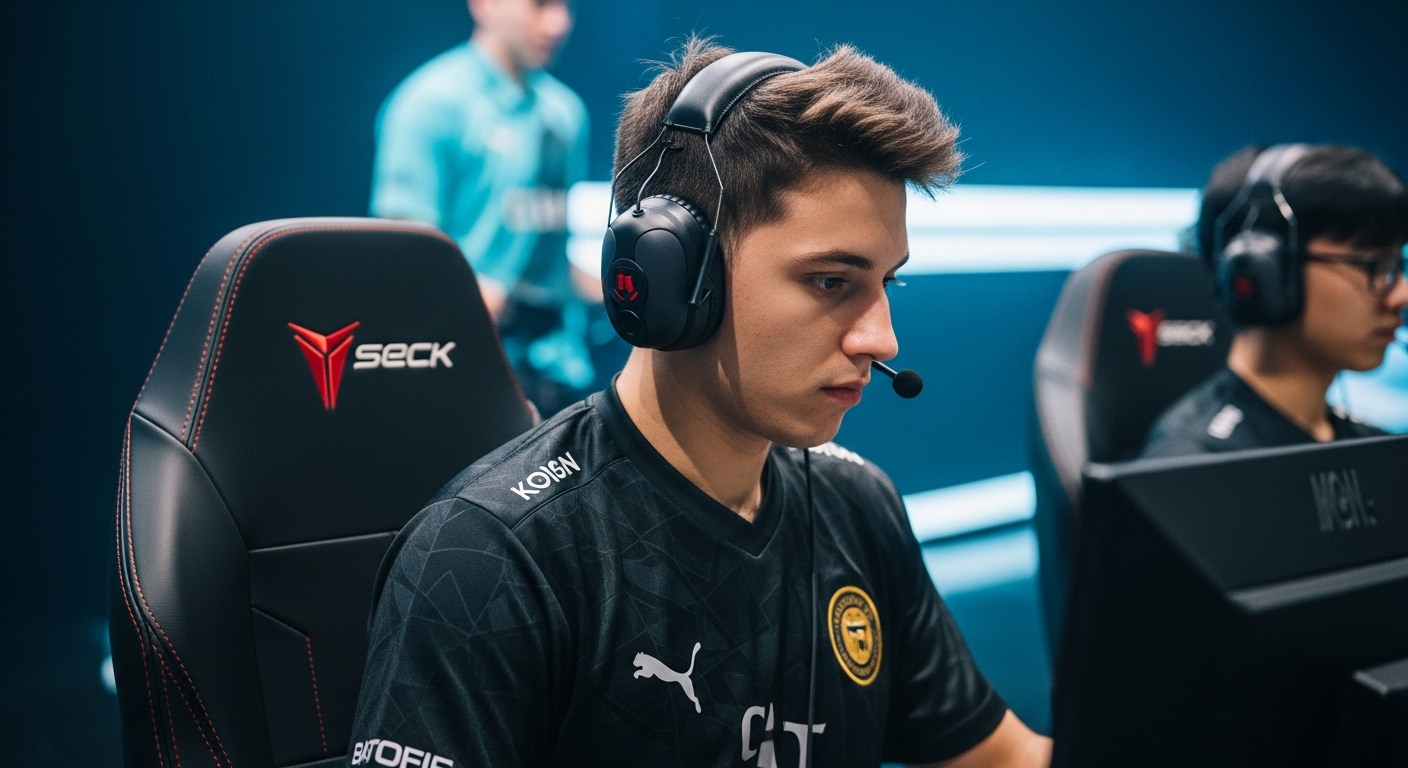
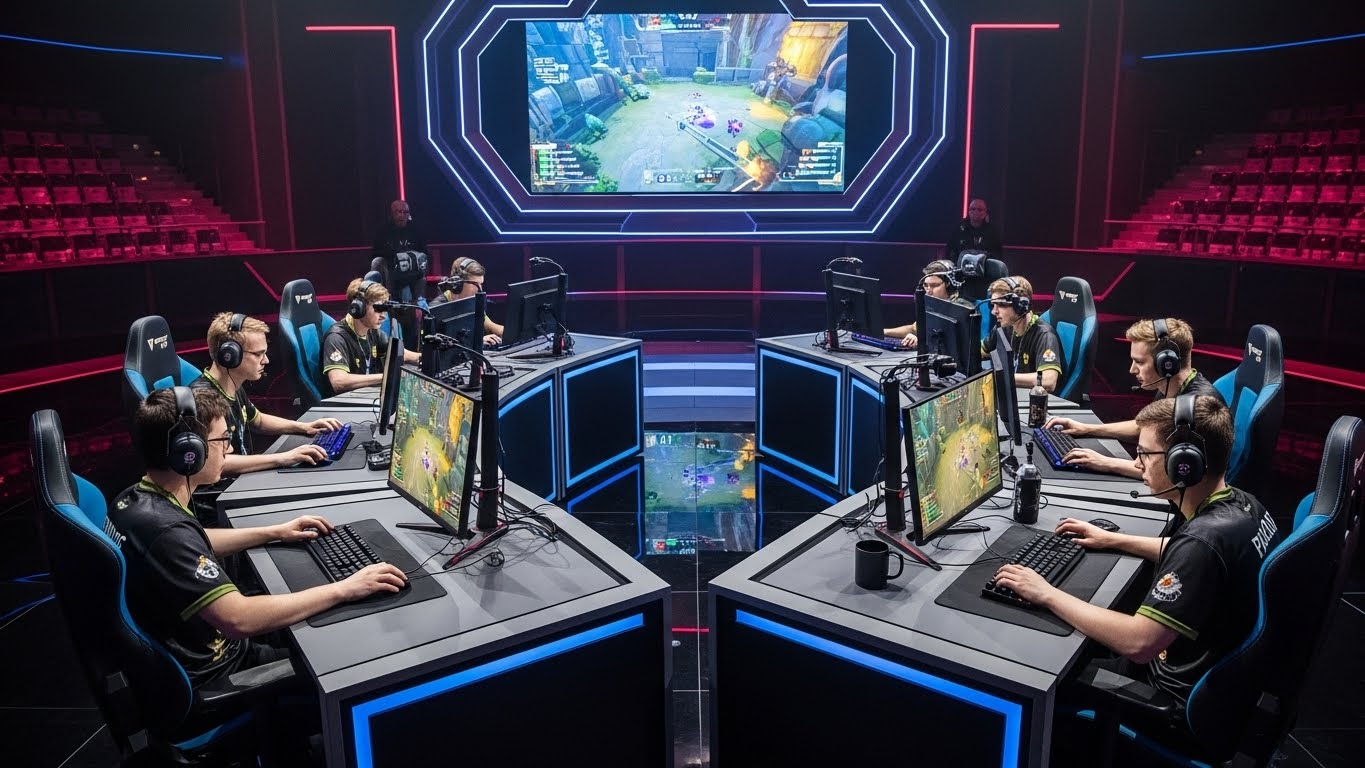
Esports, or competitive video gaming, has evolved from a niche hobby into a global entertainment industry. What began as small gatherings of gaming enthusiasts has transformed into a multi-billion-dollar ecosystem, complete with professional players, sponsored teams, global tournaments, and millions of viewers streaming live events. The rise of esports reflects the changing landscape of entertainment, where digital interaction, skill-based competition, and community engagement converge.
This blog explores the history, growth, technological advancements, business models, cultural impact, and future of esports, illustrating how it has become a dominant force in modern entertainment.
The Origins of Esports
Esports’ roots can be traced back to the late 1970s and early 1980s when video games first gained popularity. Early competitions were simple, often held at arcades or universities. Events like the Space Invaders Championship in 1980 drew large crowds and marked one of the first organized video game competitions.
The Arcade Era
Arcades were central to early competitive gaming. High score competitions for games like Pac-Man and Donkey Kong became community events where players showcased skill, strategy, and persistence. These gatherings established a social aspect that would remain fundamental to esports.
Home Consoles and LAN Tournaments
As home consoles gained popularity, competitive gaming shifted into living rooms and local area networks (LAN). Titles like StarCraft and Counter-Strike pioneered team-based competition, laying the foundation for the multiplayer esports culture that thrives today.
Modern Esports: Genres and Popular Games
Esports has diversified into numerous genres, each attracting unique audiences and competitive strategies.
Multiplayer Online Battle Arena (MOBA)
MOBA games like League of Legends and Dota 2 dominate the esports scene. Players control individual characters within teams, working to destroy the opposing base. These games demand strategy, communication, and adaptability, making them exciting for both participants and spectators.
First-Person Shooters (FPS)
FPS titles like Counter-Strike: Global Offensive, Call of Duty, and Valorant combine reflexes, teamwork, and tactical planning. The fast-paced nature of these games creates thrilling tournaments and intense rivalries among professional teams.
Real-Time Strategy (RTS)
RTS games, such as StarCraft II, emphasize resource management, unit control, and strategic foresight. These games appeal to players who enjoy planning, multitasking, and anticipating opponents’ moves.
Fighting Games
Fighting games like Street Fighter, Tekken, and Super Smash Bros. focus on one-on-one skill-based competition. High-level play requires precision, timing, and deep knowledge of character mechanics, making tournaments captivating to watch.
Sports Simulation
Titles like FIFA and NBA 2K replicate real-world sports, allowing players to compete digitally. These games bridge traditional sports audiences and esports enthusiasts, creating a unique niche.
Each genre brings its own competitive structure, skill requirements, and fan culture, contributing to esports’ diversity and widespread appeal.
The Business of Esports
Esports has evolved into a massive industry with multiple revenue streams, attracting investment from traditional sports organizations, tech companies, and entertainment corporations.
Sponsorship and Advertising
Sponsorship deals are a cornerstone of esports revenue. Companies in tech, energy drinks, apparel, and gaming peripherals sponsor tournaments, teams, and individual players. Advertising during live streams and in-game promotions further contributes to revenue.
Media Rights and Streaming
Platforms like Twitch, YouTube Gaming, and other streaming services generate income through subscription fees, ads, and partnerships. Broadcasting rights for major tournaments are increasingly valuable, with millions tuning in worldwide.
Merchandise and Branding
Professional teams sell branded merchandise, including apparel, gaming peripherals, and collectibles. Merchandising strengthens fan loyalty and adds a lucrative revenue stream for organizations.
Tournament Prize Pools
Prize pools incentivize competitive play and attract top talent. High-profile tournaments, such as The International for Dota 2, offer multi-million-dollar prizes, showcasing the financial stakes and professionalism of esports.
Emerging Investment Opportunities
Venture capital and private equity are entering the esports sector, funding new teams, leagues, and technology solutions. Investment growth signals esports’ long-term potential as a mainstream entertainment industry.
Esports Leagues and Tournaments
Structured competition is critical to esports’ legitimacy. Leagues and tournaments provide organized platforms for players to showcase their skills and gain recognition.
Global Tournaments
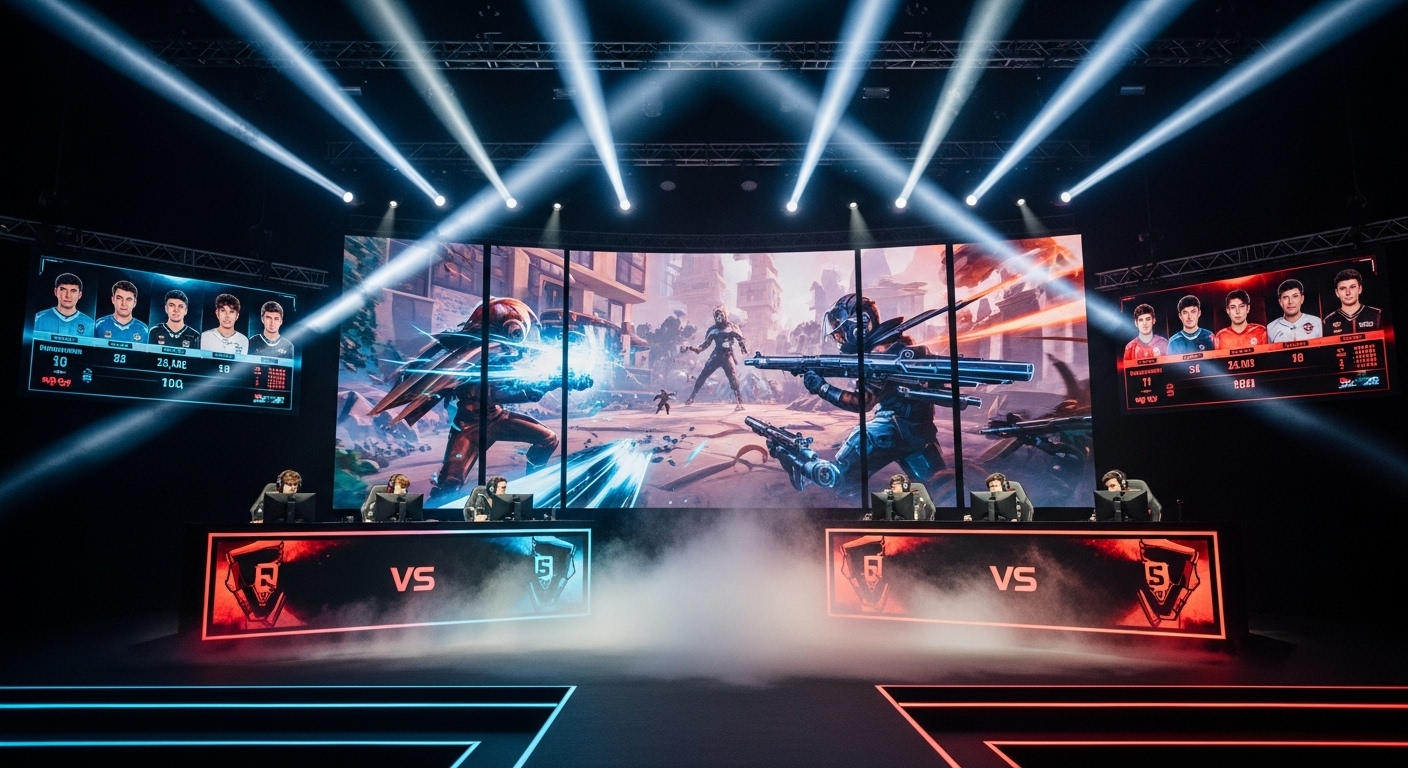
Events like the League of Legends World Championship, The International, and Fortnite World Cup attract millions of viewers globally. These tournaments feature extensive live broadcasts, professional commentary, and elaborate production, mirroring traditional sports events.
Regional Leagues
Professional esports leagues operate regionally, creating pathways for emerging talent. Examples include the Overwatch League and Call of Duty League. Regional leagues foster local fan engagement and develop competitive ecosystems.
Collegiate and Amateur Esports
Universities and colleges increasingly host esports programs, offering scholarships and competitive opportunities. Amateur tournaments and community leagues serve as entry points for aspiring professional players.
Online Competitions
Online tournaments allow global participation without geographic constraints. They democratize competition, enabling players from different countries to compete for recognition and prizes.
These competitive structures reinforce esports as a serious profession and provide entertainment for global audiences.
Technological Innovations in Esports
Technology drives esports’ growth and enhances the player and viewer experience.
High-Performance Gaming Hardware
Competitive gaming requires precision and speed. High-refresh-rate monitors, mechanical keyboards, gaming mice, and optimized consoles ensure that professional players perform at their best.
Internet Connectivity
Reliable, low-latency internet connections are essential. Fiber-optic networks, 5G technology, and global server infrastructures reduce lag, ensuring fair and smooth competition.
Streaming Platforms
Live streaming platforms allow fans to watch matches in real-time, interact through chat, and follow player updates. Features like live stats, multiple camera angles, and instant replays enhance engagement.
Artificial Intelligence and Analytics
AI tools analyze gameplay for strategy development, performance tracking, and opponent scouting. Analytics software provides insights into player behavior, win rates, and tactical tendencies, elevating competition.
Virtual Reality and Augmented Reality
VR and AR technologies are beginning to influence esports by offering immersive training environments, spectator experiences, and innovative gameplay modes. These advancements are expected to expand esports’ reach and appeal.
The Cultural Impact of Esports
Esports has grown beyond gaming, influencing culture, media, and social behavior.
Community Building
Esports fosters online communities where players, fans, and content creators interact. Forums, Discord servers, and social media groups promote discussion, collaboration, and fan engagement.
Professional Recognition
Top esports players now achieve celebrity status, with followers numbering in the millions. Professional players have brand endorsements, social media influence, and media coverage comparable to traditional athletes.
Integration with Traditional Sports
Many traditional sports teams invest in esports franchises, merging fan bases and legitimizing competitive gaming. Sports networks now cover esports events, blurring the line between digital and physical sports.
Youth Engagement
Esports attracts younger demographics, promoting digital literacy, strategic thinking, and teamwork. Schools and universities include esports programs, emphasizing its educational and career potential.
Media and Entertainment Crossover
Esports content expands into documentaries, live shows, and entertainment media. Collaborations with influencers, streamers, and celebrities further embed esports into mainstream culture.
Challenges Facing Esports
Despite its growth, esports faces several challenges that must be addressed to sustain long-term success.
Player Health and Well-Being
Professional players endure long hours of practice and competition, leading to physical and mental health concerns. Eye strain, repetitive strain injuries, and stress are prevalent, highlighting the need for wellness programs.
Cheating and Fair Play
Hackers and cheaters threaten competitive integrity. Anti-cheat software, monitoring systems, and strict enforcement of rules are essential to maintain fairness.
Accessibility and Inclusivity
Esports must address barriers to entry for players from underrepresented regions, genders, and socioeconomic backgrounds. Inclusive practices, scholarships, and community support are necessary for equitable growth.
Regulatory and Legal Issues
Different countries have varying regulations concerning gaming, gambling, and online competition. Navigating these rules is critical to avoid legal complications.
Sustainability of Revenue Models
While sponsorships and streaming revenue are lucrative, the esports industry must diversify revenue sources to ensure financial stability amid changing trends.
The Future of Esports
The future of esports is promising, with continued technological advancement, broader mainstream acceptance, and new forms of competition.
Global Expansion
Esports is expanding into emerging markets in Asia, Africa, and Latin America, increasing player diversity and fan engagement.
Hybrid Events
Post-pandemic trends favor hybrid events combining in-person tournaments with global live streaming, enhancing accessibility and spectator experiences.
AI-Enhanced Training
Artificial intelligence will revolutionize training, providing real-time coaching, strategy suggestions, and performance analysis.
Virtual and Augmented Spectator Experiences
Fans will enjoy immersive ways to watch esports, including VR arenas, AR overlays, and interactive broadcasts that make viewing more engaging than ever.
Integration with Traditional Entertainment
Collaborations with music, film, and sports industries will expand esports’ cultural footprint, creating new opportunities for storytelling, fan interaction, and sponsorship.
Esports is not just a passing trend—it is a dynamic entertainment ecosystem poised for continued growth, innovation, and mainstream recognition.
Conclusion
Esports has transformed competitive gaming into a global cultural phenomenon. From its humble origins in arcades and LAN tournaments to multi-billion-dollar professional leagues, it has redefined how people play, watch, and interact with games. Technological advancements, diverse competitive formats, and widespread community engagement have propelled esports into the mainstream.
The industry’s success depends on balancing growth with sustainability, fairness, player welfare, and technological innovation. As esports continues to evolve, it promises to provide entertainment, career opportunities, and cultural influence that rival traditional sports. For millions of fans and players worldwide, esports is more than a game—it is a lifestyle, a community, and a dynamic force shaping the future of entertainment.