Esports has emerged as one of the most influential and fast-growing forms of competitive entertainment in the modern world. What began as casual video game competitions has evolved into a global industry featuring professional players, international tournaments, massive audiences, and cultural relevance rivaling traditional sports. Esports is no longer just about playing games; it represents discipline, strategy, community, and a new definition of athletic competition in the digital age.
The Early Beginnings of Competitive Gaming
The roots of esports can be traced back to the earliest days of video gaming, when players competed for high scores in arcades. These informal contests attracted spectators who admired skill and mastery. As gaming technology advanced, competitions became more organized, shifting from local arcades to computer labs, gaming cafés, and home networks.
The development of multiplayer games and internet connectivity played a critical role in shaping esports. Players could now compete across cities and countries, laying the foundation for structured tournaments and leagues. These early competitions demonstrated that video games could support skill-based rivalry and spectator interest, setting the stage for professional esports.
What Defines Esports Today
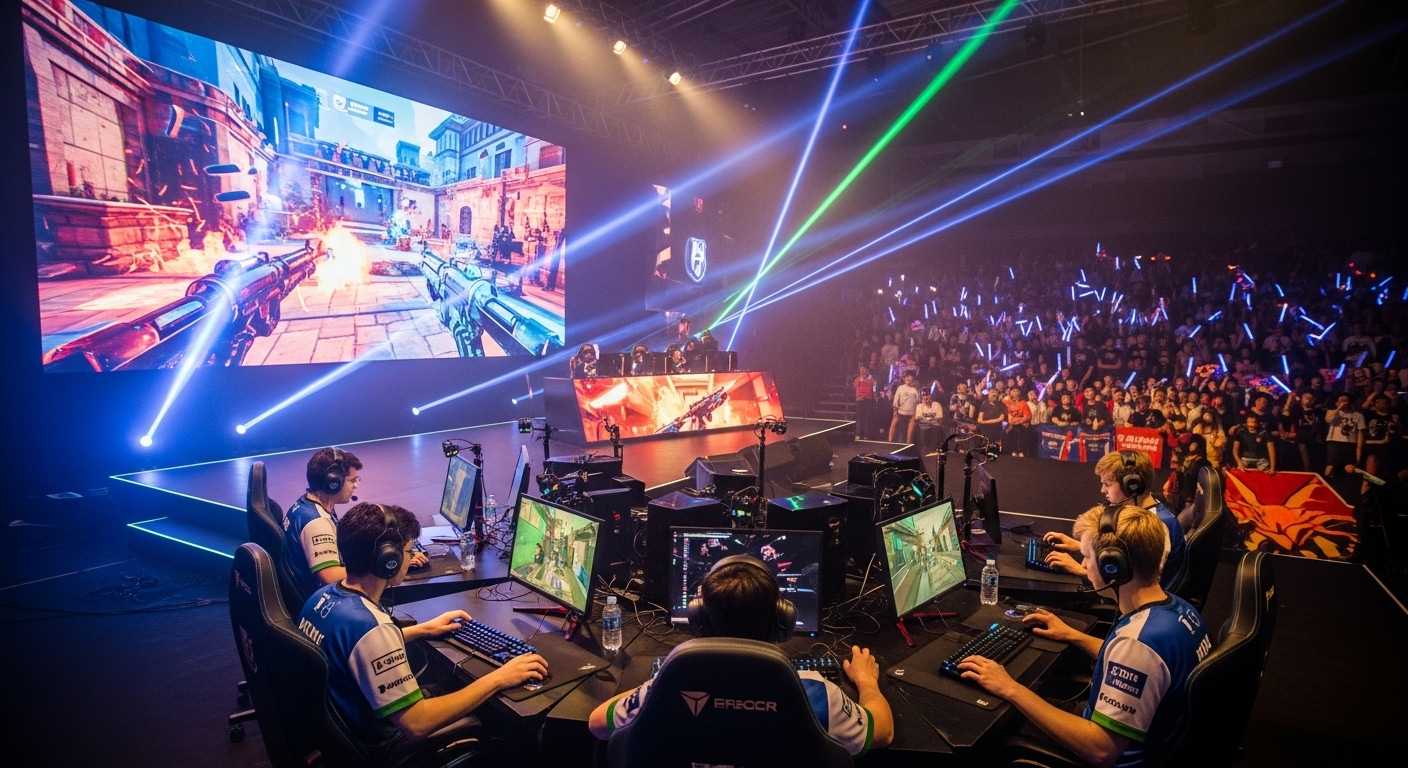
Esports refers to organized, competitive video gaming where players or teams compete under standardized rules. Unlike traditional sports that rely primarily on physical strength, esports focuses on reaction time, strategic thinking, coordination, and mental endurance. Games vary across genres, including tactical shooters, strategy games, team-based battle arenas, and sports simulations.
Modern esports is defined by professionalism. Players train daily, analyze gameplay, develop strategies, and work closely with coaches and analysts. Matches are officiated, leagues follow schedules, and competitive integrity is enforced. This structure has elevated esports from entertainment to a respected competitive discipline.
The Professional Esports Ecosystem
The esports industry operates as a complete ecosystem. Professional teams function like traditional sports franchises, employing players, coaches, analysts, managers, and support staff. These teams compete in leagues and tournaments that span national and international stages.
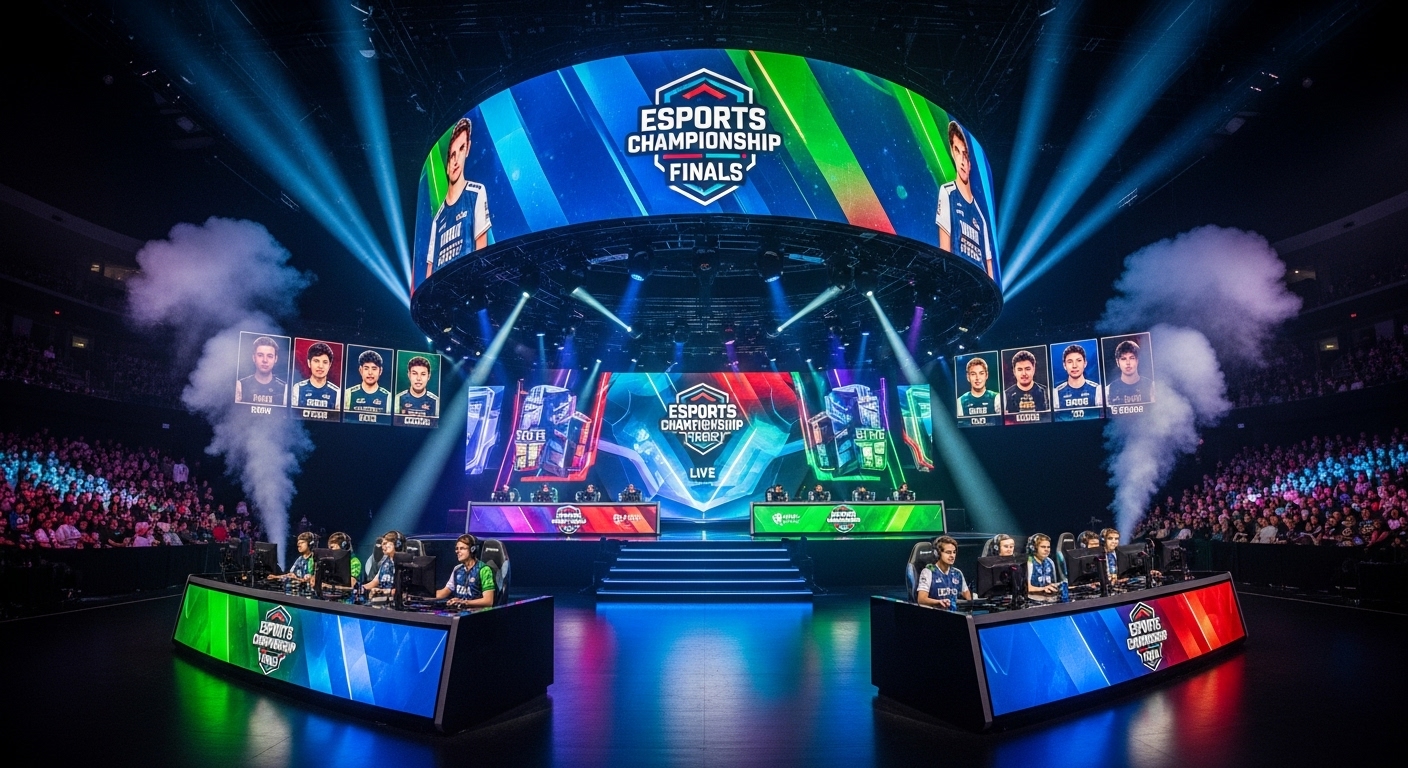
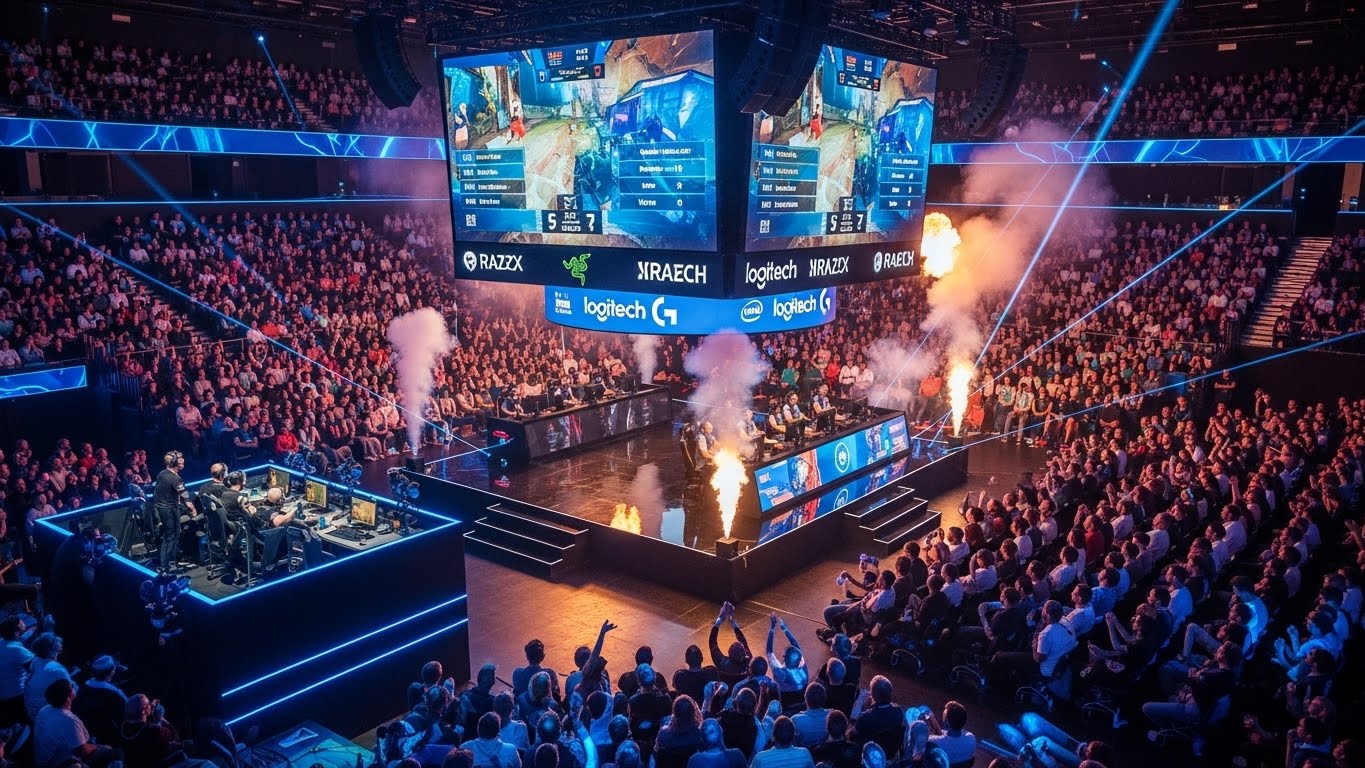
Tournaments are the centerpiece of esports. Large-scale events attract global audiences and feature elaborate production, commentary, and fan engagement. Beyond players, the ecosystem includes broadcasters, content creators, event organizers, and developers who all contribute to the industry’s growth and sustainability.
Training, Skill, and Discipline
Success in esports requires intense dedication. Professional players often practice for several hours a day, focusing on mechanics, teamwork, communication, and strategy. Training includes reviewing past matches, studying opponents, and adapting to frequent game updates.
Mental discipline is crucial. Players must remain focused during long matches, manage pressure, and make rapid decisions that can determine outcomes in seconds. Unlike casual gaming, professional esports demands consistency, accountability, and continuous improvement.
Mental and Physical Demands
Esports is often misunderstood as physically passive, but it places significant demands on both mind and body. Players must maintain high levels of concentration, hand-eye coordination, and reaction speed for extended periods. Mental fatigue and stress are common, especially during high-stakes tournaments.
Physically, long practice hours can lead to strain in hands, wrists, eyes, and posture. To counter this, professional teams increasingly emphasize physical fitness, proper ergonomics, nutrition, and rest. Mental health support is also becoming a priority, helping players manage stress and prevent burnout.
Esports as a Global Community
One of the defining features of esports is its global reach. Fans and players from different cultures, languages, and backgrounds come together through shared passion. Online platforms allow real-time interaction, enabling fans to discuss matches, support teams, and celebrate memorable moments.
This sense of community extends beyond competition. Esports creates spaces for collaboration, creativity, and identity. Fans often feel deeply connected to players and teams, forming bonds that transcend geographic boundaries and cultural differences.
Cultural Influence of Esports
Esports has become a cultural force influencing fashion, language, media, and lifestyle. Professional players are recognized as public figures, and gaming culture increasingly intersects with mainstream entertainment. Music, films, and advertising often draw inspiration from esports aesthetics and narratives.
Beyond trends, esports reflects modern values such as digital connectivity, innovation, and global participation. It challenges traditional ideas of sport and competition, proving that skill and dedication are not limited to physical arenas.
Economic Impact and Career Opportunities
The economic growth of esports has been remarkable. Revenue is generated through sponsorships, merchandise, event ticket sales, media production, and advertising. This growth has attracted investment from major brands and organizations seeking to engage younger, digitally connected audiences.
Esports has also created diverse career paths. While professional players are the most visible figures, many roles exist behind the scenes, including coaching, broadcasting, event management, marketing, design, and software development. These opportunities demonstrate that esports is not just a pastime but a legitimate professional field.
Esports and Education
Educational institutions are increasingly recognizing the value of esports. Schools and universities now offer esports programs that promote teamwork, communication, leadership, and strategic thinking. These programs often combine gaming with academic learning, preparing students for careers in technology and media.
Esports in education also provides inclusivity. Students who may not participate in traditional sports can still engage in competitive activities, building confidence and social skills. This integration highlights the broader developmental benefits of competitive gaming.
Inclusivity and Accessibility
Esports has the potential to be one of the most inclusive competitive spaces. Physical limitations that may restrict participation in traditional sports often do not apply in gaming. Players of different genders, abilities, and backgrounds can compete on equal footing based on skill and dedication.
However, challenges remain. Issues such as representation, online harassment, and unequal access to resources still affect parts of the community. Addressing these challenges is essential for ensuring esports continues to grow as a welcoming and inclusive environment.
Challenges Facing the Esports Industry
Despite its success, esports faces several challenges. Rapid growth has sometimes outpaced regulation, leading to inconsistencies in player contracts, league structures, and governance. Player burnout and short career spans are also concerns that require attention.
Maintaining competitive integrity is critical. Fair play, transparency, and ethical standards must be upheld to preserve trust among players and fans. As the industry matures, establishing strong foundations will be key to long-term sustainability.
The Future of Esports
The future of esports is filled with opportunity. Advancements in technology will continue to enhance gameplay, training, and viewing experiences. As global connectivity improves, esports will reach new audiences and expand into emerging markets.
Esports is also likely to continue blending with traditional sports and entertainment, creating hybrid experiences that appeal to diverse audiences. Innovation, creativity, and community will remain central to its evolution.
Conclusion
Esports represents a powerful shift in how competition, entertainment, and community are defined. From humble beginnings to a global industry, it has proven that digital competition can demand the same dedication, discipline, and passion as traditional sports.
More than games, esports is a reflection of modern culture, technology, and human connection. It brings people together, creates opportunities, and challenges outdated perceptions of what competition looks like. As esports continues to grow, it will remain a defining force in the digital era, shaping the future of sport, entertainment, and global interaction.