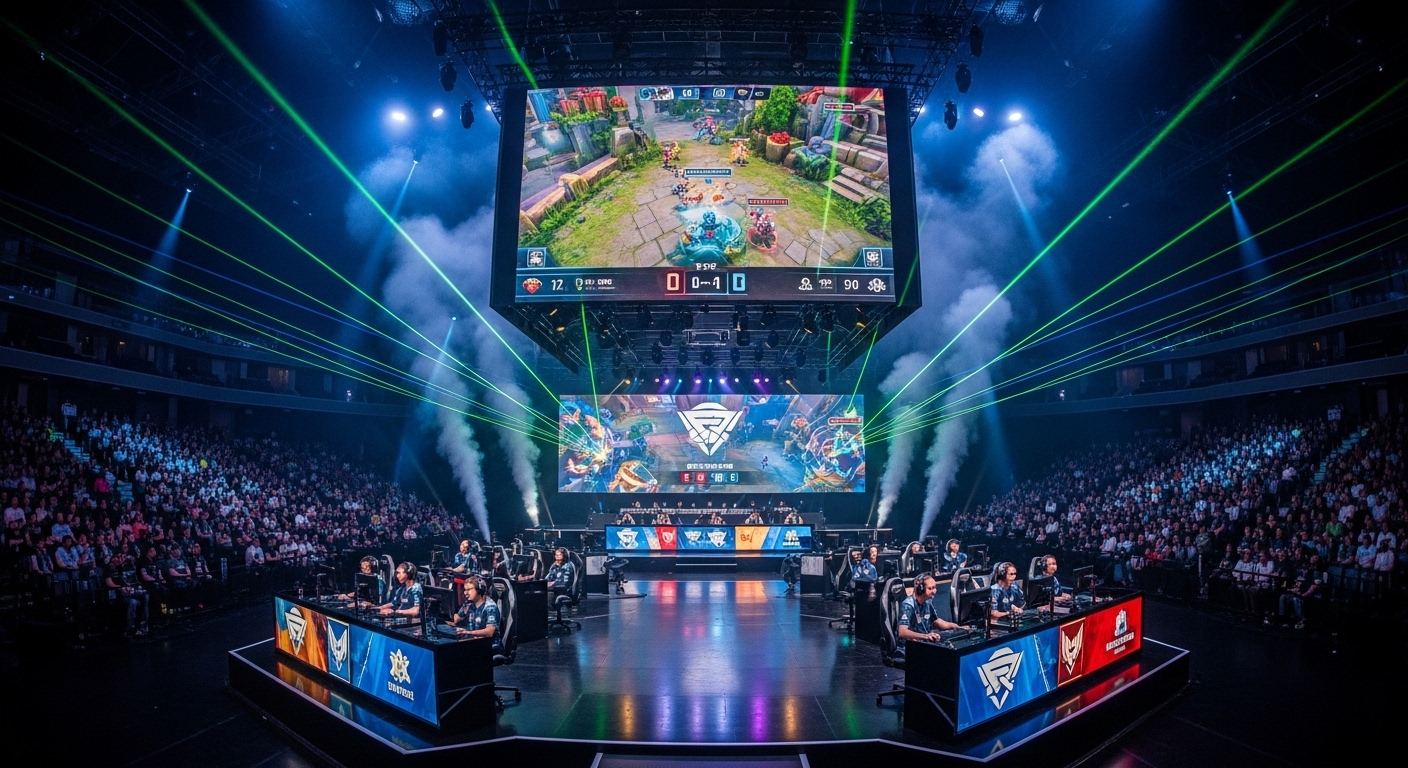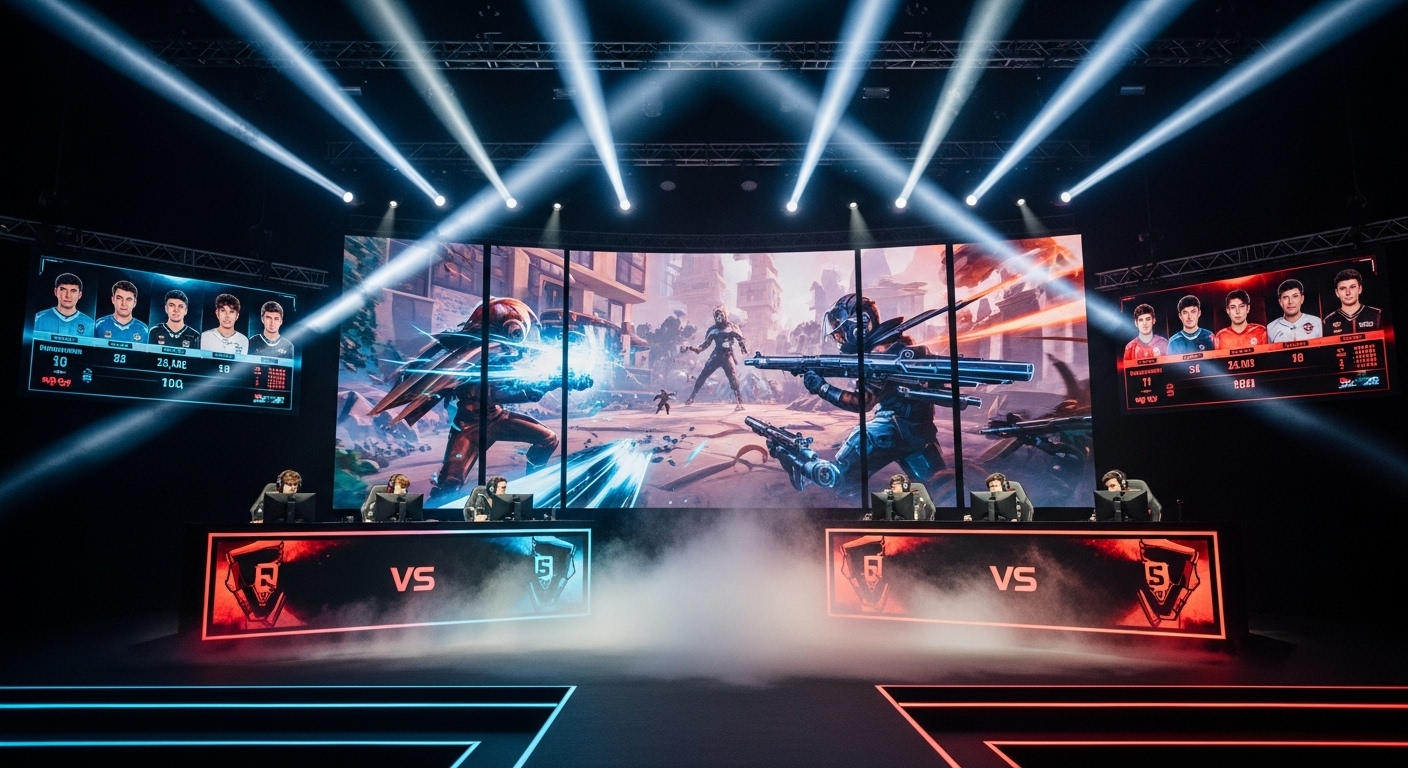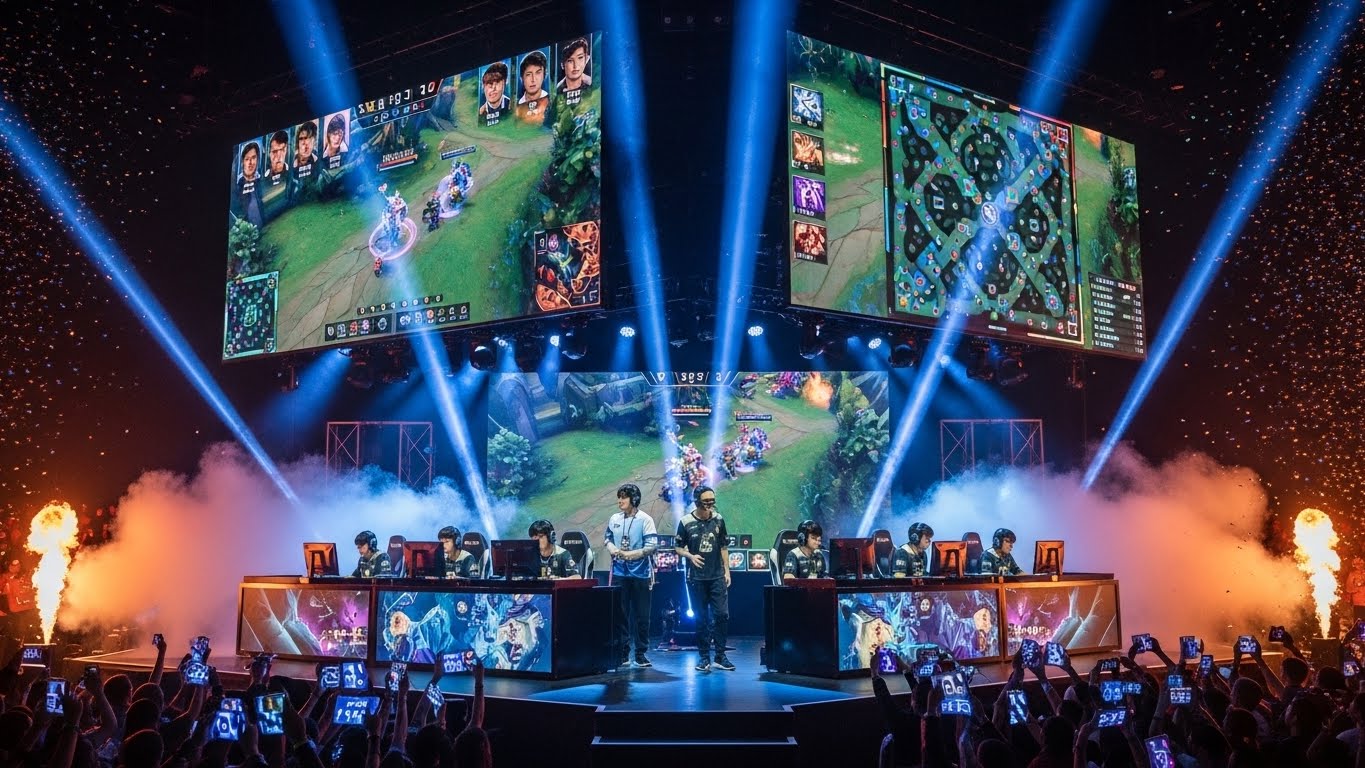
In the last decade, the world has witnessed a transformation in the way people perceive video games. What was once considered a casual pastime for teenagers has evolved into a global phenomenon known as esports. Short for electronic sports, esports refers to organized, competitive video gaming where professional players and teams compete in tournaments for recognition, prestige, and often, substantial prize money. This rapid evolution has not only created new career opportunities but also reshaped the entertainment industry, merging technology, strategy, and skill in ways never seen before.
The Birth and Evolution of Esports
The concept of competitive gaming is not new. In the 1970s and 1980s, arcades and early home consoles provided a platform for players to compete for high scores. However, esports as a structured, professional industry began to take shape in the late 1990s and early 2000s. Titles like StarCraft and Counter-Strike became foundational in the esports community, with tournaments offering modest cash prizes and recognition among enthusiasts.
The rise of broadband internet played a pivotal role in esports’ growth. Online multiplayer gaming allowed players from different parts of the world to compete in real-time, fostering a sense of global community. By the mid-2000s, esports tournaments started being broadcast online, reaching audiences far beyond local arcades and gaming centers. Today, esports encompasses a variety of genres including first-person shooters, real-time strategy games, battle royales, and sports simulations, each with its own thriving competitive scene.
Popular Esports Titles and Their Impact
Different games have defined different eras in esports. League of Legends, a multiplayer online battle arena game, has become a cornerstone of competitive gaming, with massive international tournaments like the World Championship attracting millions of viewers. Its success is attributed to a combination of strategic depth, frequent updates, and a large, dedicated player base.
Dota 2, another strategy-based game, is renowned for its incredibly high prize pools, with some tournaments offering tens of millions of dollars. This demonstrates not only the competitive nature of esports but also the financial potential of the industry.
First-person shooters like Counter-Strike: Global Offensive and Call of Duty have maintained steady popularity by emphasizing team coordination, reflexes, and tactical gameplay. These games showcase the skill and precision required in esports, bridging the gap between traditional sports and digital competition.
In recent years, battle royale games such as Fortnite and PUBG have redefined competitive gaming for a younger audience, combining fast-paced action with the appeal of streaming and social interaction. The diversity of games ensures that esports appeals to a wide demographic, from casual viewers to hardcore competitive players.
The Role of Streaming Platforms
One of the most important drivers behind esports’ popularity is the rise of live streaming platforms. Services that allow gamers to broadcast their gameplay to millions of viewers have created new opportunities for engagement and monetization. Platforms not only showcase professional tournaments but also allow fans to follow their favorite players and learn strategies in real-time.
Streaming has transformed esports into a spectator sport. Unlike traditional sports that require physical attendance, esports offers an interactive experience where viewers can chat, react, and even influence events during live streams. This interactivity has strengthened the connection between players and fans, creating communities that thrive online.
The Business of Esports
Esports is no longer just about entertainment; it is big business. The industry generates billions of dollars annually through sponsorships, advertising, merchandising, ticket sales, and media rights. Major brands, from technology companies to beverage manufacturers, invest heavily in esports as a marketing platform to reach younger, tech-savvy audiences.
Professional teams operate much like traditional sports franchises, with coaches, analysts, and support staff, alongside players who train rigorously. Salaries for top players can rival those of professional athletes in traditional sports, and sponsorship deals can be lucrative. Furthermore, esports organizations often cultivate their own brand through merchandise, content creation, and fan engagement, creating multiple revenue streams.
Training and Discipline in Esports
Competitive gaming requires a level of discipline and dedication comparable to that of traditional athletes. Professional esports players often adhere to strict schedules, balancing practice sessions, physical fitness, strategic analysis, and mental conditioning. Reaction time, hand-eye coordination, and strategic thinking are key skills that require constant refinement.
In addition to technical skills, teamwork and communication are critical. Many esports games are team-based, demanding precise coordination and understanding among players. The mental pressure in high-stakes tournaments can be intense, making resilience and focus essential traits for professional players.
Challenges Facing the Esports Industry
Despite its rapid growth, esports faces several challenges. One of the primary issues is the lack of standardization across leagues and tournaments. Unlike traditional sports, where rules and regulations are well-established, esports competitions can vary significantly in format, prize distribution, and governance.
Another concern is player burnout. The intense training schedules, coupled with constant travel and public scrutiny, can lead to physical and mental health problems. Organizations and governing bodies are increasingly recognizing the need for player support systems, including mental health resources, medical care, and career development programs.
Additionally, esports still struggles with public perception in some regions. While acceptance is growing, many still view gaming as a casual hobby rather than a legitimate career or competitive sport. Changing these perceptions will be essential for the industry’s long-term sustainability.
The Social and Cultural Impact of Esports
Esports is more than just a competitive pursuit; it is a cultural phenomenon. It fosters social interaction, collaboration, and community building among players and fans. Online communities form around specific games, creating spaces where people share strategies, celebrate victories, and build friendships.
Esports has also influenced mainstream media and pop culture. Celebrities and professional athletes increasingly participate in gaming events, while music, fashion, and entertainment industries collaborate with esports organizations. This cross-pollination has helped esports gain legitimacy and expand its reach beyond traditional gaming audiences.
Esports and Education
In recent years, educational institutions have begun to recognize the potential of esports in fostering skills such as teamwork, problem-solving, and strategic thinking. Many universities now offer scholarships for esports athletes, while high schools introduce esports clubs as part of their extracurricular programs.
Esports also intersects with STEM education. Game design, programming, data analysis, and broadcasting skills are integral to the industry, offering students practical experience in technology-driven careers. This educational aspect demonstrates that esports is not only entertainment but also a platform for professional and personal development.
The Future of Esports
The future of esports looks bright, with continuous technological advancements driving its growth. Virtual reality and augmented reality gaming may redefine the competitive experience, offering more immersive and interactive tournaments. Artificial intelligence tools are increasingly being used for player training, game analysis, and broadcast enhancements.
Esports may also expand its global reach, particularly in regions where gaming infrastructure is developing rapidly. The rise of mobile esports is another trend, making competitive gaming more accessible to players who may not own high-end gaming equipment.
Moreover, as societal perceptions shift, esports could become as mainstream as traditional sports, with standardized leagues, professional training facilities, and widespread media coverage. Its influence on entertainment, culture, and education suggests that esports will continue to reshape the way people play, watch, and engage with games.
Conclusion
Esports has grown from humble beginnings into a global cultural and economic force. Its rise reflects broader trends in technology, media, and society, illustrating how digital experiences can transcend traditional boundaries. Competitive gaming now offers career opportunities, entertainment, community, and educational value, proving that esports is far more than just a hobby.
As technology continues to evolve and audiences grow, esports is poised to become an integral part of the entertainment landscape, redefining what it means to compete, connect, and succeed in the digital age. From casual players to professional athletes, the world of esports invites everyone to witness the thrill, skill, and innovation that define this remarkable phenomenon.