Introduction: The Digital Evolution of Competition
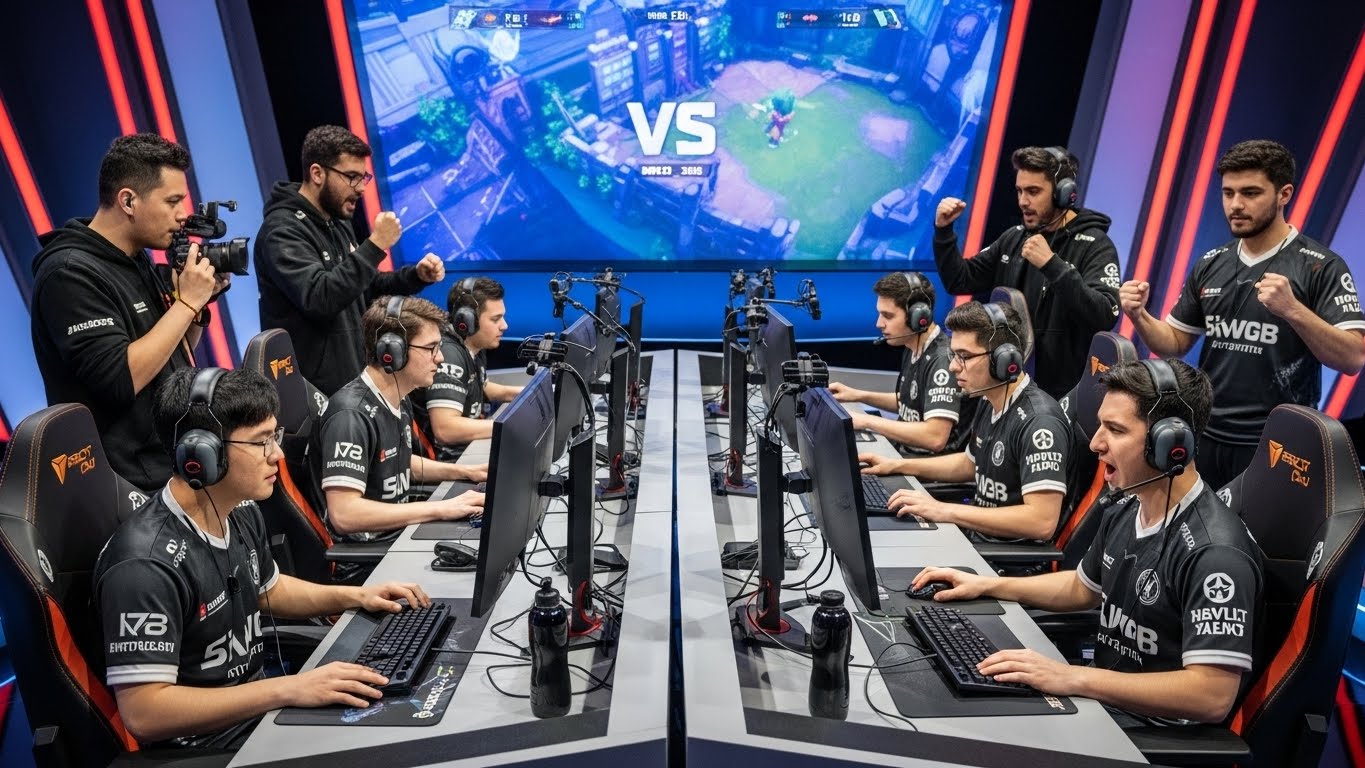
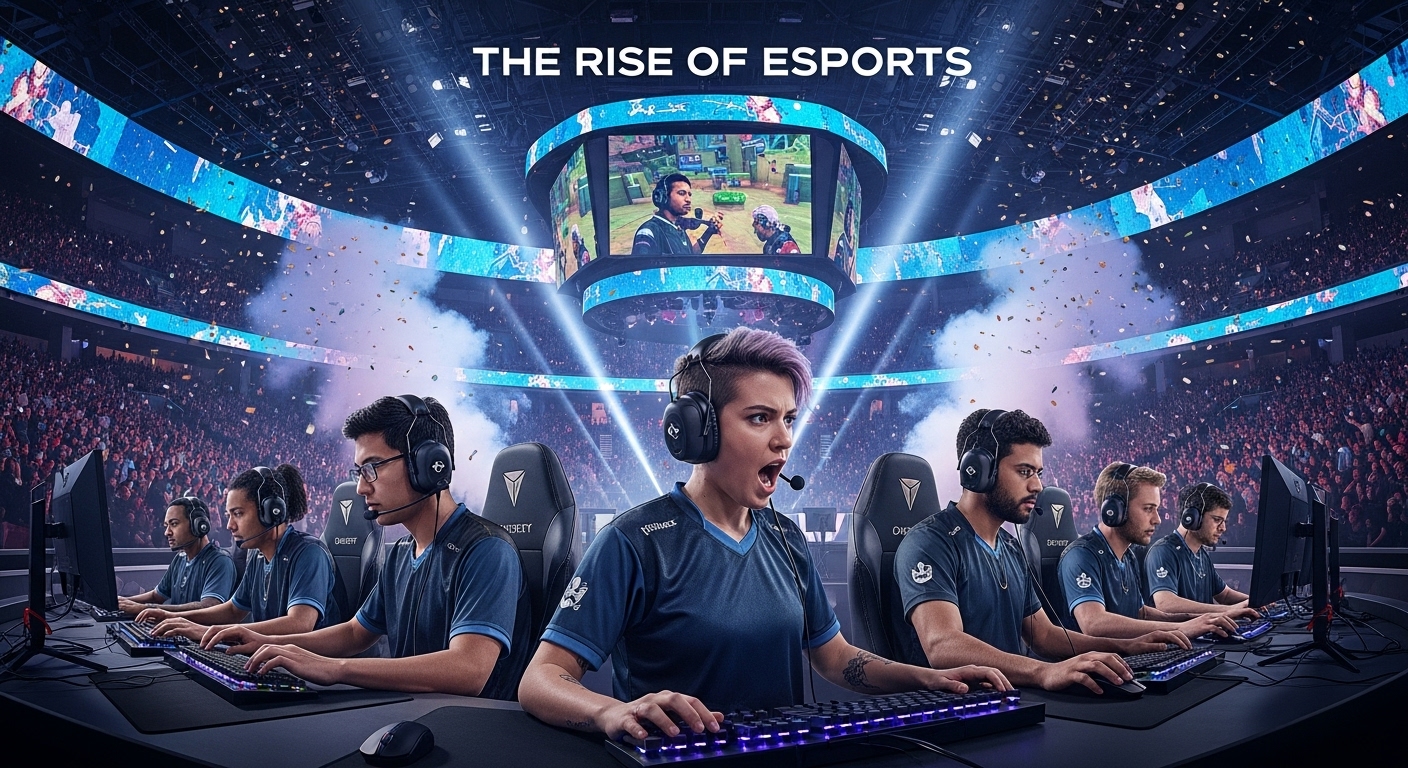
Esports, or competitive gaming, has evolved from a niche hobby into a global phenomenon. What once began as casual video game competitions among friends has transformed into a multi-billion-dollar industry with professional players, international tournaments, and massive audiences. Esports bridges technology, entertainment, and athleticism, creating a new kind of competition that thrives in the digital era.
Today, millions of fans watch esports tournaments online or in arenas, cheering for their favorite teams and players. From strategy games like League of Legends to first-person shooters like Counter-Strike, esports offers diverse experiences for players and spectators alike. The rise of esports reflects how technology is reshaping entertainment, sports, and social interaction.
The History of Esports
The origins of esports can be traced back to the late 1970s and 1980s, when early video game competitions emerged. Events like the Space Invaders Championship in 1980 marked some of the first organized gaming tournaments. As home consoles and PCs became widespread, competitive gaming steadily grew.
The 1990s saw the birth of multiplayer games and local area network competitions, allowing players to compete in real-time. Games like Quake, StarCraft, and Counter-Strike became early esports staples. By the 2000s, online connectivity enabled international competitions, laying the foundation for modern esports. Today, esports tournaments rival traditional sports events in scale, prize money, and audience engagement.
Popular Esports Genres
Esports encompasses a wide variety of game genres, each attracting different audiences and player skills. Some of the most popular genres include:
Multiplayer Online Battle Arenas (MOBAs): Games like League of Legends and Dota 2 focus on strategy, teamwork, and character roles. They require quick thinking, coordination, and adaptability.
First-Person Shooters (FPS): Games such as Counter-Strike and Call of Duty emphasize precision, reflexes, and tactical planning. FPS competitions are fast-paced and highly intense.
Battle Royale: Titles like Fortnite and PUBG combine survival skills, exploration, and combat strategy, creating dynamic, unpredictable matches.
Sports Simulations: FIFA, NBA 2K, and Madden NFL replicate real-world sports, allowing players to compete in digital versions of their favorite games.
Fighting Games: Street Fighter and Super Smash Bros are classic examples where skill, timing, and technique are critical.
These genres offer diversity, allowing players and fans to find games that suit their preferences and strengths.
The Structure of Competitive Esports
Professional esports operates with a structured hierarchy similar to traditional sports. Players often start in amateur leagues and work their way up through local and online tournaments. Successful teams gain sponsorships, join professional leagues, and compete internationally.
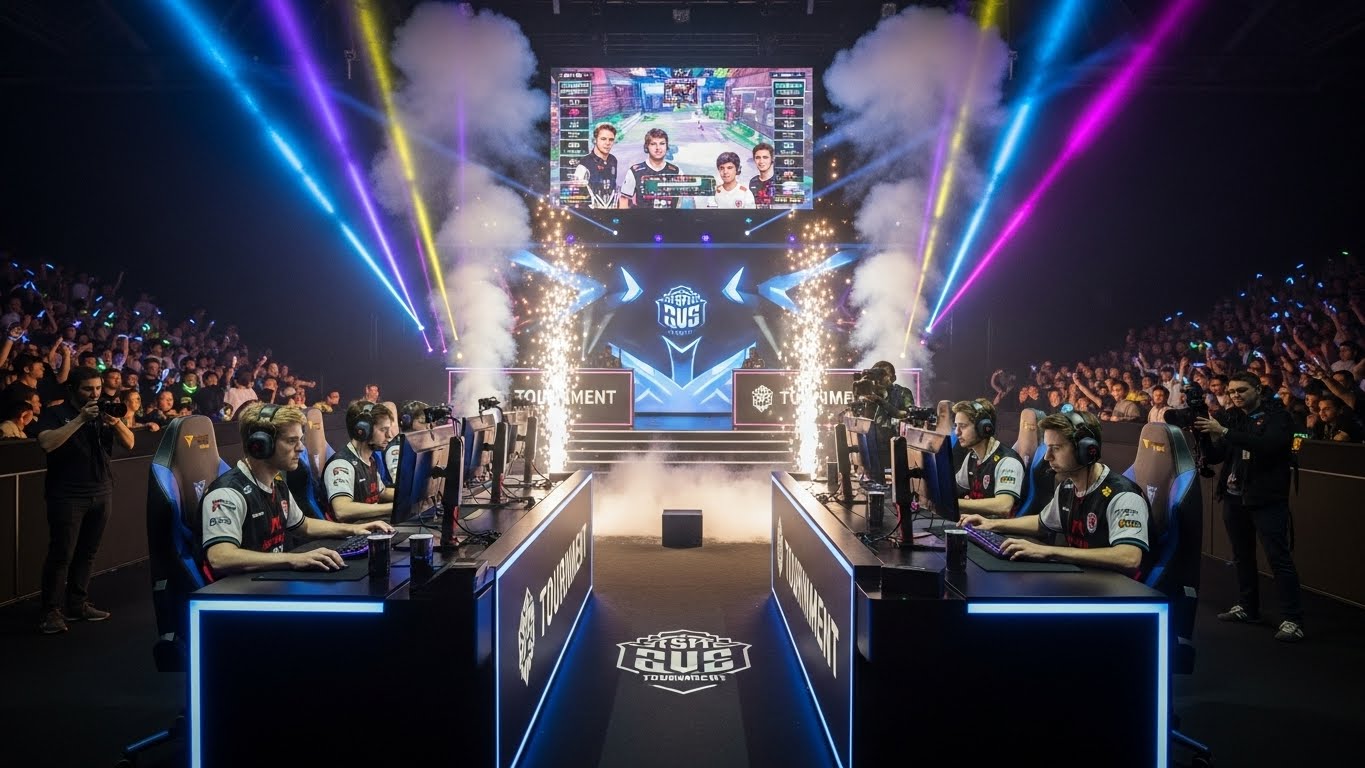
Tournaments range from regional events to global championships. Events like The International for Dota 2 or the League of Legends World Championship offer multi-million-dollar prize pools and draw audiences in the millions. Teams rely on rigorous practice schedules, strategy development, and mental preparation, highlighting esports as a serious and disciplined pursuit.
The Role of Technology in Esports
Technology is the backbone of esports. High-performance computers, fast internet connections, and advanced peripherals are essential for competitive play. Streaming platforms, video capture software, and analytics tools enable fans to watch games live, study strategies, and engage with players.
Beyond hardware, software and game design play a crucial role. Developers balance gameplay mechanics, update content, and maintain fairness to ensure competitive integrity. Analytics and artificial intelligence assist teams in refining strategies and tracking performance metrics. Technology fuels esports not only as a sport but as an immersive digital spectacle.
Esports as a Career
Esports has opened new professional pathways for talented gamers. Professional players earn income through team contracts, tournament winnings, sponsorships, and streaming. Coaches, analysts, commentators, event organizers, and content creators also play vital roles within the esports ecosystem.
Like traditional athletes, esports professionals require discipline, rigorous training, and teamwork. Practice schedules often span several hours daily, focusing on game mechanics, strategy, and mental conditioning. The growth of esports as a career demonstrates that competitive gaming is more than entertainment—it is a legitimate profession.
The Social Impact of Esports
Esports fosters global communities. Fans connect through streaming platforms, forums, social media, and local events. Multiplayer games encourage collaboration and communication, promoting teamwork and social skills.
Esports also has a positive cultural impact by breaking down barriers. Players from different countries, languages, and backgrounds compete on equal footing, emphasizing skill and strategy over physical attributes. This inclusivity makes esports a truly global phenomenon, connecting people through shared passion.
Esports and Education
Esports has increasingly entered educational spaces. Schools and universities offer esports programs, scholarships, and clubs, recognizing the cognitive and social benefits of gaming. Students learn critical thinking, strategic planning, communication, and collaboration through competitive gaming.
Academic institutions have also started hosting collegiate esports leagues. These programs encourage discipline, teamwork, and leadership skills, preparing students for careers both inside and outside gaming. Integrating esports into education demonstrates its potential to teach valuable life skills while providing entertainment.
Esports and Mental Health
Competitive gaming requires intense focus, discipline, and resilience, which can impact mental health positively and negatively. Players develop problem-solving skills, strategic thinking, and stress management through high-pressure scenarios.
However, prolonged gaming and high-stakes competition can lead to burnout, anxiety, and fatigue. Professional teams and organizations increasingly emphasize mental health support, including counseling, structured breaks, and wellness programs. Addressing mental health ensures esports remains a sustainable and enjoyable pursuit.
Esports as Entertainment
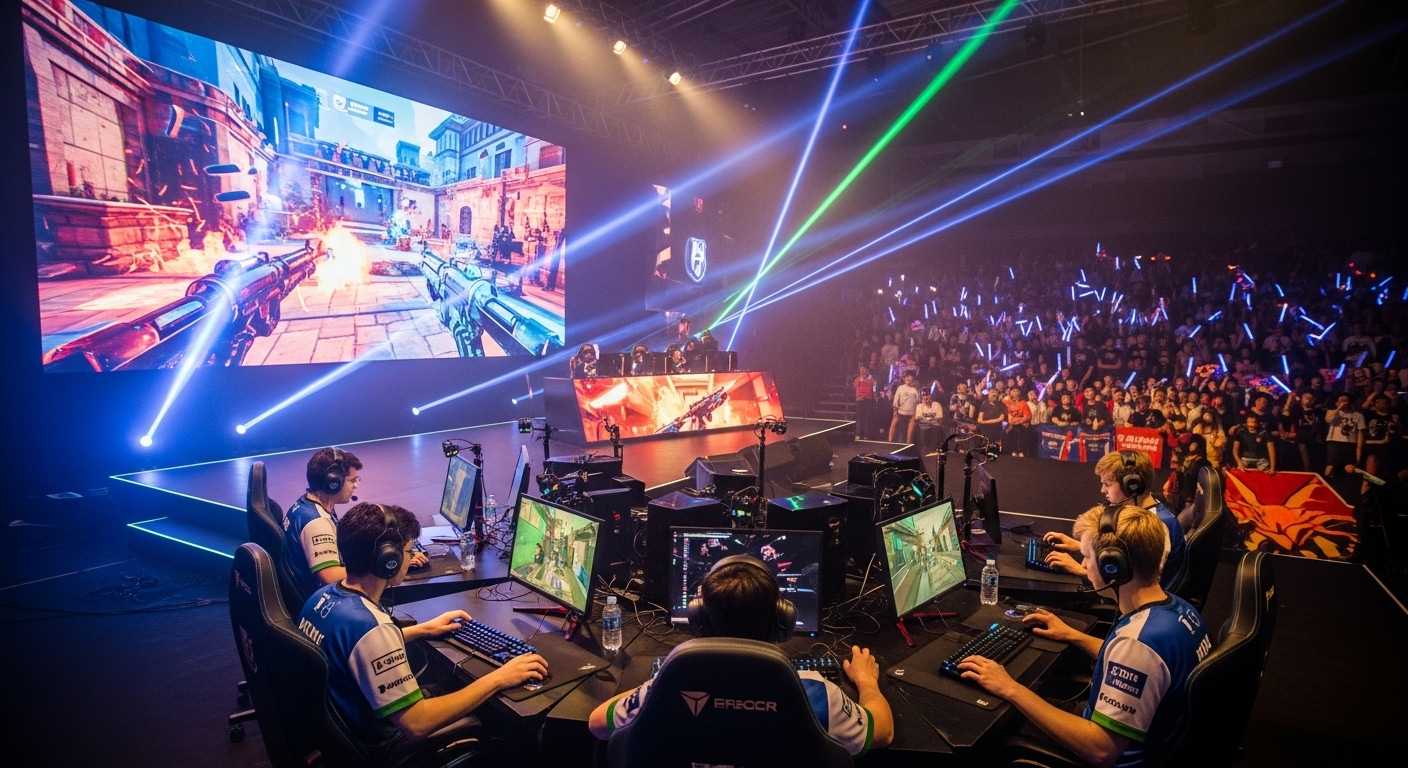
Esports has transformed entertainment by merging competition, storytelling, and community engagement. Streaming platforms allow millions of viewers to watch live matches, interact with commentators, and participate in fan communities. Major tournaments resemble traditional sports events, complete with live audiences, sponsorships, and media coverage.
The entertainment value of esports extends beyond gameplay. Players share personalities, engage in content creation, and create narratives that captivate fans. This combination of performance, skill, and storytelling makes esports a dynamic and interactive form of entertainment.
The Economic Impact of Esports
Esports is a rapidly growing industry with significant economic influence. Revenue comes from sponsorships, advertising, ticket sales, merchandise, and streaming platforms. Major tournaments offer multi-million-dollar prize pools, attracting global talent and investment.
Esports also drives related industries, including gaming hardware, broadcasting, and digital media. The financial impact demonstrates how esports has moved beyond niche gaming to become a mainstream industry with global significance.
Challenges and Criticisms
Despite its growth, esports faces challenges. Regulatory issues, player burnout, and allegations of unfair play are ongoing concerns. Accessibility remains an issue, as competitive gaming often requires expensive equipment and high-speed internet.
Moreover, balancing gaming with physical activity and mental health is crucial. Responsible practice, awareness, and support systems are essential for sustaining long-term engagement. The industry continues to evolve solutions to ensure esports remains safe, fair, and inclusive.
The Future of Esports
The future of esports is promising, with emerging technologies and expanding audiences shaping its growth. Virtual reality and augmented reality may redefine gameplay, creating immersive experiences that blur the line between the digital and physical world.
Artificial intelligence and advanced analytics will further refine training, strategy, and viewer engagement. Global collaboration and increased accessibility will continue to democratize competitive gaming. Esports will likely integrate more deeply with mainstream entertainment, education, and professional sports, solidifying its place as a cornerstone of digital culture.
Conclusion: Esports as a Modern Phenomenon
Esports is more than a trend—it is a cultural, economic, and technological revolution. It combines competition, skill, entertainment, and social connection in a way that resonates with millions worldwide. Professional players, teams, and fans demonstrate dedication, passion, and community, redefining what it means to be an athlete in the digital age.
As esports continues to grow, it challenges traditional notions of sports, entertainment, and career paths. It promotes inclusivity, global connectivity, and innovative thinking. In essence, esports is a reflection of our digital society, where skill, strategy, and community intersect to create a modern form of competition that inspires, entertains, and unites people across the world.