Introduction: Esports – The New Frontier of Competition
In the past decade, Esports has emerged from a niche hobby into a global phenomenon, captivating millions of fans worldwide. What was once considered casual gaming has transformed into a professional industry with athletes, coaches, sponsors, and international tournaments. Esports represents more than entertainment; it is a platform for competition, innovation, and cultural exchange. This blog explores how Esports has evolved, its impact on players and society, and why it is shaping the future of digital competition.
The Evolution of Esports
The history of Esports can be traced back to the 1970s and 1980s when video games like Pong and Space Invaders became popular in arcades. Competitive gaming began in small communities, with players gathering in arcades, universities, and local competitions. The rise of personal computers and the internet in the 1990s allowed online gaming to flourish, creating the foundation for modern Esports.
By the early 2000s, games such as StarCraft, Counter-Strike, and Warcraft became professionalized, attracting sponsorships and organized leagues. Streaming platforms in the 2010s, including Twitch and YouTube Gaming, transformed Esports into a spectator sport. Today, Esports is a multi-billion-dollar industry with professional teams, global tournaments, and millions of viewers tuning in for live events.
The Global Popularity of Esports
Esports has grown into a worldwide cultural phenomenon. Games like League of Legends, Dota 2, Call of Duty, and Fortnite have cultivated massive fan bases, bringing together players and audiences across continents. Unlike traditional sports, Esports is accessible to anyone with a computer or gaming console, creating a unique inclusivity.
International tournaments, often streamed live, attract millions of viewers who watch players compete at the highest level. Esports has also expanded into mainstream media, with coverage on television, news platforms, and online publications. The global reach of Esports demonstrates its ability to connect people across borders through shared passion and excitement.
Professional Players: The Athletes of the Digital Age
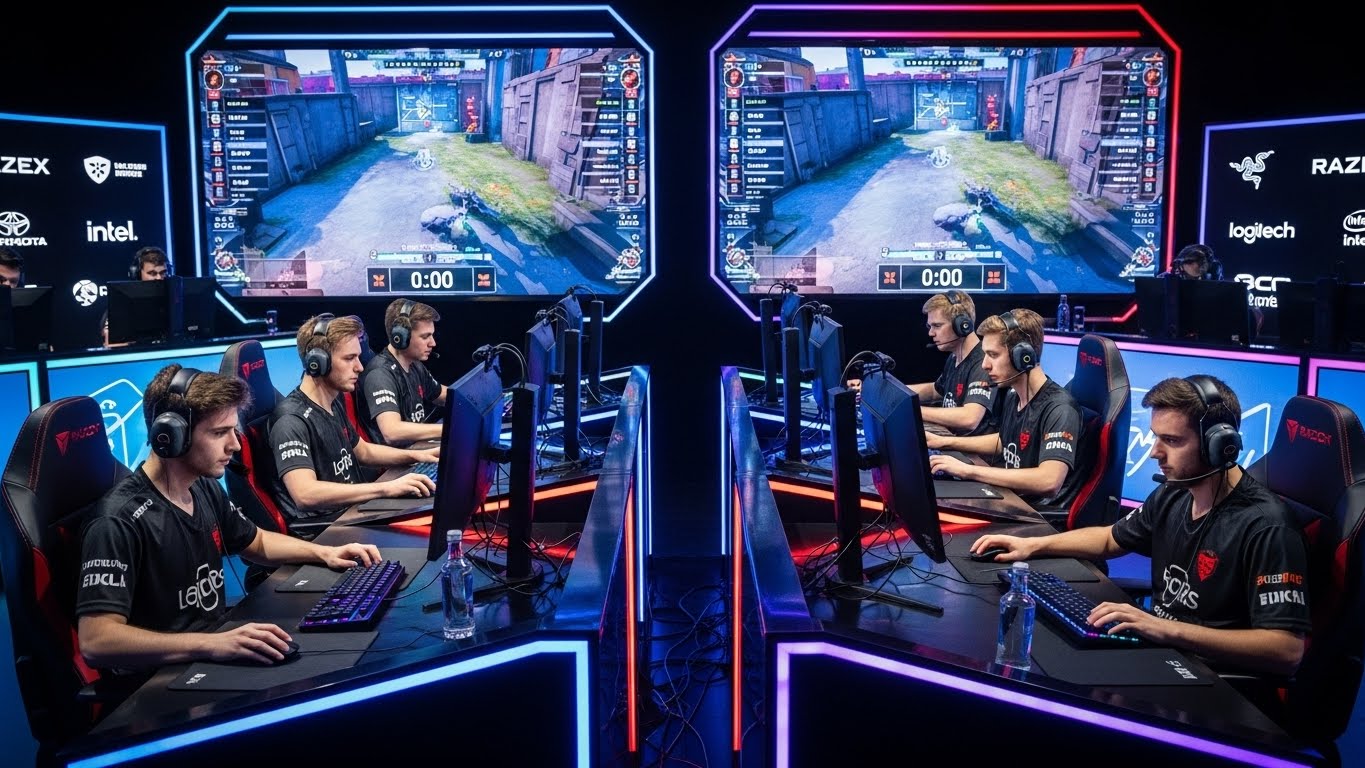
Professional Esports players dedicate countless hours to practice, strategy, and teamwork. Success in Esports requires exceptional hand-eye coordination, reflexes, strategic thinking, and mental endurance. Players often train for six to ten hours daily, analyzing opponents, mastering in-game mechanics, and maintaining physical and mental health.
Much like traditional athletes, Esports professionals rely on coaching, nutrition, and mental conditioning. Team dynamics and communication are critical in multiplayer games, while individual games demand concentration and decision-making under pressure. The professionalism and discipline of these players elevate Esports from casual entertainment to a serious and respected form of competition.
The Role of Teams and Organizations
Esports teams are structured similarly to traditional sports clubs. They have managers, coaches, analysts, and support staff who help optimize performance. Teams compete in regional and international leagues, often receiving sponsorships and media deals.
Successful organizations cultivate talent, provide resources for training, and develop long-term strategies for growth. They also engage with fans through social media, streaming, and community events, creating a connection between players and audiences. These teams are the backbone of the Esports industry, driving both competitive excellence and fan engagement.
Tournaments and Competitive Events
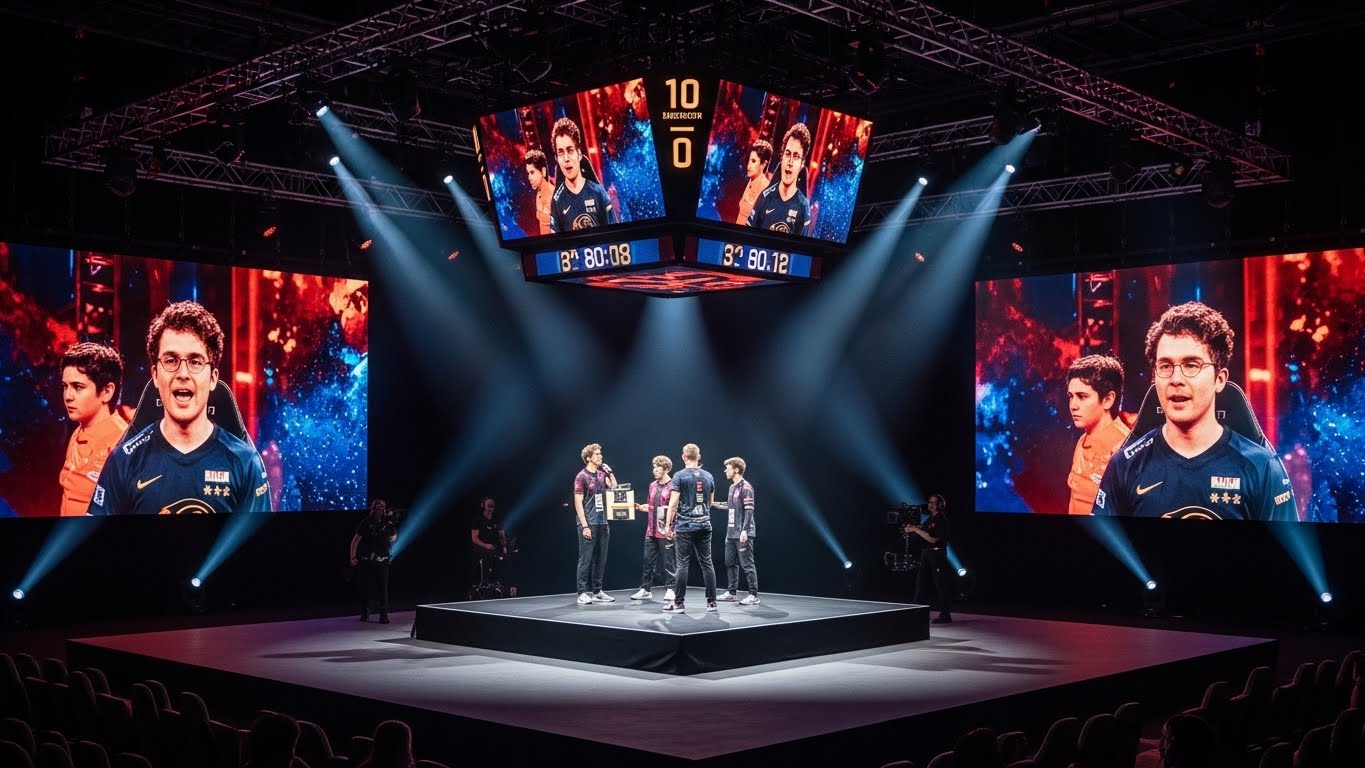
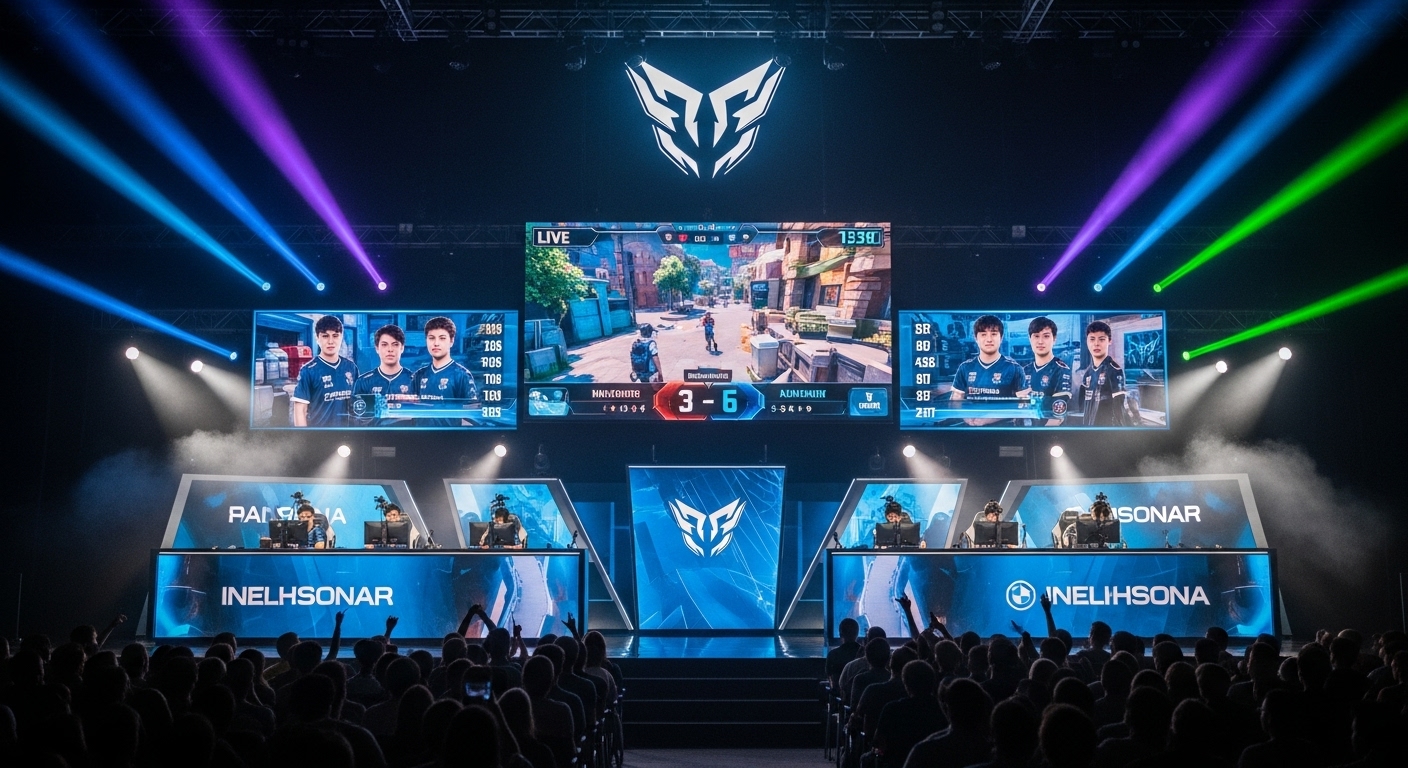
Tournaments are at the heart of Esports. Events like The International, League of Legends World Championship, and Fortnite World Cup feature prize pools worth millions of dollars. These competitions attract elite players from around the globe and showcase high-level strategies and gameplay.
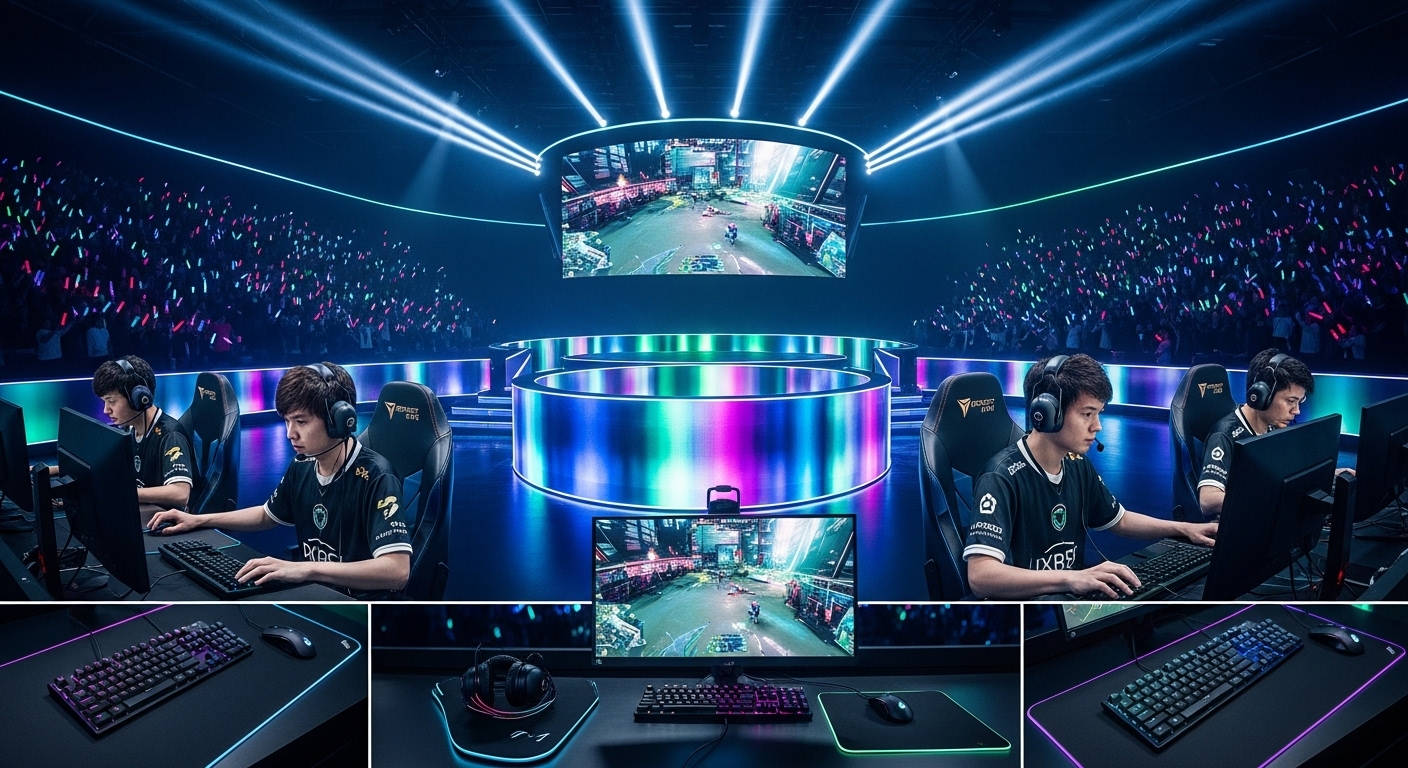
Esports tournaments are not only about the competition; they are entertainment spectacles. Professional commentators, live streams, and fan interactions create an immersive experience similar to traditional sports. The scale of these events demonstrates the growing legitimacy and popularity of Esports as a professional industry.
The Physical and Mental Demands of Esports
While Esports may appear sedentary, it requires both physical and mental endurance. Players must maintain excellent reaction times, precision, and concentration during long gaming sessions. Many incorporate physical exercise into their routines to improve stamina, reduce fatigue, and prevent injuries like carpal tunnel syndrome.
Mental resilience is equally critical. High-level Esports competitions involve intense pressure, strategic thinking, and split-second decision-making. Players must manage stress, maintain focus, and adapt quickly to opponents’ strategies. The combination of physical conditioning and mental agility highlights the demanding nature of professional gaming.
Esports and Youth Engagement
Esports has become increasingly popular among young people. Schools and universities are creating competitive gaming programs, offering scholarships, and organizing tournaments. These initiatives provide opportunities for skill development, teamwork, and leadership.
Participating in Esports teaches problem-solving, strategic thinking, and digital literacy. Youth engagement in Esports can also foster social connections, as players collaborate online and compete in leagues. The rise of Esports in education reflects its potential as a positive influence for personal growth and skill development.
Esports as a Career Path
Esports offers diverse career opportunities beyond playing professionally. Roles include coaching, management, broadcasting, content creation, marketing, and event organization. As the industry grows, the demand for specialized skills continues to increase.
Esports careers combine creativity, strategy, and technology. Many professionals build personal brands through streaming platforms, sponsorships, and social media engagement. The industry’s growth demonstrates that Esports is not just a hobby but a viable and expanding career path for talented individuals.
The Social and Cultural Impact of Esports
Esports has a profound social and cultural influence. It fosters global communities, enabling players from different countries and cultures to connect through shared interests. Online streaming platforms create spaces where fans can interact with players, discuss strategies, and build friendships.
Culturally, Esports has shifted perceptions of gaming, challenging stereotypes and highlighting skill, strategy, and dedication. It has become a legitimate form of entertainment and competition, celebrated in mainstream media and embraced by diverse audiences worldwide.
The Role of Technology in Esports
Technology is the foundation of Esports. High-performance computers, gaming consoles, and advanced peripherals enable players to compete at elite levels. Internet connectivity, streaming platforms, and broadcasting tools allow global audiences to watch live events in real time.
Advancements in analytics and artificial intelligence are also changing training methods. Players can study opponents’ patterns, optimize strategies, and track performance metrics. Technology continues to drive innovation in Esports, expanding its reach and enhancing both competitive and spectator experiences.
Challenges and Criticisms
Despite its growth, Esports faces challenges. Concerns about health, including sedentary behavior and eye strain, require attention. Mental health is another consideration, as competitive pressure and online toxicity can affect players.
Additionally, the industry faces issues of regulation, standardization, and career sustainability. Unlike traditional sports, Esports lacks uniform governing bodies in many regions, creating disparities in rules, contracts, and player protection. Addressing these challenges is crucial for the long-term credibility and stability of the industry.
The Future of Esports
The future of Esports is promising and dynamic. Emerging technologies like virtual reality and augmented reality are set to revolutionize gaming experiences. Increased recognition in educational institutions and mainstream sports organizations will further validate Esports as a professional pursuit.
Esports is likely to continue expanding globally, with more diverse games, players, and audiences. Its integration with technology, media, and entertainment ensures that Esports will remain at the forefront of digital competition and innovation.
Conclusion: Esports – A New Era of Competition
Esports has evolved from casual gaming into a professional, global phenomenon that influences culture, technology, and society. It provides a platform for competition, skill development, and personal growth while connecting players and fans worldwide.
The discipline, strategy, and teamwork required in Esports highlight its legitimacy as a competitive endeavor. With professional teams, global tournaments, and diverse career opportunities, Esports is more than entertainment—it is a cultural and technological revolution.
As the digital arena continues to expand, Esports will redefine the meaning of competition, entertainment, and human connection in the 21st century.