Introduction
In the modern age of digital innovation, one of the most remarkable phenomena to emerge is esports. What began as casual gaming among friends has evolved into a global spectacle of professional competition, commanding millions of fans, sponsorships, and international recognition. Esports, short for electronic sports, represents the competitive side of gaming where players, either individually or in teams, compete in organized tournaments for glory and prizes. It has become a vibrant fusion of technology, entertainment, and athletic discipline, redefining what it means to be a competitor in the 21st century.
The Origins of Esports
The roots of esports stretch back to the earliest days of video gaming. The first known gaming competition took place in 1972 at Stanford University, where students competed in a game called Spacewar. Although the event was small, it marked the beginning of a new form of entertainment where skill, reflexes, and strategy determined victory.
In the 1980s, arcade gaming became a cultural phenomenon. Games like Pac-Man, Donkey Kong, and Street Fighter drew crowds of players competing for the highest scores. This era introduced the spirit of competition that would later fuel esports. As home consoles and personal computers became common, gaming communities began organizing local tournaments, paving the way for the structured competitions we see today.
The Rise of Competitive Gaming
The 1990s and early 2000s marked a turning point for esports. The arrival of the internet enabled players from around the world to connect and compete without geographic barriers. Games like Quake, Counter-Strike, and StarCraft were among the first to develop competitive scenes supported by professional tournaments.
One of the major catalysts for esports growth was the establishment of organized leagues. South Korea became the first country to treat competitive gaming as a professional industry, with televised tournaments and dedicated training facilities. This professional approach inspired global interest and set the foundation for esports as a legitimate career path.
Technology and the Growth of Esports
The rise of high-speed internet, advanced graphics, and powerful gaming hardware transformed the esports landscape. Games became more immersive, realistic, and demanding, requiring precision and teamwork. Developers began designing games specifically with competitive balance in mind, ensuring that no player had an unfair advantage.
Streaming technology also played a vital role in the industry’s expansion. Viewers could now watch live tournaments and follow their favorite players in real time. Broadcasting platforms made esports accessible to millions, turning it into a mainstream entertainment medium comparable to traditional sports. The global audience for esports today rivals that of some of the world’s largest sporting events.
The Structure of Esports Tournaments
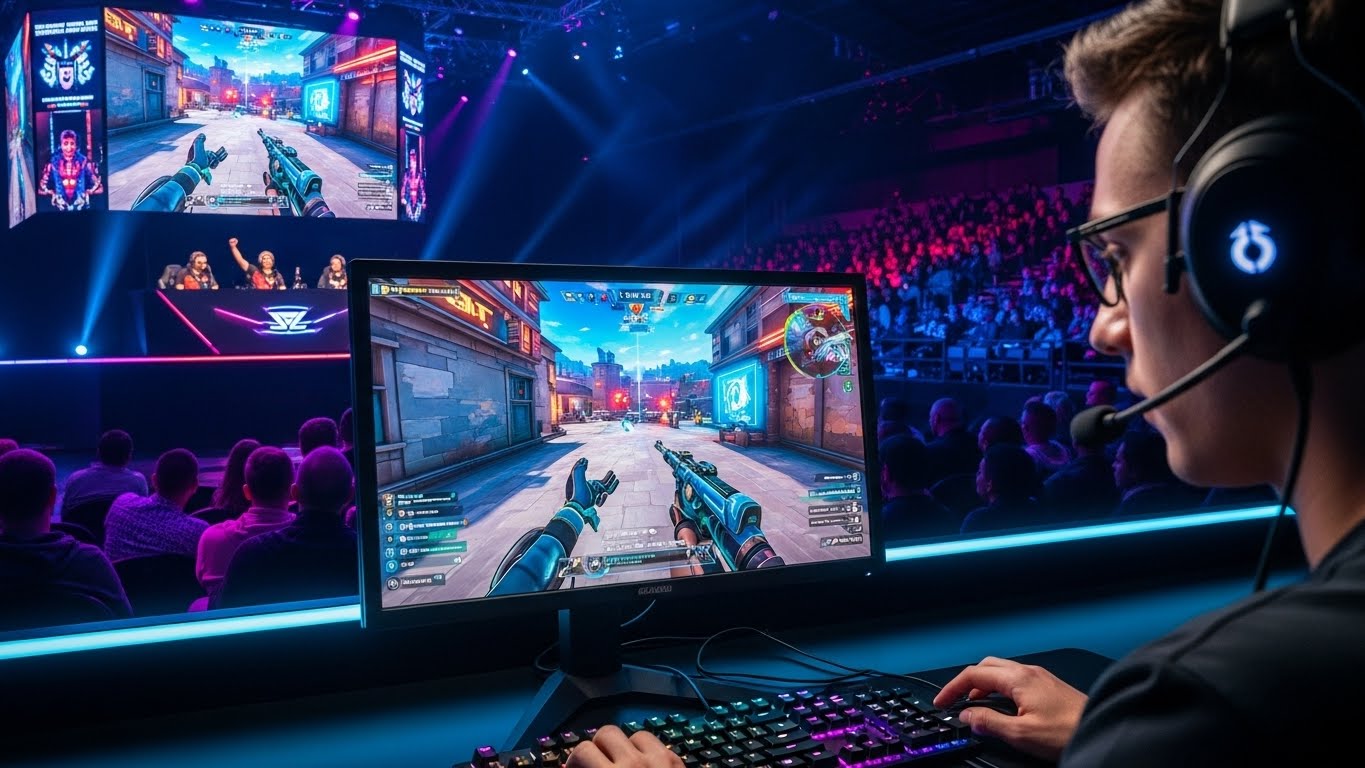
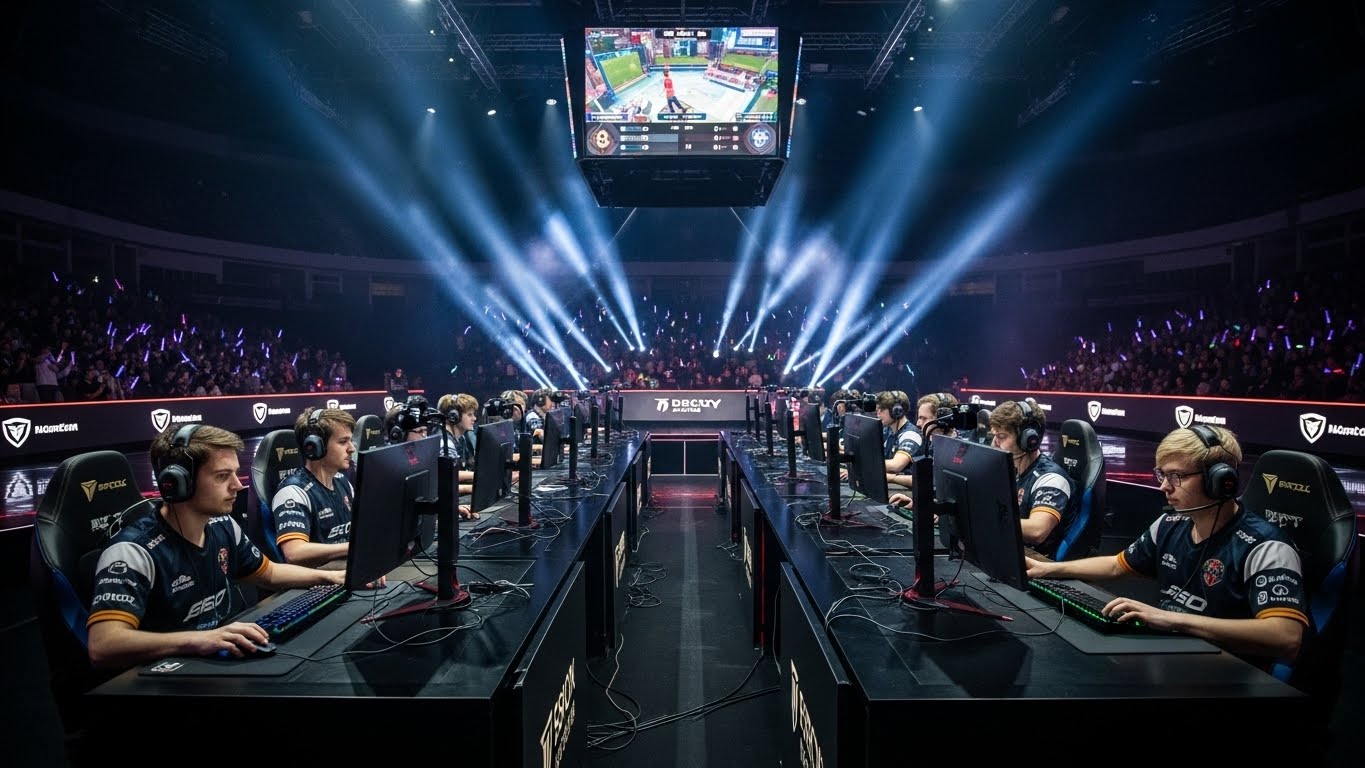
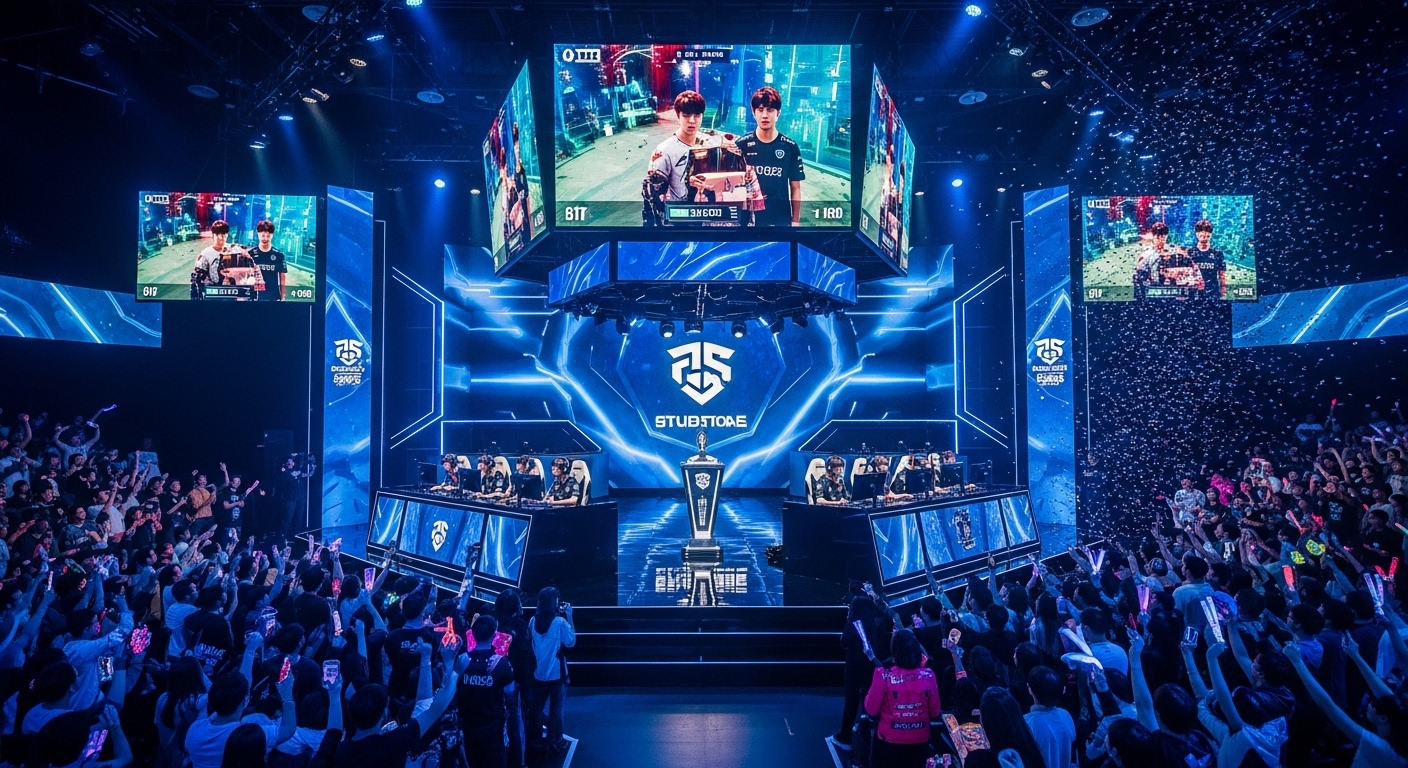
Modern esports tournaments are grand spectacles that rival traditional sports in scale and production. Major events fill stadiums, with large screens, commentary teams, and professional hosts. Competitions often follow formats similar to those of traditional leagues, featuring group stages, playoffs, and championship matches.
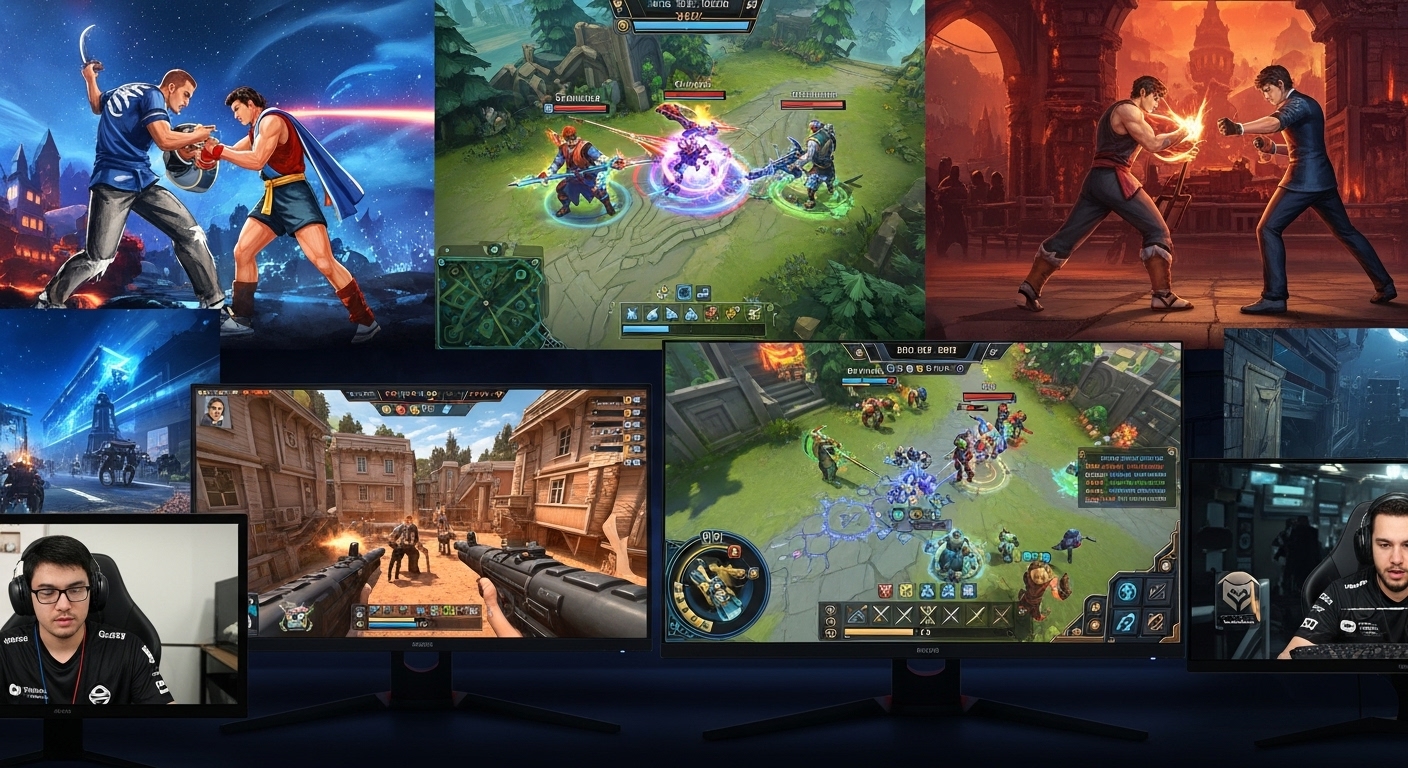
Different games dominate different genres. For example, League of Legends and Dota 2 lead the multiplayer online battle arena (MOBA) category, while Counter-Strike and Valorant dominate first-person shooter competitions. Sports simulation titles like FIFA and NBA 2K also have thriving esports communities. Each game develops its own ecosystem of teams, sponsors, and fan bases, contributing to the diversity of the esports industry.
Professional Esports Players: The New Generation of Athletes
Esports professionals are athletes in their own right. Their success depends on reflexes, precision, strategy, and mental endurance. Many dedicate countless hours daily to practice, analyzing gameplay, and improving coordination with teammates. Just like traditional athletes, esports players follow strict training regimens that include physical fitness, mental preparation, and team-building exercises.
What makes esports particularly fascinating is that it provides equal opportunity for players worldwide. Talent and dedication often matter more than physical attributes or geography. This accessibility has made esports one of the most inclusive global competitions, where anyone with skill and determination can rise to fame.
The Business and Economy of Esports
Esports has become a billion-dollar industry driven by sponsorships, media rights, and merchandise sales. Major corporations, including technology companies, sports franchises, and fashion brands, invest heavily in esports teams and tournaments. Advertising within gaming environments and streaming platforms generates substantial revenue.
Teams operate like professional sports clubs, with managers, coaches, analysts, and marketing specialists working behind the scenes. Players receive salaries, sponsorship deals, and prize money that can reach millions of dollars. Some tournaments have prize pools larger than those of traditional sporting events, demonstrating the immense financial power of competitive gaming.
The Role of Streaming and Community Engagement
Streaming platforms have transformed esports from a niche interest into a cultural phenomenon. Millions of viewers tune in daily to watch live matches, follow professional players, or learn strategies from experts. This level of interactivity creates a sense of community between players and fans that traditional sports rarely achieve.
Viewers can engage in real-time conversations, support their favorite players through donations or memberships, and even participate in fan events. Streaming has turned esports into a social experience, breaking down barriers between professionals and audiences. It has also given rise to influencers who use their platforms to promote games, brands, and events.
The Global Impact of Esports
Esports is no longer limited to specific regions—it has become a truly global movement. Asia, particularly South Korea and China, remains at the forefront of competitive gaming, while North America and Europe have developed thriving leagues of their own. Emerging markets such as the Middle East, South America, and Africa are rapidly investing in esports infrastructure, creating opportunities for new talent and audiences.
The global nature of esports allows people from diverse cultures to connect through shared passion. International tournaments unite players and fans across borders, promoting cultural exchange and global understanding. Esports has become a universal language that transcends race, language, and geography.
Esports and Traditional Sports: A New Rivalry and Partnership
As esports gained popularity, it began to attract attention from traditional sports organizations. Some viewed it as competition, while others saw an opportunity for collaboration. Today, many football clubs, basketball teams, and racing organizations have their own esports divisions. These partnerships bridge the gap between physical and digital sports, appealing to younger audiences who prefer interactive forms of entertainment.
Esports also mirrors traditional sports in terms of structure and professionalism. It has leagues, drafts, sponsorships, and fan engagement strategies similar to those seen in football or basketball. However, esports offers unique advantages such as global accessibility and minimal physical limitations, giving it a distinct identity within the sports ecosystem.
Educational and Career Opportunities in Esports
Beyond professional gaming, esports offers a wide range of career paths. Universities now offer scholarships for esports players and degrees in game design, management, and broadcasting. Careers in event organization, marketing, commentary, and coaching are rapidly expanding as the industry matures.
Educational programs also emphasize the transferable skills that esports fosters—teamwork, communication, problem-solving, and leadership. These abilities are valuable in both digital and real-world professions, making esports a viable entry point into broader technology and media industries.
Mental and Physical Health in Esports
As esports has grown, so has the awareness of health and wellness among players. Professional gaming can be physically and mentally demanding, requiring focus and quick decision-making under pressure. Players often undergo stress and fatigue from long hours of training and travel.
To address these challenges, teams have started incorporating physical exercise, proper nutrition, and mental health support into their training routines. Maintaining balance is essential for sustaining performance and ensuring longevity in a career that demands peak mental agility.
The Challenges Facing Esports
Despite its success, esports faces several challenges. Issues such as cheating, match-fixing, and cyber threats pose risks to fair competition. Regulation and standardization remain inconsistent across different countries and games. Moreover, the industry must address concerns about player burnout and career instability, as many professional players retire young due to stress and fatigue.
Another significant challenge is inclusivity. While esports is open to anyone with skill, representation of women and marginalized groups remains limited. The industry continues to work toward creating a more diverse and welcoming environment through inclusive tournaments and awareness campaigns.
The Future of Esports: Boundless Potential
The future of esports holds limitless possibilities. Advancements in virtual reality, augmented reality, and artificial intelligence will revolutionize how players compete and how audiences engage. The integration of immersive technologies could make tournaments more interactive, allowing fans to experience the action from the players’ perspective.
Esports may also become a permanent part of global sporting events. Discussions about its inclusion in international competitions highlight its growing legitimacy. With continued innovation, investment, and inclusivity, esports is set to expand beyond entertainment into education, business, and even national representation.
Conclusion
Esports has transformed from a digital hobby into one of the most exciting and influential movements in modern culture. It bridges technology, art, and competition, offering a platform where anyone can showcase skill and creativity. More than just gaming, esports represents dedication, teamwork, and the human drive to excel.
As it continues to evolve, esports will redefine how people perceive sports, entertainment, and community. It stands as a testament to how far digital culture has come—and how much further it can go. In the digital arena, every click, every strategy, and every victory tells a story of passion and progress, proving that the future of competition belongs to the screen as much as the stadium.