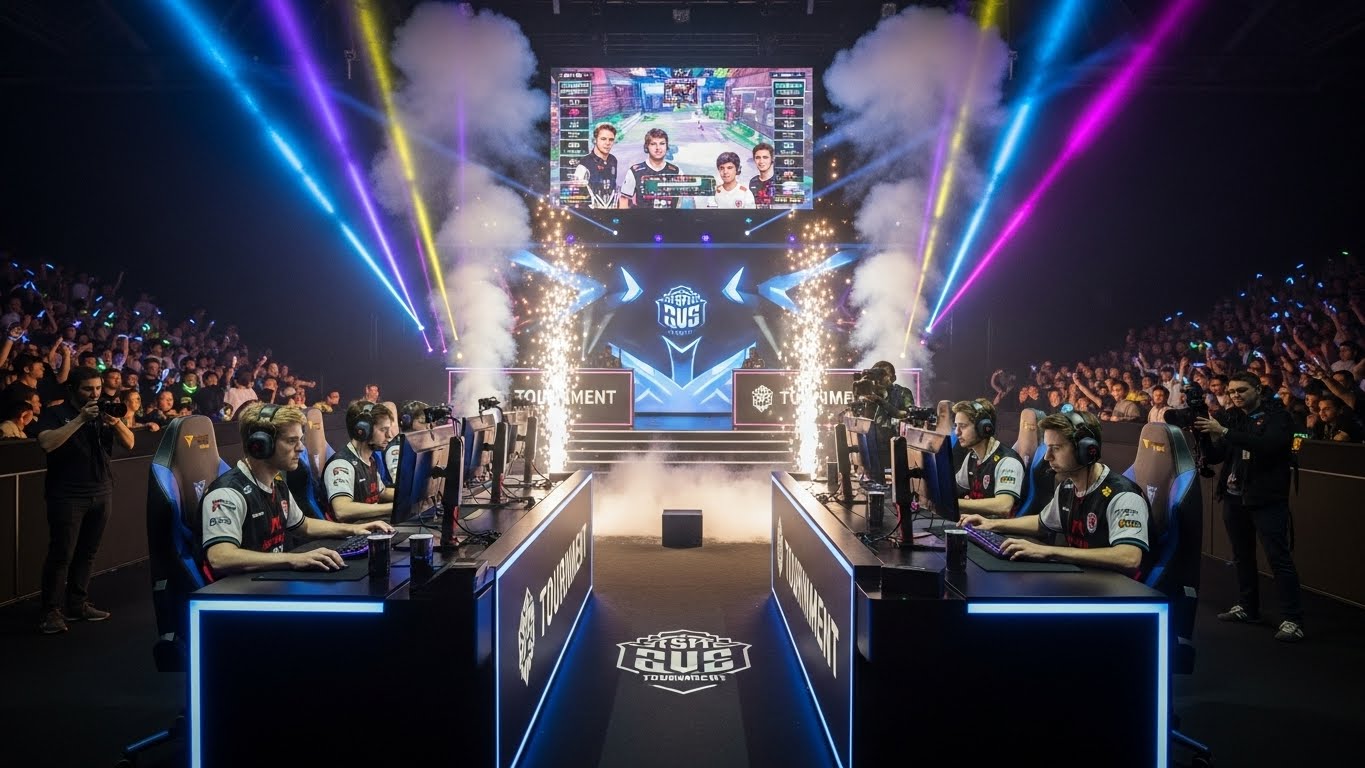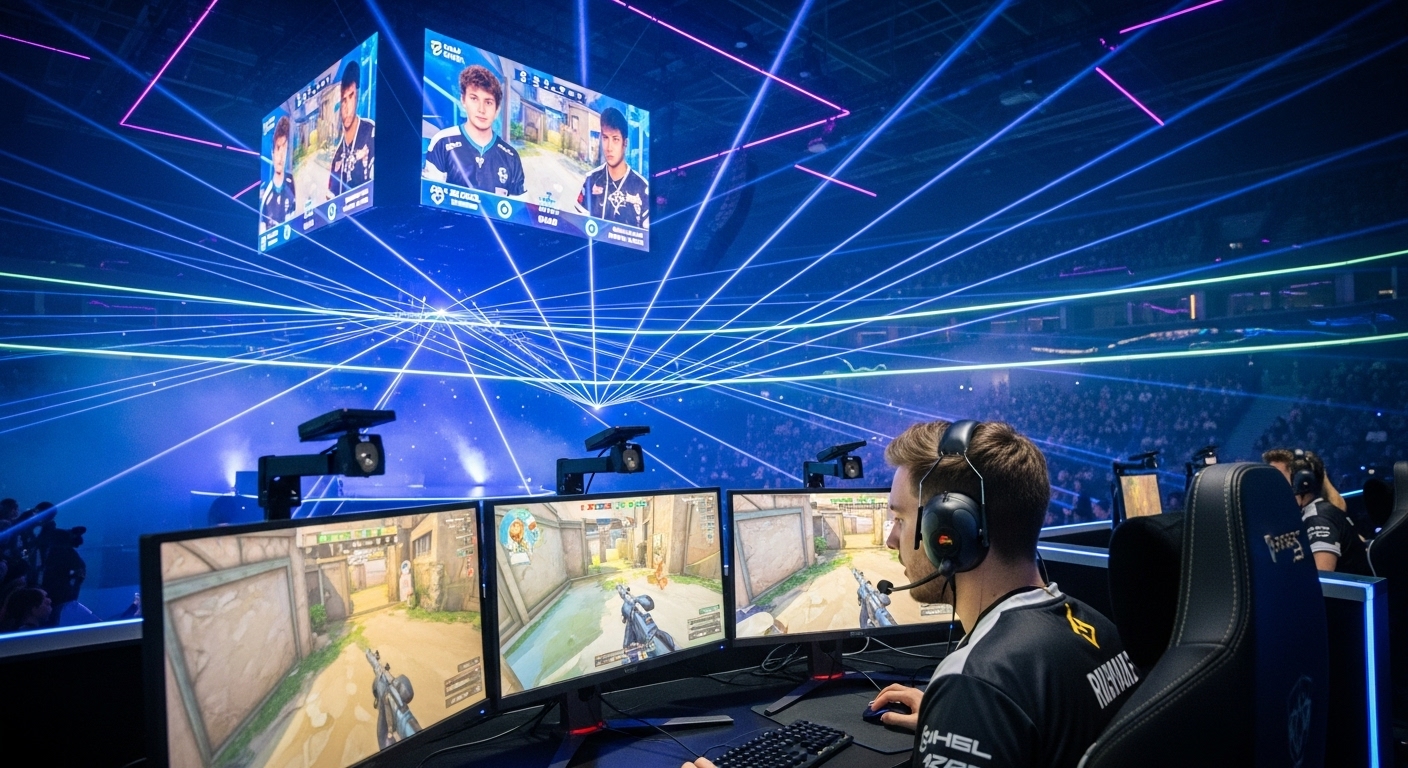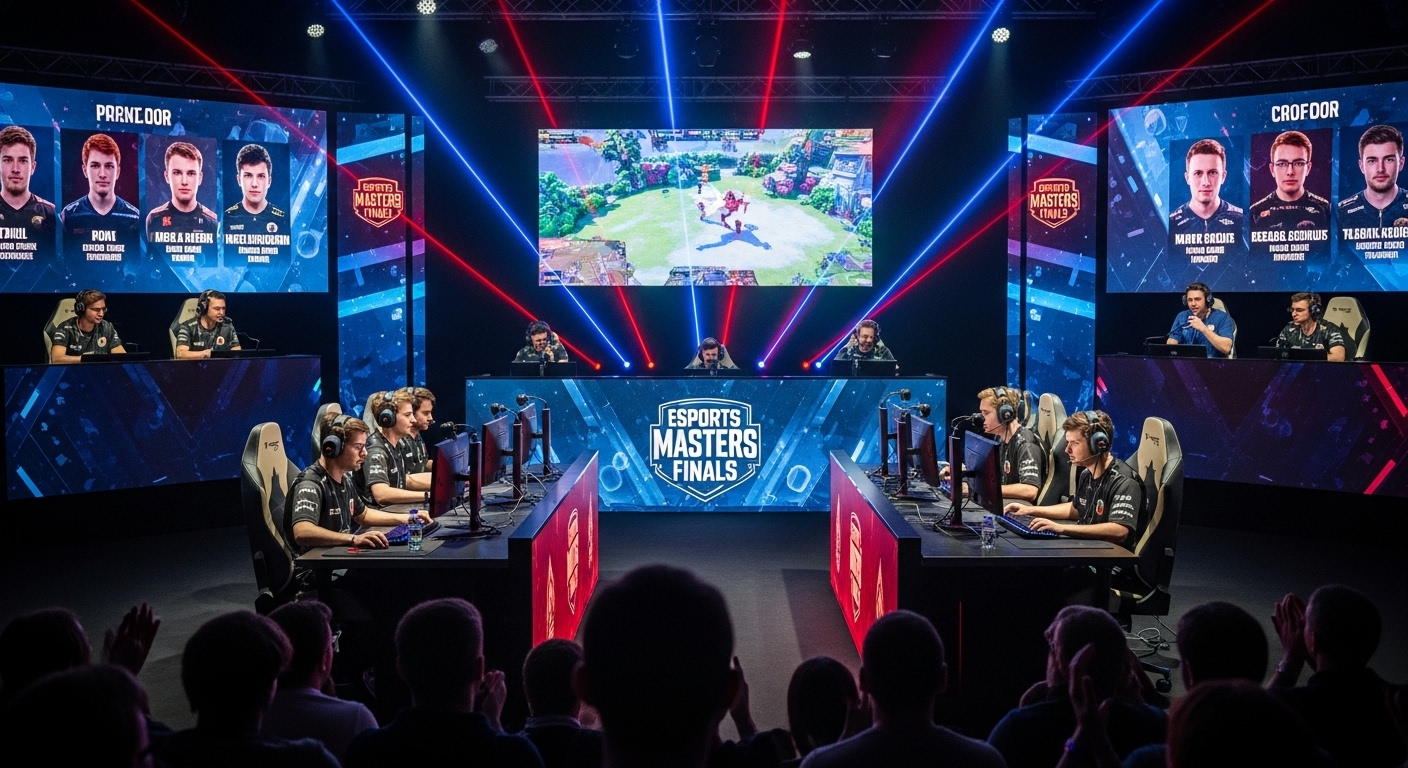
In recent years, the world of esports has undergone a monumental transformation, evolving from a niche hobby into a multi-billion-dollar global industry. What was once considered an obscure pastime for a small group of passionate gamers has now become a cultural and economic powerhouse, drawing in millions of viewers, players, and sponsors worldwide. In this post, we will take a deep dive into the growth of esports, examining the key factors that have contributed to its rise, the changing landscape of competitive gaming, and what the future holds for this dynamic industry.
The Birth of Esports: A Humble Beginning
Esports, or electronic sports, refers to organized, multiplayer video game competitions, particularly between professional players, individually or as teams. Its origins can be traced back to the early 1970s when games like Space Invaders and Pong were first introduced to the public. However, it wasn’t until the 1990s, with the advent of faster internet connections and the rise of multiplayer online games, that competitive gaming began to take off.
The first true esports tournament, the Red Annihilation tournament for Quake in 1997, marked a milestone in competitive gaming. Players from around the world gathered to compete for a grand prize, and it was the first of many tournaments that would help shape the future of esports. In the years that followed, various games, including StarCraft, Warcraft, and Counter-Strike, became the cornerstone of esports, with large-scale competitions and tournaments being held regularly.
The Golden Age of Esports: Rise of the Major Titles
The early 2000s saw the rise of games that would go on to define competitive gaming for years to come. Titles such as League of Legends, Dota 2, and Counter-Strike: Global Offensive (CS:GO) helped solidify the esports ecosystem, drawing huge audiences both in person and online. Esports tournaments like The International (Dota 2’s world championship) and the League of Legends World Championship became key fixtures in the competitive gaming calendar, offering not only massive cash prizes but also a platform for showcasing top-tier talent.
One of the most pivotal moments in esports history came in 2013 when Riot Games, the developer behind League of Legends, introduced the League of Legends Championship Series (LCS), a professional league that would give players a consistent and structured environment in which to compete. The LCS would become a blueprint for other esports leagues, fostering talent development and creating opportunities for players to go pro. Over time, these leagues evolved into global phenomena, with international events like the League of Legends World Championship drawing millions of viewers and establishing esports as a legitimate form of entertainment.
The Role of Streaming Platforms: Connecting Fans and Gamers
A significant factor in the growth of esports has been the rise of streaming platforms, most notably Twitch. Founded in 2011, Twitch provided a platform where gamers could live-stream their gameplay to an audience, creating a virtual space where fans could watch professional players, learn strategies, and interact with their favorite streamers in real time. By 2014, Twitch had grown into a dominant force in the streaming world, and its acquisition by Amazon that same year underscored its growing influence.
The success of Twitch revolutionized how people consumed gaming content. Viewers could now watch esports competitions live from the comfort of their own homes, without the need to attend in person. This democratization of content consumption helped to foster a global community of gamers and fans, all connected through shared interests and excitement for the games they loved. In many ways, Twitch acted as the lifeblood of esports, offering players and organizations a way to build their brand, interact with their fan base, and monetize their efforts through sponsorships, ad revenue, and donations.
The Business of Esports: Sponsorships, Investments, and Media Rights
As esports gained mainstream recognition, its business side quickly began to flourish. Major tech companies, including Intel, Coca-Cola, and Red Bull, recognized the massive potential of esports and started to invest heavily in sponsorships, partnerships, and advertising opportunities. Brands flocked to esports to connect with younger, tech-savvy audiences that traditional forms of media could not reach.
In addition to sponsorships, esports organizations began signing lucrative media rights deals with platforms like YouTube, Facebook, and Amazon Prime Video, which helped to increase the visibility and accessibility of esports content. These media partnerships brought esports to a wider audience and introduced new revenue streams for event organizers and gaming publishers.
Esports also became a major draw for investors. Private equity firms, venture capitalists, and even traditional sports team owners began investing in esports organizations, viewing them as a promising growth market. The acquisition of esports teams by major sports franchises, such as the ownership of Cloud9 by the NFL’s Los Angeles Rams, further legitimized esports as a form of entertainment on par with traditional sports.
The Global Impact of Esports: A Cultural and Social Movement
Esports is not just a competitive sport; it’s a cultural and social movement that has had a profound impact on the way people perceive video games. In many parts of the world, esports has become a legitimate career path, with professional gamers, coaches, and streamers now earning six-figure salaries. Universities and colleges are even offering scholarships for aspiring esports athletes, further reinforcing the notion that gaming can be a viable profession.
Esports has also become a cultural force, influencing music, fashion, and pop culture. Collaborations between gaming companies and music artists, such as Travis Scott’s virtual concert in Fortnite or Marshmello’s performance in Fortnite’s battle royale mode, demonstrated the growing intersection of gaming and mainstream entertainment. Esports events, like the League of Legends World Championship or the Fortnite World Cup, are often broadcast on TV, and the growth of esports-related content on YouTube and other platforms has further solidified its place in mainstream media.
The Future of Esports: Looking Ahead
As we look to the future, it’s clear that esports will continue to evolve. The rise of new technologies, such as virtual reality (VR), augmented reality (AR), and artificial intelligence (AI), will likely have a significant impact on competitive gaming. We may see new forms of esports emerge, incorporating elements of these technologies to create even more immersive experiences for players and fans.
Esports is also expected to continue expanding into new regions. While it is already a massive phenomenon in North America, Europe, and Asia, the rise of mobile gaming in regions such as Southeast Asia, India, and the Middle East presents new opportunities for growth. Mobile esports games like PUBG Mobile and Free Fire have already gained a significant following, and as mobile gaming infrastructure improves, we can expect more global tournaments and competitions to take place.
Furthermore, as esports becomes more mainstream, there will be an increased focus on player health, safety, and well-being. With the intense schedules and high levels of competition, the mental and physical health of professional gamers has become a growing concern. Organizations will likely invest more in support systems, including coaching, therapy, and fitness programs, to ensure that their players can perform at their best without burning out.
Conclusion: The Esports Revolution
Esports has come a long way from its humble beginnings. It has evolved into a massive, global industry that continues to redefine the boundaries of entertainment, competition, and social interaction. As the industry continues to grow, it will undoubtedly face new challenges and opportunities, but one thing is clear: esports is here to stay.
The future of esports is bright, and with the continued support of players, fans, investors, and sponsors, it will undoubtedly continue to evolve and expand. Whether you’re a casual gamer or a professional esports athlete, the world of competitive gaming is an exciting place to be, and the best is yet to come.